Universal Credit: who can claim, what it pays, and why many people must not apply
The standard allowance runs from £338.58 to £666.97 a month, savings are capped at £16,000, and every £1 earned cuts the payment by 55p. But first things first: most visas carry a no recourse to public funds condition, and claiming without the right damages your visa. How to check your condition and what to do if you have no right to claim.
Thanks for £1
Universal Credit is Britain's main benefit for people on a low income or none. It attracts more misconceptions among Russian speakers than any other, and the dangerous one is this: that paying tax and living here lawfully creates a right to claim. It does not, and claiming without that right damages your visa. So start there.
What is NRPF and why check it first?
Most temporary visas carry a no recourse to public funds condition. It is mandatory for most visa types — work, student and family alike. The House of Commons Library estimated that at the end of 2024 roughly 3.6 million people in Britain held visas with that condition.
"Public funds" covers a wide list: social security benefits, tax credits and housing assistance. Universal Credit is on it.
Check your own condition in the permission itself — your eVisa or your Home Office decision. It either says no public funds or it does not. Do not reason by analogy with a friend's case; the categories differ.
There is a separate route for holders of family, human rights and Hong Kong visas: an application to lift the condition, known as a change of conditions. It is considered on evidence of destitution, risk to a child's welfare, or exceptional financial circumstances.
Who can claim?
The basic conditions are the same for everyone:
- live in the UK;
- be 18 or over (with exceptions at 16–17) and under State Pension age;
- have £16,000 or less in money, savings and investments.
For EU, EEA and Swiss citizens, settled or pre-settled status under the EU Settlement Scheme may be required. Pre-settled status alone does not settle the question — a right to reside matters, and those cases are assessed individually.
 ONLYWAY NEWSLIVELife · 21.10A provisional licence in the UK: £34 online, £43 by post, three conditionsMoney · 21.10Charging an EV at home: from 21 October no permission and up to £300 savedHousing · 21.10What a landlord can legally charge you: eight payments and no moreHousing · 20.10Social housing and domestic abuse: the abuser leaves, not the survivorJobs & Business · 20.10Job offer withdrawn: what you can actually claimHousing · 20.10Deposit withheld for wear and tear: where the line isMoney · 20.10Universal Credit: what you get, and why earning cuts it by 55pLife · 20.10A child passport in the UK: £66.50 online, £80 on paper, five years' validityLife · 20.10Health and your licence: what you must tell DVLA, and the cost of not tellingJobs & Business · 20.10Unpaid parental leave: 18 weeks per child and 4 weeks a yearONLYWAY NEWS · appInstall the ONLYWAY NEWS appFresh UK news, classifieds, key dates and exchange rates on your home screen, one tap away. Free.NewsClassifiedsCalendarRates
Read the £16,000 threshold correctly: it is not annual income but savings and investments held. Sell a flat back home and keep the money in an account, and the entitlement goes, even with no current earnings.
What does it pay?
The base is the standard allowance, per month:
- single, under 25 — £338.58;
- single, 25 or over — £424.90;
- couple, both under 25 — £528.34 between them;
- couple, at least one aged 25 or over — £666.97 between them.
Elements are added on top — for children, housing, limited capability for work, and caring. They are why two households on the same income can receive very different amounts, and why "how much do they give" has no single answer.
How does the benefit work alongside a job?
Universal Credit does not stop when you start working. It tapers: for every £1 you earn, the payment falls by 55p.
If you are responsible for a child, or your capacity for work is limited by health, you get a work allowance you can earn before the taper starts:
- £427 a month if you get help with housing costs through Universal Credit or live in temporary council accommodation;
- £710 a month if you get no housing help.
Below that, earnings do not reduce the payment at all. The practical point: working almost always leaves you better off — but work the numbers out before changing your hours, not after.
What does Universal Credit not do?
- It is not a work permit. Paying tax does not create a right to claim: everyone pays tax, while access to benefits is set by your visa condition.
- It does not cover the NHS surcharge or visa fees. Those are not benefits.
- It does not arrive instantly. The first payment does not follow the application immediately, so it cannot be budgeted for as this week's money.
What if you have no right to claim and the money has run out?
This is not a dead end, but the help comes through other channels. Local council funds, food banks (most need a referral from a council, a GP or a school), and school and council programmes for families with children all operate outside the benefit system. It is also worth checking what is not classed as public funds: free school meals are available to some families with NRPF, and council support where a child's welfare is at risk is provided under different legislation.
The rule that matters: before applying for any benefit, read the condition on your own permission. That check takes five minutes and costs far less than an argument with the Home Office.
Not to be confused with the child payment: Child Benefit is paid regardless of income, but it is also a public fund — under a no recourse to public funds condition you must not claim it.
Read next: Digital currency explained: the pros and cons of the digital… · Credit history from zero, cards at 35%, and sending money…
Thanks for £1If this information was useful and came in time, press the heart. Payment goes through PayPal, with nothing to choose and nothing to fill in, and it pays for the newsroom.
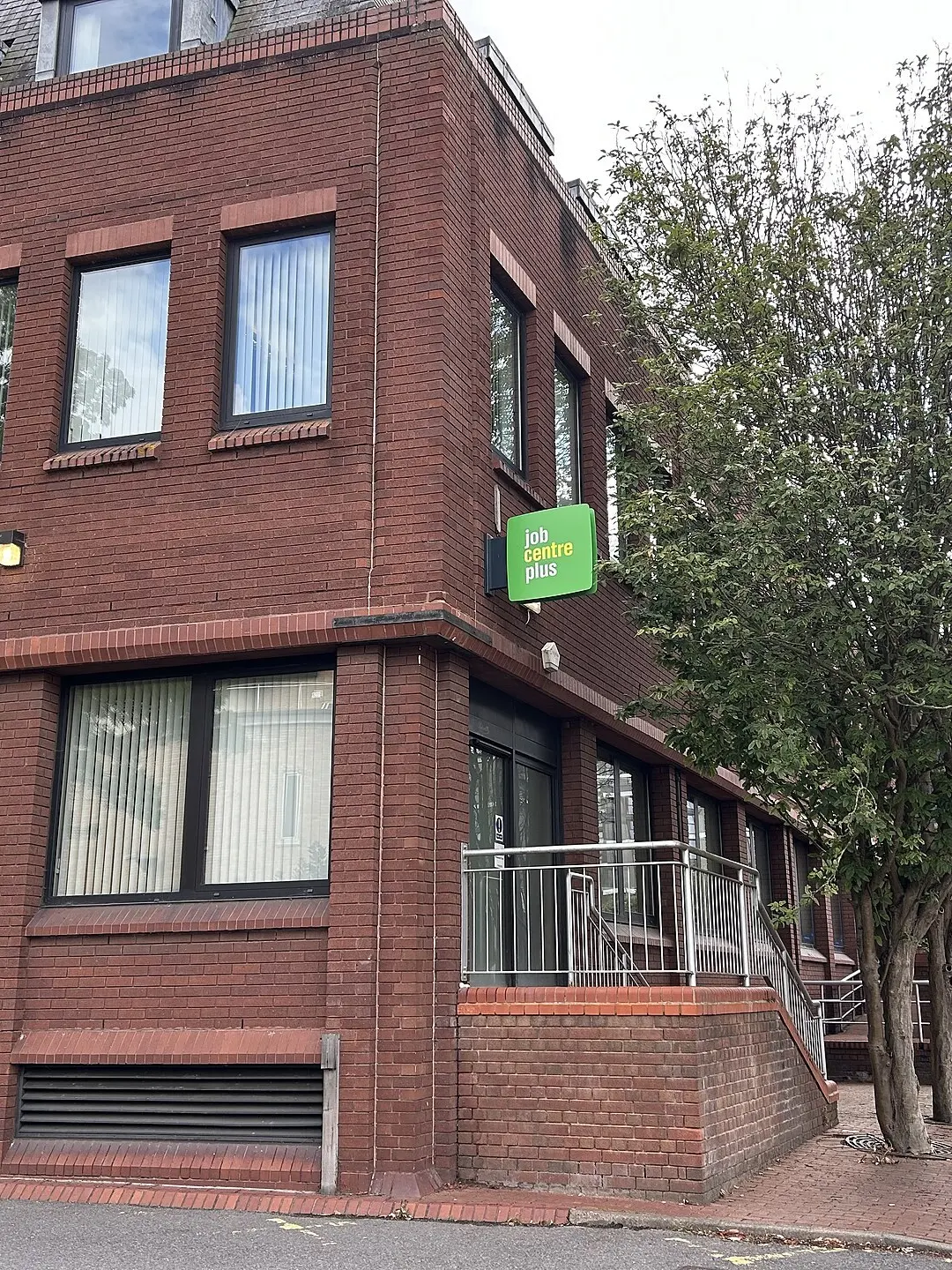 Short, in pictures
Universal Credit: who can claim and how much it pays
6 screens →
Short, in pictures
Universal Credit: who can claim and how much it pays
6 screens →

- Housing Drought: minister lets the Agency take more water to avoid rota cuts
- Travel Jubilee line part suspended to Stanmore after fire alert
- Life A London concert cancelled back in March is still on sale for 4 October — and the full Russian-language listings for October
- Life Russian-language events in London: verified dates to December 2026
- Travel London Tube and TfL closures in October 2026: the Piccadilly line stops entirely at Halloween, and no Tube to Heathrow on 17–18 October
- Jobs & Business From 1 October, right to work checks reach couriers, subcontractors and platform workers
- Money Section 75 and chargeback: how to get your money back in the UK