Showing 96 of 96

Divorce in England: what it costs, how long it takes, and why 'marry an Englishman and take half' is a myth
A scheme discussed in immigrant chats: marry an Englishman, endure a year, divorce — and leave with half his house. Here is how English family law actually works: divorce has been 'no-fault' since 2022 — but no application is accepted before a year of marriage, the process itself takes at least six months and costs £628, money is divided in separate proceedings where no automatic fifty-fifty exists, a short childless marriage yields almost nothing, and a visa tied to the marriage dies with it — the Home Office must be told. Why the habits of the registry office back home do not work here — point by point.

Your First Home: equity loans return to England — 20% from the government with a 2.5% deposit. The new scheme, and every other way to buy for less
On 26 September the government announced Your First Home — the heir to Help to Buy, closed in 2023: first-time buyers will get a government equity loan worth 20% of a new-build's price with a deposit of just 2.5%, and an interest-free initial period. Income and price caps arrive in October's Budget. Here is how the scheme will work, what Help to Buy taught us — and what is available right now: Shared Ownership from a 10% share, First Homes at 30-50% off, the Lifetime ISA with its 25% government top-up, Right to Buy and developer incentives.

Lost property and seized goods in the UK: where finds are stored, where unclaimed items go, and whether they really sell for pennies
A legend every immigrant has heard at least once: somewhere there is a warehouse where forgotten suitcases and confiscated goods sell for pennies, and clever people build businesses on it. We checked the primary sources. Verdict: half true. Transport finds are kept for three months (TfL at Baker Street; Heathrow charges £5 to £25 to return an item), and unclaimed property genuinely is sold afterwards — not under the counter but at official auctions open to anyone: Wilsons Auctions runs dedicated TfL sales and unreserved Police & Government auctions of seized assets. 'Customs confiscate' offered on social media, meanwhile, is always a scam. The whole chain: timescales, addresses, prices and the reseller's taxes.

Martha's Rule in England's hospitals: how to summon a second medical team when someone is getting worse and nobody is listening
In 2021, 13-year-old Martha Mills died of sepsis in a London hospital: her parents saw her deteriorating, told the doctors — and were not heard. The coroner concluded she would probably have survived had she been moved to intensive care in time. Her mother's campaign changed the system: since 2024, hospitals in England operate Martha's Rule — the right of a patient or their family to summon an independent rapid review team at any moment, day or night, over the heads of the treating team. The number is on posters in the hospital. Here is the story — and how to use the right, especially if English is not your first language.

Healthcare in the UK: what the NHS gives everyone for free, what prescriptions and dentists cost, and who pays under the 150% rule
Two myths circulate about British healthcare: 'everything is free here' and 'you can't see a doctor without insurance'. Both are wrong. A GP appointment, the ambulance, A&E and the 111 line are free for everyone — whatever your visa or status — and you can register with a GP without proof of address or right to reside. The pharmacy and the dentist, though, have their own tariffs: a prescription is £9.90 per item, dental work runs £27.90 to £332.10, and visitors who never paid the IHS surcharge get billed for hospital care under the 150% rule. The whole system, with the numbers.

Where to live cheaply in London: boroughs with rents from £1,500 — 2.4 times below Kensington — and what you trade for the price
Average London rent has passed £2,300, and Kensington sits at £3,690. Yet the map has boroughs where the average let is £1,500-1,700 and a house costs £376,000 against London's £550,000 — ONS figures from summer 2026. An honest guide to the affordable belt: what life there really costs, whether the shops are truly 'half price', and what exactly you pay with — time, the view from the window, and more.

A dispute at the currency exchange: short-changed, wrong rate, no receipt — who to call and how to get your money back
A follow-up to our exchange bureau catalogue — the instruction manual for when things go wrong: notes missing from the bundle, the rate on the receipt not matching the board, the receipt that 'ran out', or a counterfeit note among your cash. Scenario by scenario: what can only be fixed at the counter, which number to dial (the consumer helpline, 0808 223 1133), when to involve the police, and how to finish the job with a formal complaint and a small claim.

Currency exchange bureaux in the UK: where the fee hides behind '0% commission', how to check any bureau in a minute — and our verified catalogue
'Best rate in London, 0% commission' is the sign people lose money at most often. Here is how bureaux actually earn, which tricks turn an attractive rate into minus 10%, how to check any outlet against government registers in a minute — and the first level of our catalogue: chains verified against the registers, with banks and the Post Office in a separate list. This is how the 'ONLYWAY.NEWS verified' mark works.

Bank of England banknotes: who is on them, how to check they are genuine, and where to take old paper pounds
There are 4.98 billion notes in circulation worth £91.5 billion, carrying two monarchs at once, a painter, a novelist and the mathematician who broke Enigma — and soon animals will replace them all. Here is the guide to Britain's notes: what is in your wallet now, how to spot a genuine one, why our photos carry a SPECIMEN stamp, and what to do with the old paper twenties you found in a drawer.

London's Royal Parks: what actually happens inside Hyde Park and the other seven — events, dates and what you spend money on
The eight Royal Parks are 5,000 acres of free London: Richmond's deer, St James's pelicans, Hyde Park's concerts and Winter Wonderland, Greenwich's observatory. Entry is free everywhere — but there is plenty to spend on inside, from Serpentine boats to the winter fair's rides. Here is the guide: which park is for what, what happens there through the year, and which of it costs money.

Christmas and New Year in the UK 2026/27: the holiday dates, traditions from London to Scotland, and how not to overspend
The biggest season of the year is coming: school holidays, a four-day Christmas weekend (25-28 December) and a long New Year one. Here is the full guide: the official dates per GOV.UK, what Boxing Day and Hogmanay actually are, where to go — from York and the Lake District to Edinburgh and Belfast — and the real savings: from 1 January the bus anywhere in England is £2 again.

The hotel never returned your deposit: where 'back in three days' is normal, where it is theft — and how to recover your £100-300
A classic story: on top of the room rate they take a deposit at check-in, promise at checkout that it will be 'back on your card in three days' — and the money never arrives. Sometimes it is an ordinary bank hold that never went anywhere. Sometimes it is your money being kept — and there are remedies: a written complaint, a chargeback within 120 days, Section 75 for credit cards, and the small claims court. Here is how to tell one from the other, step by step.

'Russian taxi' in London cheaper than Uber: the saving is real — but only if the dispatcher holds a TfL licence
Russian-language chats are full of 'dispatch services': call, give your flight number — and a Russian-speaking driver meets you at the airport for less than Uber. You genuinely can save this way, with one caveat the size of the law: in London, any minicab is legal only when pre-booked through a TfL-licensed operator. A car without such a booking is, in TfL's own words, 'uninsured, unsafe and illegal'. Here is how to check any dispatcher in a minute, and what a legal ride from Heathrow costs.

Your car got towed in the UK: where to find it, what it costs — and why 'I removed the clamp' and 'I covered the plates' end worse than the fine
The car has vanished from the street: in London you can trace it in a minute via TRACE, but getting it back costs money — since April 2025 removal is £280 plus £55 for every day in storage, on top of the penalty itself. Here is what to do if you were in the wrong, how to get every penny back if you were right, and why the folk 'lifehacks' — removing the clamp or papering over your number plates — turn a parking ticket into a criminal case.

Lost or delayed luggage: what the airline must pay, how to claim and the deadlines you can’t miss
Your case didn’t come off the carousel. What to do at the airport, which purchases the airline should cover, when a bag counts as lost, the maximum under the Montreal Convention, and why 7 and 21 days are the numbers that matter. A guide based on UK CAA rules.

Can’t pay all your debts? Which to pay first in England — and how Breathing Space freezes interest for 60 days
Rent, council tax, energy, credit cards, buy now pay later: when money runs short, the order you pay in decides whether you keep your home and avoid bailiffs. Which debts are priority in England, what happens if you don’t pay council tax, how to deal with energy suppliers and HMRC, and how to get 60 days of Breathing Space for free.

Marriage Allowance: how couples can get up to £1,260 of tax back — who qualifies and how to apply
If one spouse earns under £12,570 a year and the other pays basic-rate tax, HMRC will cut the couple’s tax by £252 a year. Applying online takes minutes, and you can backdate the claim to 6 April 2022. Who qualifies, how to apply for free and when you must cancel.

Lifetime ISA in 2026: how to withdraw without the 25% penalty — and what the new First Time Buyer ISA means
The government adds 25% to savings for a first home — up to £1,000 a year. But withdrawing outside the rules costs 25% of the whole amount, so you lose some of your own money too. This summer the Treasury said the Lifetime ISA will be replaced by a new First Time Buyer ISA. When you can take money out penalty-free, how much an early withdrawal costs, and what existing savers should do.

'Apply to study and the government sends you £25,000 — no need to attend': how Student Finance really works
A 'scheme' is doing the rounds in chats and social media: apply for a course in England, get around £25,000 from the government into your account — and never study. Using the official GOV.UK rules, we unpack where the number comes from, what students actually get paid, why 'take the money and don't study' is criminal fraud, and how the Student Loans Company catches such applicants.

UK visa waiting times in 2026: the official UKVI timelines and how to get a decision in a day
The official UKVI timelines: visitor, student and work visas from outside the UK take 3 weeks, family visas 12 weeks, and most in-country extensions 8 weeks. Pay an extra £500 and a decision is promised within 5 working days; £1,000 buys one by the end of the next working day. Here is when the clock starts, why timelines slip, and when the extra fee is a waste of money.

Corporation Tax in 2026: the 19% and 25% rates, deadlines, penalties and the Marginal Relief trap
In the UK, companies work out their own profit tax — HMRC will never send you a bill. The rate depends on profits: 19% up to £50,000, 25% above £250,000, and a sliding Marginal Relief scale in between. The tax is due before the return, and a late return now costs £200 from day one. Here are the rules, in order.

UK passport in 2026: what it costs, how long it takes and when Europe will turn you away
An adult passport costs £102 online and £115.50 on a paper form, and normally takes up to three weeks. Yet a technically valid passport can still keep you out of the Schengen area: it must be less than 10 years old on the day you enter, and have at least three months left on the day you leave. Here are the fees, the waiting times, the urgent services and the traps that get people turned away at the airport.

Your own Ltd in the UK: £100 and 24 hours to register, £1 shares and 19% tax — what to know before you start
A limited company registers online for £100 and is usually ready in a day — but since 2025 directors must first verify their identity through GOV.UK One Login. The GOV.UK rules: £1 shares, persons with significant control, Corporation Tax at 19–25%, and when a Ltd beats being a sole trader.

A sponsor licence for employers: £611 for small business, a £525 certificate and up to £1,320 a year in charges — how to hire from abroad
Only an employer with a sponsor licence can hire from abroad — including EU citizens who arrived after 2020. The GOV.UK rules: prices for small and large businesses, certificates of sponsorship, the Immigration Skills Charge, the 8-week timeline and the duties that get licences revoked.

Flight delayed or cancelled: up to £520 compensation, a free hotel and refunds — UK passenger rights
A 3-hour delay that's the airline's fault means fixed compensation of £220–£520 per person. From 2 hours — free food and calls; overnight — a hotel. From 5 hours — the right to refuse to fly and get everything back. The Citizens Advice rules, and how to make the airline pay.

VAT for small business: the £90,000 threshold, deadlines, rates and the Flat Rate Scheme — how to avoid paying tax out of pocket
Turnover of £90,000 over any rolling 12 months means you must register for VAT within 30 days; late means paying the 20% yourself. The GOV.UK rules: the zero-rate catch in counting the threshold, when voluntary registration pays, the Flat Rate Scheme up to £150,000 and the £88,000 deregistration threshold.

Home insurance in the UK: buildings vs contents, what a renter needs and how not to lose your payout
Buildings insurance covers the structure and is compulsory with a mortgage; contents covers what's inside — and it's the only policy that matters for a renter, because the landlord's never covers your things. Citizens Advice rules explained: new for old, the excess, rebuild cost vs market value, and where to complain.

Working for yourself in the UK: register by 5 October, sole trader taxes in 2026 and HMRC's digital rules
Started working for yourself in 2025/26? You must register for Self Assessment by 5 October or risk a penalty. The HMRC rules: the £1,000 threshold, 6% and 2% contributions, a free pension record from £7,105 of profit, and the Making Tax Digital quarterly updates already mandatory above £50,000.

Skilled Worker visa in 2026: the £41,700 threshold, who qualifies at £33,400, what it costs and how to bring family
The UK's main work visa in 2026: a salary threshold of £41,700 or your job's going rate, discounts down to £33,400 for the young and shortage occupations, English now at B2, fees from £819 plus £1,035 a year for the NHS. The GOV.UK rules on who qualifies, what it costs and which family members can come.

TV Licence in 2026: who needs one, the £180 fee, who watches free — and the £1,000 fine
Netflix and YouTube need no licence — but live TV on any channel, even a foreign one over the internet, and BBC iPlayer do. From 1 April 2026 a TV Licence costs £180. The GOV.UK rules explained: house shares, students, the free licence for over-75s, instalment plans and how to cancel legally.

Wills, inheritance and probate in the UK: who inherits without a will, the £325,000 threshold, 40% tax and a £526 probate fee
With no will, the law in England and Wales decides who gets what — and an unmarried partner gets nothing. From the primary sources: the £322,000 statutory legacy for a spouse, two witnesses and why marriage cancels an old will, the £526 probate fee, 40% above £325,000, the seven-year rule on gifts, and what changes for pensions on 6 April 2027.

How to get your money back through the courts in England: claims online from £35, a £10,000 small claims limit and free mediation
A landlord kept your money, a tradesman took a deposit and vanished, a friend will not repay. In England and Wales the process is still called the small claims court and it is built for people without lawyers. From GOV.UK and the statute: time limits, fees, fee remission, compulsory free mediation and what to do when you win and they still do not pay.

Running a car in the UK: vehicle tax, MOT and insurance costs and penalties in 2026
Vehicle tax of £200 a year, an MOT capped at £54.85, an £80 fine for no SORN, £100 for an uninsured vehicle and up to £1,000 for driving without an MOT. Every figure and deadline a car owner needs, from GOV.UK.

Damp and mould in a rented home: what the landlord must do, and in how many days
In social housing the deadlines are in law: 24 hours for an emergency, 10 working days to investigate damp, 3 days for a written summary, 5 for the safety work. Private renting has no day counts — but it has a free council inspection and the courts. A guide for the heating season.

Free childcare in England in 2026: 30 hours from nine months, the income tests and the 31 December deadline
To have the hours start on 1 January you need the code by 31 December. Here are the three schemes, the £2,643.68 three-month earnings test and the £100,000 ceiling, the National Insurance and no recourse to public funds rules — and the separate 15-hour route for families with no access to public funds.

NHS dentist costs in England in 2026: £27.90 for a check-up, £332.10 for a crown — and how to get an appointment
NHS dental charges do not depend on how many procedures you have: there are three bands — £27.90, £76.60 and £332.10 — and you pay only for the highest one. What each band covers, why you cannot register with a dentist, who to call in pain, who is treated free, and the tick-box that brings a £100 penalty.

Sick pay in the UK in 2026: paid from day one, up to £123.25 a week
Since 6 April 2026 the three unpaid waiting days are gone and the earnings threshold has been scrapped: SSP is available to every eligible employee. The rate is 80% of average weekly earnings or £123.25 a week, whichever is lower, for up to 28 weeks. Who qualifies, when you need a fit note, what the self-employed can claim and where to complain if an employer refuses.

How to return goods in the UK: 30 days for faults, 14 days for online orders, and chargeback when the shop says no
The law gives you 30 days to reject faulty goods for a full refund and 14 days to cancel an online order without giving a reason. For the first six months the retailer must prove the fault was not there at purchase. If the shop refuses, the bank pays: Section 75 on credit cards from £100 to £30,000 and chargeback within 120 days on debit cards. A step-by-step guide.

Your rent is going up: how to challenge it for £47 — and why the tribunal can no longer set it higher than the landlord asked
Since 1 May 2026 rent in England can be raised once a year, by form 4A notice with two months' warning. Challenging it costs £47, and the application must be in before the new rent starts. The key change: the tribunal cannot award more than the landlord proposed, and a revenge eviction under section 21 is no longer possible.

Parking fines in the UK: how to appeal a PCN for free — and why a private ticket is not a fine
A council penalty charge notice in London costs £160 or £110, halved if you pay within 14 days; outside London the cap is £70. A private company's notice is not a fine at all but a contract invoice: capped at £100, with up to £70 added for debt recovery. Both can be challenged free of charge, but the deadlines are strict: 14 days to the council, 28 days for formal representations, 28 days to the tribunal.

Child Benefit: £27.05 a week per child — and why you should claim even if you have to pay it all back
Child Benefit is paid regardless of income: £27.05 a week for the eldest child and £17.90 for each additional one — £1,406 and £2,337 a year for one and two children. But the money is not the point: the claim automatically credits one parent with National Insurance towards the state pension until the child turns twelve, even if they opted out of payments. One warning: under a no recourse to public funds condition you must not claim.

How to complain about a bank, energy supplier or water company in the UK — and get compensation
Complaints here run on a clock: a bank has 8 weeks to reply, a telecoms provider 6, a water company 10 working days at each of two stages. Miss the deadline or fob you off, and an ombudsman takes the case for free — with a decision the company must honour. Who covers which sector, what to put in the letter, and why big purchases belong on a credit card.

How to get your tenancy deposit back in the UK: if it was never protected, the court must award you at least its value
A deposit must be placed in one of three government-approved schemes within 30 days, with the prescribed information sent in the same window. Checking takes two minutes and costs nothing. If it was never protected, the county court must award between one and three times the deposit, and you have six years to claim. Since 1 May 2026 an unprotected deposit blocks the possession order itself.

Made redundant in the UK: how much you are owed and what to do if you are on a work visa
The statutory maximum is £22,530: £751 per week of service, up to 20 years, and only after two years in the job. The first £30,000 is tax free. And if you are on a Skilled Worker visa, redundancy leaves you 60 days or the remainder of your visa, whichever is shorter. Here is what you are owed, by when, and where to get free advice.

Free school meals: from this year every family on Universal Credit qualifies — but you have to apply
The £7,400 threshold has gone and meals are available to any family on Universal Credit. That is £475–£570 a year per child you stop paying. How to apply, what else the entitlement unlocks, and what will be banned from school menus in 2027.

Your mortgage fix is ending: how to lock a rate six months early and avoid the SVR
Bank Rate is 3.75%, but newly drawn mortgages cost 4.45% in July and the whole outstanding stock 3.97%. When a fix ends, the lender moves you onto its standard variable rate by default — almost always the most expensive option available. Under the Mortgage Charter you can reserve a new deal six months ahead and swap it for a better one if that appears before it starts.

Moving to the UK in 2026: visas, real costs and what has changed
A guide built from primary sources: which visa you need to work, what the move actually costs, where to enrol biometrics from Russia and Belarus, and whether settlement really now takes ten years.

The whole hall stands and sings Rule Britannia: what the Proms are and how to get in for £8
On 12 September the eight-week festival closed at the Albert Hall — 86 concerts and three thousand musicians. A standing ticket to any of them costs eight pounds and goes on sale at 9:30am the same day. Here is the Last Night ritual, explained and made usable.

A thousand deer forty minutes from central London: what the rut is and why you must not approach
From late September to early November the rut runs in Richmond Park and Bushy Park. Free to watch, but fifty metres is safety, not courtesy. Plus where London's autumn colour is and how to get into Kew for £10.

Autumn in London's museums: what closes, what opens and how not to overpay
Whistler goes on 27 September, Dadd on 25 October, Schiaparelli on 8 November. Es Devlin, the 90s at Tate and Agatha Christie arrive. Dates, prices and four ways to pay less.

The Bayeux Tapestry in London: 70 metres, 1066 and £33 tickets that are already gone
The British Museum has brought the Norman Conquest embroidery to Britain for the first time in almost 900 years — and everything is sold out until January. What is on show, what it costs, the rules, and what to look for on the cloth.

Britain's autumn sky: a calendar of meteor showers, supermoons and dark nights
From 23 September to 22 December: six meteor showers in a row, two supermoons and the clock change that brings darkness by five in the afternoon. Dates, the best nights, dark sky sites and what to take.

The National Insurance number: how to get one, how long it takes, and working without it
An NI number is not permission to work and not a tax number in the usual sense. It is the key the state files your contributions under, and your State Pension and some benefits depend on it. It is free, it takes up to four weeks, and you can work while you wait.

London on Sunday 13 September: what is free and what you pay for
Open doors across the city, a free wellness festival at Wembley, Korean barbecue in the Olympic Park, classic boats by Tower Bridge and the Hampton Court gardens. Here is what cost money that day and what did not.

The UK State Pension: 10 years, 35 years and an age of 67 — how it is actually counted
The full new State Pension in 2026/27 is £241.30 a week, about £12,548 a year. It is not paid to everyone and not automatically: you need at least 10 years of contributions, usually 35 for the full amount, and from April the pension age started climbing from 66 towards 67.

HC 584: what changes in the UK Immigration Rules from 8 October — a breakdown by date and route
The Home Office has laid another package of amendments before Parliament. It carries four commencement dates, a dozen affected routes, and one significant piece of news about what is not in it. Here is what changes, who it touches, and which amendments come with transitional protection — and which do not.

What to do in London on 12–14 September: Open House, the Design Festival and ten more free things
Two large festivals open on Saturday: Open House unlocks buildings that are normally shut, and the London Design Festival runs for the twenty-fourth time. Plus a rowing race up the Thames, a flotilla by Tower Bridge, the Hampton Court gardens for nothing, and Korean barbecue in the Olympic Park. The full weekend listing, with the free things marked.

The Fourth Plinth: who gets there, how, and for how much
The programme costs £1.03m over three years and about £230,000 per commission: a £30,000 artist fee and £200,000 for production — a fixed sum, not a ceiling. Three selection stages, maquettes shown at the National Gallery, a specialist panel decides and there is no public vote. The full list of works since 1999, and an honest answer to why not everyone gets there.

Opening the sport section: where the Premier League, the WSL and the cricket stand, and what you need to follow the conversation
Three rounds in: City and Arsenal on 9 points, promoted Hull City third. England took World Cup bronze beating France 6–4; Spain are champions. The Women’s Super League has grown to fourteen clubs. The cricket season ends on 27 September. How the English pyramid works, why 3pm Saturday matches are not televised, and what you can watch for nothing.

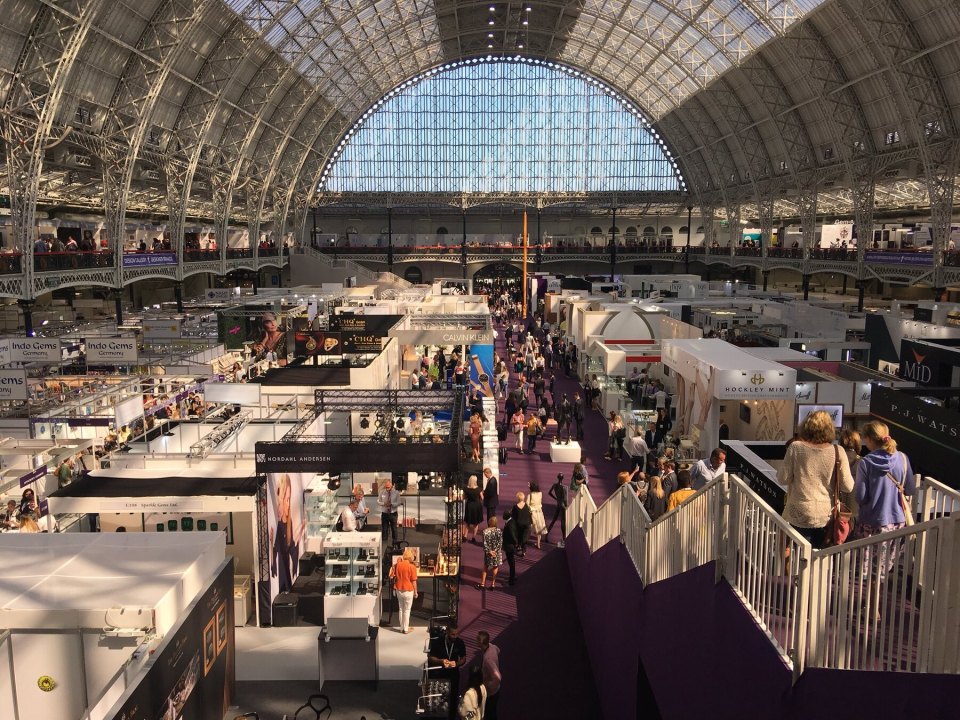
London trade shows: Olympia and ExCeL, what is on this autumn, and how to get in free
The trade show is the most underrated free resource a small business has: suppliers, wholesale prices and customers in one hall. The full Olympia and ExCeL calendar from September to November, from Top Drawer and Speciality Fine Food to World Travel Market and The Business Show. Plus the key fact: almost every B2B show is free if you register in advance.

The pint after work, Friday, Saturday and Sunday: the unwritten rules of British life
Why people go to the pub to sit rather than to drink, what a round is and why you cannot skip it, where POETS day comes from, why the main match is not on television at three on a Saturday, how many hours you actually have to shop on a Sunday, and how the North differs from the South and Scotland from Wales. Plus seven rules that save a newcomer a year.

AI by the numbers: what it is worth, what it runs into, and why "which shares should I buy" is the wrong question
Nvidia at $5.45 trillion and first in the world. Anthropic valued at $965bn against OpenAI at $852bn — but one is profitable and the other loses more than a dollar per dollar earned. Growth runs into electricity, not ideas: 140 British projects are waiting for a grid connection, some for up to fifteen years. What AI does well, where it invents, how politicians know about shares, and why the honest answer on investing sounds dull.

Changing money and sending it abroad from Britain: where the cost hides and what to check
The fee is not the biggest cost — the real money goes into a spread nobody displays. How to work out what an exchange truly costs, why you should never be billed in pounds abroad, why non-bank services carry no FSCS protection, and the honest position on transfers to Russia and Belarus.

Universal Credit: who can claim, what it pays, and why many people must not apply
The standard allowance runs from £338.58 to £666.97 a month, savings are capped at £16,000, and every £1 earned cuts the payment by 55p. But first things first: most visas carry a no recourse to public funds condition, and claiming without the right damages your visa. How to check your condition and what to do if you have no right to claim.

Going self-employed in the UK: registering, your UTR and what you pay in 2026
Register if you earned more than £1,000 in a tax year, and tell HMRC by 5 October. Class 2 is no longer compulsory; Class 4 is 6% and 2%. Unregistered subcontractors lose 30% instead of 20%. From 6 April 2026, turnover above £50,000 means quarterly reporting. And the part that catches people out: a Student visa bars self-employment, while a Skilled Worker visa allows 20 hours a week.

Schengen biometrics explained: how EES works, when ETIAS arrives, and what Britain does instead
Since 10 April 2026 EES has run at every Schengen border: no stamps, fingerprints and a facial image instead. ETIAS is expected in Q4 2026 — €20 for three years. British status does not exempt you from EES, and Britain itself requires a £20 ETA. Point by point.

Council tax in 2026/27: what you pay, who pays less, and what happens if you fall behind
The average Band D bill in England is £2,392 a year. A 25% single-adult discount, 50% and full student exemptions, and the separate Council Tax Reduction scheme — none of it applies automatically, only on application. And seven days after a missed payment, the whole year becomes due.

Driving in the UK on a foreign licence: exchange rules, tests and costs in 2026
An EU licence is valid until you are 70, a Ukrainian one for 36 months, and a Russian, Belarusian, Kazakh or Moldovan one for just 12. Which countries can exchange without tests, who must sit theory and practical, what it costs, and where people lose time.

Digital currency explained: the pros and cons of the digital rouble, euro and pound
There is no exchange rate for a digital currency and never will be, nobody is being made to convert their money, and cash is not being abolished. Smart contracts for controlling earmarked spending, on the other hand, are real and documented. What already works in Russia, when the digital euro and pound arrive, and which fears have substance.

Settlement in the UK: what ILR really is, and why the qualifying period may double
UK law has no "residence permit" or "permanent residence" — it has time-limited leave, indefinite leave to remain (settlement) and citizenship. ILR usually comes after 5 years of work, with English at B1, a £50 Life in the UK test and a £3,226 fee; citizenship a year later, at £1,839. Two continuous years abroad and ILR lapses. And the qualifying period is set to rise from 5 years to 10, promised for autumn 2026 and stated to be retrospective.

Renting in London 2026: what a flat costs and what deposit is legal
What renting in London actually costs, on the latest ONS figures: £2,317 a month in the capital, £1,451 across England, £1,393 UK-wide. By law the deposit is capped at five weeks’ rent and the holding deposit at one, and it must be protected within 30 days. Agreement fees, reference checks and inventories are not yours to pay.

UK visitor visa step by step 2026: timing, cost, biometrics and how long it takes
Russian, Belarusian, Ukrainian, Kazakh, Armenian, Georgian and Moldovan nationals need a visa, not an ETA. You can apply no earlier than three months before travel; £135 for six months, and the fee is not refunded even on refusal. Your passport comes back the same day, a decision usually takes three weeks, and a refusal cannot be appealed.

England, Britain or the UK: the difference, and where it costs money
England is one of four countries; Great Britain is an island with three of them; the state is the United Kingdom, and UK is what goes on your forms. There is no "England visa" — it works in all four. But prescriptions cost £9.90 an item in England and nothing in the other three, and Scotland runs its own six-rate income tax scale.

Starting out in Britain: nine guides checked against the public registers
A bank account without proof of address, a credit record from zero, a free NHS interpreter, the home rate for university, school after VAT, work and pay, and doctors and restaurants checked against the registers. All of it in one place, in the order in which the questions come up.

Working in England 2026: what jobs pay, what you keep, and how the work visa actually starts
The minimum wage in England is £12.71 an hour by law; median full-time pay is £39,039 a year, worth about £2,630 a month after tax. You can start work before your National Insurance number arrives, but never without the right to work. And the Skilled Worker visa starts with a sponsoring employer: £41,700 or your occupation’s going rate, whichever is higher.

Inviting family to Britain: there is no minimum balance, and UKVI will not look at your hotel or flight bookings
The British Embassy published cards on the finances behind a visitor visa; we checked every claim against the Immigration Rules and the Home Office caseworker guidance. There is no set level of funds in the requirements, there is no "6 months in 12" rule, and a visitor refusal carries neither appeal nor administrative review. Plus the full official list of fifteen documents a caseworker is told not to consider.

Food in Britain: where it is genuinely cheaper, and the money you may not be claiming
Yellow stickers on a timetable are a myth, and four of the big chains confirmed it. Meanwhile free school meals now go to every family on Universal Credit whatever their income, the old Household Support Fund has closed and been replaced, and community fridges hand out food with no voucher and no means test.

Where to buy the food you grew up with in London: Russian, Ukrainian, Polish and Baltic shops
Curd cheese, soured cream, buckwheat, salo, borodinsky bread, dumplings, caviar, Georgian wine. We checked every address against the shops' own websites and the government's Food Standards Agency register — and listed separately the ones that did not check out.

Eating like home in London: 16 addresses checked against the hygiene register
Russian, Ukrainian, Georgian, Uzbek, Lithuanian, Armenian, Azerbaijani and Moldovan cooking — with addresses, phone numbers, opening hours and a food hygiene rating carrying the date it was awarded. Two honest findings: not one venue promises on its website that Russian is spoken, and live music in Russian has all but disappeared after the main venue closed.

Russian-speaking doctors and clinics in London: eight addresses checked against the registers
Every clinic checked against CQC, every named clinician against the GMC and GDC, every legal entity against Companies House. Where Russian really is spoken, where only the website has been translated, and why a chain advertising sixteen locations is registered for four. Plus one clinic that is not on the list, and how to check such a place yourself.

Applying, rankings and school for a child: the 2027 cycle dates and the cost after VAT
The personal statement is no longer an essay but three questions inside 4,000 characters. The equal consideration deadline is 13 January, not the 15th that older articles print. Most of the rankings people choose by are commercial, and only two official quality measures exist. And a private boarding place now costs around £54,000 a year — with the arithmetic behind that figure.

Credit history from zero, cards at 35%, and sending money home: what works differently from what you were told
A foreign credit record does not travel, and the standard advice to register to vote is simply unavailable to a large group of people — for whom there is another technique. Also: what a first card really costs, why the advertised rate is not yours, how Section 75 makes the bank liable for the seller, and what actually happens with transfers to Russia — not prohibited by law, but closed off by banks.

Studying in Britain in 2026: who pays £9,790, who pays £70,000, and three dates you cannot miss
The gap between home and international fees runs to seven times, and it is decided by three years of residence rather than by citizenship — and you need not have held settled status for all three, which is the part most often misread. Plus: the visa maintenance figure rises on 30 November, the Graduate route drops from two years to eighteen months on 1 January, and Chevening closes on 6 October.

An NHS interpreter is free — and you can register with a GP without a single document
We checked the most common beliefs about the NHS against primary sources. The practice must book the interpreter, and nobody under 16 may do the job. Registering with a GP needs no passport, no address and no immigration status, and a refusal must be explained in writing within 14 days. And five minutes on the GMC, GDC and CQC registers separate a real doctor from a good-looking website.

UK law does not require proof of address — and nine banks must open you a basic account
Checked against the rules themselves rather than the banks' websites: nine designated banks must open a basic account within 10 business days, the grounds for refusal are a closed list, and neither a poor credit file nor a missing address is on it. What to bring instead of a utility bill, where £120,000 of protection applies and where none does, and what changed on 28 April 2026.

London listings: where Russian-speakers can go — theatre, concerts, stand-up and exhibitions
Where to go in London if you speak Russian: upcoming events and the regular venues our readers use — theatre, classical and jazz, Russian stand-up, exhibitions and events for children. Plus what to catch before the end of September: Buckingham Palace closes on the 27th. With dates, prices and links; we keep this updated.

Car owners in Britain: tax, charging zones, parking, buying, scrapping and the truth about “free” cars
How much road tax costs and why electric cars now pay too, ULEZ and the Congestion Charge, where to park without a fine, how to buy and sell safely, how to scrap and get paid, and why “free abandoned cars” is a myth. With the real cheap options.

Housing in Britain: mortgage or rent, what to do with no income, and how to avoid a dishonest agent
Mortgages and how much deposit you need, why UK developers rarely offer instalment plans, shared ownership, renting without a UK income or guarantor, the new 2026 rules, and how to spot a scam in the housing market.

Mobile and home internet in Britain: how to pay less and avoid roaming rip-offs
SIM-only instead of a contract, cheap networks, free EU roaming for trips home, social tariffs from £10–12 for people on benefits, and how to switch provider without losing out. With useful apps.

How to fly Europe cheaply — and what to do if your flight is cancelled or you are bumped
Tickets for £10–20, cabin bag only, flight subscriptions and — most importantly — your rights: a refund, rerouting, care at the airport and compensation of up to £520. With links to the CAA and the EU rules.

Transport in Britain: how to pay less, concessions and what to do when it breaks down
Contactless and caps instead of tickets, the bus Hopper, off-peak, a Railcard for a third off, free travel for residents and what to do during strikes. With links to TfL and National Rail.

Health in Britain: how to register with a doctor, what is free on the NHS and free medicines
How to register with a GP, what the NHS gives everyone for free, and who does not pay for medicines. With links to official NHS services.

Free English in Britain: who qualifies for funded courses and where to enrol
England has government-funded English courses for adults (ESOL). Here is who can study for free, what you will be asked at enrolment, and where to find classes.

What we built for readers in September: seven free services
A deadline calendar, right to rent and right to work checks, the sanctions list, fuel prices, classifieds translated into both languages and a bot that posts from your phone. All free, no registration.

The UK ETA: a £20 travel authorisation, explained
Visitors who do not need a visa now need an Electronic Travel Authorisation: £20, valid for two years, usually decided in minutes. British and Irish citizens and holders of UK status are exempt.

Soviet Underground: the eighties Red Wave, played live in London
A London collective reviving the Soviet underground — Kino, Nautilus Pompilius, Zoopark, Zvuki Mu. They play Dalston on 12 September with free entry, Brighton on the 13th.
Nothing found. Adjust your query or dates.