Money
Money in Britain: what banks require to open an account, how transfers and fees work, credit and debt, benefits, and where saving actually pays.
Cold Weather Payment: £25 for each seven-day freeze from 1 November, paid automatically
From 1 November 2026 to 31 March 2027 you get £25 for each seven-day period when the average temperature in your area is zero or below. It is paid automatically, but only on four qualifying benefits.
Junior ISA: £9,000 a year tax-free, and the child gets it at 18
A children's savings account with no tax on the income. Anyone can pay in, the child takes control at 16 and can withdraw at 18, and you cannot hold one alongside a Child Trust Fund.

Universal Credit advance: same-day answer, 24 months to repay, 3-month deferral
The wait for a first Universal Credit payment can be bridged with an advance. The most you can get is your first estimated payment, you usually hear the same day, and it comes out of future payments.

Gaps in your National Insurance record: £18.40 a week and only six years back
Gaps in a National Insurance record cut your future State Pension. Voluntary contributions can fill them, but only for the past six years and not always to your advantage. Here are the 2026/27 rules and rates.
Boiler Upgrade Scheme: £7,500 for a heat pump and who is refused
The scheme pays £7,500 towards a heat pump, £5,000 towards a biomass boiler and £2,500 towards an air-to-air heat pump. Off the gas grid there is an extra £1,500 until March 2027.
Disabled Facilities Grant: up to £30,000 from your council
A Disabled Facilities Grant pays for ramps, a stairlift, a level access shower or an extension. It does not have to be repaid and will not affect your benefits — but do not start work before approval.
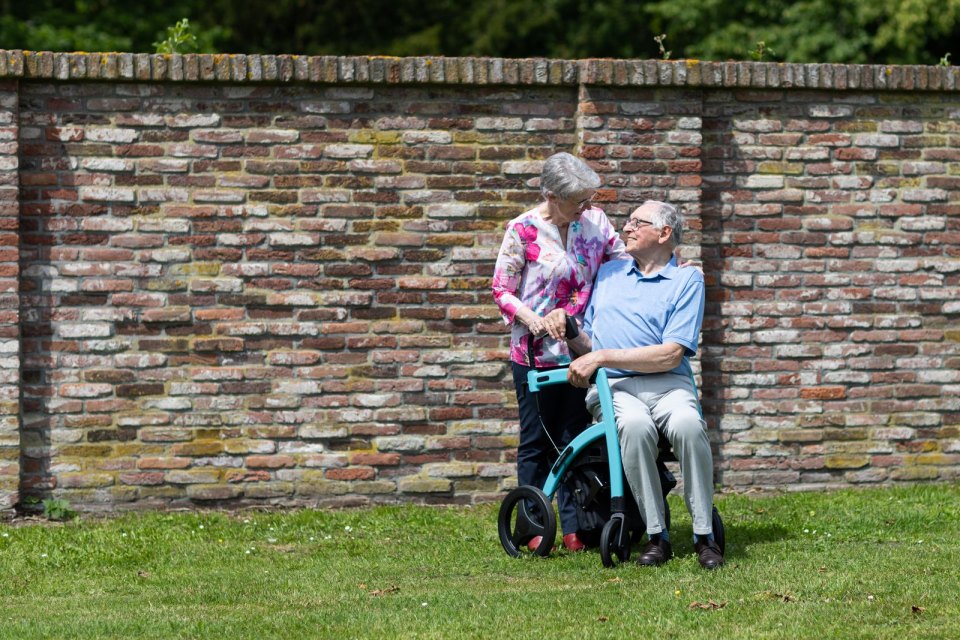
Who gets carer money back?
The UK is reassessing old Carer’s Allowance overpayments caused by flawed guidance on irregular earnings. By September 2026 about 100 carers had received refunds and about 100 had debts reduced. Here is who is covered and why no separate application is needed now.

Help with funeral costs: up to £1,000 on top of the cremation, and £300 for a child’s coffin
Funeral Expenses Payment meets cremation, burial plot and moving the body, plus up to £1,000 for everything else. A separate fund for children ignores income entirely. You have 6 months to claim.
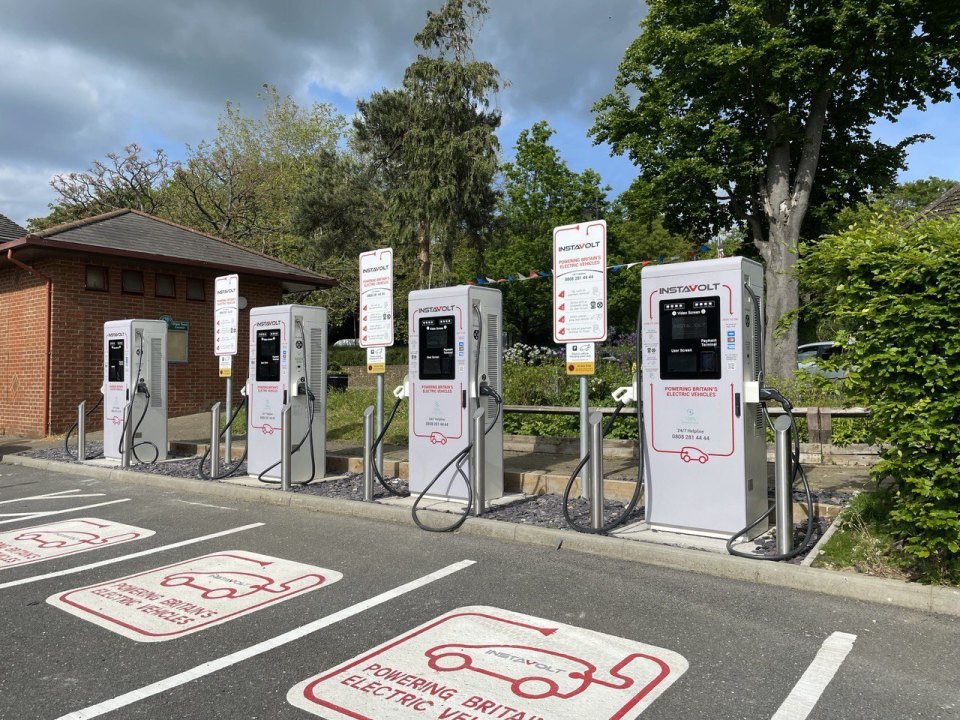
Who could access your energy data?
The UK government is consulting on rules for sharing energy usage and tariff data with authorised services when a consumer chooses to do so. These are proposals for England, Scotland and Wales, not rules already in force. Households and small businesses can respond by 8 January 2027.
 ONLYWAY NEWSLIVEJobs & Business · 17.10London Living Wage rises to £15.45 an hourMoney · 17.10Cold Weather Payment: £25 for each seven-day freeze from 1 November, paid automaticallyMoney · 16.10Junior ISA: £9,000 a year tax-free, and the child gets it at 18Immigration · 16.10Immigration Health Surcharge: £1,035 a year, £776 for students, 10 days to top upLife · 16.10What to do this weekend, 17-18 October: the film festival's last days, new releases and free exhibitionsTravel · 16.10Lost your passport abroad: an emergency travel document costs £125 and takes two daysMoney · 16.10Universal Credit advance: same-day answer, 24 months to repay, 3-month deferralLife · 16.10Penalty points: 12 in three years and the court can ban you for six monthsHousing · 16.10EPC explained: ratings A to G, valid 10 years, and fines for letting below EHousing · 16.10Right to Buy: a discount of up to 70% — but only £16,000 in most of LondonONLYWAY NEWS · appInstall the ONLYWAY NEWS appFresh UK news, classifieds, key dates and exchange rates on your home screen, one tap away. Free.NewsClassifiedsCalendarRates
Car finance payouts face February court hearing
The legal challenge to the UK car finance compensation scheme will be heard on 16–26 February 2027. Lenders do not yet have to calculate or pay compensation under the scheme. Concerned borrowers can complain to their lender directly and free of charge now.

CMA fines three firms £6m over fake deadlines and pre-ticked boxes
Wayfair pays £4.8m for false countdown timers, Appliances Direct £1.2m plus £432,000 in refunds for auto-added paid extras, and Gold’s Gym £45,000 for a hidden joining fee.
Energy bills: 40% still struggle to pay — what households can do
An Ofgem survey found 40% of respondents were keeping up with energy bills but struggling, while 4% were behind. The February–March findings were published on 14 October. Here are practical options for getting help and comparing tariffs.

PIP: £76.70 or £114.60 a week and who can claim it
Personal Independence Payment helps with the extra living costs of a long-term illness or disability. It is not means-tested, it is tax free and it is paid alongside almost every other benefit. Here are the rates, the closed list of tasks you are assessed on and how to claim.
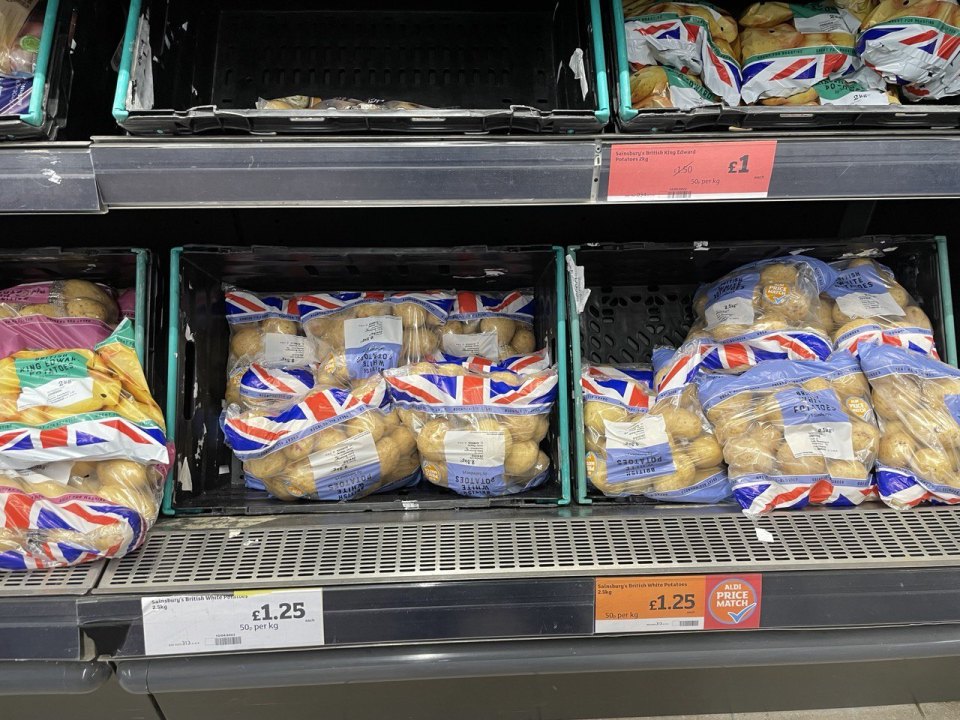
The Healthy Start card: money for milk and vegetables in pregnancy and under-fours
The NHS tops up a prepaid card with £4.65 or £9.30 a week for milk, fruit and vegetables. Here are the eligibility rules, how to apply, the payment limits and the full list of what the card will not buy.
 ADV · A003We build websites for tradespeople and sole traders — £219Customers see your work and prices and message you straight away. Ready in 3 days, £219 instead of £438.Advertise here
Money after a partner dies: what is paid and why the first three months decide it
Bereavement Support Payment is £3,500 plus 18 payments of £350 at the higher rate. Only a claim within three months brings the full amount; after 21 months there is nothing.
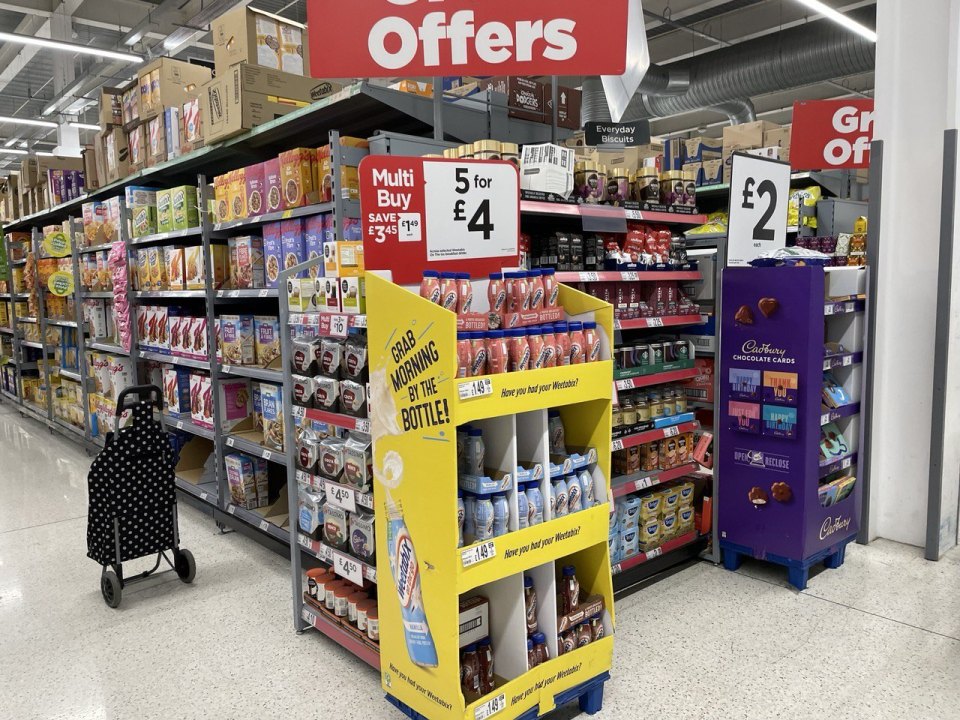
DWP posts 660,000 leaflets: pensioners reminded about £4,500 a year
The Department for Work and Pensions has launched a new Pension Credit push. Leaflets go to seven areas with many low-income pensioners: the top-up is worth more than £4,500 a year on average, yet around a million people who qualify do not claim it.
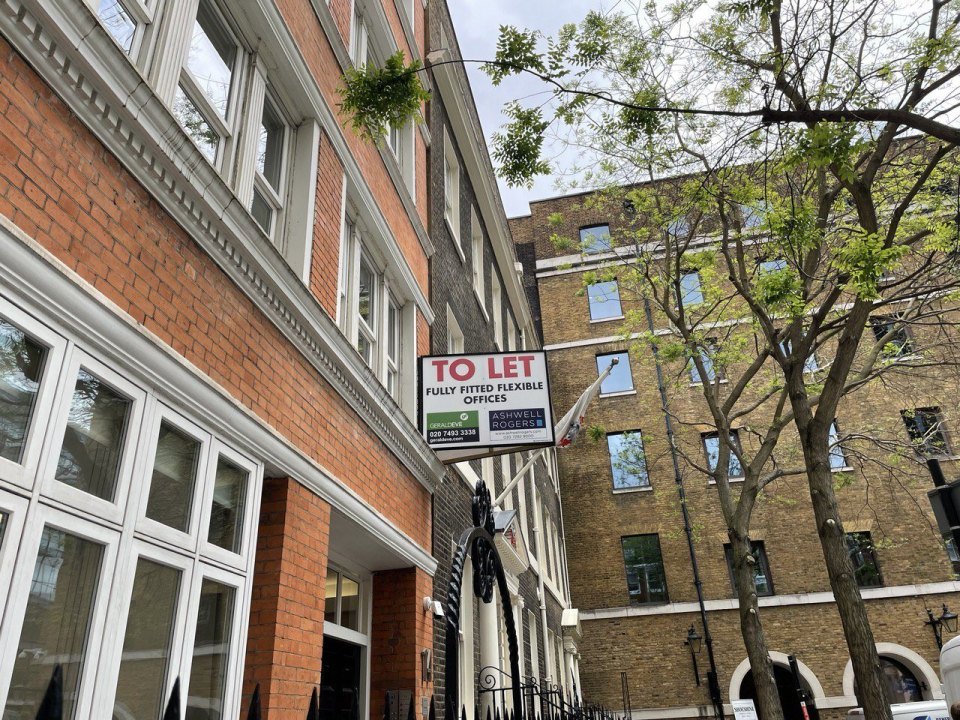
Council tax: four legitimate ways to cut your bill
Council tax arrives in full until you claim a discount. People living alone get 25%, all-student households pay nothing, disability moves the property a band down, and an income-based reduction can take the bill to zero. Here are all four mechanisms and who qualifies for them.

Attendance Allowance: £76.70 or £114.60 a week, and who can claim
Attendance Allowance is for people at State Pension age who need help or supervision because of illness or disability. Income and savings are irrelevant, you do not need a carer, and the rates are £76.70 or £114.60 a week. Here are the conditions, the deadlines and how to claim.
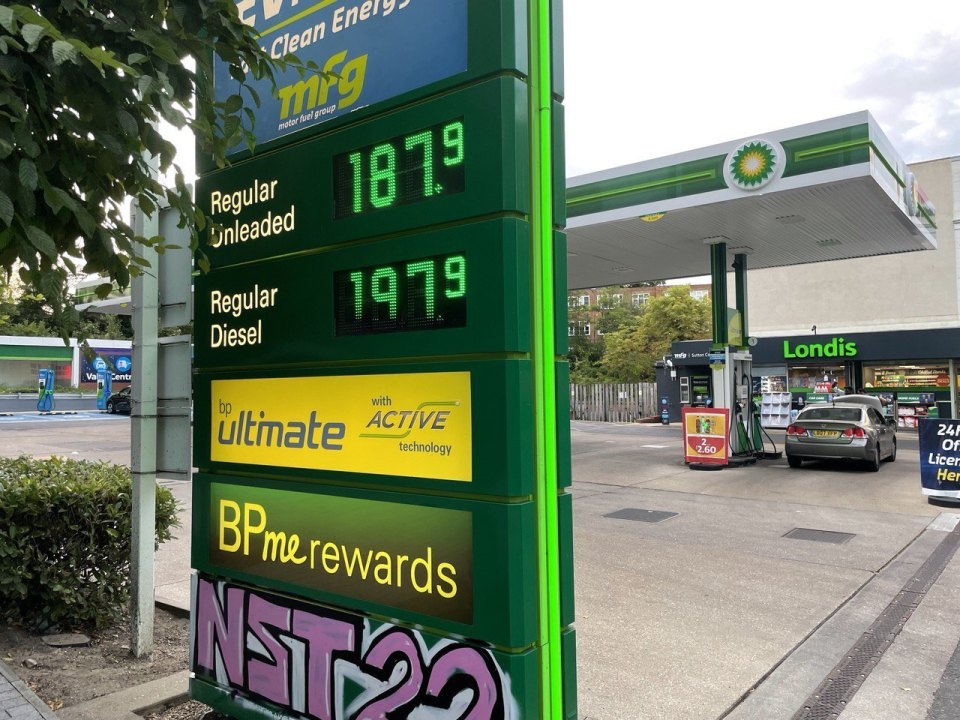
UK to regulate the heating oil market for the first time: what 1.5m homes get
The government has accepted the CMA's recommendations: supplier authorisation, a mandatory code of conduct and dispute resolution. No price cap, and no deadline yet.
 ADV · A001ONLYWAY JEWELRY — gold, silver and platinumRings, chains, bracelets, earrings and pendants. Delivery across the UK.Advertise here
Council tax in England: 63 days before you lose the right to pay in instalments
From April 2027 councils in England must send a reminder and a final notice before demanding the rest of the year's council tax in one go. At least 63 days will pass between the first missed payment and losing the right to pay in instalments.

London to Moscow parcels: RusPost checked for prices, competitors and risks
RusPost offers Russian-language shipping from the UK to Russia and CIS markets. We checked the company, priced a 2 kg parcel and reviewed its contract, insurance, sanctions exposure and alternatives. The service is convenient but not unique, and several terms need written clarification before payment.

Cost-of-living help in London: emergency payments, free home upgrades and discounts
City Hall has updated its central guide to help with living costs. Here is where to request an emergency payment, how eligible households can receive home improvements worth up to £30,000, and where to find social tariffs, emergency food and travel discounts.
Carer's Allowance in the UK: £86.45 a Week and the £204 Earnings Limit
Carer's Allowance pays for 35 hours of care a week and ignores your savings. But earning over £204 wipes out that week's payment, and the person you care for loses their severe disability premium.
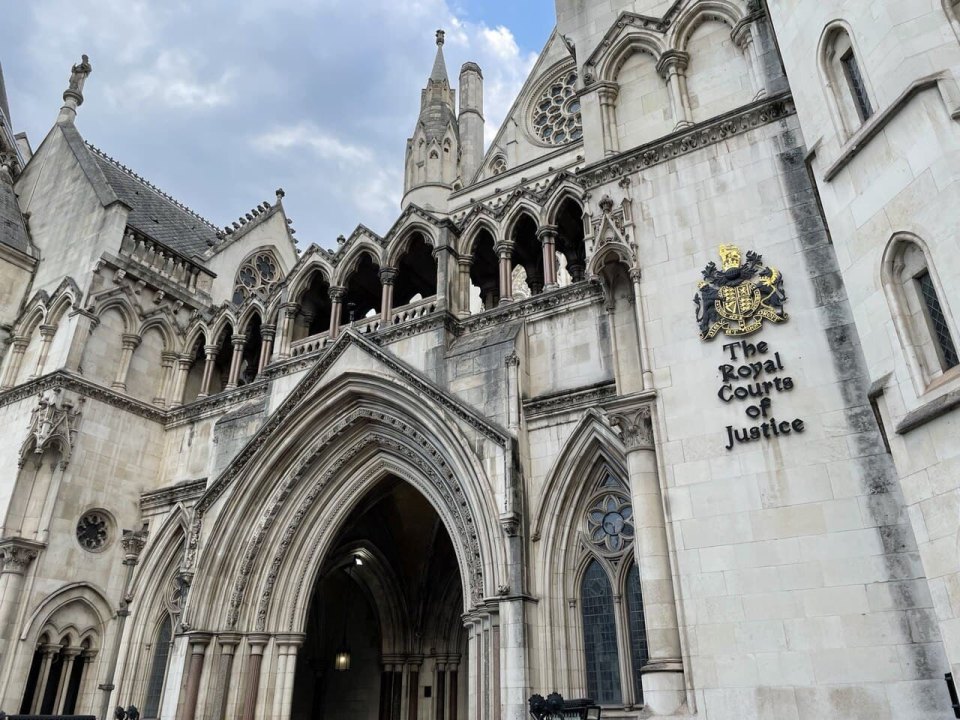
How to challenge a DWP decision: mandatory reconsideration, form SSCS1 and the tribunal
A refused benefit can be challenged twice, and both stages are free: first the DWP must look at its decision again, then the case goes to an independent tribunal. Here are the one-month deadlines, which SSCS form to use, who sits on the panel and what travel costs are paid back.
ONLYWAY NEWSLIVEJobs & Business · 17.10London Living Wage rises to £15.45 an hourMoney · 17.10Cold Weather Payment: £25 for each seven-day freeze from 1 November, paid automaticallyMoney · 16.10Junior ISA: £9,000 a year tax-free, and the child gets it at 18Immigration · 16.10Immigration Health Surcharge: £1,035 a year, £776 for students, 10 days to top upLife · 16.10What to do this weekend, 17-18 October: the film festival's last days, new releases and free exhibitionsTravel · 16.10Lost your passport abroad: an emergency travel document costs £125 and takes two daysMoney · 16.10Universal Credit advance: same-day answer, 24 months to repay, 3-month deferralLife · 16.10Penalty points: 12 in three years and the court can ban you for six monthsHousing · 16.10EPC explained: ratings A to G, valid 10 years, and fines for letting below EHousing · 16.10Right to Buy: a discount of up to 70% — but only £16,000 in most of LondonONLYWAY NEWS · appInstall the ONLYWAY NEWS appFresh UK news, classifieds, key dates and exchange rates on your home screen, one tap away. Free.NewsClassifiedsCalendarRates
From 29 October the DWP can take benefit debt straight from your bank account — and ask a court for a driving ban
From 29 October 2026 the Department for Work and Pensions can take benefit debt directly from a bank account without a court order, and, where the debt is at least £1,000, ask a magistrates’ court to disqualify the debtor from driving for up to two years. Here are the deduction caps, the deadlines to object and the hardship safeguards.
UK sanctions Cryptomus, Heleket and VexPay: what it means for money transfers
The FCDO designated 38 new targets on 8 October 2026. They include crypto exchanges and payment platforms used for everyday transfers, plus the Moscow bank Stolichny Kredit. Here is what changes for people living in the UK.
State pension triple lock to change from April 2030: what it means for payments
On 6 October 2026 DWP published a factsheet on the triple lock reform: from April 2030 the State Pension will rise by the highest of CPI inflation, 2.5%, or the amount needed to hold its value against earnings. DWP estimates this saves around £50 billion a year by 2049/50. Until April 2030 the current rule stands.

Pension Credit in 2026: who qualifies, how much it pays and how to claim
Pension Credit tops weekly income up to £238 for a single person and £363.25 for a couple, with extra amounts of up to £118.46 a week on top. DWP estimates published on 30 October 2025 show up to 910,000 entitled families did not claim, leaving up to £2.5 billion unclaimed — around £2,600 a year each. Here are the thresholds, the extras, the savings rule and how to apply.
Housing Benefit from 5 October: how much you can earn without losing the benefit
From 5 October 2026 five new earnings thresholds apply in Housing Benefit — from £61.41 to £119.70 a week depending on age and household. That money is ignored when the benefit is worked out. It applies to people in supported housing or in council temporary accommodation: more than 325,000 people across the UK. There is nothing to claim — councils recalculate it themselves.
ADV · A003We build websites for tradespeople and sole traders — £219Customers see your work and prices and message you straight away. Ready in 3 days, £219 instead of £438.Advertise here
Your gas and electricity debt can be written off in full: who Ofgem is clearing 2022–2024 bills for, and what you must do
While everyone was working out the new price cap, Ofgem quietly launched a scheme that writes off old energy debt — up to £500m for around 195,000 customers, in full and with no matching payment. There is no application form: your supplier finds you, which is exactly why a write-off is so easy to miss. Here are the conditions — debt billed between 1 April 2022 and 31 March 2024, a £100 minimum, means-tested benefits, and one non-obvious requirement that pushes people out of the scheme.
Workplace pension and auto-enrolment: where 5% of your payslip goes, what your employer must add, and whether opting out is a good idea
Every worker in the UK aged 22 or over earning at least £10,000 a year is automatically enrolled into a workplace pension. The minimum contribution is 8% of a band of earnings: 5% from you (including government tax relief) and at least 3% paid by your employer on top of your salary. Here is what the pension line in your payslip means, how to opt out with a refund, and what happens to your pot when you change jobs or your employer goes bust.

Power cut: £100 paid automatically, up to £2,235 in a storm — what you are owed and what to do if the money never arrives
A long power cut in the UK comes with money attached, and in most cases it should be paid without you claiming. The amounts are set by Ofgem and uprated for inflation every year: £100 for a home once the restoration standard is missed, £45 for every further 12 hours, up to £2,235 in a severe storm, and an extra £100 if your power has gone off more than four times in a year. Here is who pays for what, how fast supply must be restored, and what to do if nothing lands in your account.

DWP debt recovery: from October money can be taken straight from your bank account, and debts over £1,000 can cost you your driving licence
The DWP is switching on new recovery powers: direct deductions from bank accounts without a court order and, in persistent cases, disqualification from driving for up to two years. Warning letters started on 24 June and the window to agree terms closes on 24 October 2026. It applies to people who are no longer on benefits and not in PAYE work.
Should you fix your energy tariff in autumn 2026? Fixes undercut the price cap — and January's cap may jump another 20%
From 1 October the Ofgem cap is £1,723 a year for a typical home, and analysts expect another jump in January. The cheapest fixed tariffs are currently 3.5–4% below the cap. A no-hype guide: how a fix works, when it pays off, what to check before switching — exit fees, timings, meter readings — and when staying on the cap makes more sense.

Energy bills from 1 October: electricity at 26.32p per kWh, 0% VAT — and why you should submit a meter reading today
Ofgem's new price cap applies from today: £1,723 a year for a typical household, about £60 more than in the summer. Gas is up noticeably, electricity barely at all — VAT on it is zero from 1 October to 31 March. If you don't have a smart meter, there is one simple thing worth doing today: submit a meter reading so your September units are billed at the old rates.
UK vape tax starts 1 October: £2.20 duty per 10ml of e-liquid — what happens to prices
From 1 October 2026 the UK's new Vaping Products Duty comes into force: £2.20 per 10ml of e-liquid, with or without nicotine. A £3.99 bottle will rise to about £6.60, a 100ml shortfill by £26.40 including VAT. Cigarettes go up the same day by roughly 53p a pack in a linked one-off rise.

Leaking roof, flooded basement: who pays? Insurance, the Flood Re scheme, and what the state provides after major floods
The money instalment of our weather series. Repairs after a leak or a flood cost thousands, yet you rarely pay from your own pocket: the structure is covered by buildings insurance (your landlord's, if you rent), affordable cover in risk areas is held up by the joint state-industry Flood Re scheme, and after major flooding the government activates a support package — £500 per household, £2,500 for businesses and a full council tax holiday for at least three months. Here is the whole chain: who pays, for what, and how much.

A dispute at the currency exchange: short-changed, wrong rate, no receipt — who to call and how to get your money back
A follow-up to our exchange bureau catalogue — the instruction manual for when things go wrong: notes missing from the bundle, the rate on the receipt not matching the board, the receipt that 'ran out', or a counterfeit note among your cash. Scenario by scenario: what can only be fixed at the counter, which number to dial (the consumer helpline, 0808 223 1133), when to involve the police, and how to finish the job with a formal complaint and a small claim.
Currency exchange bureaux in the UK: where the fee hides behind '0% commission', how to check any bureau in a minute — and our verified catalogue
'Best rate in London, 0% commission' is the sign people lose money at most often. Here is how bureaux actually earn, which tricks turn an attractive rate into minus 10%, how to check any outlet against government registers in a minute — and the first level of our catalogue: chains verified against the registers, with banks and the Post Office in a separate list. This is how the 'ONLYWAY.NEWS verified' mark works.
ADV · A001ONLYWAY JEWELRY — gold, silver and platinumRings, chains, bracelets, earrings and pendants. Delivery across the UK.Advertise here
The hotel never returned your deposit: where 'back in three days' is normal, where it is theft — and how to recover your £100-300
A classic story: on top of the room rate they take a deposit at check-in, promise at checkout that it will be 'back on your card in three days' — and the money never arrives. Sometimes it is an ordinary bank hold that never went anywhere. Sometimes it is your money being kept — and there are remedies: a written complaint, a chargeback within 120 days, Section 75 for credit cards, and the small claims court. Here is how to tell one from the other, step by step.
Can’t pay all your debts? Which to pay first in England — and how Breathing Space freezes interest for 60 days
Rent, council tax, energy, credit cards, buy now pay later: when money runs short, the order you pay in decides whether you keep your home and avoid bailiffs. Which debts are priority in England, what happens if you don’t pay council tax, how to deal with energy suppliers and HMRC, and how to get 60 days of Breathing Space for free.
Lifetime ISA in 2026: how to withdraw without the 25% penalty — and what the new First Time Buyer ISA means
The government adds 25% to savings for a first home — up to £1,000 a year. But withdrawing outside the rules costs 25% of the whole amount, so you lose some of your own money too. This summer the Treasury said the Lifetime ISA will be replaced by a new First Time Buyer ISA. When you can take money out penalty-free, how much an early withdrawal costs, and what existing savers should do.

'Apply to study and the government sends you £25,000 — no need to attend': how Student Finance really works
A 'scheme' is doing the rounds in chats and social media: apply for a course in England, get around £25,000 from the government into your account — and never study. Using the official GOV.UK rules, we unpack where the number comes from, what students actually get paid, why 'take the money and don't study' is criminal fraud, and how the Student Loans Company catches such applicants.

Paid £90 for a Debt Relief Order? The government is refunding it — claim before the end of the year
The Insolvency Service issued a reminder on 28 September: thousands of people who paid the £90 Debt Relief Order fee between 2016 and 2024 but never submitted an application can get their money back. Around £450,000 remains unclaimed. Letters have been sent several times, but many contact details have changed over a decade — you can claim yourself, by email or post.
Home insurance in the UK: buildings vs contents, what a renter needs and how not to lose your payout
Buildings insurance covers the structure and is compulsory with a mortgage; contents covers what's inside — and it's the only policy that matters for a renter, because the landlord's never covers your things. Citizens Advice rules explained: new for old, the excess, rebuild cost vs market value, and where to complain.

TV Licence in 2026: who needs one, the £180 fee, who watches free — and the £1,000 fine
Netflix and YouTube need no licence — but live TV on any channel, even a foreign one over the internet, and BBC iPlayer do. From 1 April 2026 a TV Licence costs £180. The GOV.UK rules explained: house shares, students, the free licence for over-75s, instalment plans and how to cancel legally.

Two-thirds of UK fraud comes from abroad. How to get your money back from the bank: 5 business days and an £85,000 cap
On 24 September the Home Office announced an agreement with Cambodia against scam centres: more than two-thirds of the fraud affecting the UK originates overseas. ONS figures for the year to March 2026 show 3.8 million victims, up 10% on the year before. Here is where to report after 4 December 2025, and how mandatory bank reimbursement works: 13 months to claim, 5 business days to pay, an excess of up to £100 and an £85,000 cap.

Child Trust Fund: 827,000 people have not claimed their money — £2,310 on average
HMRC said on 23 September that almost 3 million Child Trust Funds have been claimed, but around 827,000 matured accounts are still untouched, worth £2,310 on average. An account was opened for everyone born between 1 September 2002 and 2 January 2011. Here is how to trace yours in five minutes, and what you can do with it at 16 and at 18.
Help to Save: the government adds 50p to every £1 you save — £300m in bonuses paid out
HMRC said on 21 September that more than £300m in Help to Save bonuses has now been paid, across 656,700 accounts and £676.7m of deposits. You can put away £1 to £50 a month and the government adds up to £1,200 over four years. The catch is the entry rule: you must be on Universal Credit and have had at least £1 of take-home pay in your last assessment period.
ADV · A001ONLYWAY JEWELRY — gold, silver and platinumRings, chains, bracelets, earrings and pendants. Delivery across the UK.Advertise here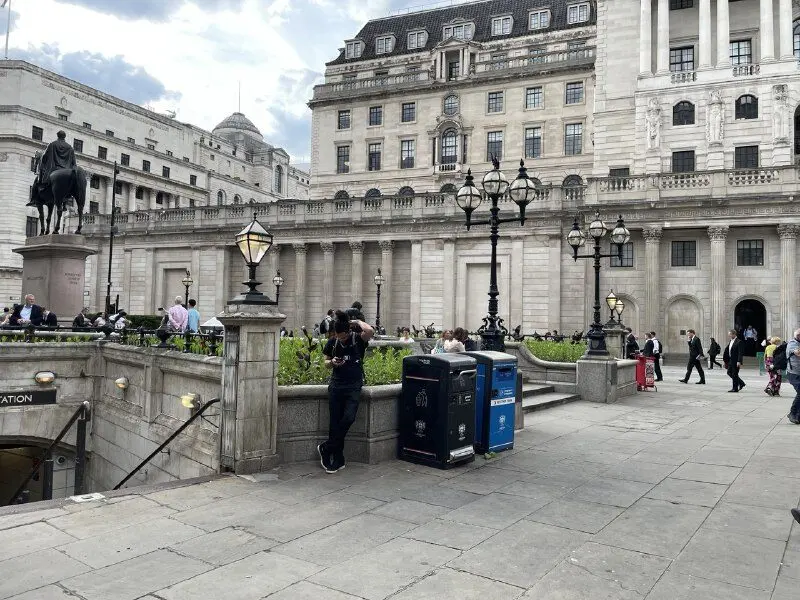
Bank of England holds Bank Rate at 3.75% — three of nine voted to raise it to 4%
The decision came at noon on 17 September: Bank Rate stays at 3.75% for a fourth meeting in a row. The vote was 6–3, with three members backing a rise to 4%. Inflation hit 3.1% in August and the Bank warned it is "likely to rise further over coming quarters". Nothing changes today for trackers and SVRs, but if your fix ends this autumn, do not count on cheaper deals arriving by themselves. The next decision is 5 November, with new forecasts.
£150 off your electricity bill: entitlement was fixed on 23 August, letters arrive in November — and it is not just for pensioners
The Warm Home Discount reopens in October for the 2026/27 winter. About 6 million households will get it, 96% of them automatically with no application. Universal Credit and Housing Benefit qualify, not only Pension Credit. But the electricity account must be in your name, and the qualifying date — 23 August 2026 — has already passed.

UK inflation accelerates to 3.1% as diesel jumps 14 pence in a month — a day before the rate decision
The ONS has published August data: consumer prices rose 3.1% over the year against 2.9% in July, a third consecutive rise. The cause is almost entirely fuel: motor fuels are up 23% over the year and petrol is at 161.3 pence a litre, the dearest since November 2022. A full tank of diesel costs £7.10 more than a month ago. Core inflation and services, meanwhile, did not move, and food has held at 1.3% for a third month.

Child Benefit: £27.05 a week per child — and why you should claim even if you have to pay it all back
Child Benefit is paid regardless of income: £27.05 a week for the eldest child and £17.90 for each additional one — £1,406 and £2,337 a year for one and two children. But the money is not the point: the claim automatically credits one parent with National Insurance towards the state pension until the child turns twelve, even if they opted out of payments. One warning: under a no recourse to public funds condition you must not claim.
How to complain about a bank, energy supplier or water company in the UK — and get compensation
Complaints here run on a clock: a bank has 8 weeks to reply, a telecoms provider 6, a water company 10 working days at each of two stages. Miss the deadline or fob you off, and an ombudsman takes the case for free — with a decision the company must honour. Who covers which sector, what to put in the letter, and why big purchases belong on a credit card.
ADV · A003We build websites for tradespeople and sole traders — £219Customers see your work and prices and message you straight away. Ready in 3 days, £219 instead of £438.Advertise here
UK state pension set to pass £13,000 — and overtake the tax-free allowance for the first time
The ONS has published wage growth for May to July: 3.9% including bonuses, the weakest since 2020. It is the first of the triple lock's three numbers, and on it the full new State Pension rises from £241.30 to £250.70 a week from April 2027 — £13,037 a year. The Personal Allowance is frozen at £12,570, so a pensioner with no other income gets a tax bill for the first time: around £93.

What changes from 1 October: six things that will touch almost everyone
Energy bills rise £60 a year, but VAT on electricity goes to zero. Right-to-work checks extend to couriers and subcontractors. The tribunal time limit doubles to six months. Date by date — plus three deadlines to meet.
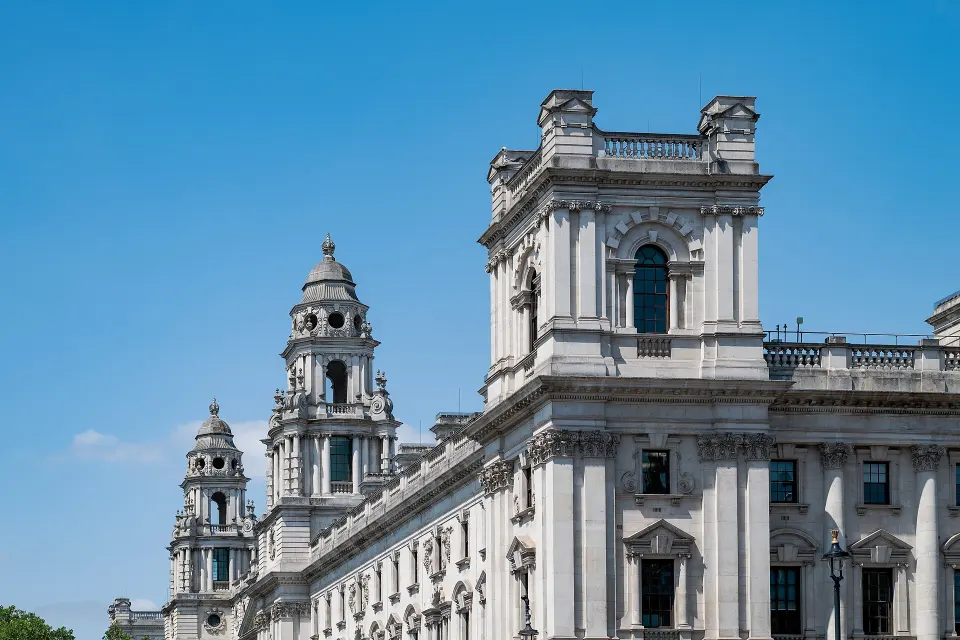
The Autumn Budget lands on 28 October: what is already confirmed
The Budget is set for Wednesday 28 October 2026 and will be delivered by Chancellor John Healey — his first as Chancellor. Several measures are already named: £2 single bus fares in England outside London from 1 January 2027, zero VAT on electricity from 1 October, and a 20% business rates cut for pubs from April 2027. The rest is still rumour — and that is where the biggest sums sit.
Energy price cap rises 4% from 1 October: £1,723 a year for a typical home
Ofgem lifts the cap from £1,663 to £1,723 a year — £60 more, about £5 a month. Gas is the driver, with its unit rate up almost 9%. Electricity barely moves, because VAT on it drops to zero on 1 October.

Winter Fuel Payment 2026: who gets £100–£300, and who has to give it back
This winter’s heating payment goes to everyone born on or before 27 June 1960 who lives in England, Wales or Northern Ireland. For most people no claim is needed — the money arrives in November or December. But if your own income is above £35,000, HMRC takes it back through the tax system. Opting out: by phone until 6pm on 18 September, online until 11:59pm on 20 September.
ONLYWAY NEWSLIVEJobs & Business · 17.10London Living Wage rises to £15.45 an hourMoney · 17.10Cold Weather Payment: £25 for each seven-day freeze from 1 November, paid automaticallyMoney · 16.10Junior ISA: £9,000 a year tax-free, and the child gets it at 18Immigration · 16.10Immigration Health Surcharge: £1,035 a year, £776 for students, 10 days to top upLife · 16.10What to do this weekend, 17-18 October: the film festival's last days, new releases and free exhibitionsTravel · 16.10Lost your passport abroad: an emergency travel document costs £125 and takes two daysMoney · 16.10Universal Credit advance: same-day answer, 24 months to repay, 3-month deferralLife · 16.10Penalty points: 12 in three years and the court can ban you for six monthsHousing · 16.10EPC explained: ratings A to G, valid 10 years, and fines for letting below EHousing · 16.10Right to Buy: a discount of up to 70% — but only £16,000 in most of LondonONLYWAY NEWS · appInstall the ONLYWAY NEWS appFresh UK news, classifieds, key dates and exchange rates on your home screen, one tap away. Free.NewsClassifiedsCalendarRates
The UK State Pension: 10 years, 35 years and an age of 67 — how it is actually counted
The full new State Pension in 2026/27 is £241.30 a week, about £12,548 a year. It is not paid to everyone and not automatically: you need at least 10 years of contributions, usually 35 for the full amount, and from April the pension age started climbing from 66 towards 67.
Changing money and sending it abroad from Britain: where the cost hides and what to check
The fee is not the biggest cost — the real money goes into a spread nobody displays. How to work out what an exchange truly costs, why you should never be billed in pounds abroad, why non-bank services carry no FSCS protection, and the honest position on transfers to Russia and Belarus.

Universal Credit: who can claim, what it pays, and why many people must not apply
The standard allowance runs from £338.58 to £666.97 a month, savings are capped at £16,000, and every £1 earned cuts the payment by 55p. But first things first: most visas carry a no recourse to public funds condition, and claiming without the right damages your visa. How to check your condition and what to do if you have no right to claim.
Council tax in 2026/27: what you pay, who pays less, and what happens if you fall behind
The average Band D bill in England is £2,392 a year. A 25% single-adult discount, 50% and full student exemptions, and the separate Council Tax Reduction scheme — none of it applies automatically, only on application. And seven days after a missed payment, the whole year becomes due.
Russia's digital rouble goes live: 12 banks, a 300,000-rouble cap and what it means from the UK
From 1 September the digital rouble has left the pilot stage: the twelve largest banks open wallets, retailers turning over 120 million roubles must accept it, and top-ups are capped at 300,000 a month. No interest, no cashback, and transfers cannot be reversed.
ONLYWAY NEWSLIVEJobs & Business · 17.10London Living Wage rises to £15.45 an hourMoney · 17.10Cold Weather Payment: £25 for each seven-day freeze from 1 November, paid automaticallyMoney · 16.10Junior ISA: £9,000 a year tax-free, and the child gets it at 18Immigration · 16.10Immigration Health Surcharge: £1,035 a year, £776 for students, 10 days to top upLife · 16.10What to do this weekend, 17-18 October: the film festival's last days, new releases and free exhibitionsTravel · 16.10Lost your passport abroad: an emergency travel document costs £125 and takes two daysMoney · 16.10Universal Credit advance: same-day answer, 24 months to repay, 3-month deferralLife · 16.10Penalty points: 12 in three years and the court can ban you for six monthsHousing · 16.10EPC explained: ratings A to G, valid 10 years, and fines for letting below EHousing · 16.10Right to Buy: a discount of up to 70% — but only £16,000 in most of LondonONLYWAY NEWS · appInstall the ONLYWAY NEWS appFresh UK news, classifieds, key dates and exchange rates on your home screen, one tap away. Free.NewsClassifiedsCalendarRates
Digital currency explained: the pros and cons of the digital rouble, euro and pound
There is no exchange rate for a digital currency and never will be, nobody is being made to convert their money, and cash is not being abolished. Smart contracts for controlling earmarked spending, on the other hand, are real and documented. What already works in Russia, when the digital euro and pound arrive, and which fears have substance.

Food in Britain: where it is genuinely cheaper, and the money you may not be claiming
Yellow stickers on a timetable are a myth, and four of the big chains confirmed it. Meanwhile free school meals now go to every family on Universal Credit whatever their income, the old Household Support Fund has closed and been replaced, and community fridges hand out food with no voucher and no means test.

Credit history from zero, cards at 35%, and sending money home: what works differently from what you were told
A foreign credit record does not travel, and the standard advice to register to vote is simply unavailable to a large group of people — for whom there is another technique. Also: what a first card really costs, why the advertised rate is not yours, how Section 75 makes the bank liable for the seller, and what actually happens with transfers to Russia — not prohibited by law, but closed off by banks.
UK law does not require proof of address — and nine banks must open you a basic account
Checked against the rules themselves rather than the banks' websites: nine designated banks must open a basic account within 10 business days, the grounds for refusal are a closed list, and neither a poor credit file nor a missing address is on it. What to bring instead of a utility bill, where £120,000 of protection applies and where none does, and what changed on 28 April 2026.
VAT on electricity goes to zero on 1 October — and the bill still goes up
VAT on domestic electricity falls from 5% to nothing, taking about £45 a year off the Ofgem cap. At the same time the cap itself rises 4%, to £1,723 a year for a typical home. Net effect: you pay more, but less than you would have.