
Gaps in your National Insurance record: £18.40 a week and only six years back
Gaps in a National Insurance record cut your future State Pension. Voluntary contributions can fill them, but only for the past six years and not always to your advantage. Here are the 2026/27 rules and rates.
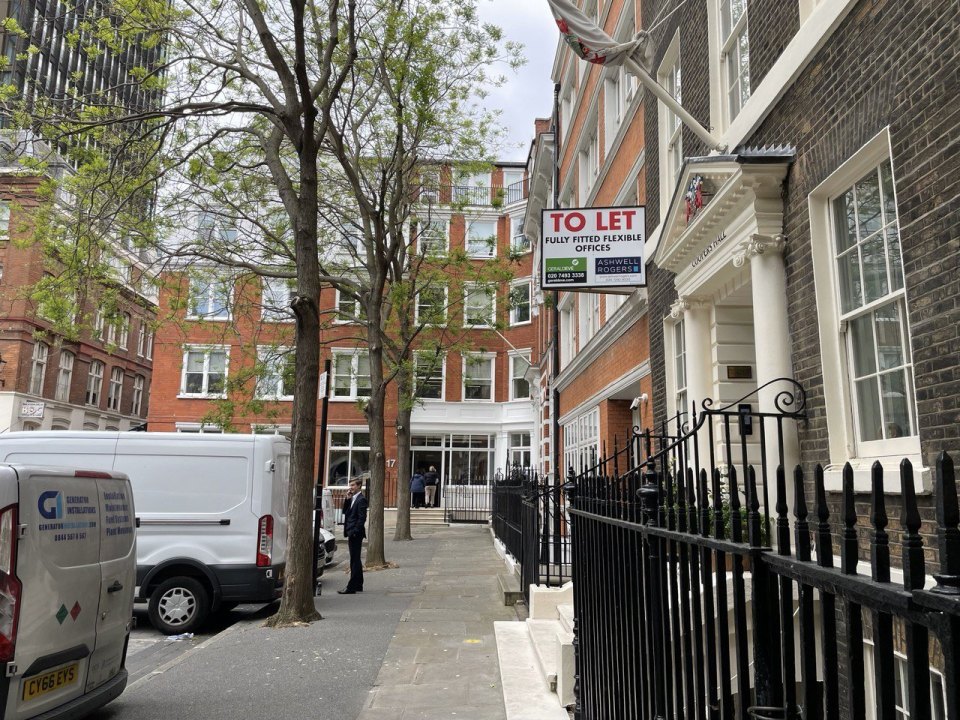
Disabled Facilities Grant: up to £30,000 from your council
A Disabled Facilities Grant pays for ramps, a stairlift, a level access shower or an extension. It does not have to be repaid and will not affect your benefits — but do not start work before approval.
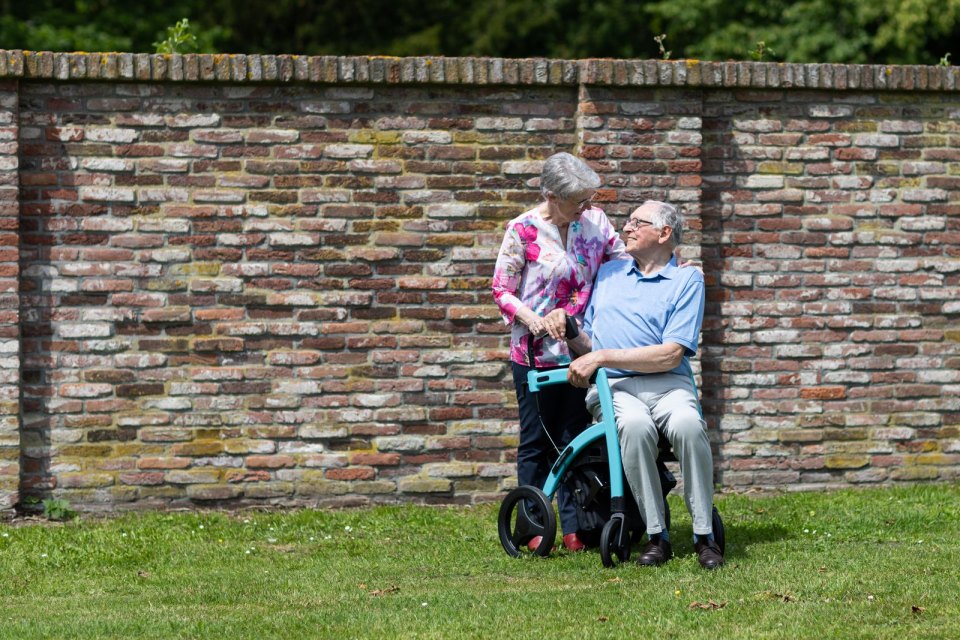
Who gets carer money back?
The UK is reassessing old Carer’s Allowance overpayments caused by flawed guidance on irregular earnings. By September 2026 about 100 carers had received refunds and about 100 had debts reduced. Here is who is covered and why no separate application is needed now.

Help with funeral costs: up to £1,000 on top of the cremation, and £300 for a child’s coffin
Funeral Expenses Payment meets cremation, burial plot and moving the body, plus up to £1,000 for everything else. A separate fund for children ignores income entirely. You have 6 months to claim.
 ONLYWAY NEWSLIVEHousing · 15.10Short on rent: what replaced Discretionary Housing Payments in England on 1 April 2026Money · 15.10Gaps in your National Insurance record: £18.40 a week and only six years backLife · 15.10Free UK GHIC: state healthcare in Europe and 15 working days for deliveryLife · 15.10Great British Railways HQ confirmed for Derby with 600 apprenticeship placesLaw · 15.10Subject access requests: getting your records, emails and CCTVHousing · 15.10Noise from neighbours: what the council must do and what the fines areLaw · 15.10Freedom of information requests: how to get data from a public bodyLaw · 14.10Bailiffs at the door: what they cannot do and cannot takeLife · 14.10Brain cancer: government speeds up the route from lab to patientLife · 14.10SORN explained: taking a car off the road and getting your tax backONLYWAY NEWS · appInstall the ONLYWAY NEWS appFresh UK news, classifieds, key dates and exchange rates on your home screen, one tap away. Free.NewsClassifiedsCalendarRates
PIP: £76.70 or £114.60 a week and who can claim it
Personal Independence Payment helps with the extra living costs of a long-term illness or disability. It is not means-tested, it is tax free and it is paid alongside almost every other benefit. Here are the rates, the closed list of tasks you are assessed on and how to claim.

The Healthy Start card: money for milk and vegetables in pregnancy and under-fours
The NHS tops up a prepaid card with £4.65 or £9.30 a week for milk, fruit and vegetables. Here are the eligibility rules, how to apply, the payment limits and the full list of what the card will not buy.
Money after a partner dies: what is paid and why the first three months decide it
Bereavement Support Payment is £3,500 plus 18 payments of £350 at the higher rate. Only a claim within three months brings the full amount; after 21 months there is nothing.

DWP posts 660,000 leaflets: pensioners reminded about £4,500 a year
The Department for Work and Pensions has launched a new Pension Credit push. Leaflets go to seven areas with many low-income pensioners: the top-up is worth more than £4,500 a year on average, yet around a million people who qualify do not claim it.

Attendance Allowance: £76.70 or £114.60 a week, and who can claim
Attendance Allowance is for people at State Pension age who need help or supervision because of illness or disability. Income and savings are irrelevant, you do not need a carer, and the rates are £76.70 or £114.60 a week. Here are the conditions, the deadlines and how to claim.
 ADV · A003We build websites for tradespeople and sole traders — £219Customers see your work and prices and message you straight away. Ready in 3 days, £219 instead of £438.Advertise here
Carer's Allowance in the UK: £86.45 a Week and the £204 Earnings Limit
Carer's Allowance pays for 35 hours of care a week and ignores your savings. But earning over £204 wipes out that week's payment, and the person you care for loses their severe disability premium.
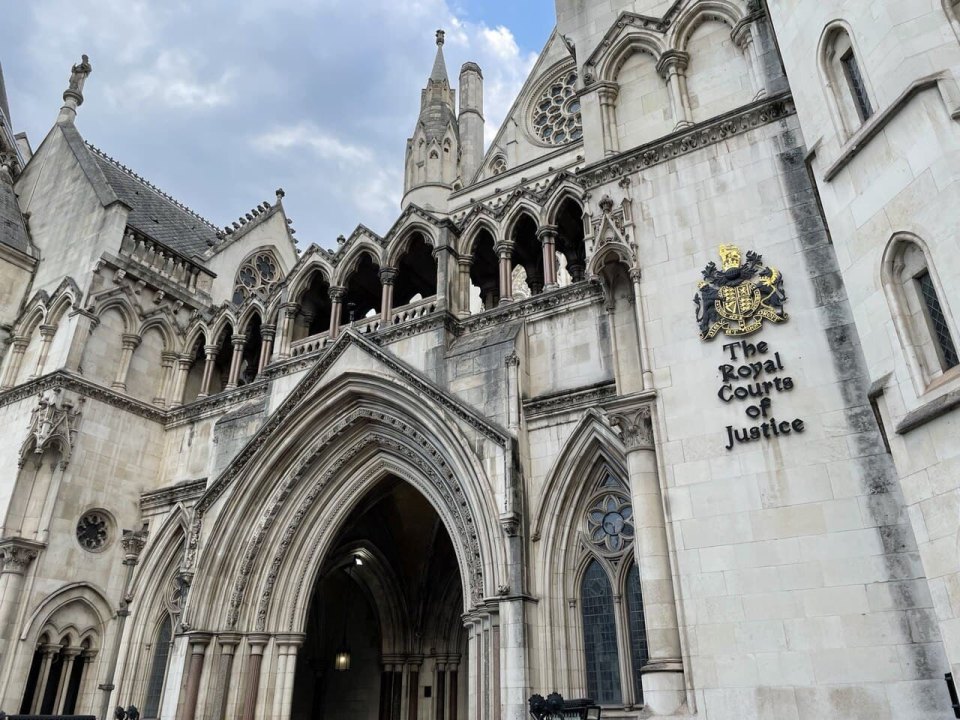
How to challenge a DWP decision: mandatory reconsideration, form SSCS1 and the tribunal
A refused benefit can be challenged twice, and both stages are free: first the DWP must look at its decision again, then the case goes to an independent tribunal. Here are the one-month deadlines, which SSCS form to use, who sits on the panel and what travel costs are paid back.
From 29 October the DWP can take benefit debt straight from your bank account — and ask a court for a driving ban
From 29 October 2026 the Department for Work and Pensions can take benefit debt directly from a bank account without a court order, and, where the debt is at least £1,000, ask a magistrates’ court to disqualify the debtor from driving for up to two years. Here are the deduction caps, the deadlines to object and the hardship safeguards.

State pension triple lock to change from April 2030: what it means for payments
On 6 October 2026 DWP published a factsheet on the triple lock reform: from April 2030 the State Pension will rise by the highest of CPI inflation, 2.5%, or the amount needed to hold its value against earnings. DWP estimates this saves around £50 billion a year by 2049/50. Until April 2030 the current rule stands.

Pension Credit in 2026: who qualifies, how much it pays and how to claim
Pension Credit tops weekly income up to £238 for a single person and £363.25 for a couple, with extra amounts of up to £118.46 a week on top. DWP estimates published on 30 October 2025 show up to 910,000 entitled families did not claim, leaving up to £2.5 billion unclaimed — around £2,600 a year each. Here are the thresholds, the extras, the savings rule and how to apply.
Housing Benefit from 5 October: how much you can earn without losing the benefit
From 5 October 2026 five new earnings thresholds apply in Housing Benefit — from £61.41 to £119.70 a week depending on age and household. That money is ignored when the benefit is worked out. It applies to people in supported housing or in council temporary accommodation: more than 325,000 people across the UK. There is nothing to claim — councils recalculate it themselves.

DWP debt recovery: from October money can be taken straight from your bank account, and debts over £1,000 can cost you your driving licence
The DWP is switching on new recovery powers: direct deductions from bank accounts without a court order and, in persistent cases, disqualification from driving for up to two years. Warning letters started on 24 June and the window to agree terms closes on 24 October 2026. It applies to people who are no longer on benefits and not in PAYE work.

Winter Fuel Payment 2026: who gets £100–£300, and who has to give it back
This winter’s heating payment goes to everyone born on or before 27 June 1960 who lives in England, Wales or Northern Ireland. For most people no claim is needed — the money arrives in November or December. But if your own income is above £35,000, HMRC takes it back through the tax system. Opting out: by phone until 6pm on 18 September, online until 11:59pm on 20 September.

The UK State Pension: 10 years, 35 years and an age of 67 — how it is actually counted
The full new State Pension in 2026/27 is £241.30 a week, about £12,548 a year. It is not paid to everyone and not automatically: you need at least 10 years of contributions, usually 35 for the full amount, and from April the pension age started climbing from 66 towards 67.

VAT on electricity goes to zero on 1 October — and the bill still goes up
VAT on domestic electricity falls from 5% to nothing, taking about £45 a year off the Ofgem cap. At the same time the cap itself rises 4%, to £1,723 a year for a typical home. Net effect: you pay more, but less than you would have.