Newborn blood spot test in the UK: what the heel prick is and which conditions it finds
At five days old, babies in the UK are offered the heel prick test — a drop of blood checked for ten rare but serious conditions at once. Here is why it matters.
Thanks for £1
Soon after birth, babies in England are offered the newborn blood spot test. It is a simple blood test that checks a baby for several rare but serious conditions at once. Catching them before symptoms appear matters greatly: early treatment can prevent serious harm. Here is how the test works and what it finds.
When and how is it done?
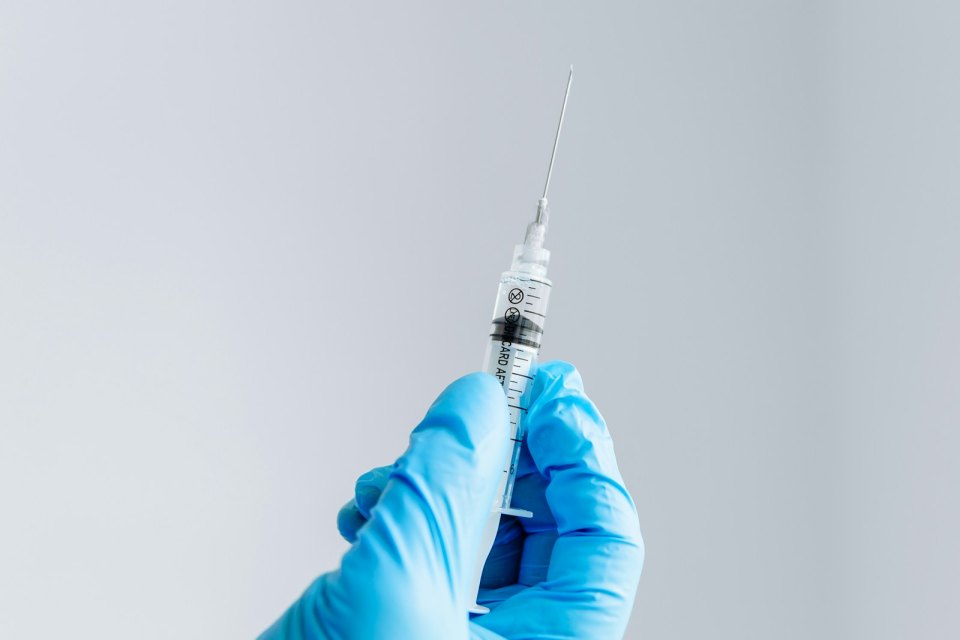
The test is usually taken when the baby is 5 days old (sometimes a little earlier or later). A health professional pricks the baby's heel with a device that has a tiny needle and collects a few drops of blood on a special card, which is sent to a laboratory. It is quick; the baby may cry for a second, but it is no worse than a routine prick.
Which conditions does it check?
From one drop of blood it checks for 10 rare but serious conditions. These include cystic fibrosis (an inherited condition affecting the lungs and digestion), sickle cell disease (an inherited blood disorder), congenital hypothyroidism (a lack of thyroid hormone) and seven inherited metabolic diseases. In some parts of England spinal muscular atrophy (SMA) is also checked.
Why does it matter?
All these conditions are rare, but early treatment or a special diet makes a decisive difference. For most babies nothing is found — the most common result. But for the few who do have a condition, a timely test allows care to start before symptoms appear, preventing serious illness.
What are the possible results?
Results usually come by the time the baby is 6 weeks old (sooner if a condition is suspected). There are three outcomes: no condition suspected (most babies); the baby is a carrier of a condition (not ill, but useful for the family to know); or a condition is suspected, when you are referred for further tests.
Is it compulsory?
The test is recommended for all babies, but parents can choose whether to have it. Given that it takes a minute and a condition caught early can change a child's whole life, most families agree. If you have questions, discuss them with your midwife or health visitor.
What happens to the blood afterwards?
The blood spot cards are kept for at least 5 years. They may be used, for example, to re-check a result, or, anonymously, to improve the screening programme and for research. If you have concerns, ask the health team about your rights and choices. Overall, the heel prick is one of the simplest and most valuable steps for a child's health in the first days of life.
Thanks for £1If this information was useful and came in time, press the heart. Payment goes through PayPal, with nothing to choose and nothing to fill in, and it pays for the newsroom.
- Jobs & Business Post Your Ad Free
- Life Russian-speaking doctors and clinics in London: eight addresses checked against the registers
- Life Russian-language events in London: verified dates to December 2026
- Life Where to buy the food you grew up with in London: Russian, Ukrainian, Polish and Baltic shops
- Housing UK rents hit £1,400 a month, £2,332 in London — £79 a month more than a year ago
- Travel Peak and off-peak fares in London 2026: when travel is cheaper
- Immigration UK visitor visa step by step 2026: timing, cost, biometrics and how long it takes