Law
New legislation and court rulings in Britain — family and divorce, employment disputes, tenancies and fines: what changed, when it takes effect and where to go.
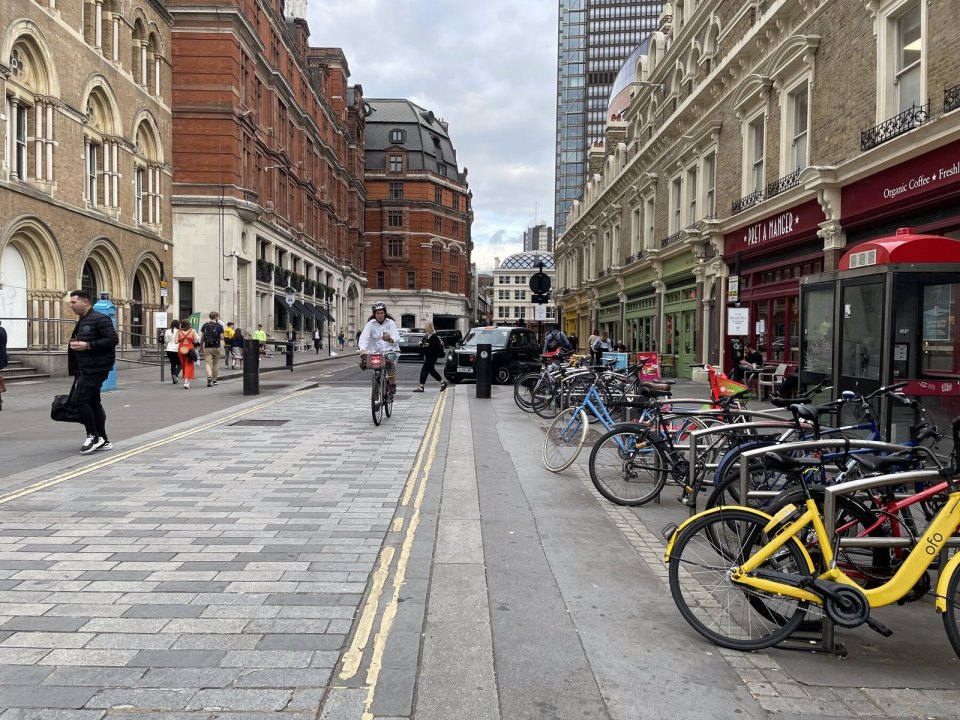
E-bikes: new safety rules for conversion kits, 2026
On 11 November 2026 the government clarified how existing safety rules apply to kits that turn an ordinary bike into an electric one. Here is when a bike stays a bike and when it becomes a moped.

Film extras in Britain: what an agency may charge you, and what it may not
An ordinary employment agency cannot charge a work-seeker at all, but entertainment agencies are an exception. Money upfront is allowed only for promotional listing, a promotion fee only 30 days after the contract starts — and if nobody saw your details within 60 days, you are owed a refund.

Hiring a car in Britain: the licence check code and what else they ask
A hire company needs a licence check code: it lasts 21 days and works once. To generate it you need your licence number, your National Insurance number and your postcode. The company also asks for the last eight characters of your licence number and will see every penalty point.

Flags in England: which you may fly without consent, and at what size
In England a flag counts as an advertisement. Any country’s national flag, county and town flags and armed forces flags need no consent. A flag on a projecting pole may not exceed 2 square metres, and a pole in the grounds may not exceed 4.6 metres. The EU flag left the no-consent list after Brexit.
 ADV · A001ONLYWAY JEWELRY — gold, silver and platinumRings, chains, bracelets, earrings and pendants. Delivery across the UK.Advertise here

England and the United Kingdom are not the same thing
Under Schedule 1 to the Interpretation Act 1978, the United Kingdom means Great Britain and Northern Ireland, and Great Britain means England, Wales and Scotland. Jersey, Guernsey and the Isle of Man are not in the UK. Where you live decides your prescription price and your free travel age.

Buying a SIM without registration: what is allowed and what changed
Pay-as-you-go cards are still sold in Britain with no documents. But since 29 October 2026, possessing or supplying a SIM farm — a device taking five or more physical cards — is an offence: an unlimited fine in England and Wales, up to £5,000 in Scotland and Northern Ireland.

Fines for littering in England: £100 by default, up to £500 by council
Under new Defra guidance issued in March 2026, the default littering penalty is £100, the maximum £500 and the minimum £65. Pay within 14 days and a discount applies, never below £50. In court the fine reaches £2,500, and litter thrown from a car can land on the keeper.

Applying for probate in England and Wales: fees and how to apply
Probate is the legal right to deal with someone's estate after they die. The fee is £526 for estates over £5,000 and it usually takes 12 weeks. Who applies and how.

Lasting Power of Attorney: how to set one up in England and Wales
A Lasting Power of Attorney lets someone you choose legally make decisions about your health or finances. The two types, the £92 fee and how long registration takes.
 ONLYWAY NEWSLIVELife · 13.11York: what to see, what to pay for and what is freeLaw · 13.11E-bikes: new safety rules for conversion kits, 2026Housing · 13.11First Homes: 30-50% off a first home in EnglandLife · 13.11A food hall inside a church in central London: what it is and how to get inImmigration · 13.11Language courses in Oxford: what a month costs and which visa you needLife · 13.11Cold-health alerts in the UK: how the system works and what to doHousing · 13.11Do you need planning permission for a home extension in England?Money · 13.11What it costs to run a car in England: the year worked out from official ratesLife · 13.11Seals in England: where the biggest colony is, and why only by boatMoney · 13.11Credit unions: borrowing below bank rates — and joining is about to get easierONLYWAY NEWS · appInstall the ONLYWAY NEWS appFresh UK news, classifieds, key dates and exchange rates on your home screen, one tap away. Free.NewsClassifiedsCalendarRates

UK number plate rules: fines and how to keep your registration
An illegal number plate can cost up to £1,000 and fail your MOT. How a plate must look by law, and how to move a private registration to another car.

Buying a used car: your rights if it is faulty
A 30-day refund window, the six-month rule and why a private sale gives you less — under the Consumer Rights Act.
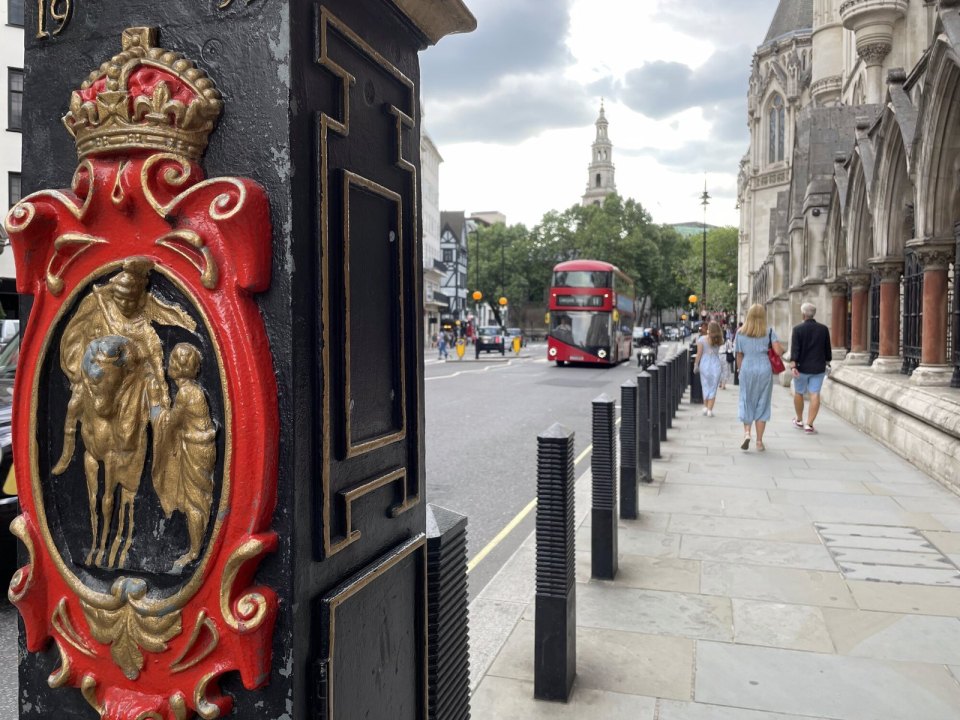
Got a jury summons? What it means and what to do
If a jury summons has arrived, it is neither a mistake nor spam. Jury service in Britain is a civic duty. Here is who gets called, whether you can be excused or defer, and how much you are paid.

Voter Authority Certificate: the free photo ID you need to vote in the UK
No photo ID means no ballot paper at the polling station. Here is how to get a free Voter Authority Certificate, which documents count, and the deadline to apply.

Buying online: 14 days to cancel and get a refund
Buy online, by phone or post and the law lets you return goods with no reason. Here are the cancel, return and refund deadlines — and the key exceptions.
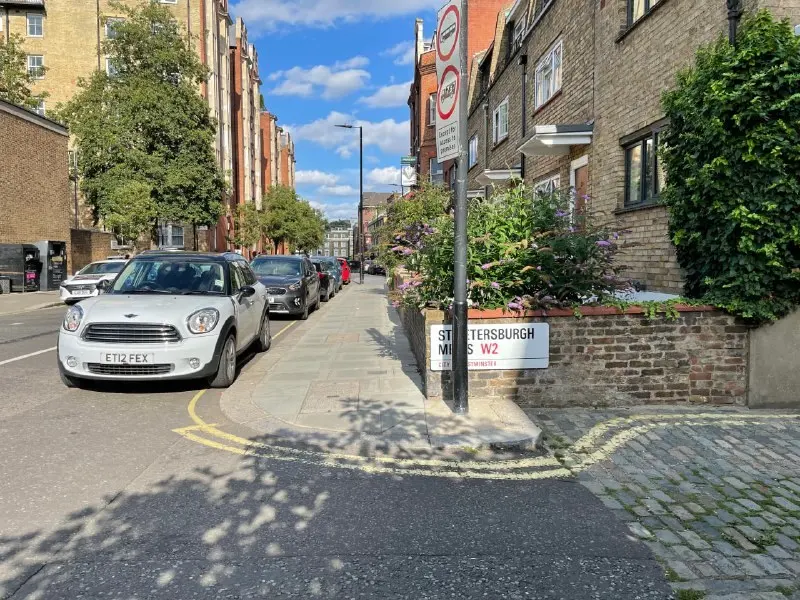
How to challenge a parking ticket (PCN) in the UK
You can challenge a parking ticket, but you must watch the deadlines and tell a council ticket from a private one. Here are the stages and the early‑payment discount.

How to appeal a council EHC plan decision at the SEND Tribunal
If the council refuses to assess your child's special educational needs, or you disagree with the plan, you can appeal to an independent tribunal. Here is what you can challenge and by when.

Noisy neighbours in the UK: where to complain and how to act within the law
Loud music, a barking dog, night-time DIY — there is a clear order of steps for noisy neighbours in the UK. It starts with a conversation and can end with a council complaint or even court.
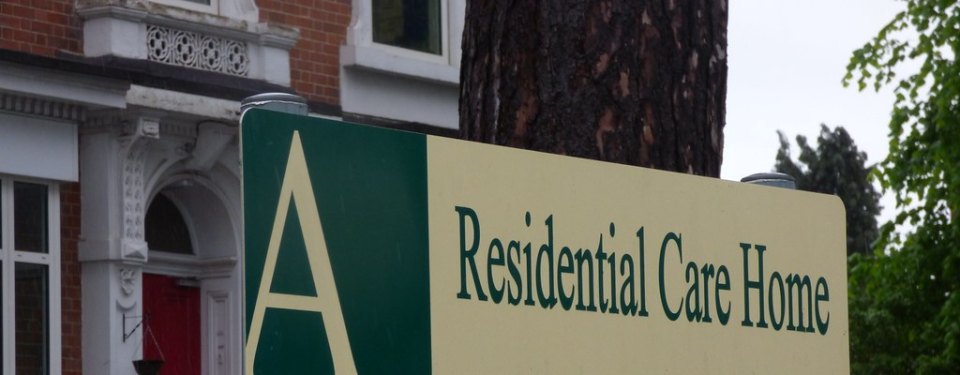
DoLS: how the law protects those who cannot decide for themselves
If a care home keeps someone under constant supervision, it must be lawfully authorised and justified. How the DoLS safeguards work, from the source.

Divorce in England and Wales: you no longer have to prove whose fault it was
In England and Wales you can divorce if you have been married over a year and the marriage has permanently broken down. You no longer have to blame your spouse. Here is the process and cost.
 ADV · A003We build websites for tradespeople and sole traders — £219Customers see your work and prices and message you straight away. Ready in 3 days, £219 instead of £438.Advertise here

County Court Judgment (CCJ) for debt in the UK: what it is and how to clear it from the register
A CCJ is a county court's decision that you owe money. Pay the full amount within a month and it is kept off the register. Otherwise it stays for 6 years and harms your credit record.

Probate in 2026: how to get the right to deal with an estate and what the fee is
Probate is the legal right to deal with someone’s estate after they die. In England and Wales the fee is £526, but small estates worth £5,000 or less pay nothing. Here is how it works.
Advance decision (living will) in 2026: how to refuse unwanted treatment in advance
An advance decision (formerly a 'living will') lets you refuse a specific treatment in advance, legally bindingly, in case you cannot express your wishes later. Here is how to make one properly.

Statutory declaration: what it is and when you need one
Sometimes there is no ordinary document to prove a fact — that is where a statutory declaration helps. Here is what it is, who certifies it, and what it costs.

Gender Recognition Certificate (GRC): who can apply and how it works
A Gender Recognition Certificate gives legal recognition of an acquired gender and lets you update documents. Here are the conditions, cost and timescales of the standard route.
ADV · A001ONLYWAY JEWELRY — gold, silver and platinumRings, chains, bracelets, earrings and pendants. Delivery across the UK.Advertise here
Becoming a deputy through the Court of Protection: types and fees
When a relative can no longer manage their own affairs and there is no power of attorney, a court-appointed deputy acts for them. The two types, the £432 and £320 fees, and how to apply.

Fake reviews and hidden fees banned: what the DMCC Act changed
Since 6 April 2025 the UK bans fake reviews and hidden fees in prices. Here is what sellers must now show, and the penalties for breaking the rules.

Fireworks in Britain: the law, times, age and fines 2026
You must be 18 to buy adult fireworks, and set them off between 7am and 11pm (midnight on Bonfire Night). Break the rules and you face a £90 on-the-spot fine or an unlimited fine and up to 6 months in prison.

How to close a company with DS01 in the UK 2026: steps and fee
Form DS01 is used when a company has not traded for 3 months; the fee is £18, and after a 2-month notice it is removed from the register. Here are the conditions.

Pavement parking in London: what's banned and the fine in 2026
You cannot park on the pavement in London — a city-wide ban has applied since 1974. We explain the rules, the fine and how to report it.

Acas and the employment tribunal: the step you must take before you claim
Before an employment tribunal claim you almost always must complete Acas's free early conciliation. From 1 October 2026 the claim deadline is usually 6 months. Here are the rules, per GOV.UK and Acas.
Probate in England and Wales: the fees and how to apply
Probate is the legal right to deal with someone's estate after they die. In England and Wales the application fee is £526 if the estate is over £5,000, and nothing below that.
Speeding fines and penalty points in the UK: amounts explained
The minimum for speeding is a £100 fine and 3 points, but in court it can reach £2,500. Here are the amounts and points, based on GOV.UK.

How to challenge a parking ticket (PCN) in the UK
A parking ticket can be challenged: you have 28 days to challenge a PCN. Here are the stages and deadlines, based on GOV.UK.

Tell Us Once: how to report a death to all government services at once
After a loved one dies, many organisations have to be told. The free Tell Us Once service lets you do it in one go — for HMRC, DWP, DVLA, the Passport Office and your local council. The limit is 28 days.
ONLYWAY NEWSLIVELife · 13.11York: what to see, what to pay for and what is freeLaw · 13.11E-bikes: new safety rules for conversion kits, 2026Housing · 13.11First Homes: 30-50% off a first home in EnglandLife · 13.11A food hall inside a church in central London: what it is and how to get inImmigration · 13.11Language courses in Oxford: what a month costs and which visa you needLife · 13.11Cold-health alerts in the UK: how the system works and what to doHousing · 13.11Do you need planning permission for a home extension in England?Money · 13.11What it costs to run a car in England: the year worked out from official ratesLife · 13.11Seals in England: where the biggest colony is, and why only by boatMoney · 13.11Credit unions: borrowing below bank rates — and joining is about to get easierONLYWAY NEWS · appInstall the ONLYWAY NEWS appFresh UK news, classifieds, key dates and exchange rates on your home screen, one tap away. Free.NewsClassifiedsCalendarRates
Help with Fees: how to reduce or avoid a court fee in the UK
Bringing a claim or application to a court or tribunal in England and Wales carries a fee, but under the Help with Fees scheme it can be reduced or waived — if you have modest savings and income.

How to make a legally valid will in England and Wales
A will decides who gets your money, home and possessions. For it to be legally valid in England and Wales it must be signed in front of two witnesses — and those witnesses must not be beneficiaries.
Your car can't be clamped on a private car park
A private firm cannot clamp or tow your car on private land — it is a criminal offence. We explain the law and how a private parking 'charge' differs from a state fine.

Parental responsibility: who has it and how an unmarried father gets it
«Parental responsibility» is the legal rights and duties for a child: decisions about school, medical care, where they live. It's important to know who has it.

Being harassed: what the law protects and how to stop it
Persistent calls and messages, being followed, threats — all can fall under the law against harassment. Here is what it provides and how to use it.
ADV · A003We build websites for tradespeople and sole traders — £219Customers see your work and prices and message you straight away. Ready in 3 days, £219 instead of £438.Advertise here
How to make a valid will in England: signature and two witnesses
A will that ignores the formalities can be declared invalid. The law sets clear requirements — here they are, under the Wills Act 1837.

Changing your name in England: deed poll at £53.05, three forms and The Gazette
A name in England and Wales is changed by deed poll. The do-it-yourself version works from age 16 and costs nothing, but a bank may refuse it. The version enrolled at the High Court costs £53.05, needs three forms and is published in The Gazette.
An unmarried partner inherits nothing: the no-will rules in England
The most dangerous myth about inheritance in England: that long-term common-law partners inherit from each other. They do not. With no will, the intestacy rules apply, and an unmarried partner automatically inherits NOTHING — however many years you lived together and whether or not you have children. Here is who inherits, in what order, and what a partner can do.

Shop theft in England: seven years maximum, the truth about £200 and what the 2026 Act changes
Seven years maximum under the Theft Act 1968. The £200 rule only decides which court hears the case. Charges rose 17% in a year, and a conviction blocks visas and settlement.
Pothole wrecked your wheel: how to claim money from the council
The council owns the road, but section 58 of the Highways Act 1980 lets it walk away if its inspections were on schedule. Six years to claim for vehicle damage, three for injury, court fees from £35.
ADV · A003We build websites for tradespeople and sole traders — £219Customers see your work and prices and message you straight away. Ready in 3 days, £219 instead of £438.Advertise here
What becomes free on 1 January, and what an author earns from a book
From 1 January 2027 the Winnie-the-Pooh stories can be printed and translated freely, while the drawings stay protected until 2047. The rule is simple: 70 years after the author's death, with separate terms for illustrators and translators. Meanwhile a living author earns 12.40p from a library loan, and three quarters of the scheme's members make under £100 a year.
GRO certificate copies and apostilles: costs, timings and limits
A GRO certificate copy costs £12.50 and is sent 4 days after you apply with an index reference number, or 15 working days without one. An apostille is a separate £45 and up to 25 working days — and GRO documents cannot get an e-Apostille.

Subject access requests: getting your records, emails and CCTV
An organisation must give you a copy of the data it holds about you as soon as possible and within one month. Health records are quickest to check in the NHS App, and silence or refusal can be taken to the ICO.

Freedom of information requests: how to get data from a public body
Anyone can ask a public authority in writing to show recorded information it holds. The response deadline is 20 working days, most requests are free, and a refusal can be reviewed internally and then taken to the ICO.

Bailiffs at the door: what they cannot do and cannot take
Bailiffs must usually give 14 days' notice, you usually do not have to open the door, they cannot force entry or call between 9pm and 6am, and work tools worth under £1,350 are protected.

Help with Fees: how to avoid a court fee, or get one you have already paid back
Court and tribunal fees are cut or waived for people with low savings and modest income. Here are the £4,250 and £16,000 savings limits, the £1,420 and £2,130 income lines, form EX160 and the three-month refund window.
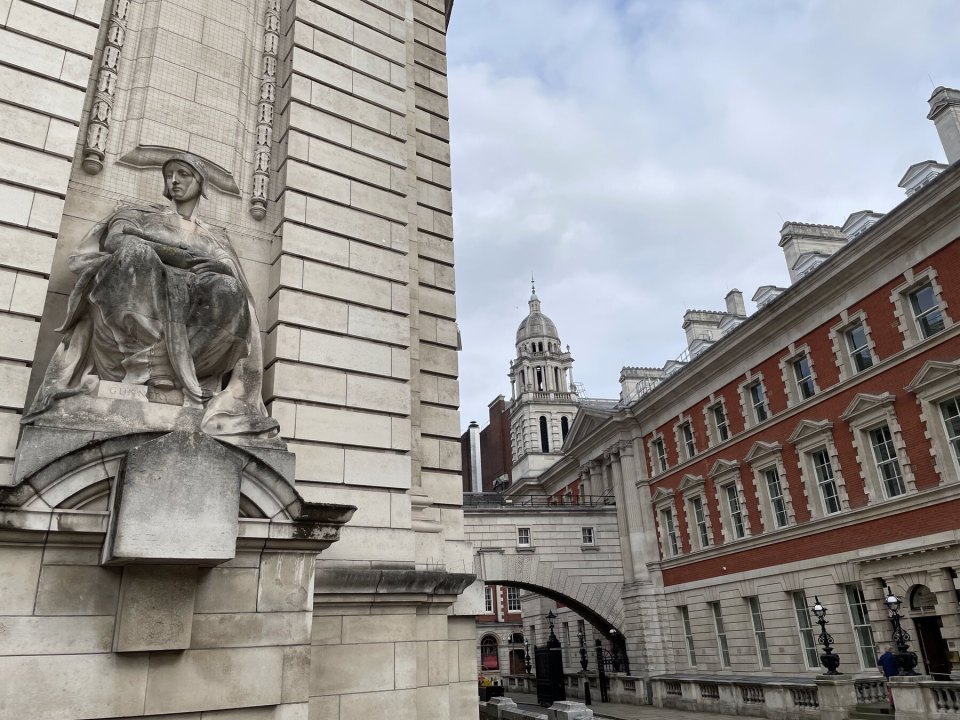
Changing your name by deed poll in England: free yourself or £53.05 through the High Court
There are two ways to change your name: make the document yourself for nothing, or enrol it with the High Court for £53.05. Here is what you can change, what you cannot, and which version a bank or phone company will accept.

Lasting power of attorney in England: £92, 8–10 weeks and two separate documents
A lasting power of attorney is the only way to give someone you trust the right to decide about your money or your care in England and Wales. Registration costs £92 per document, takes 8 to 10 weeks, and the fee is halved if the donor's income is under £12,000 a year. Here are the types, the steps and the deadlines.

Bought a faulty used car in the UK: how to get your money back
The Consumer Rights Act 2015, in force since 1 October 2015, gives a buyer 30 days to reject a faulty car and take back the full price with no deduction, and for the first six months it is the seller who must prove the car was sound. Here is what to do when a car bought from a dealer goes wrong, why a later rejection costs you a deduction for mileage, and how a private sale differs.

Legal aid in the UK: who can get a free lawyer and how to apply
State-funded legal help in England and Wales is available on a joint income of up to £2,657 a month and assets of up to £8,000 — and for domestic abuse, care proceedings and eviction your finances are not checked at all. Here is what legal aid covers, what it does not, how the free eligibility check works and who to call if English is not your first language.
ADV · A001ONLYWAY JEWELRY — gold, silver and platinumRings, chains, bracelets, earrings and pendants. Delivery across the UK.Advertise here
Child maintenance in the UK in 2026: how much you pay and how the CMS works it out
Child maintenance in the UK is worked out by the Child Maintenance Service using an open formula: 12% to 19% of the paying parent's gross weekly income. DWP figures published on 29 September 2026 show 820,000 arrangements covering 1.1 million children at the end of June 2026, with 23% of paying parents on Collect and Pay paying nothing that quarter.

Court and tribunal interpreters: who gets one free and what changed on 5 October 2026
From 5 October 2026 courts and tribunals in England and Wales moved onto new language services contracts, adding Translate UK alongside main supplier thebigword. Ministry of Justice figures show 53,253 interpreter requests completed between April and June 2026, but 4,088 had to be bought off-contract — a record — and 185 trials did not start on the day because no interpreter was available.

Courts in England and Wales must now record domestic abuse in the sentence: what changed on 5 October
From 5 October 2026 criminal courts in England and Wales must formally record when an offence involved domestic abuse. The Judicial Finding of Domestic Abuse was introduced by the Sentencing Act 2026 and will be visible to police, probation and prisons. ONS data show 3.8 million people aged 16 and over experienced domestic abuse in the year to March 2025, with 816,493 related crimes recorded by police.
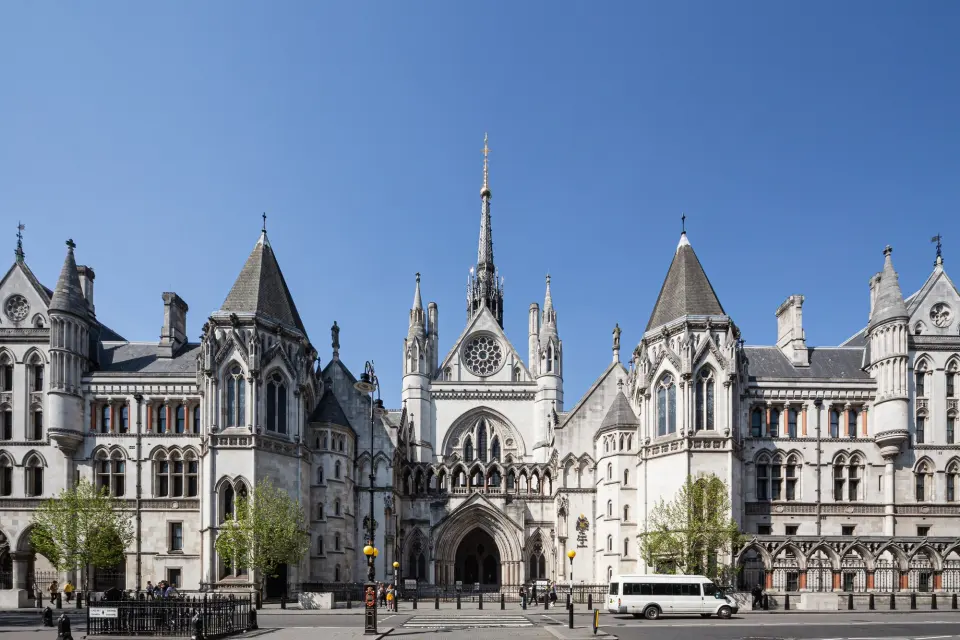
England keeps jury trials: the government has rewritten its criminal courts reform
On 4 October 2026 the Ministry of Justice announced it is dropping plans to have some serious criminal cases heard without a jury. The reason for the reform has not gone away: 80,829 cases were waiting at the Crown Court at the end of June 2026, 23,706 of them for a year or more. The rewritten Courts and Tribunals Bill returns to the House of Commons on 13 October.

A jury summons has arrived: what to do, how long it lasts and what it pays
Jury summonses in England and Wales are sent at random from the electoral register, and you must respond within 7 days: silence or failing to attend can cost up to £1,000. Service usually lasts up to 10 working days, the court pays no wages but covers loss of earnings of up to £64.95 a day. Here is who gets called — foreign nationals included — how to move the date and what you can claim.
ONLYWAY NEWSLIVELife · 13.11York: what to see, what to pay for and what is freeLaw · 13.11E-bikes: new safety rules for conversion kits, 2026Housing · 13.11First Homes: 30-50% off a first home in EnglandLife · 13.11A food hall inside a church in central London: what it is and how to get inImmigration · 13.11Language courses in Oxford: what a month costs and which visa you needLife · 13.11Cold-health alerts in the UK: how the system works and what to doHousing · 13.11Do you need planning permission for a home extension in England?Money · 13.11What it costs to run a car in England: the year worked out from official ratesLife · 13.11Seals in England: where the biggest colony is, and why only by boatMoney · 13.11Credit unions: borrowing below bank rates — and joining is about to get easierONLYWAY NEWS · appInstall the ONLYWAY NEWS appFresh UK news, classifieds, key dates and exchange rates on your home screen, one tap away. Free.NewsClassifiedsCalendarRates
Divorce in England: what it costs, how long it takes, and why 'marry an Englishman and take half' is a myth
A scheme discussed in immigrant chats: marry an Englishman, endure a year, divorce — and leave with half his house. Here is how English family law actually works: divorce has been 'no-fault' since 2022, but no application is accepted before a year of marriage, the process takes at least six months and costs £628, money is divided in separate proceedings with no automatic fifty-fifty, and a visa tied to the marriage dies with it.
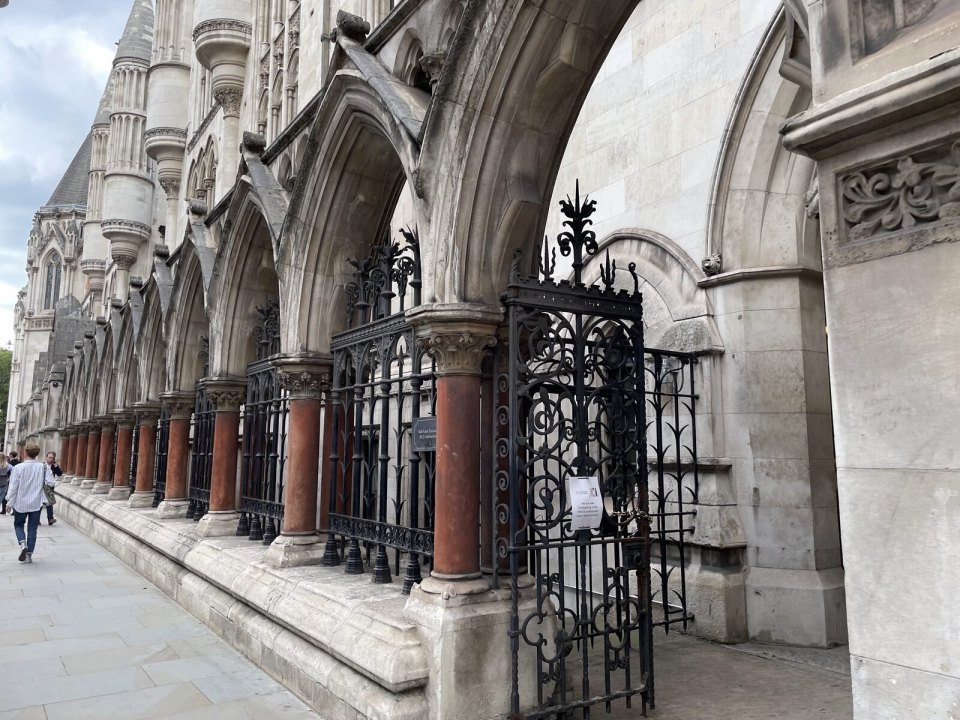
Wills, inheritance and probate in the UK: who inherits without a will, the £325,000 threshold, 40% tax and a £526 probate fee
With no will, the law in England and Wales decides who gets what — and an unmarried partner gets nothing. From the primary sources: the £322,000 statutory legacy for a spouse, two witnesses and why marriage cancels an old will, the £526 probate fee, 40% above £325,000, the seven-year rule on gifts, and what changes for pensions on 6 April 2027.

How to get your money back through the courts in England: claims online from £35, a £10,000 small claims limit and free mediation
A landlord kept your money, a tradesman took a deposit and vanished, a friend will not repay. In England and Wales the process is still called the small claims court and it is built for people without lawyers. From GOV.UK and the statute: time limits, fees, fee remission, compulsory free mediation and what to do when you win and they still do not pay.

How to return goods in the UK: 30 days for faults, 14 days for online orders, and chargeback when the shop says no
The law gives you 30 days to reject faulty goods for a full refund and 14 days to cancel an online order without giving a reason. For the first six months the retailer must prove the fault was not there at purchase. If the shop refuses, the bank pays: Section 75 on credit cards from £100 to £30,000 and chargeback within 120 days on debit cards. A step-by-step guide.