Courts & claims

Bailiffs at the door: what they cannot do and cannot take
Bailiffs must usually give 14 days' notice, you usually do not have to open the door, they cannot force entry or call between 9pm and 6am, and work tools worth under £1,350 are protected.

Legal aid in the UK: who can get a free lawyer and how to apply
State-funded legal help in England and Wales is available on a joint income of up to £2,657 a month and assets of up to £8,000 — and for domestic abuse, care proceedings and eviction your finances are not checked at all. Here is what legal aid covers, what it does not, how the free eligibility check works and who to call if English is not your first language.

Court and tribunal interpreters: who gets one free and what changed on 5 October 2026
From 5 October 2026 courts and tribunals in England and Wales moved onto new language services contracts, adding Translate UK alongside main supplier thebigword. Ministry of Justice figures show 53,253 interpreter requests completed between April and June 2026, but 4,088 had to be bought off-contract — a record — and 185 trials did not start on the day because no interpreter was available.

Courts in England and Wales must now record domestic abuse in the sentence: what changed on 5 October
From 5 October 2026 criminal courts in England and Wales must formally record when an offence involved domestic abuse. The Judicial Finding of Domestic Abuse was introduced by the Sentencing Act 2026 and will be visible to police, probation and prisons. ONS data show 3.8 million people aged 16 and over experienced domestic abuse in the year to March 2025, with 816,493 related crimes recorded by police.
 ONLYWAY NEWSLIVEMoney · 26.10Where to complain about benefitsMarkets · 26.10UK announces further investment in AI firms and public R&D procurementJobs & Business · 26.10When signing away rights at work actually bindsTechnology · 26.10How to take and move your dataJobs & Business · 26.10Pregnancy and maternity are no reason for worse treatmentMoney · 26.10A guarantee does not cancel your legal rightsMarkets · 26.10UK fuel prices: petrol 173.5p, diesel 199p — weekly reviewLife · 25.10London weather tomorrow, 26 October: mild but wetLaw · 25.10Your car can't be clamped on a private car parkLife · 25.10Who May Perform Risky Treatments?ONLYWAY NEWS · appInstall the ONLYWAY NEWS appFresh UK news, classifieds, key dates and exchange rates on your home screen, one tap away. Free.NewsClassifiedsCalendarRates
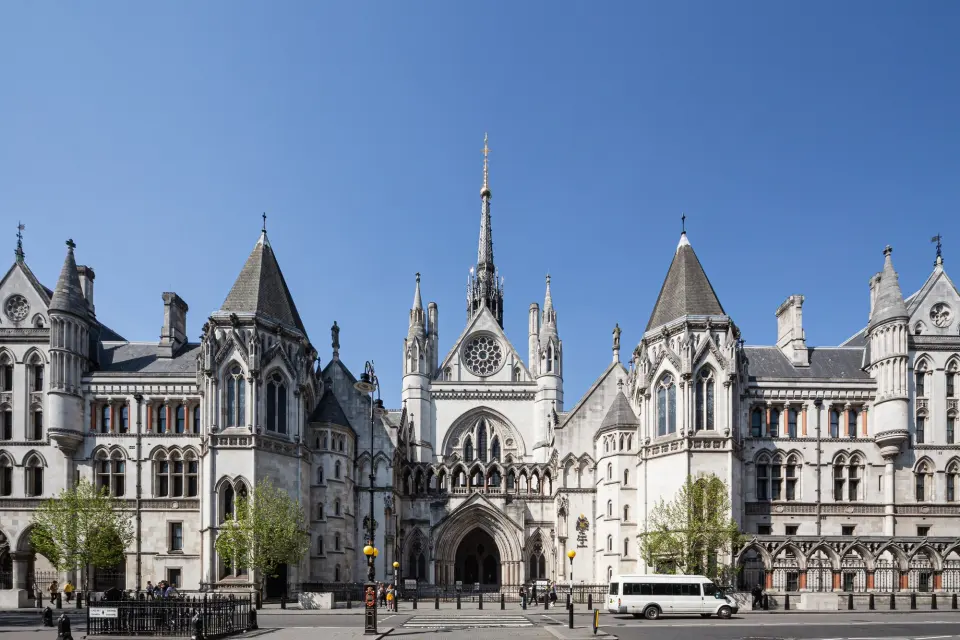
England keeps jury trials: the government has rewritten its criminal courts reform
On 4 October 2026 the Ministry of Justice announced it is dropping plans to have some serious criminal cases heard without a jury. The reason for the reform has not gone away: 80,829 cases were waiting at the Crown Court at the end of June 2026, 23,706 of them for a year or more. The rewritten Courts and Tribunals Bill returns to the House of Commons on 13 October.
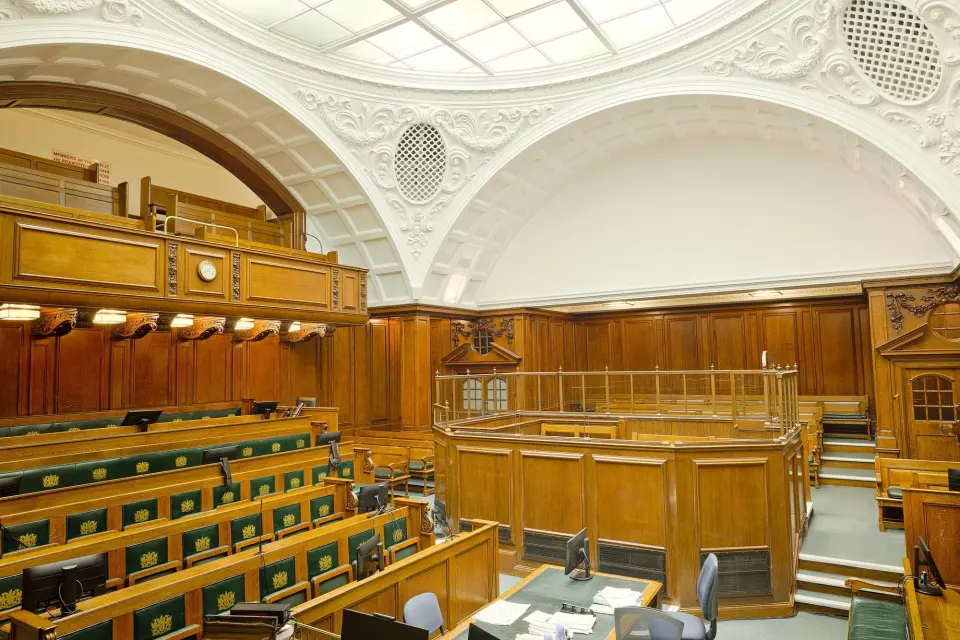
A jury summons has arrived: what to do, how long it lasts and what it pays
Jury summonses in England and Wales are sent at random from the electoral register, and you must respond within 7 days: silence or failing to attend can cost up to £1,000. Service usually lasts up to 10 working days, the court pays no wages but covers loss of earnings of up to £64.95 a day. Here is who gets called — foreign nationals included — how to move the date and what you can claim.

How to get your money back through the courts in England: claims online from £35, a £10,000 small claims limit and free mediation
A landlord kept your money, a tradesman took a deposit and vanished, a friend will not repay. In England and Wales the process is still called the small claims court and it is built for people without lawyers. From GOV.UK and the statute: time limits, fees, fee remission, compulsory free mediation and what to do when you win and they still do not pay.