Housing
Mortgage rates, changes to tenants’ rights, council tax and the running cost of a home.

What you can pay less for in Britain: lawful discounts on your bills — no savings promised
There are no money-saving secrets, but many people never claim the discounts they are due. Here are the lawful reliefs on Council Tax, energy, water, broadband and the TV Licence worth checking on your own bills.
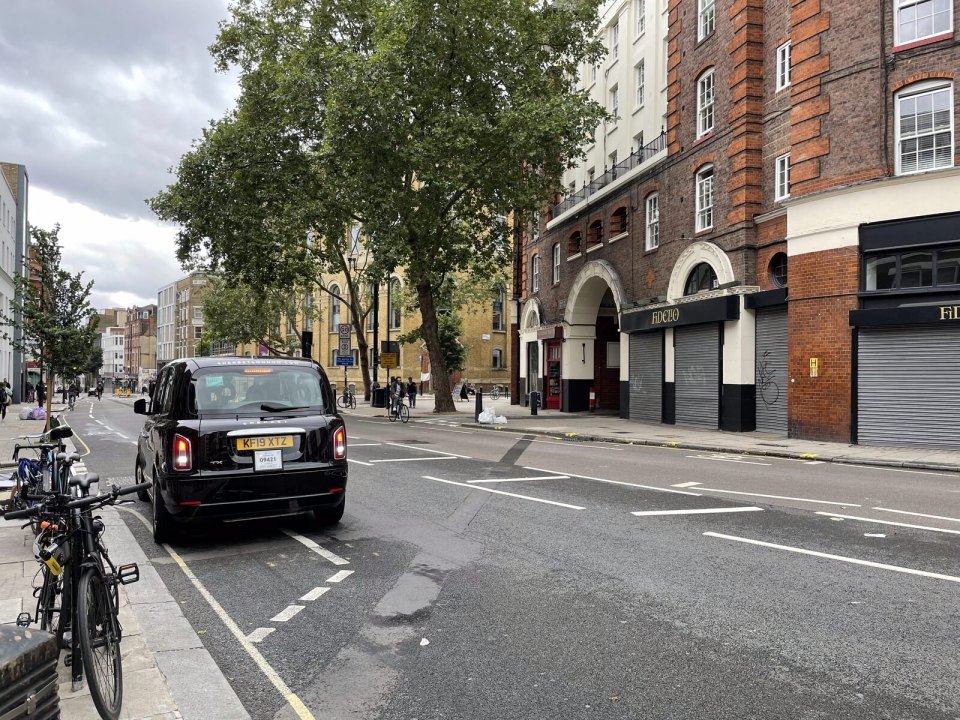
What renting a room in Britain really costs: rent, deposit and bills
The advert price is not the whole story. Renting a room adds a deposit and bills to the monthly rent, and some fees are outright unlawful. Here is what the real cost of a room is made of and what to check before you pay.

Dropped kerbs in the UK: how to get a legal vehicle crossover
Driving into your drive across the pavement needs an official crossover and council permission. Here is who applies, when planning permission is needed and what it costs.
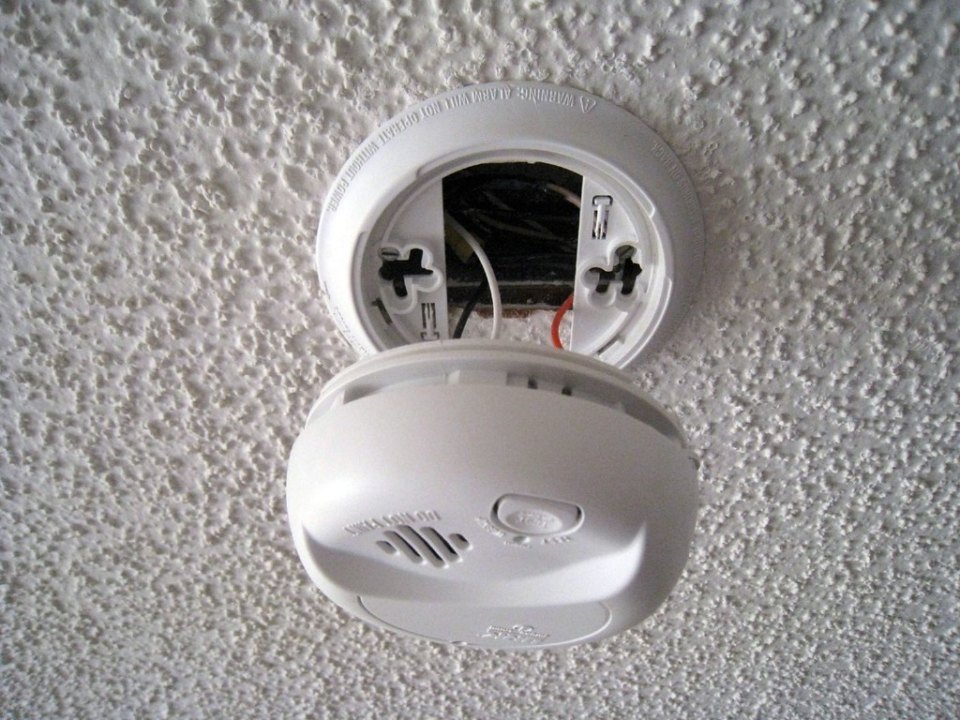
Smoke and carbon monoxide alarms: a landlord's duties
At least one smoke alarm per storey, a CO alarm by fuel-burning appliances and a fine of up to £5,000 per breach. What the law in England requires, per GOV.UK.
 ADV · A001ONLYWAY JEWELRY — gold, silver and platinumRings, chains, bracelets, earrings and pendants. Delivery across the UK.Advertise here

Japanese knotweed in the UK: do you have to remove it, and what the law requires
Japanese knotweed is an aggressive weed that damages gardens and foundations. You do not have to remove it by law, but you must stop it spreading onto other land.
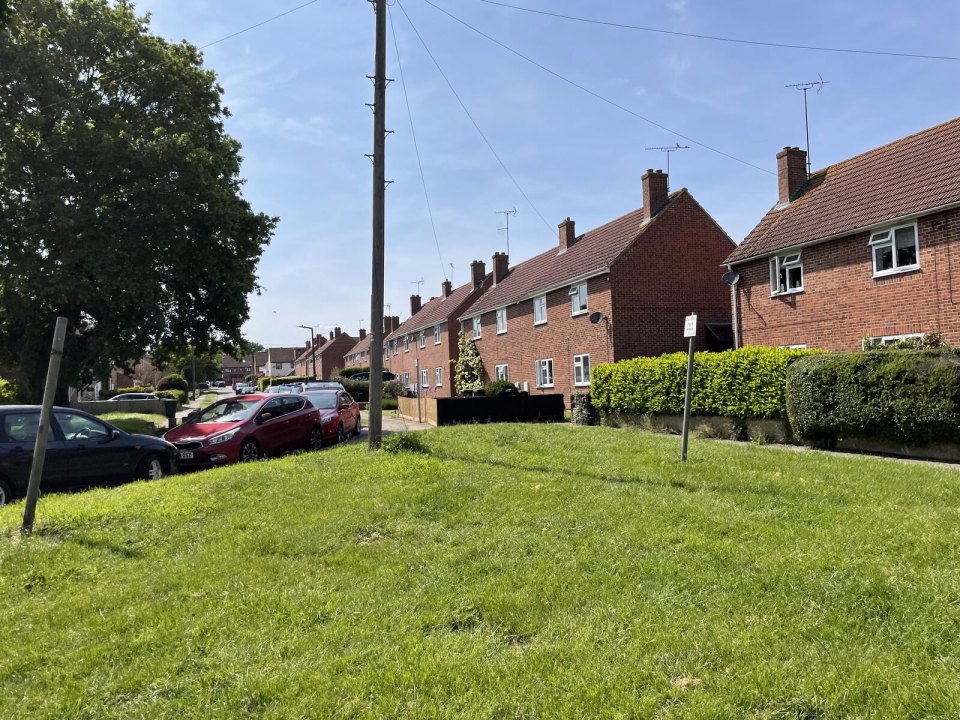
Extending a flat's lease in the UK: why it matters and what the 80-year threshold means
Many flats in the UK are sold leasehold — a long but finite term. As the lease runs down, the flat gets harder to sell and mortgage. Here is how to extend it.

Shared Ownership in 2026: how to buy a share of a home and gradually buy it outright
Shared Ownership lets you buy a share of a home and pay rent on the rest. It is a way onto the ladder with a deposit far smaller than usual, and you can buy more shares later.
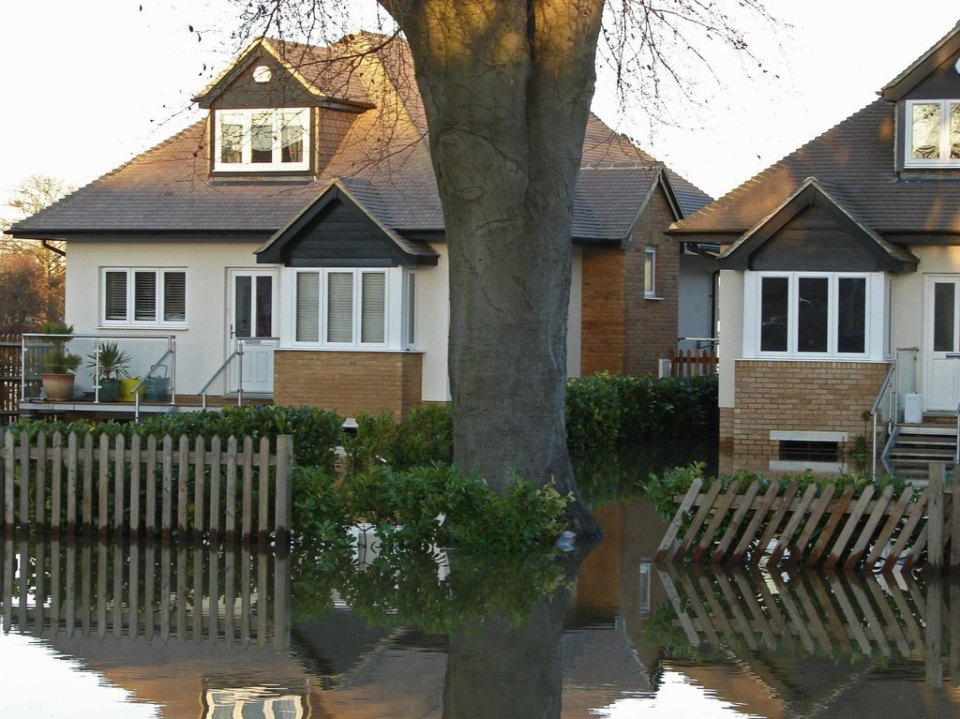
Flood Re: insuring a home in a flood-risk area
If your home is in a flood-risk area, insurance can be costly or hard to get. The Flood Re scheme exists to make cover affordable. Here is which homes qualify and what it gives you.

A listed home in England: what you cannot change without consent
If a building is listed, demolition, alteration or even replacing windows in a way that affects its character needs listed building consent. Unauthorised works are a criminal offence.
 ADV · A003We build websites for tradespeople and sole traders — £219Customers see your work and prices and message you straight away. Ready in 3 days, £219 instead of £438.Advertise here

Can you cut down a tree at your home in England? TPO rules and fines
If a tree has a Tree Preservation Order or stands in a conservation area, felling, pruning or uprooting it without the council's written consent is a criminal offence carrying a fine of up to £20,000.
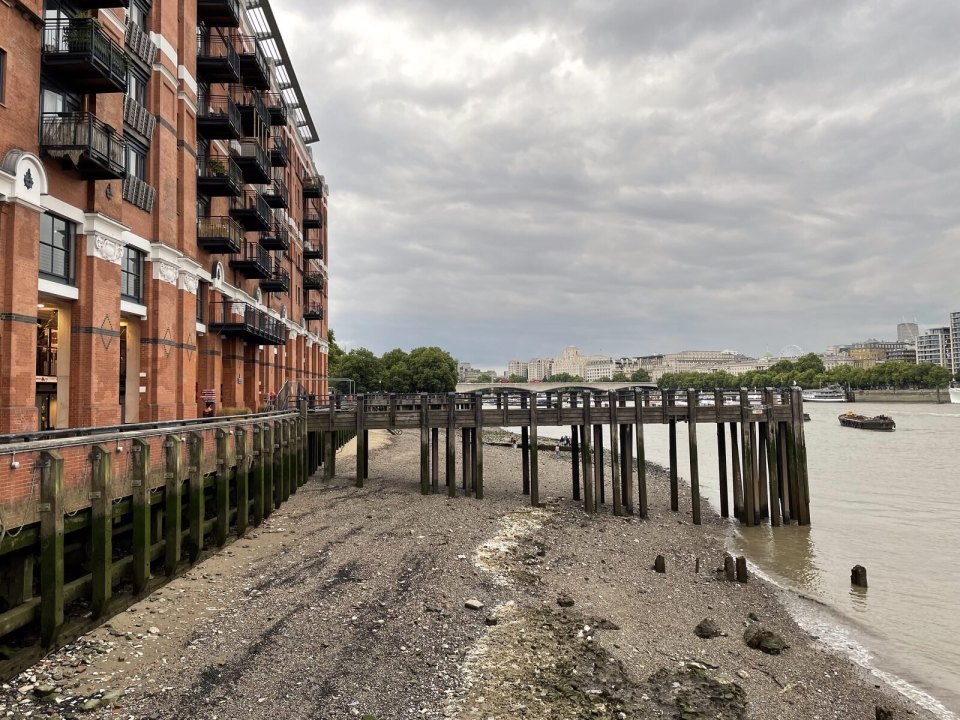
How to Rent a Home in England in 2026: Rights and Rules
The main tenancy type in England now, how your deposit is protected and what a Right to Rent check means, based on current GOV.UK rules for 2026.

Disabled Facilities Grant: up to £30,000 to adapt a home for disability
If a home needs adapting for a disabled person — a ramp, a stairlift or a level-access shower — the council can give a grant of up to £30,000 in England. For children under 18 it does not depend on the family's income.

Council Tax discounts: who pays less and who is not counted at all
Council Tax assumes at least two adults live in a home. If you live alone, you get 25% off. And some residents — students, for example — are not counted at all, which can cut the bill by 25% or 50%.
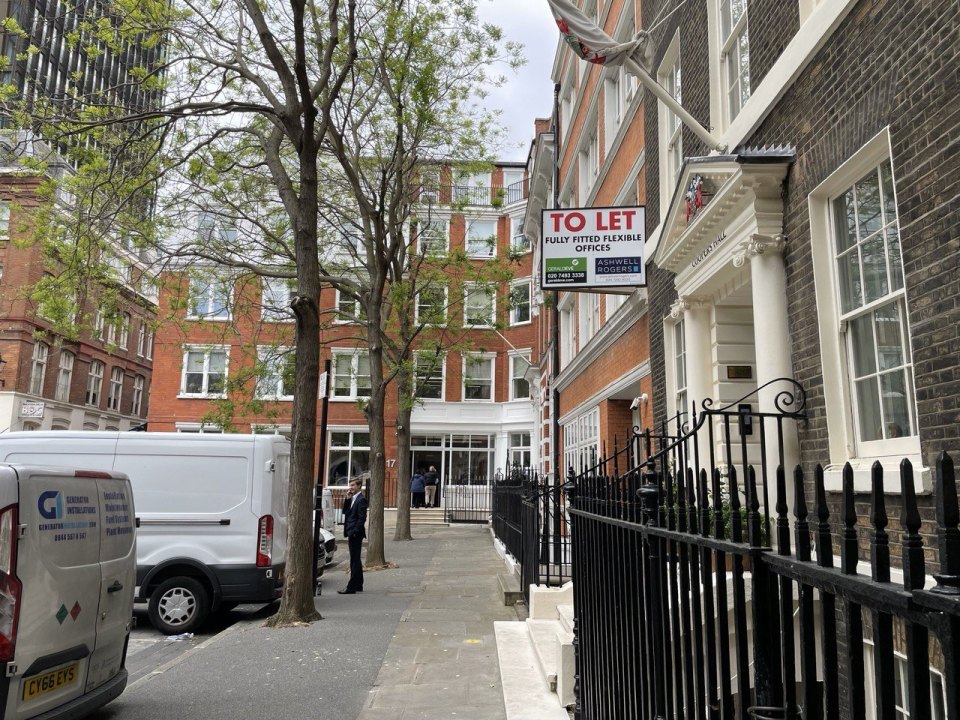
Repairs in a rented home: what your landlord must fix and where to complain
In a rented home in England the landlord is responsible for repairs to the structure, heating, wiring and plumbing — that is the law and it cannot be shifted onto the tenant. If they drag their feet, your council's environmental health team can step in.

Leasehold service charges in England: what you pay for and how to challenge them
A service charge pays for the upkeep of a building. Here is what it covers, why it must be reasonable, and how to challenge a charge you think is too high.

Ground rent on new leases is now zero
New long residential leases can no longer carry ground rent — the law limits it to a peppercorn, meaning zero. We explain which leases are covered and what to check.

A landlord evicting you without court, or changing the locks: that's illegal
A landlord cannot just «ask you to leave tomorrow», change the locks or put your things out. Eviction without a court order is unlawful and a criminal offence.
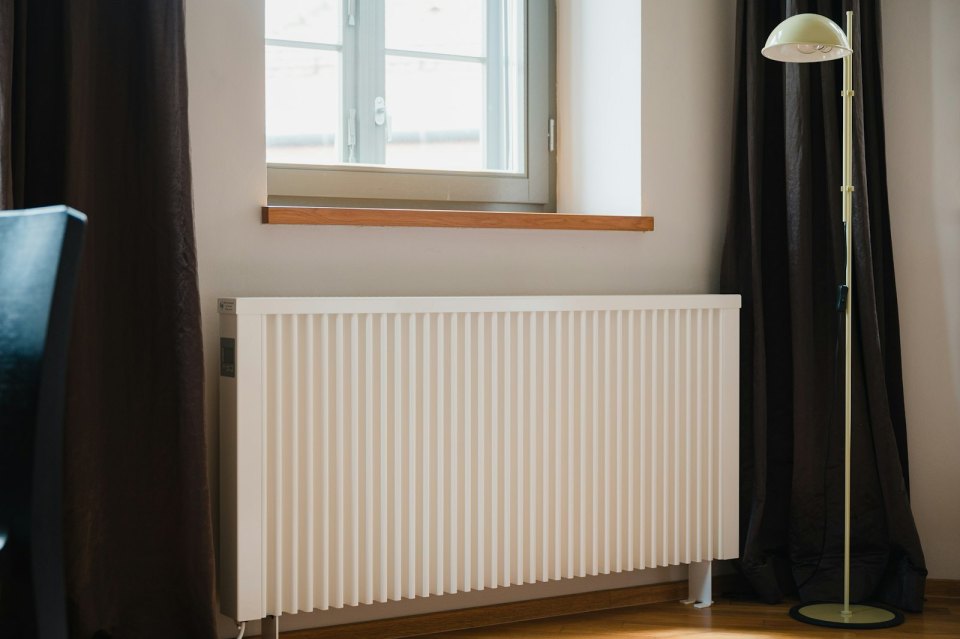
Broken heating or a leaking roof: what the landlord must repair
No hot water, a dead boiler, a leaking roof? By law the landlord must fix it — and they cannot sign that duty away in the tenancy agreement.
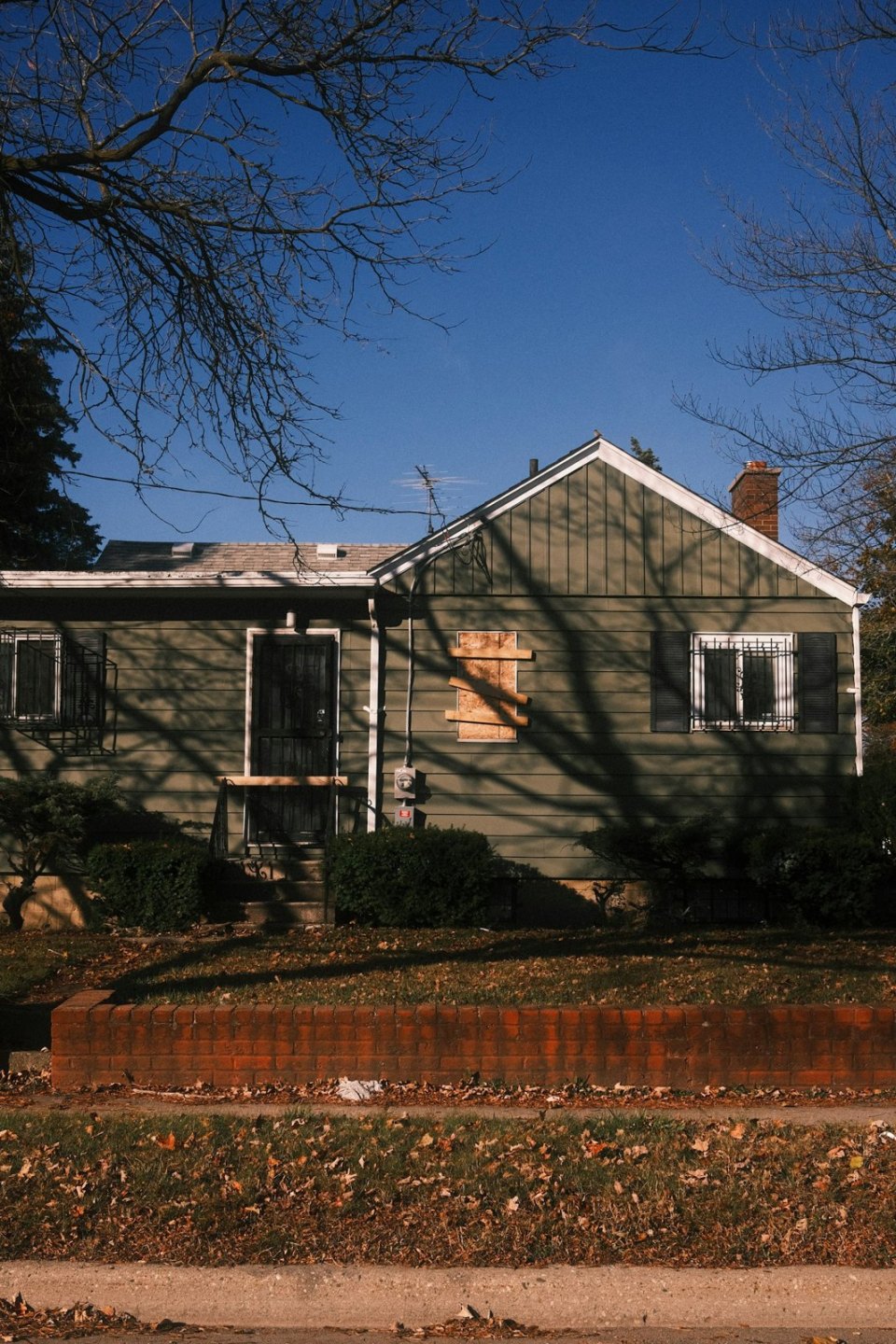
Squatting in a home is a crime: what the law says
Moving into an empty house «because no one lives there» is not a grey area but a crime. Here is what exactly is banned — and what it does NOT cover.
 ONLYWAY NEWSLIVEHousing · 08.11What you can pay less for in Britain: lawful discounts on your bills — no savings promisedImmigration · 08.11UK settlement reform: what was decided on 2 November, and what is not in force yetUK & Politics · 08.11UK dates to know, 8 November to 22 November: 7 to watchHousing · 08.11What renting a room in Britain really costs: rent, deposit and billsJobs & Business · 08.11How to check a UK job vacancy before you apply: pay, contract, right to work — and scam signsLife · 08.11How to give blood in England: age, weight and how to bookLife · 08.11How to disagree politely in English: 10 phrases for work and meetingsLife · 08.11Renewing a British passport from Russia: online only — the embassy does not make passportsBooks · 08.11Gulliver’s Travels at 300: why Swift’s book is far sharper than it looksUK & Politics · 08.11UN Day: what it marks and the United Kingdom’s role in the UNONLYWAY NEWS · appInstall the ONLYWAY NEWS appFresh UK news, classifieds, key dates and exchange rates on your home screen, one tap away. Free.NewsClassifiedsCalendarRates

A neighbour's camera or doorbell films your garden: your rights
Video doorbells and home cameras are everywhere. But if a camera captures someone else's property, the pavement or a shared area, data protection law applies.

Can spray foam block your mortgage?
The government has named eight major lenders open to considering homes with spray foam. Homeowners are advised to obtain an independent inspection, gather documents and ask the lender before paying for removal.

Boiler, hob, gas pipes: who is legally allowed to do gas work
Not just any «handyman» can fix or fit gas appliances. The law requires gas work to be done only by a competent, registered engineer — and that is about safety, not red tape.

Hiring a «man with a van» to take rubbish? By law, you're responsible
Gave old furniture or building waste to the first «man with a van», and he dumped it on the roadside? By law the fine can land on YOU. It's called duty of care.
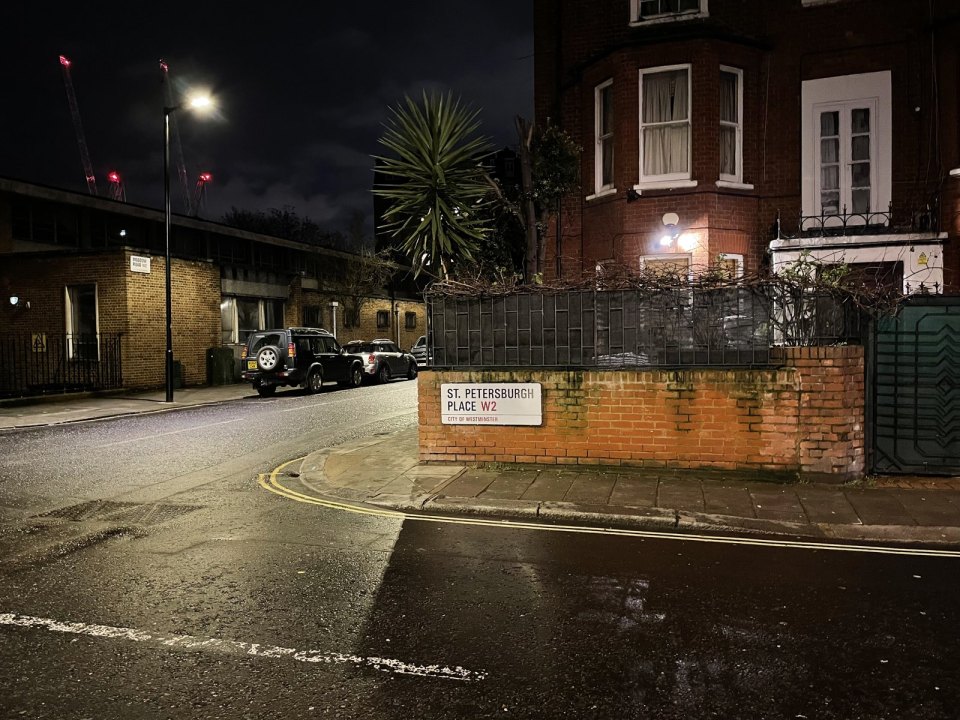
When your home stands empty: what the law and the ombudsman say about insurance
Away for a long trip, in hospital, inherited a property or mid-renovation? If a home stands empty, standard insurance may stop covering damage. Here's how the rules and the ombudsman see it.
ADV · A003We build websites for tradespeople and sole traders — £219Customers see your work and prices and message you straight away. Ready in 3 days, £219 instead of £438.Advertise here
London Living Rent 2026-27: below-market renting in London — the figures, income cap and how it's set
London Living Rent is a below-market rent tied to local incomes. The Mayor of London has published the 2026-27 benchmarks — here's how the rent is set and who it suits.
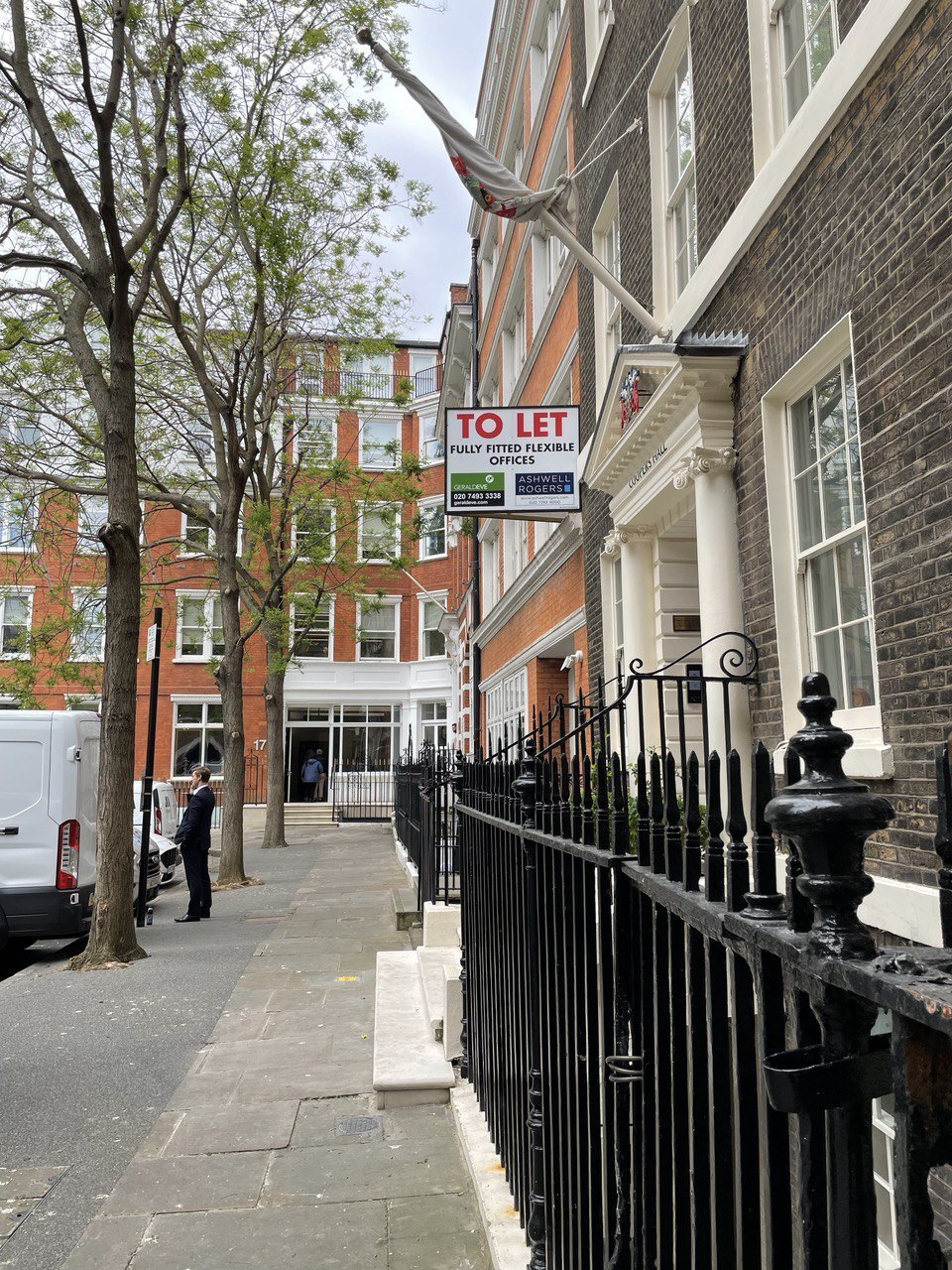
Guarantors when renting in England: what they cover and why you can't be charged a fee
A landlord may ask for a guarantor, but the law bans charging the tenant a fee for one and limits the payments you can lawfully be asked for.
Shared ownership: buying a share of a home — how it works and the catches
Shared ownership is a way to buy a home when you cannot afford a full mortgage: you buy a share of the property (usually 25% to 75%, sometimes from 10%) and pay rent on the rest to a housing association or developer. You can buy more shares later. Here is who qualifies, what the costs are and what to know in advance.
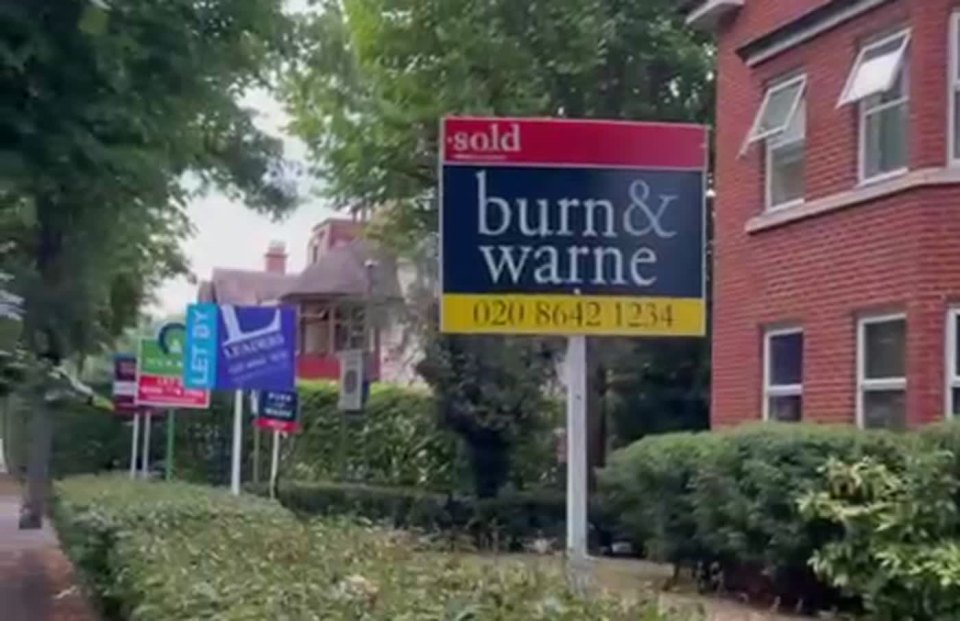
Zero-deposit renting: you pay less now, lose the money and still owe
No-deposit schemes (zero deposit, deposit replacement) look tempting: instead of a refundable deposit of five weeks' rent, you pay a small NON-refundable fee. But you lose that money for good and remain just as liable for damage as with a normal deposit. Here is how it differs from a real deposit and who it actually suits.
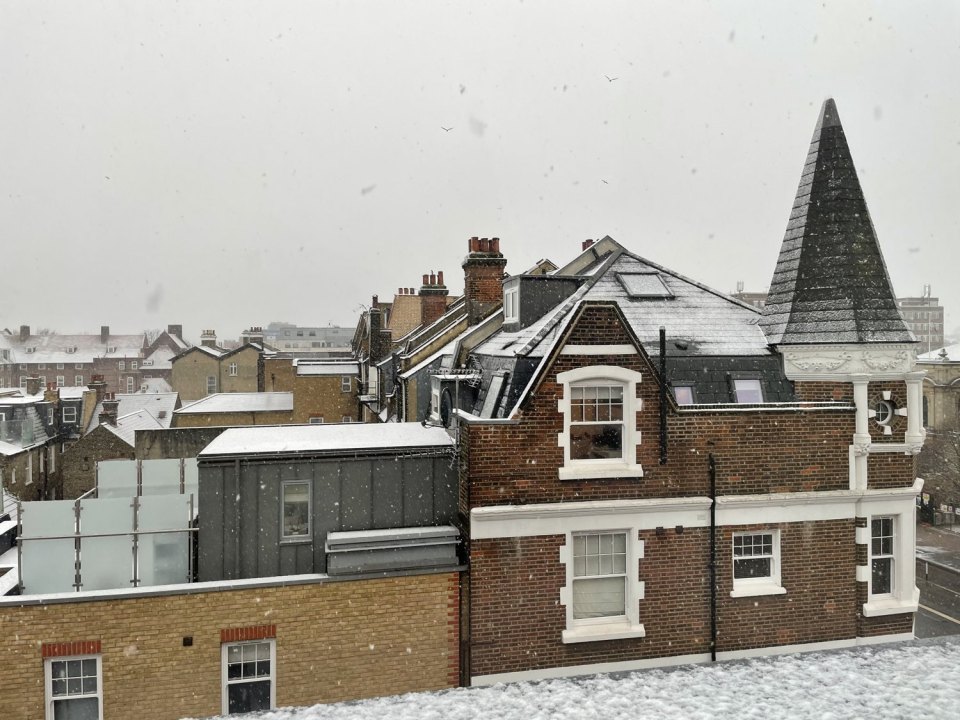
The bank's valuation is not a survey: the three survey levels when buying in the UK
Many buyers in the UK think that because the bank sent a valuer, the house has been checked. It has not: a mortgage valuation is done for the lender — to confirm the home is worth what is lent — not for you and not about its condition. Condition is checked by a survey, and under the RICS standard there are three levels: 1, 2 and 3. Here is how they differ and which to choose.
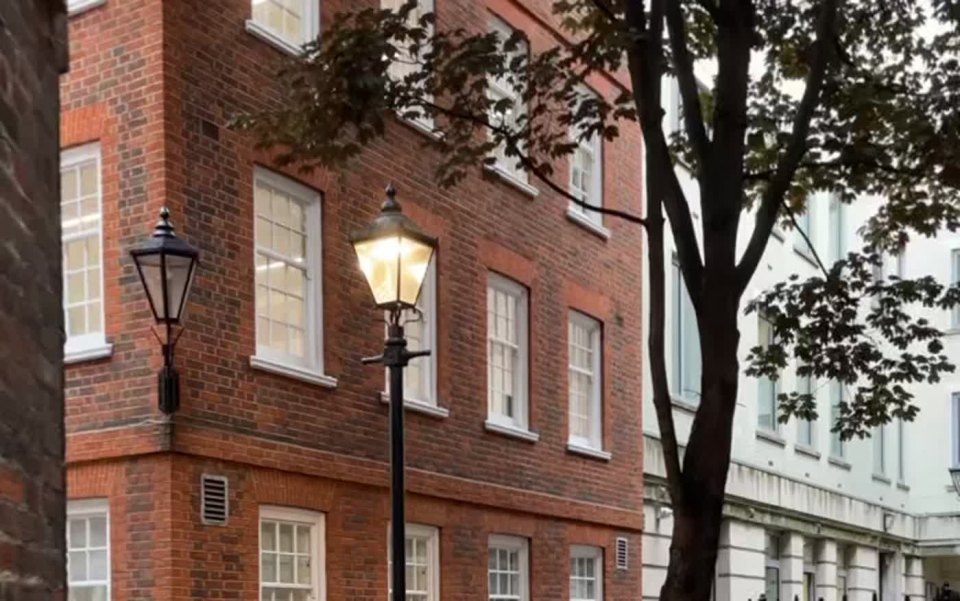
Your landlord wants to come in: when they may, and why they must give 24 hours' notice
A rented flat is your home, and a landlord cannot enter it without permission. By law they may come in to inspect condition and repairs only at a reasonable time of day and only on 24 hours' written notice (Landlord and Tenant Act 1985). Turning up unannounced, changing locks or using surprise visits to force a tenant out is harassment and an offence under the Protection from Eviction Act 1977. Here is what is allowed, what is not, and what to do.
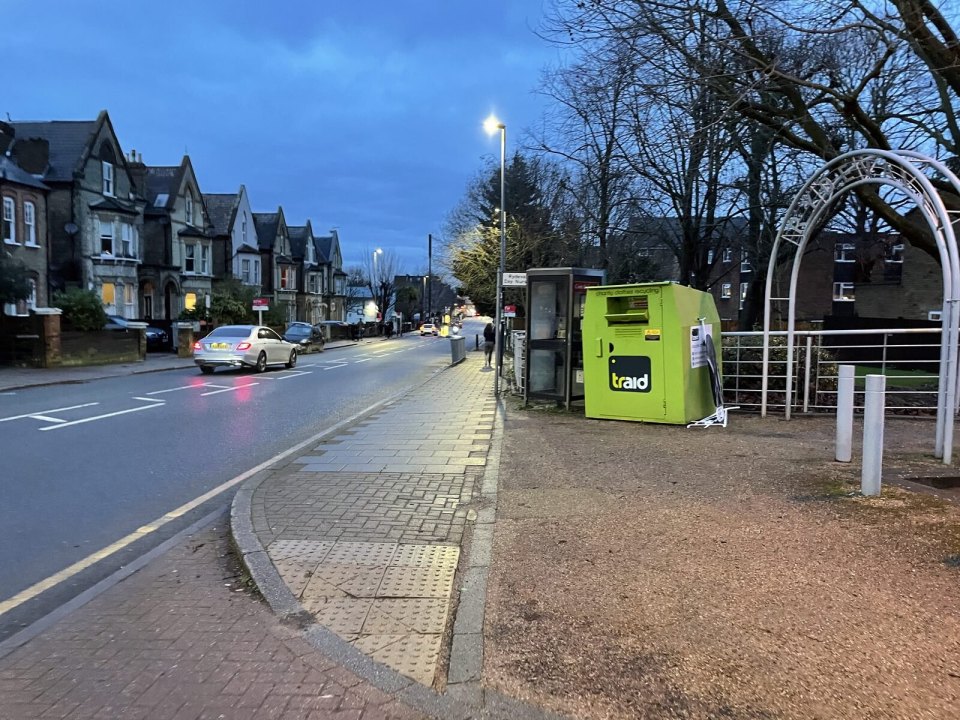
Household waste: why the fly-tipping fine lands on the sofa owner, not the man with the van
Your household waste stays yours until someone on the public register of waste carriers takes it. Skip the check and the council can issue a fixed penalty of £150 to £600 — and up to £5,000 for the fly-tipping itself.
Electrics and alarms in rented homes: a 28-day report and a £40,000 penalty
A landlord in England must have the electrics inspected at least every five years, hand the report to the tenant within 28 days and fix anything the report flags within another 28 days. The maximum penalty for breaking the electrical rules is £40,000; for smoke and carbon monoxide alarms it is £5,000. Here is exactly what you are owed, and when.

What a landlord can legally charge you: eight payments and no more
No rent can be asked for before the agreement is signed, and no more than one month in advance after it. The deposit is capped at five weeks' rent where the annual rent is under £50,000, and a holding deposit at one week. Anything outside the list of eight is recoverable.

Social housing and domestic abuse: the abuser leaves, not the survivor
On 20 October the government tabled amendments to the Social Housing Bill: perpetrators, not survivors, would be made to leave a social home, and survivors would not have to prove the abuse twice. What changes, where protective orders are not yet available, and why this is not law yet.
ADV · A001ONLYWAY JEWELRY — gold, silver and platinumRings, chains, bracelets, earrings and pendants. Delivery across the UK.Advertise here
Deposit withheld for wear and tear: where the line is
A tenant does not pay for fair wear and tear: a flattened carpet and faded curtains are not damage. Whoever withholds must prove it, and the scheme holding the deposit resolves the dispute free of charge.
Pets in a rented home: the request must be considered, the refusal justified
A tenant can ask to keep a pet, the landlord must consider the request, and a refusal needs a valid reason. There is no such thing as a separate pet deposit: the list of permitted payments is closed.

Moving out without paying on: two months' notice, given on the right day
Since 1 May 2026 almost every tenancy is periodic and has no end date. Notice to leave is two months, in writing, and must be given on the day the rent is due or the day before. Give less and the landlord can require the rent up to the end of those two months.

Stamp Duty on buying a home in England: bands, reliefs and the 14-day deadline
The tax on buying a home is charged in slices, not on the whole price at once. The threshold is £125,000, first-time buyers start at £300,000, an additional property adds 5%, and the return and payment are due within 14 days.
Stairs and guarding: England reviews Part K after more than 20 years
The Building Safety Regulator has opened a call for evidence on Part K of the building regulations. Stair dimensions, guarding heights and glazing are all in scope, and it closes on 28 December.
ONLYWAY NEWSLIVEHousing · 08.11What you can pay less for in Britain: lawful discounts on your bills — no savings promisedImmigration · 08.11UK settlement reform: what was decided on 2 November, and what is not in force yetUK & Politics · 08.11UK dates to know, 8 November to 22 November: 7 to watchHousing · 08.11What renting a room in Britain really costs: rent, deposit and billsJobs & Business · 08.11How to check a UK job vacancy before you apply: pay, contract, right to work — and scam signsLife · 08.11How to give blood in England: age, weight and how to bookLife · 08.11How to disagree politely in English: 10 phrases for work and meetingsLife · 08.11Renewing a British passport from Russia: online only — the embassy does not make passportsBooks · 08.11Gulliver’s Travels at 300: why Swift’s book is far sharper than it looksUK & Politics · 08.11UN Day: what it marks and the United Kingdom’s role in the UNONLYWAY NEWS · appInstall the ONLYWAY NEWS appFresh UK news, classifieds, key dates and exchange rates on your home screen, one tap away. Free.NewsClassifiedsCalendarRates
Rent repayment orders: how tenants claim back up to two years' rent
The ceiling is now two years' rent and the window is two years from the offence. The ten listed offences, Form RRO1, tribunal fees and the defences a landlord can run.

Drought: minister lets the Agency take more water to avoid rota cuts
On 19 October the minister's direction to the Environment Agency was published: in the severe drought zones around the Wimbleball, Ardingly, Roadford and Colliford reservoirs, public water supply comes before environmental releases. The stated aim is to avoid rota cuts.

High hedge next door: how a complaint to the council works in England
Two metres, two plants in a line, mostly evergreen. A fine of up to £1,000 for ignoring a remedial notice and 28 days to appeal. How a high hedge complaint works under Part 8 of the Anti-social Behaviour Act 2003.

Party wall notice: the work in England and Wales you must tell your neighbour about
Two months' notice, 14 days for the neighbour to reply, 14 days to appeal an award. What the Party Wall etc. Act 1996 covers, why silence is not consent, and who pays the surveyor.
The council housing waiting list in England: how to join and what moves you up
Your place depends on housing need, not the date you applied. You can apply at 18, sometimes 16, and even from outside the area. Points and bands, bidding without money, the 12-month trial tenancy and who pays for repairs.
ADV · A001ONLYWAY JEWELRY — gold, silver and platinumRings, chains, bracelets, earrings and pendants. Delivery across the UK.Advertise here
Permitted development: what you can build in England without planning permission
Four metres of extension for a detached house and three for everyone else, 2.5 metres for a shed near the boundary, one metre for a fence along the road. The permitted development limits, and how to avoid an enforcement notice.

Service charges in England: how to check the bill and challenge it
You owe a reasonable sum, not any sum. Costs older than 18 months need not be paid, spending above £250 requires consultation, and a demand without a summary of rights can be withheld. What to check, and how to reach the tribunal.

HMO licence: when a shared house cannot be let without one
If five or more people from different households rent a property and share a toilet, bathroom or kitchen, it is a large house in multiple occupation and the landlord needs a council licence. The licence lasts five years at most, sets minimum bedroom sizes — 6.51 square metres for one adult — and requires an annual gas safety certificate. Letting without one carries an unlimited fine, and tenants can reclaim up to twelve months of rent through a tribunal.
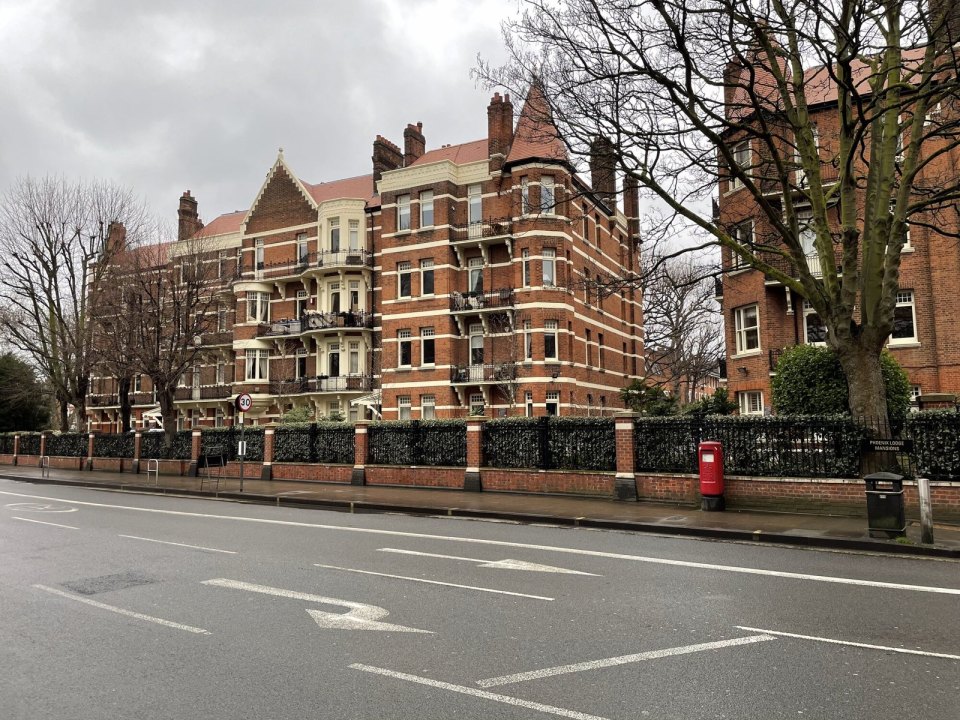
Shared ownership in England: a 10% to 75% share, rent on the rest and the charges nobody mentions
A share of between 10% and 75% of the home's value, rent to the landlord on the rest, and leasehold rather than outright ownership. Household income must be £80,000 or less, rising to £90,000 in London. Who qualifies, what getting in costs, and the charges that surface after completion.

Gas safety certificate when renting: yearly, 28 days to hand over, two years to keep
A landlord must have each appliance checked yearly by a Gas Safe engineer and give the tenant a copy before move-in or within 28 days. What the record must contain, and what to do without one.
ADV · A003We build websites for tradespeople and sole traders — £219Customers see your work and prices and message you straight away. Ready in 3 days, £219 instead of £438.Advertise here
Eviction from a rented home in England: grounds, notice periods and the court
Section 21 stopped working on 1 May 2026. Every eviction now has a numbered ground: four months' notice if the landlord sells, four weeks for arrears, two weeks for a breach. What the court checks, and when bailiffs arrive.

Tenancy deposit: 5 weeks, 30 days and how to get it back
A landlord must put your deposit into a government-approved scheme within 30 days and return it within 10 days of agreeing the amount. The caps, the deadlines and what to do if the money is withheld.
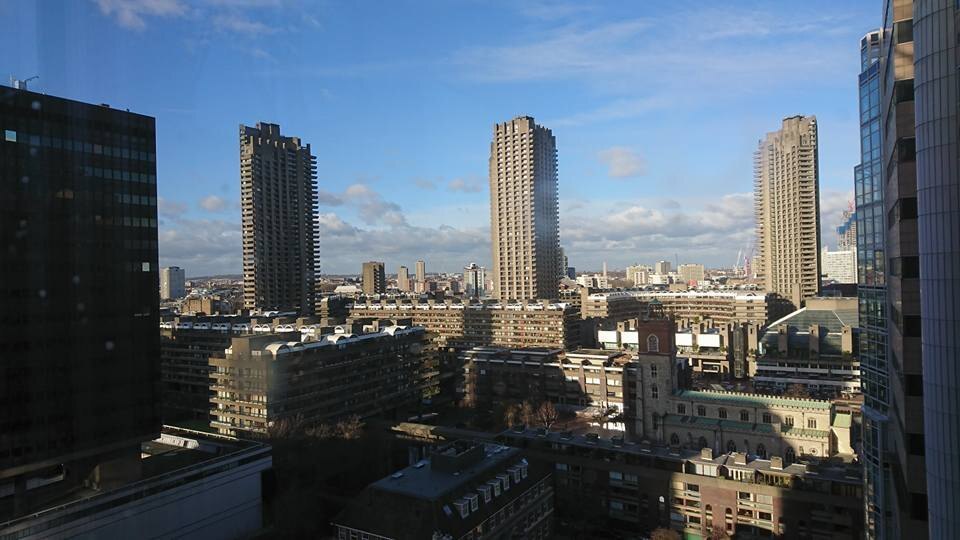
Renting in London and England: prices, where to search and the 2026 rules
Average London rent is £2,332 a month. Since 1 May 2026 bidding above the advertised rent is banned, deposits are capped at five weeks and rent in advance cannot be demanded.

Rent a Room: £7,500 a year tax-free for a room in your own home
Letting a furnished room in your own home is tax-free on up to £7,500 a year, or £3,750 if the income is shared. Below the threshold you file nothing; above it, Self Assessment is compulsory.
EPC explained: ratings A to G, valid 10 years, and fines for letting below E
An Energy Performance Certificate is required when you sell, let or build a home. It lasts 10 years, you can check one free online, and letting an F or G rated home in England and Wales is prohibited.
ONLYWAY NEWSLIVEHousing · 08.11What you can pay less for in Britain: lawful discounts on your bills — no savings promisedImmigration · 08.11UK settlement reform: what was decided on 2 November, and what is not in force yetUK & Politics · 08.11UK dates to know, 8 November to 22 November: 7 to watchHousing · 08.11What renting a room in Britain really costs: rent, deposit and billsJobs & Business · 08.11How to check a UK job vacancy before you apply: pay, contract, right to work — and scam signsLife · 08.11How to give blood in England: age, weight and how to bookLife · 08.11How to disagree politely in English: 10 phrases for work and meetingsLife · 08.11Renewing a British passport from Russia: online only — the embassy does not make passportsBooks · 08.11Gulliver’s Travels at 300: why Swift’s book is far sharper than it looksUK & Politics · 08.11UN Day: what it marks and the United Kingdom’s role in the UNONLYWAY NEWS · appInstall the ONLYWAY NEWS appFresh UK news, classifieds, key dates and exchange rates on your home screen, one tap away. Free.NewsClassifiedsCalendarRates
Right to Buy: a discount of up to 70% — but only £16,000 in most of London
A council tenant can buy their home at a 35–70% discount. But since 21 November 2024 the cash cap has been cut hard: £16,000 across most of London, £38,000 in the South East.

Building control gets dearer in England: councils move to full cost recovery on 6 November
MHCLG Circular 05/2026 and SI 2026/1094 revoke the 2010 rules. The list of chargeable functions nearly doubles, the free first hour of advice stops being compulsory, and an application sent without payment is not validly made.

Short on rent: what replaced Discretionary Housing Payments in England on 1 April 2026
Since 1 April 2026 England has the Crisis and Resilience Fund instead of Discretionary Housing Payments. It does not affect your benefits, you apply through your council, and every council sets its own rules.

Noise from neighbours: what the council must do and what the fines are
If noise amounts to a statutory nuisance under the Environmental Protection Act 1990, the council must investigate and serve an abatement notice. Breaching it brings fines of up to £5,000 for a home and £20,000 for a business.

Unsafe cladding Bill: £500,000 fines and a new register of buildings
The government introduced its Remediation of Unsafe Cladding Bill on 14 October. Building owners will have a legal duty to fix unsafe cladding, with tribunal fines of up to £500,000 for ignoring a Remediation Order.
Mortgage lending at 4.5 times income: lenders gain flexibility from 28 October
The Bank of England and FCA are removing each lender’s 15% limit on new mortgages at or above 4.5 times income, while retaining a market-wide constraint. Here is what borrowers, including self-employed applicants, should know.

Council help when you are homeless: what they must do and why 56 days matters
Approach the council before you are on the street: the law requires it to work with people threatened with homelessness within 56 days. The prevention duty, the relief duty, interim accommodation, and how all of it differs from the council housing waiting list.
England to pilot certificates showing how well a home stands up to flooding
Flood Performance Certificates will be piloted in higher-risk areas of England in 2026. They are meant to show the risk to a specific home, the protection already fitted and the improvements still needed, but they are not yet compulsory.

Damp and mould in a rented flat: strict repair deadlines are coming to private landlords
The government opened a consultation on 8 October on extending Awaab’s Law to the private rented sector. Deadlines counted in days currently bind only social landlords; once extended, around 9 million households would be covered instead of 4 million. The consultation closes on 18 December 2026.

Homes in London take 84 days to sell — longest in Britain
ONS published fresh Rightmove figures on 8 October: a London sales listing now sits on the market for 84 days on average, 11 days longer than a year ago. The Great Britain average is 68 days.
ONLYWAY NEWSLIVEHousing · 08.11What you can pay less for in Britain: lawful discounts on your bills — no savings promisedImmigration · 08.11UK settlement reform: what was decided on 2 November, and what is not in force yetUK & Politics · 08.11UK dates to know, 8 November to 22 November: 7 to watchHousing · 08.11What renting a room in Britain really costs: rent, deposit and billsJobs & Business · 08.11How to check a UK job vacancy before you apply: pay, contract, right to work — and scam signsLife · 08.11How to give blood in England: age, weight and how to bookLife · 08.11How to disagree politely in English: 10 phrases for work and meetingsLife · 08.11Renewing a British passport from Russia: online only — the embassy does not make passportsBooks · 08.11Gulliver’s Travels at 300: why Swift’s book is far sharper than it looksUK & Politics · 08.11UN Day: what it marks and the United Kingdom’s role in the UNONLYWAY NEWS · appInstall the ONLYWAY NEWS appFresh UK news, classifieds, key dates and exchange rates on your home screen, one tap away. Free.NewsClassifiedsCalendarRates
Hosepipe bans in England: ten companies, 30 million people, six reservoirs exceptionally low
Temporary use bans are in force at ten water companies, from Thames Water to South West Water, and affect around 30 million people. England's reservoirs are 55% full against an expected 74.3%. What exactly is banned, the fine, who is covered, and why the company must cut your charges.

Your UK water bill: how it is calculated and how to pay less
You cannot switch water supplier, but you can change the amount on the bill. What each company charges in 2026/27, when a meter pays off, who qualifies for a social tariff worth up to 90% off, why water is never disconnected over arrears, and when the company owes you GBP 10 a day.
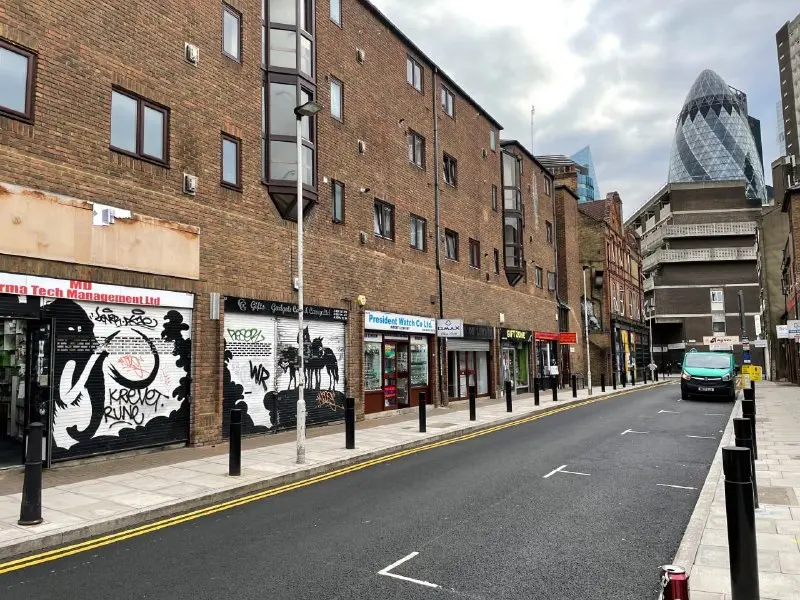
UK house prices stall: annual growth halves to 0.8% and prices slip over the month
Nationwide’s September house price index, published on 1 October, shows annual growth halving from 1.6% to 0.8% — the weakest since December 2025. Prices fell 0.2% over the month and the average home costs £274,251. London is up just 0.4% over the year, Northern Ireland 5.9%, while East Anglia, the East Midlands and the South West are in negative territory.

Renters’ Rights Act: what changed for tenants in England — evictions, rent rises, deposits and pets
Section 21 is abolished, fixed-term tenancies are gone, rent rises once a year and only by Form 4A, advance rent is capped at one month and bidding wars are banned. A point-by-point guide to the new law and what to do now.

Right to rent: what landlords must check from 1 October 2026 — and how to get a share code in five minutes
An updated right to rent code of practice applies in England from 1 October. Every adult occupier is checked, even those not named on the agreement; landlord penalties reach £20,000 per person. Here is how to pass the check in five minutes with a share code, what British and Irish citizens show instead, why nobody may check 'only the foreign-looking' tenants — and what you must do if you sublet a room yourself.
ADV · A003We build websites for tradespeople and sole traders — £219Customers see your work and prices and message you straight away. Ready in 3 days, £219 instead of £438.Advertise here
Your First Home: equity loans return to England — 20% from the government with a 2.5% deposit. The new scheme, and every other way to buy for less
On 26 September the government announced Your First Home — the heir to Help to Buy, closed in 2023: first-time buyers will get a government equity loan worth 20% of a new-build's price with a deposit of just 2.5%, and an interest-free initial period. Income and price caps arrive in October's Budget. Here is how the scheme will work, what Help to Buy taught us — and what is available right now: Shared Ownership from a 10% share, First Homes at 30-50% off, the Lifetime ISA with its 25% government top-up, Right to Buy and developer incentives.

Where to live cheaply in London: boroughs with rents from £1,500 — 2.4 times below Kensington — and what you trade for the price
Average London rent has passed £2,300, and Kensington sits at £3,690. Yet the map has boroughs where the average let is £1,500-1,700 and a house costs £376,000 against London's £550,000 — ONS figures from summer 2026. An honest guide to the affordable belt: what life there really costs, whether the shops are truly 'half price', and what exactly you pay with — time, the view from the window, and more.

Empty homes in England: councils will be able to take over a property after just 6 months
On 27 September the government announced a reform of Empty Dwelling Management Orders: the period after which a council can ask a tribunal to take an empty home into compulsory management is being cut from two years to six months. That comes on top of the council tax premium — an extra 100% after just one year empty. Here is what changes and how to stay clear of the new rules.

Your First Home: buy your first home in England with a 2.5% deposit and a 20% government loan
The government has announced a new scheme for first-time buyers — Your First Home: a deposit from 2.5%, topped up by a government-backed equity loan of up to 20% of a new-build's price, with an initial interest-free period. Compared with a 95% mortgage that could mean saving hundreds of pounds a month. Income and price caps will be set at the Budget on 28 October.

Empty shopfronts on the high street: £210m to revive them, and how a small business can win a unit at a rental auction
MHCLG announced a £210m package on 25 September, £10m of it for High Street Rental Auctions — a council's power to force a landlord to let premises empty for over a year. An ordinary cafe or shop can win the lease. The conditions: 12 months vacant, 22-24 weeks of process, a 1-5 year tenancy, and one sealed bid only.
ADV · A001ONLYWAY JEWELRY — gold, silver and platinumRings, chains, bracelets, earrings and pendants. Delivery across the UK.Advertise here
Damp and mould in a rented home: what the landlord must do, and in how many days
In social housing the deadlines are in law: 24 hours for an emergency, 10 working days to investigate damp, 3 days for a written summary, 5 for the safety work. Private renting has no day counts — but it has a free council inspection and the courts. A guide for the heating season.
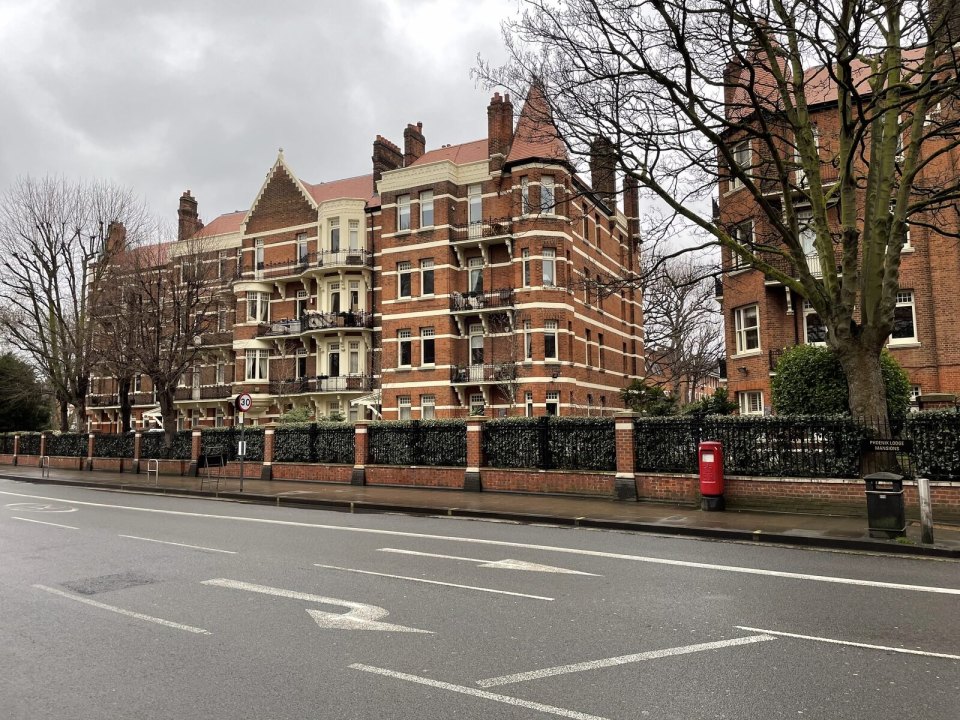
Your rent is going up: how to challenge it for £47 — and why the tribunal can no longer set it higher than the landlord asked
Since 1 May 2026 rent in England can be raised once a year, by form 4A notice with two months' warning. Challenging it costs £47, and the application must be in before the new rent starts. The key change: the tribunal cannot award more than the landlord proposed, and a revenge eviction under section 21 is no longer possible.
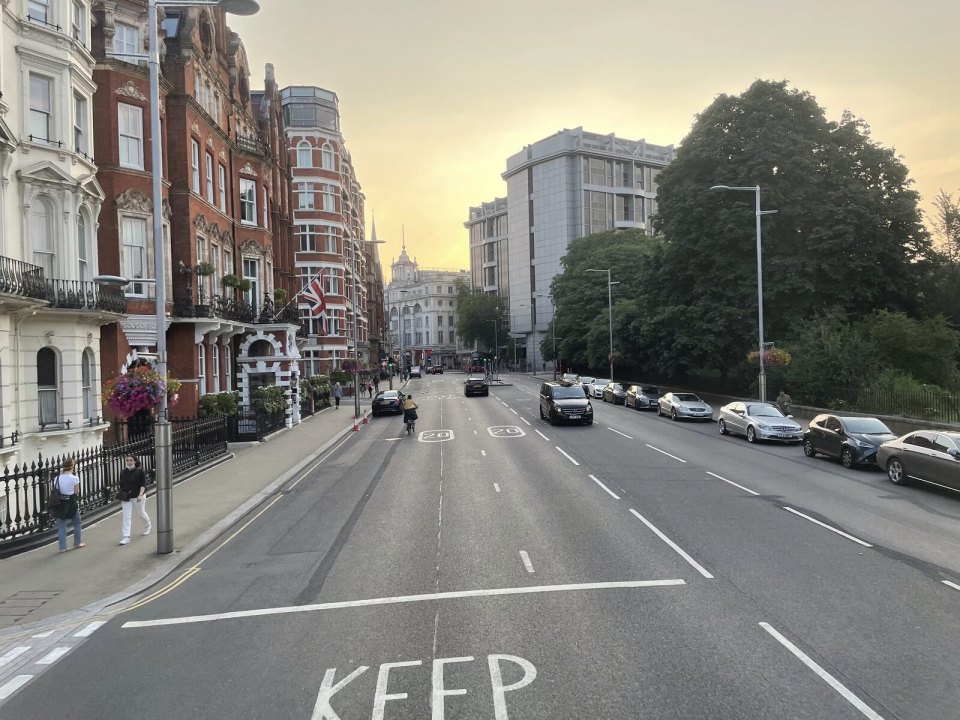
UK rents hit £1,400 a month, £2,332 in London — £79 a month more than a year ago
ONS August data: average private rent across the UK is £1,400 a month, with annual growth up from 3.7% to 3.8%. London is £2,332 and accelerating from 3.0% to 3.5% — about £950 a year extra for the same flat. The fastest rises are not in the south but in the north: 5.8% in the North East and North West.
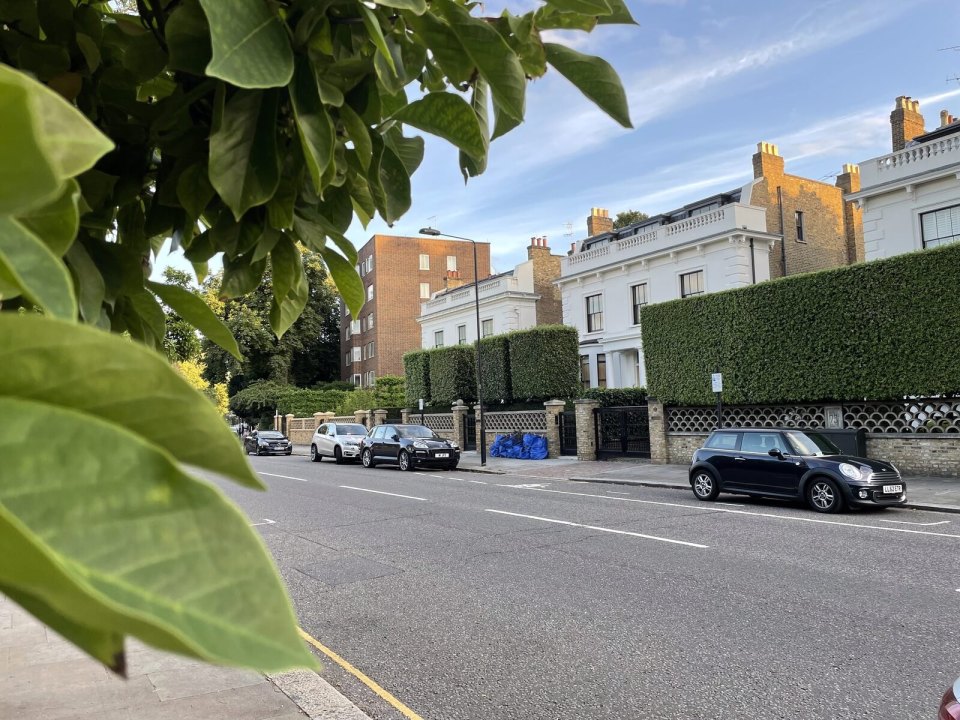
How to get your tenancy deposit back in the UK: if it was never protected, the court must award you at least its value
A deposit must be placed in one of three government-approved schemes within 30 days, with the prescribed information sent in the same window. Checking takes two minutes and costs nothing. If it was never protected, the county court must award between one and three times the deposit, and you have six years to claim. Since 1 May 2026 an unprotected deposit blocks the possession order itself.

Your mortgage fix is ending: how to lock a rate six months early and avoid the SVR
Bank Rate is 3.75%, but newly drawn mortgages cost 4.45% in July and the whole outstanding stock 3.97%. When a fix ends, the lender moves you onto its standard variable rate by default — almost always the most expensive option available. Under the Mortgage Charter you can reserve a new deal six months ahead and swap it for a better one if that appears before it starts.
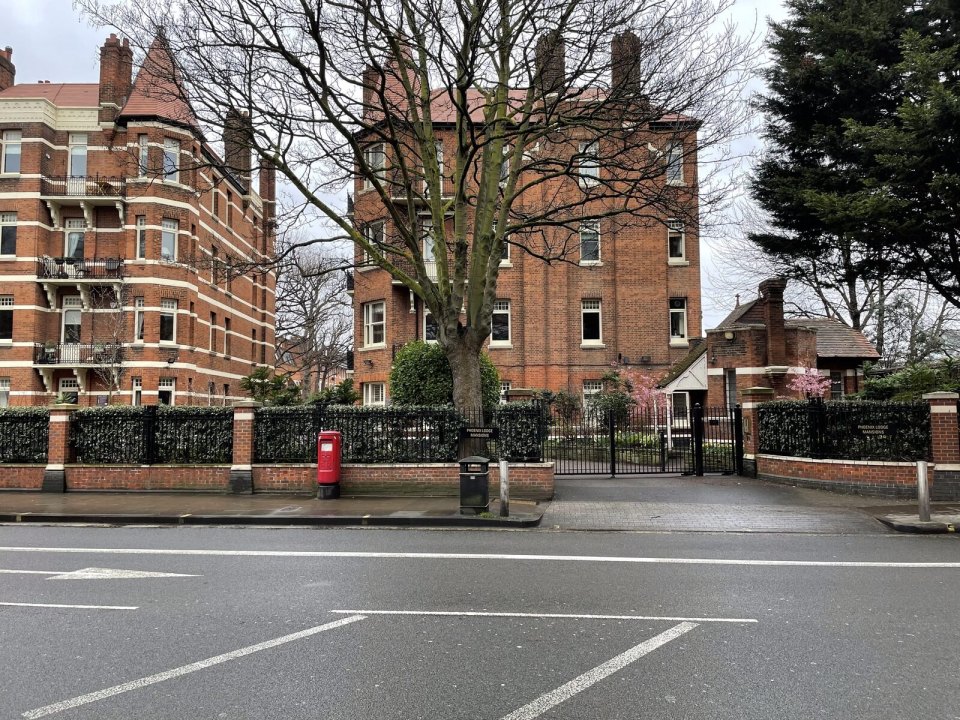
Renting in London 2026: what a flat costs and what deposit is legal
What renting in London actually costs, on the latest ONS figures: £2,317 a month in the capital, £1,451 across England, £1,393 UK-wide. By law the deposit is capped at five weeks’ rent and the holding deposit at one, and it must be protected within 30 days. Agreement fees, reference checks and inventories are not yours to pay.
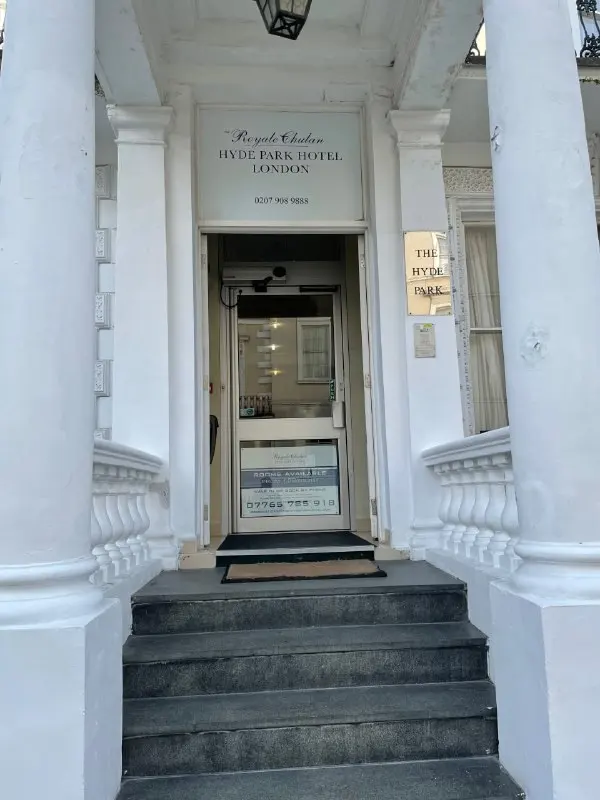
Letting a room? The check is compulsory, and the penalty runs to £20,000
Every new tenant must be checked, and only the landlord can do it. Two things are needed: the tenant’s share code and their date of birth. Checking only the people who “look foreign” is a separate breach of the law.

Assured shorthold tenancies are gone: how renting works now
Since 1 May, England has had neither assured shorthold tenancies nor section 21 evictions. A landlord must now name a ground.