EPC explained: ratings A to G, valid 10 years, and fines for letting below E
An Energy Performance Certificate is required when you sell, let or build a home. It lasts 10 years, you can check one free online, and letting an F or G rated home in England and Wales is prohibited.
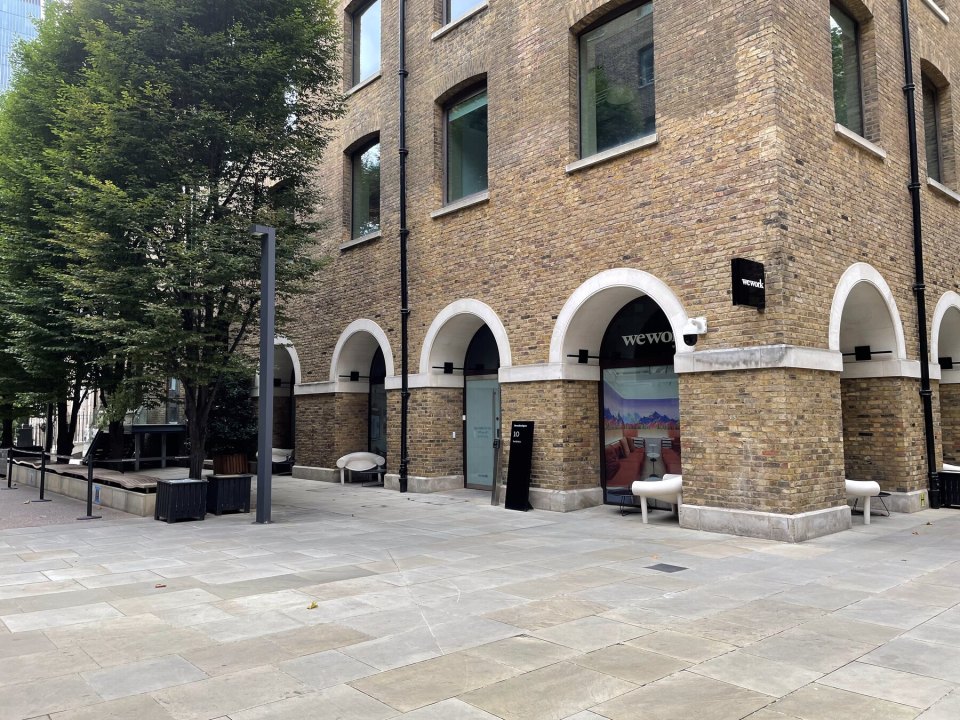
An Energy Performance Certificate (EPC) tells you how energy efficient a property is: its energy use, typical energy costs, and the steps that would improve it. Ratings run from A (best) to G (worst), and a certificate is valid for 10 years.
When is an EPC required?
You must have one in three cases: selling a property, renting one out, or building a new one. The certificate must be ordered BEFORE the property is marketed to sell or rent, so that potential buyers and tenants can see it. You can be fined if you do not get an EPC when you need one.
 ADV · A001ONLYWAY JEWELRY — gold, silver and platinumRings, chains, bracelets, earrings and pendants. Delivery across the UK.Advertise here
Scotland adds a requirement: the EPC must be displayed somewhere in the property, for example in the meter cupboard or next to the boiler.
If you are buying or renting, the seller, landlord or letting agent must show you the EPC. That is an obligation, not a courtesy.
How do you check whether one exists, and what does it cost?
Checking is free: the Find an energy certificate service on GOV.UK shows whether a property has a valid EPC and lets you download it. If the property does not appear there, you probably need a new one.
The certificate itself is paid for. It is produced by an accredited assessor, who can be found through the Find an accredited assessor service. An estate agent will often arrange this.
When is an EPC not needed?
GOV.UK lists the exceptions. No certificate is required for temporary buildings that will be used for less than two years, for stand-alone buildings with a total useful floor space of less than 50 square metres, or for industrial sites, workshops and non-residential agricultural buildings.
 ADV · A003We build websites for tradespeople and sole traders — £219Customers see your work and prices and message you straight away. Ready in 3 days, £219 instead of £438.Advertise here
What is the risk for a landlord with an F or G rating?
England and Wales operate the MEES rules — the Minimum Energy Efficiency Standard. They apply to domestic private rented property let on an assured, regulated or domestic agricultural tenancy and legally required to have an EPC.
From 1 April 2018 such properties could not be let on new tenancies at an F or G rating. From 1 April 2020 the prohibition extended to all relevant properties, even where the tenancy had not changed. The only lawful alternative to improving the rating to E is registering an exemption on the PRS Exemptions Register.
Local authorities enforce this. Where a council believes there is a breach it may serve a compliance notice up to 12 months afterwards, requesting the EPC that was valid at the time of letting, the tenancy agreement, details of improvements made, and any Energy Advice Report.
What does a breach cost?
If a breach is confirmed, the council may serve a financial penalty up to 18 months after it and publish details of the breach for at least 12 months. Councils set the level themselves within the maximum limits in the Regulations, and those maximums apply per property and per breach.
The headline thresholds: up to £2,000 and/or a publication penalty for renting out a non-compliant property for less than three months; up to £4,000 and/or a publication penalty for three months or more. Registering false or misleading information on the exemptions register carries its own penalty.
Landlords have a right of review and a right of appeal against the council's decision; the procedure is set out in the same GOV.UK landlord guidance.
- Travel London Tube and TfL closures in October 2026: the Piccadilly line stops entirely at Halloween, and no Tube to Heathrow on 17–18 October
- Life Free English with a native speaker: how Russian speakers can find a language partner
- Life A London concert cancelled back in March is still on sale for 4 October — and the full Russian-language listings for October
- Life Primary school applications close on 15 January: only 85% of Inner London children get their first choice
- Life A hundred students walked into an Edinburgh pub? What the viral Reel really shows
- Tax HMRC visits: how to check an officer's identity under the rules updated on 7 October
- Life Russian-language events in London: verified dates to December 2026