Free pharmacy blood pressure check in the UK: who can get one and what the numbers mean
High blood pressure usually has no symptoms but raises the risk of heart attack and stroke. Many UK pharmacies check it free for adults aged 40 and over — here is what the numbers mean.
Thanks for £1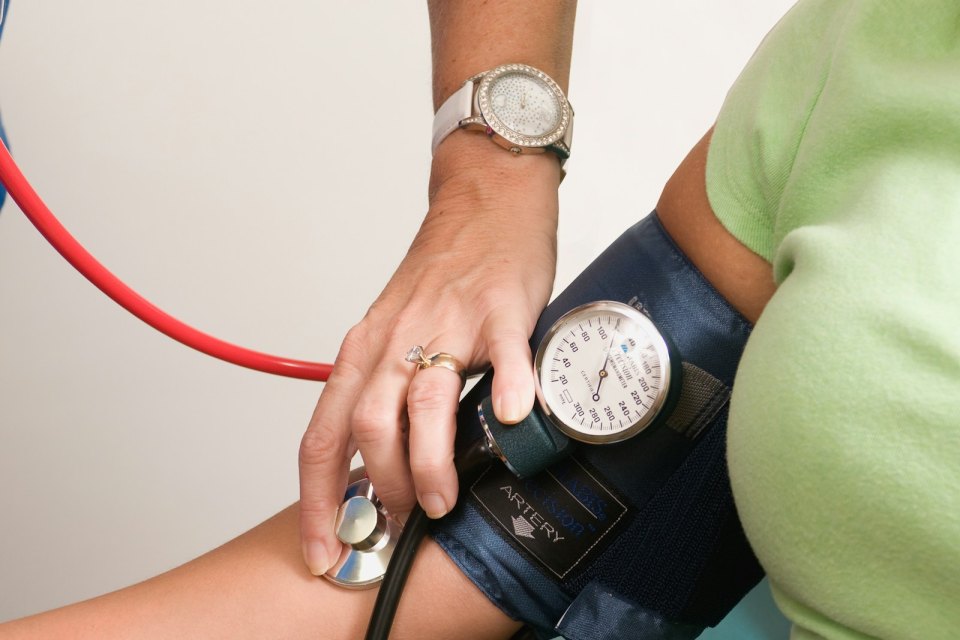
High blood pressure (hypertension) is dangerous because it usually cannot be felt: there are no symptoms, and a person can go years without knowing. Yet untreated high blood pressure markedly raises the risk of heart attack, stroke, and heart and kidney disease. The good news: checking it is easy and often free. Here is where and how, in the UK.
Where can you get it checked free?
Many pharmacies in England check blood pressure free for adults aged 40 and over. It is convenient: no appointment needed, you can drop in. Note that some pharmacies may charge, so it is worth asking first. Blood pressure is also measured at your GP surgery.
 ADV · A003We build websites for tradespeople and sole traders — £219Customers see your work and prices and message you straight away. Ready in 3 days, £219 instead of £438.Advertise here
How often should you check?
If you are 40 or over and have not had your blood pressure checked in more than 5 years, you should get it done. Many people discover high blood pressure by chance — precisely because it causes no symptoms. Regular checks are the simplest way not to miss a problem and to start managing it in time.
What do the two numbers mean?
Blood pressure is written as two numbers, for example 130/80. The first (top) number is always higher than the second. If measured by a health professional, 140/90 or above is usually considered high. Measured at home the threshold is a little lower — 135/85 or above. One high reading is not a diagnosis: a doctor may suggest monitoring, for example with a 24-hour portable monitor.
Why does high blood pressure matter?
Because there are usually no symptoms, many people do not suspect it. Over time it raises the risk of heart attack, stroke, heart failure, kidney disease and vascular dementia. Importantly, lowering it — even a little — already reduces those risks. That is why checking early really matters.
What helps keep it in range?
Doctors advise simple things: move more (aim for at least 150 minutes of activity a week), keep within 14 units of alcohol a week, cut down on salt, keep a healthy weight and do not smoke. If blood pressure stays high, a doctor may prescribe medicine, taken regularly, which reliably lowers the risks.
When is it an emergency?
A blood pressure check is prevention, not emergency care. But if signs of a stroke appear (sudden weakness or numbness of the face or arm, slurred speech) or a heart attack (crushing chest pain), call 999 immediately. For non-urgent advice, call 111. Otherwise the sensible step is simply to pop into a pharmacy for a check, especially if you are over 40 and it has been a while.
Thanks for £1If this information was useful and came in time, press the heart. Payment goes through PayPal, with nothing to choose and nothing to fill in, and it pays for the newsroom.

- Jobs & Business Post Your Ad Free
- Travel Next-generation airport scanners in Britain: what changes and what can be searched
- Life Russian-speaking doctors and clinics in London: eight addresses checked against the registers
- Life Russian-language events in London: verified dates to December 2026
- Life Where to buy the food you grew up with in London: Russian, Ukrainian, Polish and Baltic shops
- Housing UK rents hit £1,400 a month, £2,332 in London — £79 a month more than a year ago
- Travel Peak and off-peak fares in London 2026: when travel is cheaper