
Access to Work: a grant for equipment, support workers and travel, with no means test
The scheme pays for equipment, a BSL interpreter, a job coach, travel and vehicle adaptations. No diagnosis needed, nothing to repay, no effect on other benefits. Self-employed need £6,500 turnover.
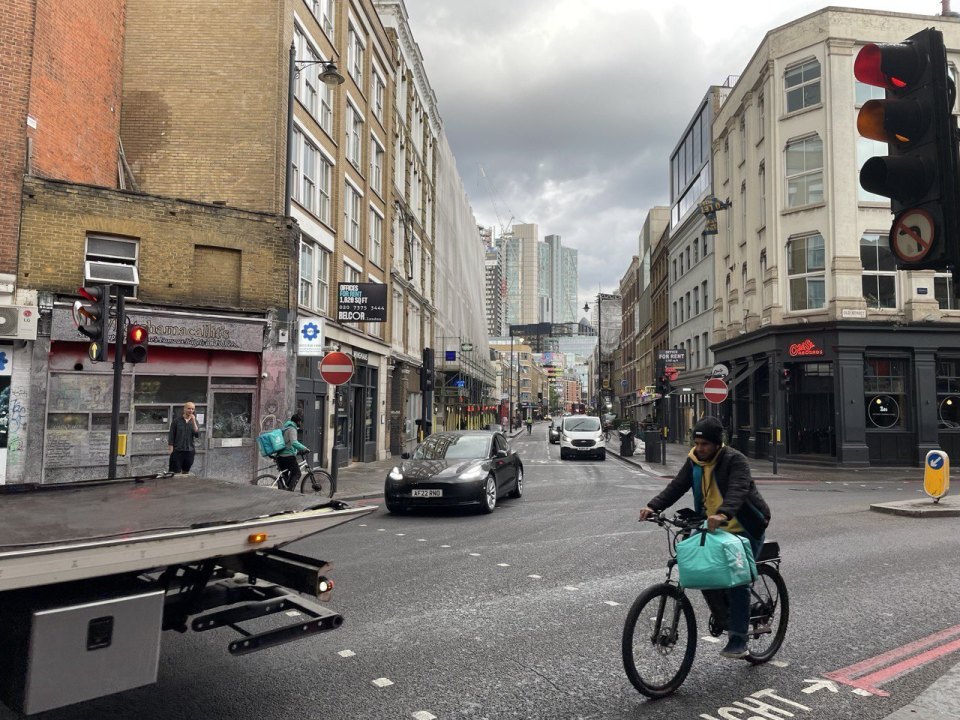
Self-employed on paper only?
The UK government is consulting on how to protect people labelled self-employed when a business effectively controls their work. An estimated 900,000 people may be at risk of missing employment rights. Here is what applies now, what is proposed, and how to respond.

New Style JSA in 2026: £95.55 a week, 182 days and the Jobcentre interview
The unemployment benefit paid on your National Insurance record, not on need — savings are ignored entirely. Rates, who qualifies, what to bring to the interview and what triggers a sanction.
Flexible working requests in the UK: the rules, the deadline and the eight reasons to refuse
Every employee can ask for different hours, different days or home working from day one. Here is what the request must contain, how long the employer has to answer, and the only eight business reasons that allow a refusal.
 ONLYWAY NEWSLIVEHousing · 15.10Short on rent: what replaced Discretionary Housing Payments in England on 1 April 2026Money · 15.10Gaps in your National Insurance record: £18.40 a week and only six years backLife · 15.10Free UK GHIC: state healthcare in Europe and 15 working days for deliveryLife · 15.10Great British Railways HQ confirmed for Derby with 600 apprenticeship placesLaw · 15.10Subject access requests: getting your records, emails and CCTVHousing · 15.10Noise from neighbours: what the council must do and what the fines areLaw · 15.10Freedom of information requests: how to get data from a public bodyLaw · 14.10Bailiffs at the door: what they cannot do and cannot takeLife · 14.10Brain cancer: government speeds up the route from lab to patientLife · 14.10SORN explained: taking a car off the road and getting your tax backONLYWAY NEWS · appInstall the ONLYWAY NEWS appFresh UK news, classifieds, key dates and exchange rates on your home screen, one tap away. Free.NewsClassifiedsCalendarRates
Paternity leave in the UK: two weeks, £194.32 and two notice deadlines
Paternity Leave lasts no more than two weeks and cannot start before the birth. Here is who qualifies, what it pays in 2026 and how much notice an employer needs before the pay is lost.

Minimum wage 2026: the rates, who is covered and how to get arrears back
From 1 April 2026 it is £12.71 an hour at 21 and over, £10.85 at 18 to 20 and £8 for apprentices. Deductions for uniform or tools can put you below the minimum even on £13 an hour.

DBS checks in England: the four levels, the £20 fee and the deadlines people miss
Almost every job asks for a criminal record check. What separates a basic check from an enhanced one, what it costs and how long it takes, which addresses you will have to dig up, and why you get 30 days to join the Update Service.

Free careers advice moves into Jobcentres from 6 October 2026
From 6 October 2026 the National Careers Service has been merged into DWP, with around 500 careers advisers now working through Jobcentres. The advice is free and does not depend on benefits: it is available online and on 0800 072 0288, with face-to-face appointments starting later in October.

Four-day week in London: Lambeth prepares the capital’s first council trial
Lambeth council, run by the Greens since May, is preparing a trial four-day working week for its own staff — the first London borough to do so. Pay is to stay the same. No start date has been named. A year ago the government told English councils to drop such schemes, and the Conservative candidate for mayor has already asked why Londoners who work five days should pay for a council day off.
 ADV · A001ONLYWAY JEWELRY — gold, silver and platinumRings, chains, bracelets, earrings and pendants. Delivery across the UK.Advertise here
How much paid holiday you are entitled to in the UK: 28 days, bank holidays and what you are owed when you leave
Paid holiday here is counted in weeks, not days: 5.6 weeks a year. On a five-day week that is 28 days — and unless your contract says otherwise, all eight bank holidays come out of them. Here is what the law gives you: the figures for part-time and zero-hours work, how holiday pay is calculated, what applies in your first year, and why untaken leave must be paid even if you are dismissed for gross misconduct.

Sick pay in the UK in 2026: paid from day one, up to £123.25 a week
Since 6 April 2026 the three unpaid waiting days are gone and the earnings threshold has been scrapped: SSP is available to every eligible employee. The rate is 80% of average weekly earnings or £123.25 a week, whichever is lower, for up to 28 weeks. Who qualifies, when you need a fit note, what the self-employed can claim and where to complain if an employer refuses.

Made redundant in the UK: how much you are owed and what to do if you are on a work visa
The statutory maximum is £22,530: £751 per week of service, up to 20 years, and only after two years in the job. The first £30,000 is tax free. And if you are on a Skilled Worker visa, redundancy leaves you 60 days or the remainder of your visa, whichever is shorter. Here is what you are owed, by when, and where to get free advice.

Working in England 2026: what jobs pay, what you keep, and how the work visa actually starts
The minimum wage in England is £12.71 an hour by law; median full-time pay is £39,039 a year, worth about £2,630 a month after tax. You can start work before your National Insurance number arrives, but never without the right to work. And the Skilled Worker visa starts with a sponsoring employer: £41,700 or your occupation’s going rate, whichever is higher.

October: employers start answering for how customers behave
From 30 October part of the Employment Rights Act 2025 takes effect: employers must take “all reasonable steps” against sexual harassment and become liable for harassment by third parties — customers, visitors, contractors. And from 1 October the tribunal time limit rises from three months to six.