Driving in winter: what the law requires in snow and ice
Clearing all snow from your windows is a legal duty, and stopping distances on ice grow tenfold. A look at the Highway Code from the source.
Thanks for £1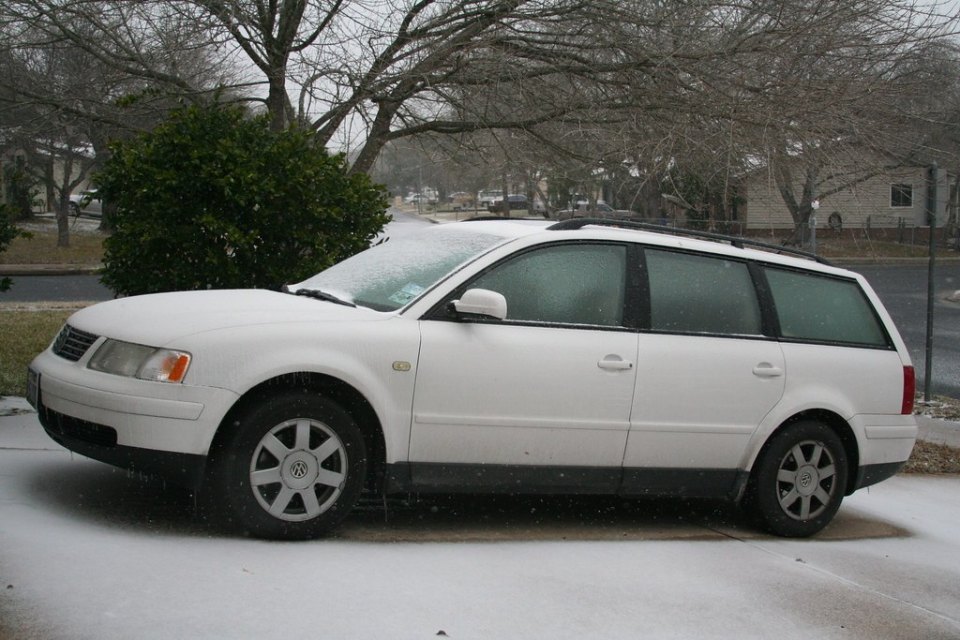
Ice and snow change the rules of the road, and some of those rules are law, not advice. Rules 226 to 237 of the Highway Code set out exactly what a driver must do before setting off and how to drive on a slippery surface. Here is what the official code actually says.
What must you do before you drive?
Clear the car. Rule 229 uses "MUST" (a legal requirement): "you MUST be able to see, so clear all snow and ice from all your windows." The same rule says you MUST keep lights clean and number plates clearly visible and legible. You should also clear the mirrors, fully demist the windows, and remove snow that could fall onto other road users.
Should you travel at all?
Rule 228 says to check the weather forecast in winter and states plainly: "DO NOT drive in these conditions unless your journey is essential." If it is, allow extra time and go carefully. The Met Office issues the UK's severe weather warnings.
How much longer is the stopping distance on ice?
Dramatically. Rule 230 says stopping distances in icy and snowy weather "can be ten times greater than on dry roads." On wet roads (Rule 227) they are "at least double." Keep well back from the vehicle in front and watch for gritters and snowploughs.
How should you drive on a slippery road?
Rule 231: use a low speed in as high a gear as possible, and accelerate and brake "very gently." Brake before a bend, not on it. Test your grip gently in a safe place. If the steering feels light and unresponsive, there may be ice under the wheels. Rule 226 says you MUST use headlights when visibility is seriously reduced — generally when you cannot see more than 100 metres.
What about the pavement outside your home?
You can and should clear it. GOV.UK guidance says that if you clear snow carefully, "it's unlikely that you'll be sued" if someone is injured. Clear early while the snow is loose, avoid water (it refreezes into black ice), and use salt (not from public grit bins) or sand and ash for grip. Take extra care on steps and slopes.
And if it's fog, not snow?
Rules 234 to 236 deal with fog. Keep a safe distance behind the vehicle in front and do not use its tail lights as a guide to hang on to. By law you MUST NOT use fog lights unless visibility is seriously reduced, and you MUST switch them off once visibility improves, so you do not dazzle other drivers. In heavy snow with poor visibility the same lighting duties apply.
The short version: clear every window, switch your lights on, triple your following distance, and treat the pedals gently — a winter road forgives more when you do.
Thanks for £1If this information was useful and came in time, press the heart. Payment goes through PayPal, with nothing to choose and nothing to fill in, and it pays for the newsroom.
- Jobs & Business Post Your Ad Free
- Life Russian-speaking doctors and clinics in London: eight addresses checked against the registers
- Life Russian-language events in London: verified dates to December 2026
- Life Where to buy the food you grew up with in London: Russian, Ukrainian, Polish and Baltic shops
- Housing UK rents hit £1,400 a month, £2,332 in London — £79 a month more than a year ago
- Travel Peak and off-peak fares in London 2026: when travel is cheaper
- Immigration UK visitor visa step by step 2026: timing, cost, biometrics and how long it takes