Self Assessment tax return in the UK: the deadline is 31 January 2027, and what late filing costs
If you file a Self Assessment tax return in the UK, your online return for the last tax year must be filed — and the tax paid — by 31 January 2027. Miss it and the penalty starts at £100.
Thanks for £1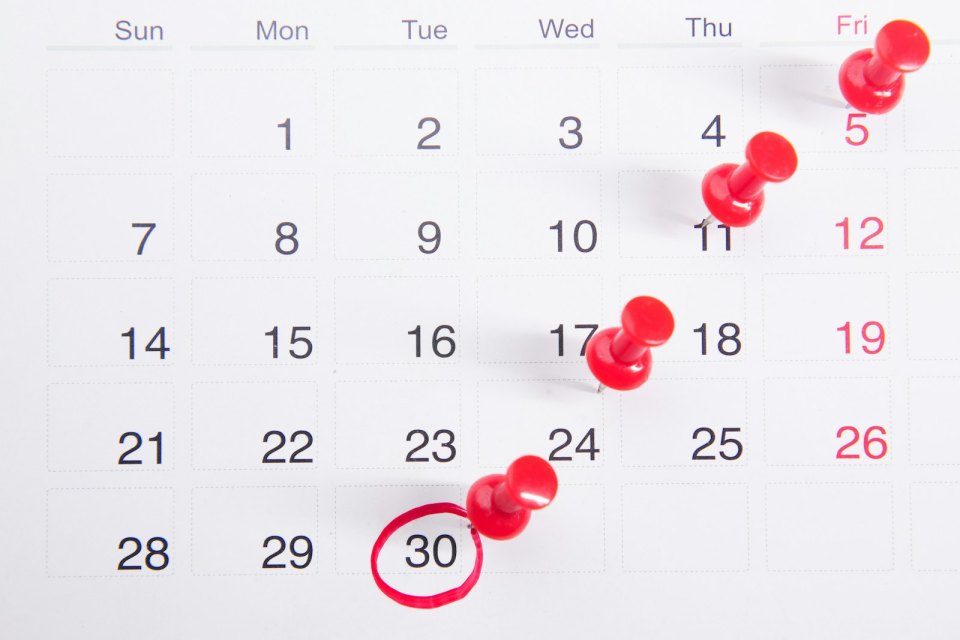
In the UK some people report to the tax office themselves — by filing a Self Assessment tax return. This applies, for example, to the self-employed, landlords, and people with higher incomes or income beyond a salary. These returns have strict deadlines, and lateness hits your wallet. Here are the key dates and penalties, based on gov.uk.
Which deadlines matter?
The return covers the past tax year, which ran from 6 April 2025 to 5 April 2026. The main deadline is the online return, due by 11:59pm on 31 January 2027. By that same date, 31 January 2027, you must also pay the tax you owe. If you prefer a paper return, its deadline is earlier — 31 October 2026.
What if I am not registered yet?
If you must file for the first time, you first have to tell HMRC. The deadline for that was 5 October 2026. If you missed it, you should still register as soon as possible, and in any case pay the tax by 31 January 2027, or you may face a separate penalty.
What does filing late cost?
Late-filing penalties grow over time. As soon as you miss the deadline there is a fixed £100 penalty — even if you owe no tax. If you are more than 3 months late, a £10-a-day penalty is added, up to a maximum of £900. After 6 months a further 5% of the tax due or £300 is added, whichever is greater. After 12 months, another 5% of the tax or £300.
And if you pay the tax late?
Paying the tax late is penalised separately. If the tax is unpaid 30 days after the deadline, a 5% charge applies; a further 5% at 6 months and another 5% at 12 months. Interest is also charged on the amount owed. So it is important not just to file but to pay on time.
What if you cannot make it?
Do not bury your head in the sand: even if you cannot gather every figure, it is better to file with your best estimate than not at all. If you cannot pay straight away, you can usually arrange instalments with HMRC. A penalty can be appealed if you had a reasonable excuse for being late — such as serious illness.
How to avoid a penalty
The safest approach is not to leave it to the last days of January. Gather your income and expense records early, register if you have not, and file online calmly, with time to spare. Then you will not miss the 31 January deadline, and you will pay the tax without a rush or interest.
Thanks for £1If this information was useful and came in time, press the heart. Payment goes through PayPal, with nothing to choose and nothing to fill in, and it pays for the newsroom.

- Jobs & Business Post Your Ad Free
- Life Russian-speaking doctors and clinics in London: eight addresses checked against the registers
- Life Russian-language events in London: verified dates to December 2026
- Life Where to buy the food you grew up with in London: Russian, Ukrainian, Polish and Baltic shops
- Housing UK rents hit £1,400 a month, £2,332 in London — £79 a month more than a year ago
- Travel Peak and off-peak fares in London 2026: when travel is cheaper
- Immigration UK visitor visa step by step 2026: timing, cost, biometrics and how long it takes