HMRC — the UK tax authority
HMRC collects taxes and contributions, keeps the VAT register and refunds overpayments. Everyone who works, runs a company or lets property here deals with it. Everything we have written about its deadlines, rates, letters and penalties.
Articles on this topic: 78

Split pay? Check the tax
HMRC has named two more arrangements where part of a worker’s earnings is presented as ordinary salary while the remainder is paid without tax deductions. The worker may still face tax, interest and a penalty.

Tax on perks, straight away
From 6 April 2027, employers must put company cars, employer-funded private fuel, vans and medical benefits through each payroll run. Employees should understand why take-home pay may change.

£303.94 for a third child
The two-child limit has ended. Families in England, Scotland and Wales can now receive a Universal Credit child element for every child — check whether a third child appears in your statement.

Employee support without a tax bill
An employer can fund support for stress, debt, bereavement or menopause without tax and National Insurance. HMRC has clarified the boundary, and one excluded service can change the treatment of a whole package.

Pay HMRC by Friday
An employer's November payment must reach HMRC by Friday 20 November because the usual 22 November deadline falls on a Sunday. Here is who must pay, which payroll period it covers and which payment methods should arrive in time.

Who needs the new registration?
Businesses and sole traders paid to run clients’ payroll and deal with HMRC for them must enter a new registration regime. Applications open on 18 November 2026 and the last day is 17 February 2027.

Protect Universal Credit at Christmas
When December wages are paid early because a business closes for Christmas, employers should report the normal contractual payday to HMRC. The wrong date can reduce an employee’s Universal Credit for an assessment period.

ONS labour market: 691,000 vacancies, a 2014 level, and pay up 3.7%
ONS published its October release on 20 October at 7am. Vacancies stand at 691,000 — outside the pandemic, the last comparable level was 2014. Unemployment 4.7%, employment 75.3%, pay up 3.7% over the year but only 0.6% in real terms.

Tax relief on uniforms and tools: £60 by default, £1,022 for pilots
HMRC gives back part of what you spend cleaning, repairing and replacing a uniform and small tools. Not as a payment but as less tax: £60 at a 20% rate is worth £12 a year. You can claim for the current tax year and the four before it.

Stamp Duty on buying a home in England: bands, reliefs and the 14-day deadline
The tax on buying a home is charged in slices, not on the whole price at once. The threshold is £125,000, first-time buyers start at £300,000, an additional property adds 5%, and the return and payment are due within 14 days.

Sold a second property: 60 days to report it to HMRC
UK residential property has its own HMRC deadline: report and pay within 60 days of completion, not next spring with the tax return. Rates of 18% and 24%, a £3,000 tax-free allowance.
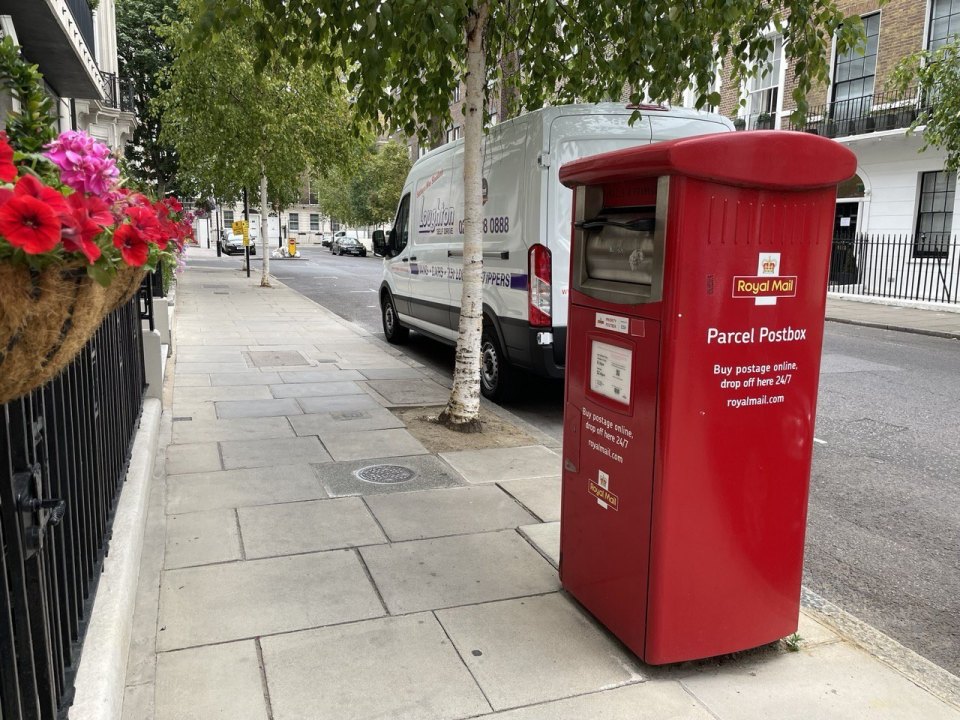
Moving house in the UK: who needs your new address
Not telling the DVLA about a change of address can cost up to £1,000, though the process itself is free. And it is not one action but four: licence, V5C, tax Direct Debit and the personalised number document. Here is the full list.

Carer's Credit: 20 hours of care a week that protect your State Pension record
The National Insurance credit pays nothing, but it fills the gaps in the record behind a £241.30-a-week State Pension. You need 20 hours of caring a week and to be 16 or over.

Tax-Free Childcare: how to get £2,000 a year towards childcare
For every £8 you pay in the government adds £2 — up to £500 per child every three months. The earnings floors, the £100,000 ceiling, the Universal Credit clash and the three-month reconfirmation.

UK dates to know, 18 October to 1 November: 8 to watch
The UK, 18 October to 1 November: 8 dates worth keeping in mind, 1 of them hard deadlines. Taken from our calendar: bank holidays from the GOV.UK list, deadlines from HMRC and Companies House rules, each with a link to the source.
Gold in 2026: £3,138 an ounce, 23% below the January peak, and why a bar is not an account
An ounce of gold is up more than fifteenfold since the end of 2000, yet it has lost 0.96% over the past twelve months and sits about 23% below January's record $5,405. The figures, the difference between a bar and an unallocated account, the UK tax rules, and the honest weaknesses of deposits, property and crypto.

Importing a car into the UK: 14 days for NOVA, approval and £55 to DVLA
Driving an imported car before it is registered is an offence. You get 14 days to tell HMRC, an IVA inspection costs £199, DVLA registration is £55, and the V5C takes up to six weeks.

How to challenge your council tax band: six months, five comparables and a four-month wait
The letter on your bill reflects what the property was worth on 1 April 1991. Challenging is free, but a proposal takes up to 4 months and can be appealed, while a band review takes up to 12 and cannot.

Payslip, P45 and P60: the paperwork your UK employer must give you
A payslip is due on or before payday, a P45 when you leave, a P60 by 31 May. There is no replacement P45, and retail shortfall deductions are capped at 10% of gross pay per period.
Statutory Sick Pay: £123.25 a week, 28 weeks and seven days before a fit note
Sick pay in Britain is paid by your employer. The rate, who qualifies, when a fit note is required and what to do if you are refused.

Rent a Room: £7,500 a year tax-free for a room in your own home
Letting a furnished room in your own home is tax-free on up to £7,500 a year, or £3,750 if the income is shared. Below the threshold you file nothing; above it, Self Assessment is compulsory.

UK dates to know, 17 October to 31 October: 8 to watch
The UK, 17 October to 31 October: 8 dates worth keeping in mind, 1 of them hard deadlines. Taken from our calendar: bank holidays from the GOV.UK list, deadlines from HMRC and Companies House rules, each with a link to the source.
London Living Wage rises to £15.45 an hour
The Living Wage Foundation has set its 2026-27 rates: £15.45 in London and £14.10 across the UK, both up 65p. The rate is voluntary and employers have until 1 May 2027.

Gaps in your National Insurance record: £18.40 a week and only six years back
Gaps in a National Insurance record cut your future State Pension. Voluntary contributions can fill them, but only for the past six years and not always to your advantage. Here are the 2026/27 rules and rates.

New Style JSA in 2026: £95.55 a week, 182 days and the Jobcentre interview
The unemployment benefit paid on your National Insurance record, not on need — savings are ignored entirely. Rates, who qualifies, what to bring to the interview and what triggers a sanction.

England wants 10,000 new foster places: who can apply and what carers are paid
On 13 October the government launched the first national foster carer recruitment campaign in England, backed by £88 million. Here are the rules, the £176-£309 weekly allowance and the £20,440 tax-free threshold.

Your tax code: how to check it and how to get overpaid tax back
1257L, BR, 0T, W1 — what your code means and why a new job almost always starts on an emergency one. The letters, the numbers and how a refund reaches you.

Minimum wage 2026: the rates, who is covered and how to get arrears back
From 1 April 2026 it is £12.71 an hour at 21 and over, £10.85 at 18 to 20 and £8 for apprentices. Deductions for uniform or tools can put you below the minimum even on £13 an hour.

DWP posts 660,000 leaflets: pensioners reminded about £4,500 a year
The Department for Work and Pensions has launched a new Pension Credit push. Leaflets go to seven areas with many low-income pensioners: the top-up is worth more than £4,500 a year on average, yet around a million people who qualify do not claim it.

Trivial benefits: when a gift of up to £50 to an employee is tax-free
An employer may give an employee a small non-cash gift without Income Tax, National Insurance or reporting it to HMRC. But a price of £50 or less is only one condition. Here is how the rules apply to vouchers, meals, gym memberships and close company directors.

UK cinema tickets: prices, audiences and who can watch for free
The average UK cinema ticket cost £8.01 in 2025, but the price at checkout depends on location, time, format and booking fees. We explain concessions, genuinely free screenings and the key CEA Card rule: the companion enters free, not the cardholder.

Igor Pavlov and Igor Entertainer in the UK: what registers and listings establish
We checked Companies House, Eventbrite, public profiles and official regulator lists: two known companies are dissolved and commercial activity is visible, but the current legal supplier, revenue, tax paid and performer immigration status are not publicly disclosed.

Where to stay in Britain for a night or a month: hotel, hostel, flat and savings
A London room on nearby dates can be £61 or £330, a hostel bed can start at £13.50, and an average room in outer London is £800 a month. We compare the practical choices for a business visitor, hidden charges and the misunderstood VAT rule after 28 days.

Trading from a table on UK streets: who can do it, where and how much it costs
You cannot simply put a table on any pavement. We explain when a street trading licence is needed, how a pedlar’s certificate differs and what lawful pitches cost in London, Cardiff, Scotland and Belfast.
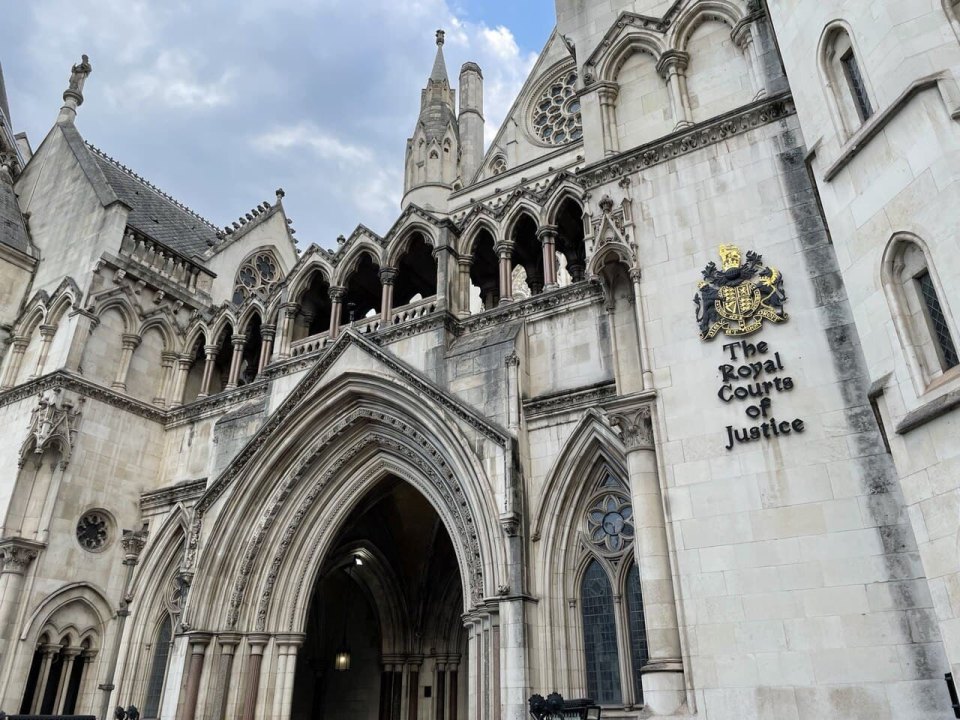
How to challenge a DWP decision: mandatory reconsideration, form SSCS1 and the tribunal
A refused benefit can be challenged twice, and both stages are free: first the DWP must look at its decision again, then the case goes to an independent tribunal. Here are the one-month deadlines, which SSCS form to use, who sits on the panel and what travel costs are paid back.

Leaving the UK: how to claim back overpaid Income Tax with form P85
PAYE taxes you as though you will work the whole year. Leave mid-year and part of your Personal Allowance goes unused. Who files a P85, what you need besides a P45, and why you should keep a UK bank account open.
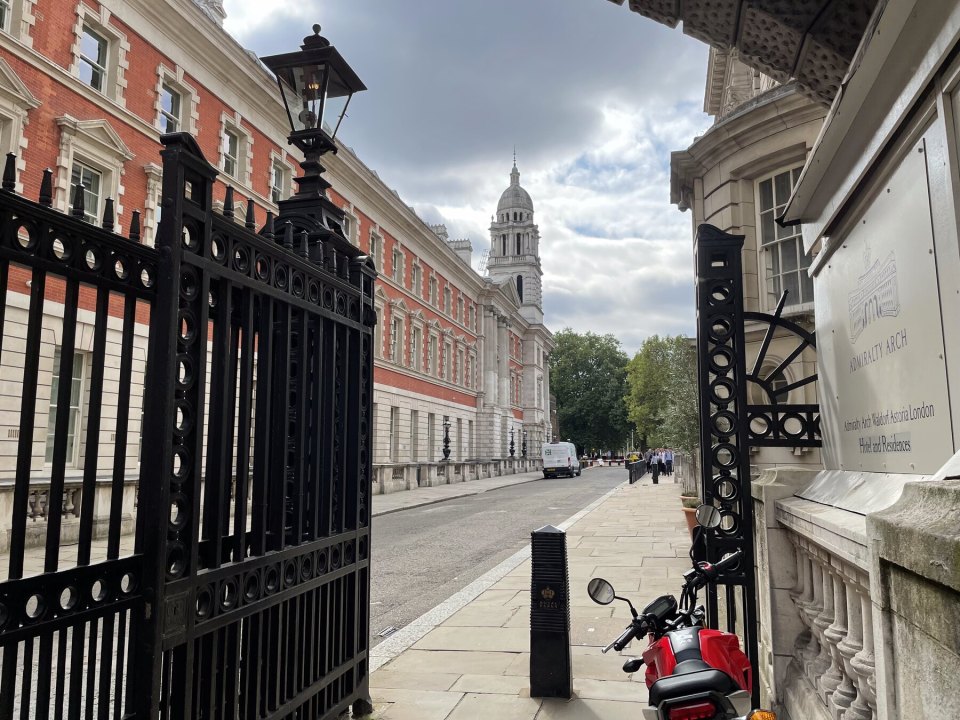
How to register a death in England and Wales: 5 days, the green form and Tell Us Once
Five days to register, but the clock does not start on the day of death. Here is the GOV.UK order of play: why the medical examiner comes first, what the green form is, what a certificate costs, how to use Tell Us Once within 28 days, and what bereavement support is available.
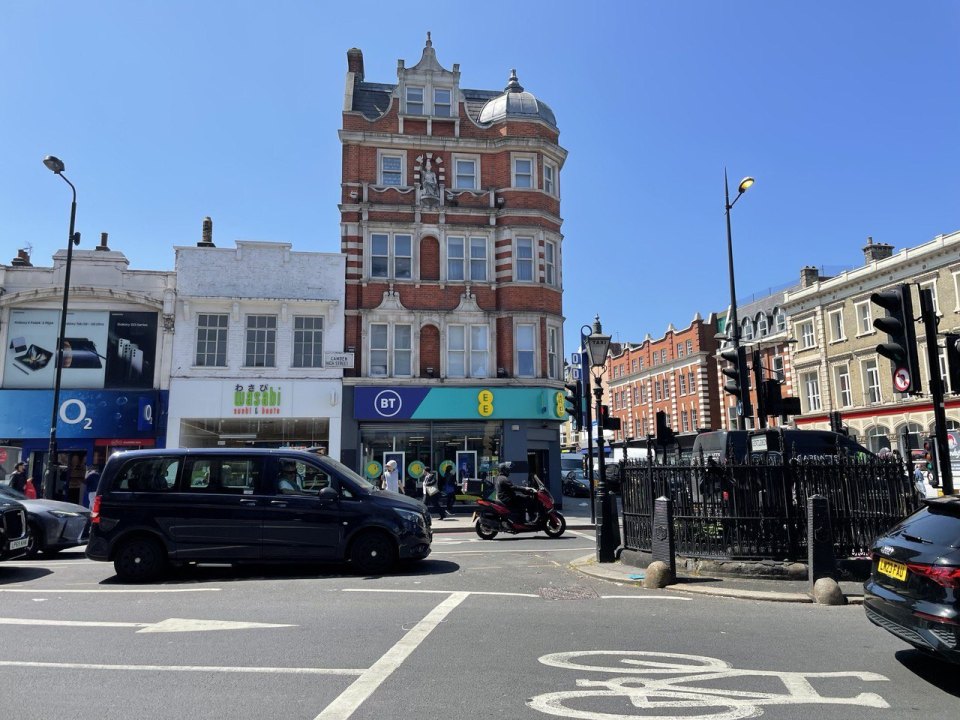
Moving home in the UK: who you must tell about your new address
Not telling DVLA your new address carries a fine of up to 1,000 pounds, and the driving licence and log book are two separate jobs. Here is the order to do it in, from gov.uk.

HMRC visits: how to check an officer's identity under the rules updated on 7 October
On 7 October 2026 HMRC rewrote the process for confirming the identity of its staff during an in-person visit. You now note the name and serial number from the officer's card and call 03000 565 656, a 24-hour line used only for these checks. Debt collectors have a separate number, 0300 200 3862, and their own hours: 8am to 6pm, Monday to Friday.

Child maintenance in the UK in 2026: how much you pay and how the CMS works it out
Child maintenance in the UK is worked out by the Child Maintenance Service using an open formula: 12% to 19% of the paying parent's gross weekly income. DWP figures published on 29 September 2026 show 820,000 arrangements covering 1.1 million children at the end of June 2026, with 23% of paying parents on Collect and Pay paying nothing that quarter.

£2,000 for hiring a young apprentice: new payment for small employers starts 1 October
From 1 October 2026 an employer in England that does not pay the apprenticeship levy gets £2,000 for every new apprentice aged 16 to 24: £1,000 after 90 days of training and another £1,000 after a year. There is no application — the money comes through the training provider. Stacked with other support, one apprentice can be worth up to £8,000.

Business grants, loans and government support in the UK: where the start-up money is and what it costs
There is no national “start a business” grant in the UK: the official GOV.UK catalogue listed 129 support schemes on 4 October 2026, 45 of them grants — and only 18 open to businesses not yet trading. The one national start-up loan runs from £500 to £25,000 at a fixed 7.5% a year. Here is where the non-repayable money actually sits, who gets it, and which reliefs are worth more than any grant.

Maternity leave and pay in the UK: 52 weeks off, £194.32 a week and what to do if your employer says no
Up to 52 weeks of leave but only 39 weeks of pay, most of it a flat £194.32 a week before tax. Who qualifies for SMP, what Maternity Allowance is, the one date that decides everything (15 weeks before the birth), what fathers get, and how to claim £500 and free prescriptions.

UK vape tax starts 1 October: £2.20 duty per 10ml of e-liquid — what happens to prices
From 1 October 2026 the UK's new Vaping Products Duty comes into force: £2.20 per 10ml of e-liquid, with or without nicotine. A £3.99 bottle will rise to about £6.60, a 100ml shortfill by £26.40 including VAT. Cigarettes go up the same day by roughly 53p a pack in a linked one-off rise.

Register for Self Assessment by 5 October: side income over £1,000, rent, selling on Vinted and eBay
Monday 5 October is the deadline to register for Self Assessment for anyone who received untaxed income for the first time in the tax year from 6 April 2025 to 5 April 2026: a side hustle over £1,000, letting out property, dividends, crypto gains. Online platforms — eBay, Vinted, Airbnb, Uber — already report their sellers' data to HMRC. Registration is free and takes minutes, while a late tax return starts with a £100 penalty.

A dispute at the currency exchange: short-changed, wrong rate, no receipt — who to call and how to get your money back
A follow-up to our exchange bureau catalogue — the instruction manual for when things go wrong: notes missing from the bundle, the rate on the receipt not matching the board, the receipt that 'ran out', or a counterfeit note among your cash. Scenario by scenario: what can only be fixed at the counter, which number to dial (the consumer helpline, 0808 223 1133), when to involve the police, and how to finish the job with a formal complaint and a small claim.

Currency exchange bureaux in the UK: where the fee hides behind '0% commission', how to check any bureau in a minute — and our verified catalogue
'Best rate in London, 0% commission' is the sign people lose money at most often. Here is how bureaux actually earn, which tricks turn an attractive rate into minus 10%, how to check any outlet against government registers in a minute — and the first level of our catalogue: chains verified against the registers, with banks and the Post Office in a separate list. This is how the 'ONLYWAY.NEWS verified' mark works.
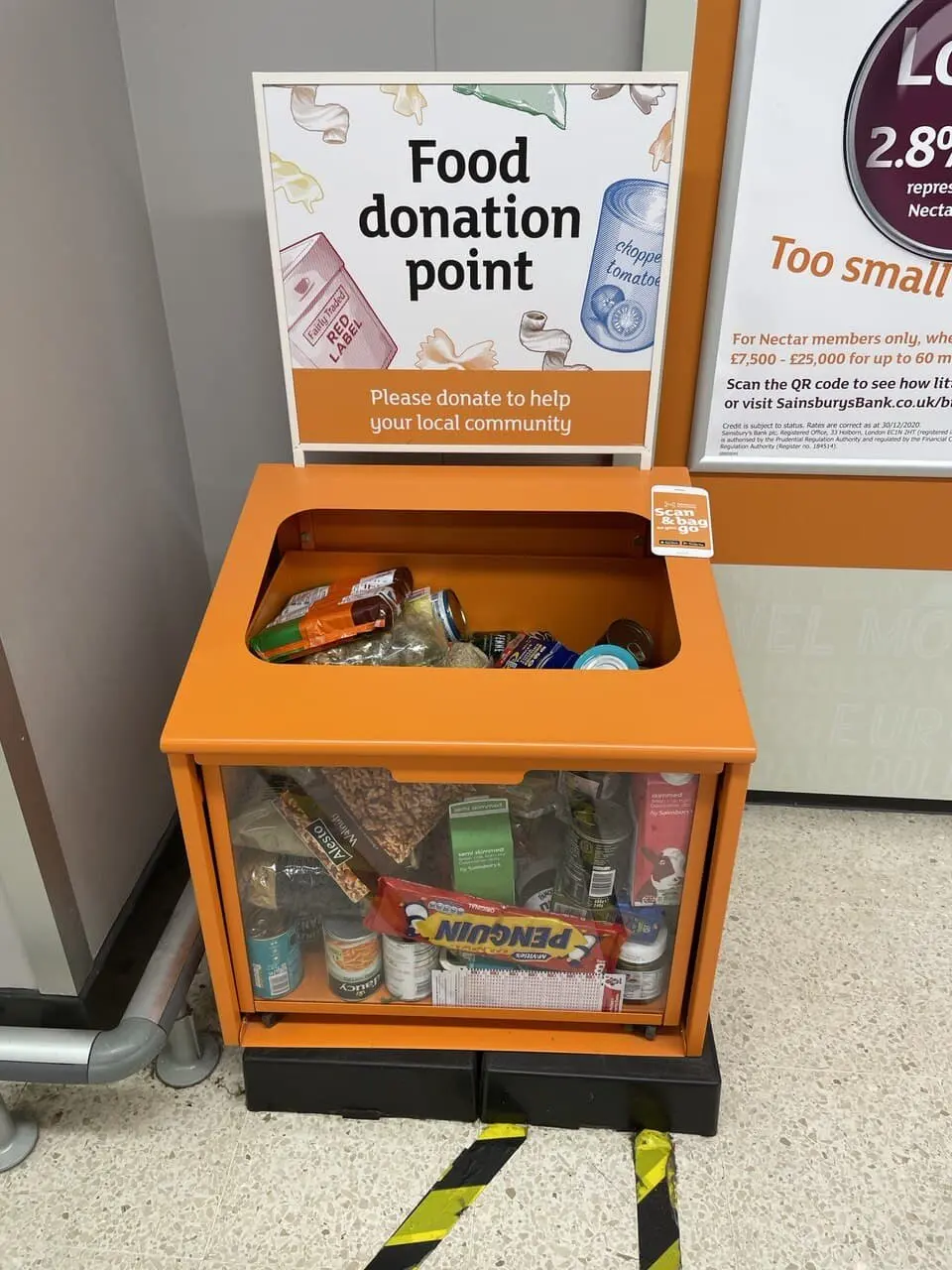
Can’t pay all your debts? Which to pay first in England — and how Breathing Space freezes interest for 60 days
Rent, council tax, energy, credit cards, buy now pay later: when money runs short, the order you pay in decides whether you keep your home and avoid bailiffs. Which debts are priority in England, what happens if you don’t pay council tax, how to deal with energy suppliers and HMRC, and how to get 60 days of Breathing Space for free.

Marriage Allowance: how couples can get up to £1,260 of tax back — who qualifies and how to apply
If one spouse earns under £12,570 a year and the other pays basic-rate tax, HMRC will cut the couple’s tax by £252 a year. Applying online takes minutes, and you can backdate the claim to 6 April 2022. Who qualifies, how to apply for free and when you must cancel.

Corporation Tax in 2026: the 19% and 25% rates, deadlines, penalties and the Marginal Relief trap
In the UK, companies work out their own profit tax — HMRC will never send you a bill. The rate depends on profits: 19% up to £50,000, 25% above £250,000, and a sliding Marginal Relief scale in between. The tax is due before the return, and a late return now costs £200 from day one. Here are the rules, in order.

Your own Ltd in the UK: £100 and 24 hours to register, £1 shares and 19% tax — what to know before you start
A limited company registers online for £100 and is usually ready in a day — but since 2025 directors must first verify their identity through GOV.UK One Login. The GOV.UK rules: £1 shares, persons with significant control, Corporation Tax at 19–25%, and when a Ltd beats being a sole trader.

VAT for small business: the £90,000 threshold, deadlines, rates and the Flat Rate Scheme — how to avoid paying tax out of pocket
Turnover of £90,000 over any rolling 12 months means you must register for VAT within 30 days; late means paying the 20% yourself. The GOV.UK rules: the zero-rate catch in counting the threshold, when voluntary registration pays, the Flat Rate Scheme up to £150,000 and the £88,000 deregistration threshold.

Working for yourself in the UK: register by 5 October, sole trader taxes in 2026 and HMRC's digital rules
Started working for yourself in 2025/26? You must register for Self Assessment by 5 October or risk a penalty. The HMRC rules: the £1,000 threshold, 6% and 2% contributions, a free pension record from £7,105 of profit, and the Making Tax Digital quarterly updates already mandatory above £50,000.

Wills, inheritance and probate in the UK: who inherits without a will, the £325,000 threshold, 40% tax and a £526 probate fee
With no will, the law in England and Wales decides who gets what — and an unmarried partner gets nothing. From the primary sources: the £322,000 statutory legacy for a spouse, two witnesses and why marriage cancels an old will, the £526 probate fee, 40% above £325,000, the seven-year rule on gifts, and what changes for pensions on 6 April 2027.

Two-thirds of UK fraud comes from abroad. How to get your money back from the bank: 5 business days and an £85,000 cap
On 24 September the Home Office announced an agreement with Cambodia against scam centres: more than two-thirds of the fraud affecting the UK originates overseas. ONS figures for the year to March 2026 show 3.8 million victims, up 10% on the year before. Here is where to report after 4 December 2025, and how mandatory bank reimbursement works: 13 months to claim, 5 business days to pay, an excess of up to £100 and an £85,000 cap.

Child Trust Fund: 827,000 people have not claimed their money — £2,310 on average
HMRC said on 23 September that almost 3 million Child Trust Funds have been claimed, but around 827,000 matured accounts are still untouched, worth £2,310 on average. An account was opened for everyone born between 1 September 2002 and 2 January 2011. Here is how to trace yours in five minutes, and what you can do with it at 16 and at 18.

Free childcare in England in 2026: 30 hours from nine months, the income tests and the 31 December deadline
To have the hours start on 1 January you need the code by 31 December. Here are the three schemes, the £2,643.68 three-month earnings test and the £100,000 ceiling, the National Insurance and no recourse to public funds rules — and the separate 15-hour route for families with no access to public funds.

Help to Save: the government adds 50p to every £1 you save — £300m in bonuses paid out
HMRC said on 21 September that more than £300m in Help to Save bonuses has now been paid, across 656,700 accounts and £676.7m of deposits. You can put away £1 to £50 a month and the government adds up to £1,200 over four years. The catch is the entry rule: you must be on Universal Credit and have had at least £1 of take-home pay in your last assessment period.
HMRC is signing up sole traders and landlords to Making Tax Digital automatically — next deadline 7 November
Since 6 April 2026, anyone with more than £50,000 of income from self-employment and property must report four times a year. Those who did not sign up are now being enrolled by HMRC itself: letters started going out in September, after the event. 436,000 people have filed a first update; the next deadline is 7 November 2026.

Sick pay in the UK in 2026: paid from day one, up to £123.25 a week
Since 6 April 2026 the three unpaid waiting days are gone and the earnings threshold has been scrapped: SSP is available to every eligible employee. The rate is 80% of average weekly earnings or £123.25 a week, whichever is lower, for up to 28 weeks. Who qualifies, when you need a fit note, what the self-employed can claim and where to complain if an employer refuses.

HMRC to issue tax calculations on bank interest from late September: what to check in P800 and PA302
HMRC says it will start issuing P800 calculations and Simple Assessment notices (PA302) from late September 2026 for tax due on bank and building society interest earned between April 2025 and April 2026. A second notice for the same year may include tax already paid, so the figures should be checked against bank statements before payment.

Child Benefit: £27.05 a week per child — and why you should claim even if you have to pay it all back
Child Benefit is paid regardless of income: £27.05 a week for the eldest child and £17.90 for each additional one — £1,406 and £2,337 a year for one and two children. But the money is not the point: the claim automatically credits one parent with National Insurance towards the state pension until the child turns twelve, even if they opted out of payments. One warning: under a no recourse to public funds condition you must not claim.

UK tax return: you must tell HMRC by 5 October or face a penalty for staying quiet
Self-employment above £1,000, rent, savings interest, dividends or money from abroad in 2025/26 means registering for Self Assessment by 5 October 2026. The return comes later — 31 October on paper, 31 January online. The penalty for registering late is calculated on the tax you still owe and lands separately from late filing penalties.

UK job vacancies are lower than in any year since 2014: what the ONS figures of 15 September mean if you are looking for work
The ONS published its labour market data at 7am on Tuesday. Vacancies stand at 702,000 for June to August, down 8,000 on the quarter; outside the pandemic slump the last comparable level was in 2014. Unemployment is 4.9%, but 145,000 fewer people are on a payroll than a year ago. Private sector pay is rising 2.9% a year — more than twice as slowly as public sector pay.

What changes from 1 October: six things that will touch almost everyone
Energy bills rise £60 a year, but VAT on electricity goes to zero. Right-to-work checks extend to couriers and subcontractors. The tribunal time limit doubles to six months. Date by date — plus three deadlines to meet.
The National Insurance number: how to get one, how long it takes, and working without it
An NI number is not permission to work and not a tax number in the usual sense. It is the key the state files your contributions under, and your State Pension and some benefits depend on it. It is free, it takes up to four weeks, and you can work while you wait.

Winter Fuel Payment 2026: who gets £100–£300, and who has to give it back
This winter’s heating payment goes to everyone born on or before 27 June 1960 who lives in England, Wales or Northern Ireland. For most people no claim is needed — the money arrives in November or December. But if your own income is above £35,000, HMRC takes it back through the tax system. Opting out: by phone until 6pm on 18 September, online until 11:59pm on 20 September.

The UK State Pension: 10 years, 35 years and an age of 67 — how it is actually counted
The full new State Pension in 2026/27 is £241.30 a week, about £12,548 a year. It is not paid to everyone and not automatically: you need at least 10 years of contributions, usually 35 for the full amount, and from April the pension age started climbing from 66 towards 67.

Going self-employed in the UK: registering, your UTR and what you pay in 2026
Register if you earned more than £1,000 in a tax year, and tell HMRC by 5 October. Class 2 is no longer compulsory; Class 4 is 6% and 2%. Unregistered subcontractors lose 30% instead of 20%. From 6 April 2026, turnover above £50,000 means quarterly reporting. And the part that catches people out: a Student visa bars self-employment, while a Skilled Worker visa allows 20 hours a week.

Working in England 2026: what jobs pay, what you keep, and how the work visa actually starts
The minimum wage in England is £12.71 an hour by law; median full-time pay is £39,039 a year, worth about £2,630 a month after tax. You can start work before your National Insurance number arrives, but never without the right to work. And the Skilled Worker visa starts with a sponsoring employer: £41,700 or your occupation’s going rate, whichever is higher.

Credit history from zero, cards at 35%, and sending money home: what works differently from what you were told
A foreign credit record does not travel, and the standard advice to register to vote is simply unavailable to a large group of people — for whom there is another technique. Also: what a first card really costs, why the advertised rate is not yours, how Section 75 makes the bank liable for the seller, and what actually happens with transfers to Russia — not prohibited by law, but closed off by banks.

UK law does not require proof of address — and nine banks must open you a basic account
Checked against the rules themselves rather than the banks' websites: nine designated banks must open a basic account within 10 business days, the grounds for refusal are a closed list, and neither a poor credit file nor a missing address is on it. What to bring instead of a utility bill, where £120,000 of protection applies and where none does, and what changed on 28 April 2026.

Free English in Britain: who qualifies for funded courses and where to enrol
England has government-funded English courses for adults (ESOL). Here is who can study for free, what you will be asked at enrolment, and where to find classes.

What we built for readers in September: seven free services
A deadline calendar, right to rent and right to work checks, the sanctions list, fuel prices, classifieds translated into both languages and a bot that posts from your phone. All free, no registration.

We have launched a calendar: holidays, filing deadlines and official events
A UK calendar is now on the site. Bank holidays, tax deadlines, Bank of England decisions and the dates new rules take effect — in one grid, each with a link to its source.

£450m a year of reporting to be stripped from companies
The government has announced an overhaul of corporate reporting: the directors’ report goes, and exemptions from the strategic report and from audit are widened. The consultation runs to 30 November and anyone may respond.
HMRC advisory fuel rates from 1 September: diesel down, large petrol up
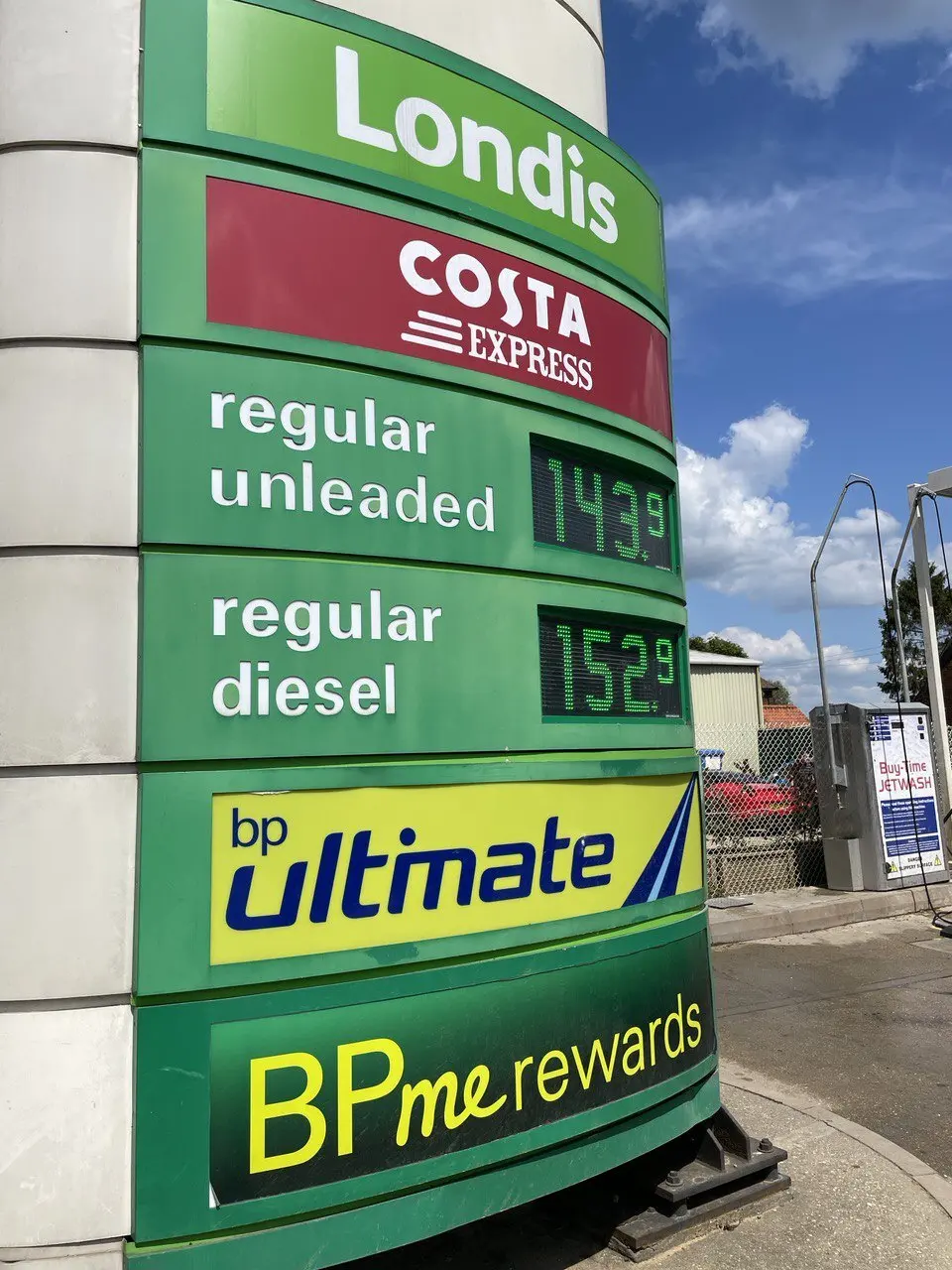
HMRC has revised the advisory fuel rates for company cars. Diesel at 1601-2000cc and above 2000cc each fall by a penny; petrol above 2000cc rises to 27p a mile. Electric is unchanged at 7p at home and 15p on public charging.

Making Tax Digital: the next quarterly update is due by 7 November
Digital reporting has been compulsory since April for sole traders and landlords earning over £50,000. Year one carries no penalty points — but the annual return has not gone away.