Universal Credit — Britain’s main benefit
A payment for people on a low income or none. For migrants the first question is not how much it pays but whether they may claim at all: most visas carry a no-public-funds condition. We cover the conditions, the amounts and the traps.
Articles on this topic: 77

£303.94 for a third child
The two-child limit has ended. Families in England, Scotland and Wales can now receive a Universal Credit child element for every child — check whether a third child appears in your statement.
Are you missing £4,700?
Up to 2.6 million working-age families did not receive support they were entitled to, worth about £4,700 a year on average. It is the first new government estimate for this group in nine years. Here is what was counted and how to check for free.

Protect Universal Credit at Christmas
When December wages are paid early because a business closes for Christmas, employers should report the normal contractual payday to HMRC. The wrong date can reduce an employee’s Universal Credit for an assessment period.
Water meter: free to fit, three months to install — and you can change your mind
Installation is free and the deadline is three months from your application. You can switch back: Citizens Advice says 12 months, CCW says 24. If a meter cannot be fitted, you are owed an assessed charge.
Free school transport: two miles, three miles, and the line low-income families miss
A council must provide free travel if the nearest suitable school is over two miles away (under 8) or over three (8 and over). For families on Universal Credit earning up to £7,400 the distances are measured differently — in their favour.
Universal Credit: what you get, and why earning cuts it by 55p
A standard allowance of £338.58 to £666.97 a month, £303.94 per child, up to 85% of childcare. Every pound earned cuts the payment by 55p — but a work allowance of £427 or £710 comes first.
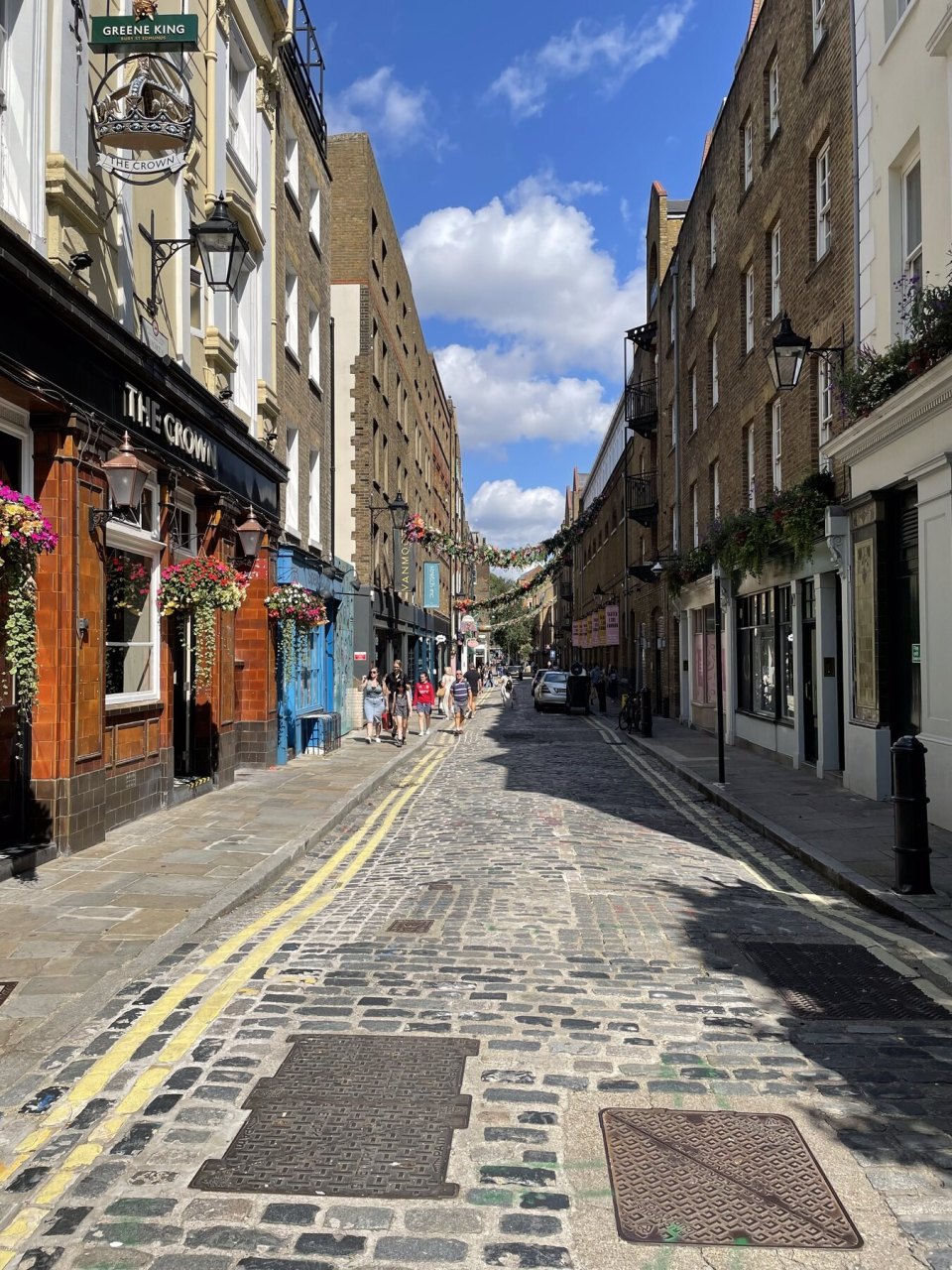
Poetry London in a day: a museum, a poets' cafe, a library and an abbey
Four stops on foot around Poems on the Underground: the London Transport Museum at £27 for a year, the free National Poetry Library, the Poetry Cafe on Betterton Street and Westminster Abbey at £32. Prices and times checked on 19 October 2026.

UK interest-free government loans: £100 to £812
A washing machine, a move, a rent deposit or a funeral can be covered by an interest-free loan from the state. Who gets a Budgeting Loan, who gets a Budgeting Advance, how much, and what the money cannot be spent on.
Broadband social tariffs: £10 a month if you are on benefits
Tariffs from £10 to £24 for people on Universal Credit, Pension Credit, ESA, JSA and Income Support. Switching is free even mid-contract. Ofcom found 5.1% of eligible households were using one as of February 2023.
UK mobile plans compared: where £8 buys what £25 does
SIM-only prices as of 19 October 2026: SMARTY, giffgaff, VOXI and 1pMobile all run on the big four's masts. Plus switching by one text, £10 social tariffs and what the networks give away.
Rent repayment orders: how tenants claim back up to two years' rent
The ceiling is now two years' rent and the window is two years from the offence. The ten listed offences, Form RRO1, tribunal fees and the defences a landlord can run.
Tax-Free Childcare: how to get £2,000 a year towards childcare
For every £8 you pay in the government adds £2 — up to £500 per child every three months. The earnings floors, the £100,000 ceiling, the Universal Credit clash and the three-month reconfirmation.

Free NHS eye tests in England: who qualifies and how much the glasses voucher is worth
The NHS pays for a sight test for twelve groups in England, but for glasses the list is shorter. The Universal Credit thresholds are £435 and £935; vouchers run from £42.40 to £233.56.

HMO licence: when a shared house cannot be let without one
If five or more people from different households rent a property and share a toilet, bathroom or kitchen, it is a large house in multiple occupation and the landlord needs a council licence. The licence lasts five years at most, sets minimum bedroom sizes — 6.51 square metres for one adult — and requires an annual gas safety certificate. Letting without one carries an unlimited fine, and tenants can reclaim up to twelve months of rent through a tribunal.
Your bill went up mid-contract: when you can walk away without a penalty
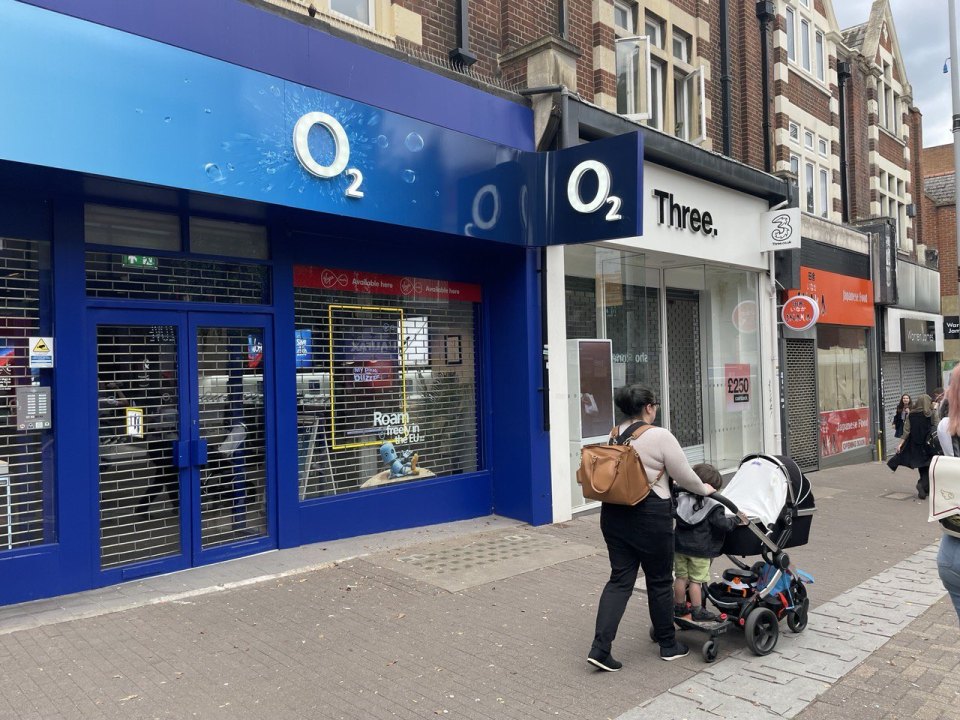
Since 17 January 2025 a price rise must be set out in pounds and pence up front. If the provider breaks that rule, you have 30 days to leave with no exit fee.
Cold Weather Payment: £25 for each seven-day freeze from 1 November, paid automatically
From 1 November 2026 to 31 March 2027 you get £25 for each seven-day period when the average temperature in your area is zero or below. It is paid automatically, but only on four qualifying benefits.
Universal Credit advance: same-day answer, 24 months to repay, 3-month deferral
The wait for a first Universal Credit payment can be bridged with an advance. The most you can get is your first estimated payment, you usually hear the same day, and it comes out of future payments.
Short on rent: what replaced Discretionary Housing Payments in England on 1 April 2026
Since 1 April 2026 England has the Crisis and Resilience Fund instead of Discretionary Housing Payments. It does not affect your benefits, you apply through your council, and every council sets its own rules.
Great British Railways HQ confirmed for Derby with 600 apprenticeship places
The government has named Becketwell in central Derby as the site of the Great British Railways headquarters, and confirmed up to 600 rail apprenticeship places for 16 to 21 year olds.
Who gets carer money back?
The UK is reassessing old Carer’s Allowance overpayments caused by flawed guidance on irregular earnings. By September 2026 about 100 carers had received refunds and about 100 had debts reduced. Here is who is covered and why no separate application is needed now.

Help with funeral costs: up to £1,000 on top of the cremation, and £300 for a child’s coffin
Funeral Expenses Payment meets cremation, burial plot and moving the body, plus up to £1,000 for everything else. A separate fund for children ignores income entirely. You have 6 months to claim.
NHS Low Income Scheme: HC2 and HC3 certificates, the £16,000 limit and the 3-month refund window
The scheme covers prescriptions, dental care, eyecare, hospital travel and wigs — and reaches people refused a means-tested benefit, because council tax and housing costs count.

New Style JSA in 2026: £95.55 a week, 182 days and the Jobcentre interview
The unemployment benefit paid on your National Insurance record, not on need — savings are ignored entirely. Rates, who qualifies, what to bring to the interview and what triggers a sanction.
Help with Fees: how to avoid a court fee, or get one you have already paid back
Court and tribunal fees are cut or waived for people with low savings and modest income. Here are the £4,250 and £16,000 savings limits, the £1,420 and £2,130 income lines, form EX160 and the three-month refund window.
The Healthy Start card: money for milk and vegetables in pregnancy and under-fours
The NHS tops up a prepaid card with £4.65 or £9.30 a week for milk, fruit and vegetables. Here are the eligibility rules, how to apply, the payment limits and the full list of what the card will not buy.
Money after a partner dies: what is paid and why the first three months decide it
Bereavement Support Payment is £3,500 plus 18 payments of £350 at the higher rate. Only a claim within three months brings the full amount; after 21 months there is nothing.

Lasting power of attorney in England: £92, 8–10 weeks and two separate documents
A lasting power of attorney is the only way to give someone you trust the right to decide about your money or your care in England and Wales. Registration costs £92 per document, takes 8 to 10 weeks, and the fee is halved if the donor's income is under £12,000 a year. Here are the types, the steps and the deadlines.
NHS prescriptions in England: £9.90 an item and how to pay less
An NHS prescription in England costs £9.90 per item — two medicines a month is almost £240 a year. A prepayment certificate covers everything for £114.50 a year or £32.05 for three months, and many groups pay nothing at all. Here is who is exempt, which conditions qualify and how to claim a refund.

UK cinema tickets: prices, audiences and who can watch for free
The average UK cinema ticket cost £8.01 in 2025, but the price at checkout depends on location, time, format and booking fees. We explain concessions, genuinely free screenings and the key CEA Card rule: the companion enters free, not the cardholder.

Free English in Britain: who can get £0 ESOL and where to apply now
England's 2026/27 national full-funding threshold for ESOL is £26,800 annual gross income, including people who are unemployed or economically inactive, but devolved areas set local rules. Here is how to find courses across all four UK nations, what evidence to bring and why an ordinary ESOL course may not satisfy a visa or citizenship requirement.

Cost-of-living help in London: emergency payments, free home upgrades and discounts
City Hall has updated its central guide to help with living costs. Here is where to request an emergency payment, how eligible households can receive home improvements worth up to £30,000, and where to find social tariffs, emergency food and travel discounts.

Where to sleep, shower and eat for free in the UK: verified addresses and rules
A free commercial hostel is rare, but safe emergency accommodation may be available through councils, Nightstop, SWEP and selected charities. Here are verified routes across all four UK nations, with addresses, telephone numbers, opening hours and an honest explanation of possible charges.
How to attend London Film Festival for free or £6: every BFI discount checked
The 70th festival runs until 18 October with 251 titles from 88 countries. Standard tickets start at £10, but visitors aged 16–25 and some benefit recipients can pay £6, while talks, shorts, family workshops and DJ nights are free.
Carer's Allowance in the UK: £86.45 a Week and the £204 Earnings Limit
Carer's Allowance pays for 35 hours of care a week and ignores your savings. But earning over £204 wipes out that week's payment, and the person you care for loses their severe disability premium.
How to challenge a DWP decision: mandatory reconsideration, form SSCS1 and the tribunal
A refused benefit can be challenged twice, and both stages are free: first the DWP must look at its decision again, then the case goes to an independent tribunal. Here are the one-month deadlines, which SSCS form to use, who sits on the panel and what travel costs are paid back.
From 29 October the DWP can take benefit debt straight from your bank account — and ask a court for a driving ban
From 29 October 2026 the Department for Work and Pensions can take benefit debt directly from a bank account without a court order, and, where the debt is at least £1,000, ask a magistrates’ court to disqualify the debtor from driving for up to two years. Here are the deduction caps, the deadlines to object and the hardship safeguards.
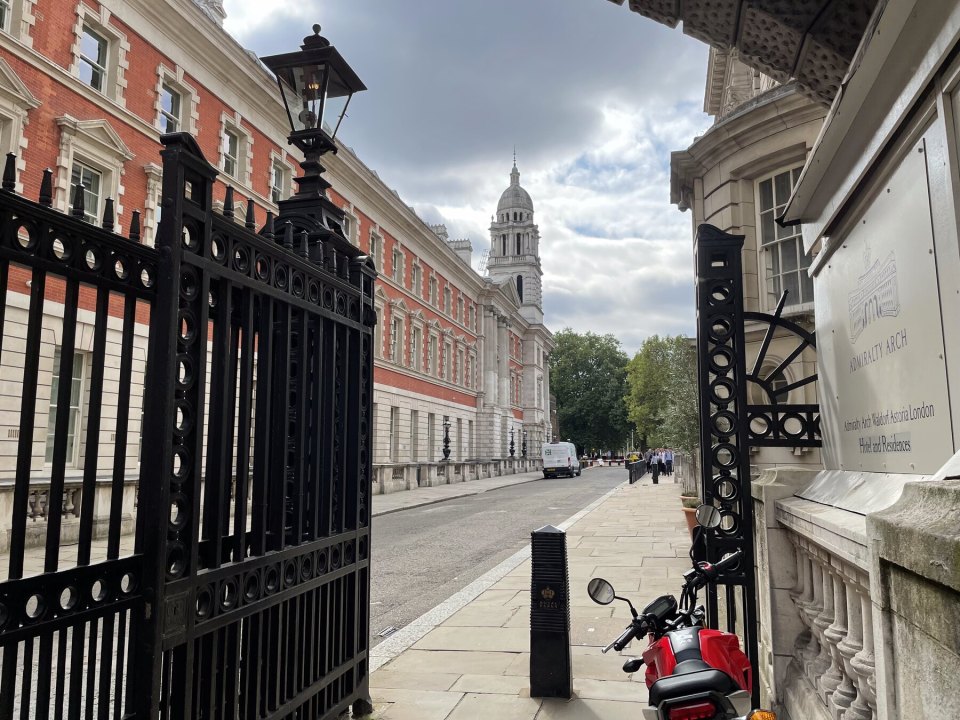
How to register a death in England and Wales: 5 days, the green form and Tell Us Once
Five days to register, but the clock does not start on the day of death. Here is the GOV.UK order of play: why the medical examiner comes first, what the green form is, what a certificate costs, how to use Tell Us Once within 28 days, and what bereavement support is available.
Legal aid in the UK: who can get a free lawyer and how to apply
State-funded legal help in England and Wales is available on a joint income of up to £2,657 a month and assets of up to £8,000 — and for domestic abuse, care proceedings and eviction your finances are not checked at all. Here is what legal aid covers, what it does not, how the free eligibility check works and who to call if English is not your first language.
Free careers advice moves into Jobcentres from 6 October 2026
From 6 October 2026 the National Careers Service has been merged into DWP, with around 500 careers advisers now working through Jobcentres. The advice is free and does not depend on benefits: it is available online and on 0800 072 0288, with face-to-face appointments starting later in October.
Child maintenance in the UK in 2026: how much you pay and how the CMS works it out
Child maintenance in the UK is worked out by the Child Maintenance Service using an open formula: 12% to 19% of the paying parent's gross weekly income. DWP figures published on 29 September 2026 show 820,000 arrangements covering 1.1 million children at the end of June 2026, with 23% of paying parents on Collect and Pay paying nothing that quarter.
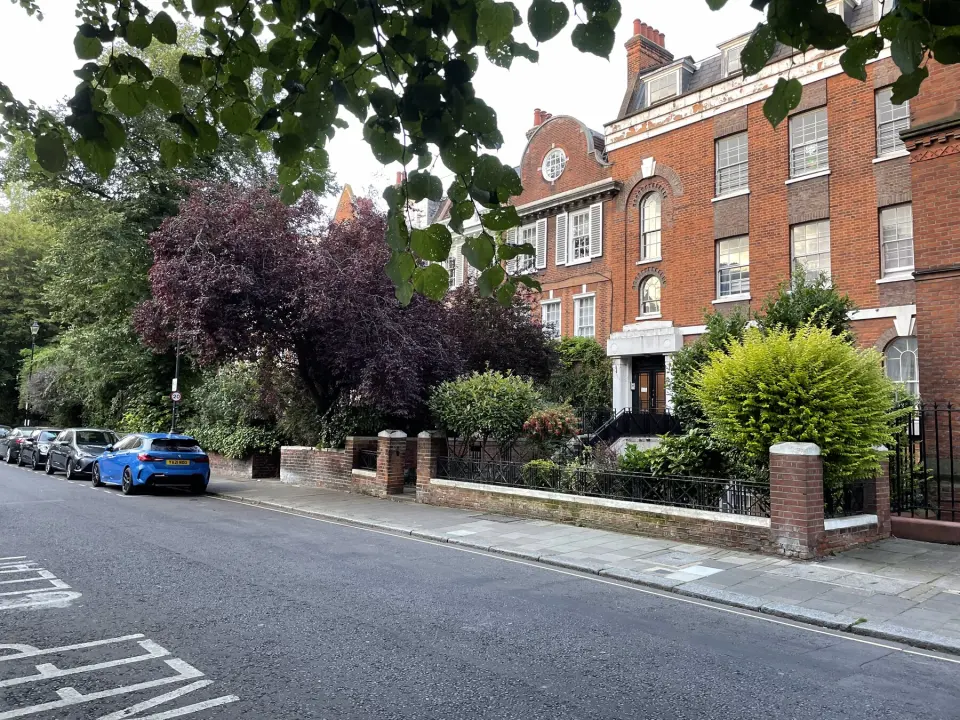
Housing Benefit from 5 October: how much you can earn without losing the benefit
From 5 October 2026 five new earnings thresholds apply in Housing Benefit — from £61.41 to £119.70 a week depending on age and household. That money is ignored when the benefit is worked out. It applies to people in supported housing or in council temporary accommodation: more than 325,000 people across the UK. There is nothing to claim — councils recalculate it themselves.

£2,000 for hiring a young apprentice: new payment for small employers starts 1 October
From 1 October 2026 an employer in England that does not pay the apprenticeship levy gets £2,000 for every new apprentice aged 16 to 24: £1,000 after 90 days of training and another £1,000 after a year. There is no application — the money comes through the training provider. Stacked with other support, one apprentice can be worth up to £8,000.

Business grants, loans and government support in the UK: where the start-up money is and what it costs
There is no national “start a business” grant in the UK: the official GOV.UK catalogue listed 129 support schemes on 4 October 2026, 45 of them grants — and only 18 open to businesses not yet trading. The one national start-up loan runs from £500 to £25,000 at a fixed 7.5% a year. Here is where the non-repayable money actually sits, who gets it, and which reliefs are worth more than any grant.
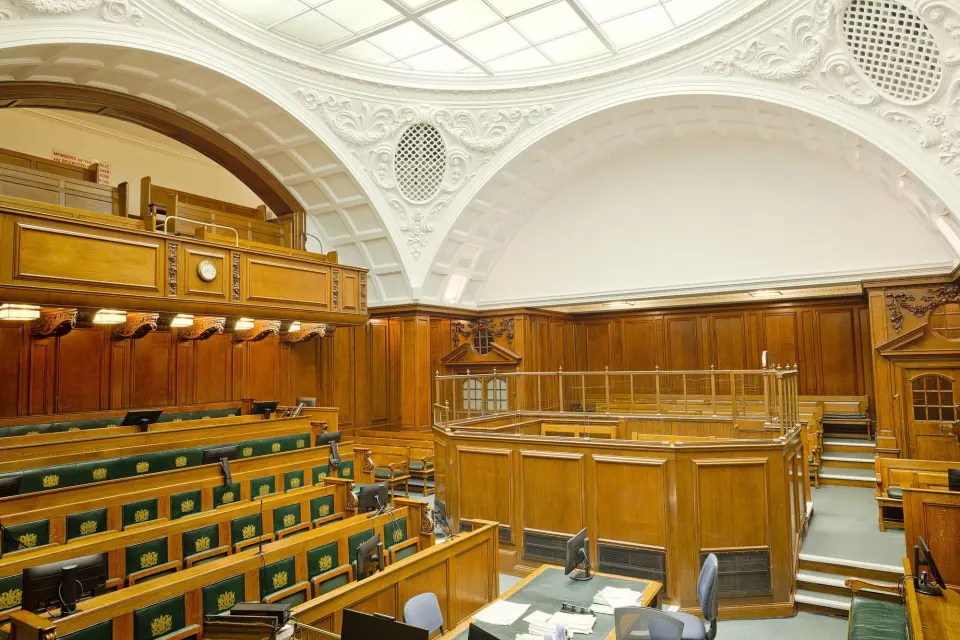
A jury summons has arrived: what to do, how long it lasts and what it pays
Jury summonses in England and Wales are sent at random from the electoral register, and you must respond within 7 days: silence or failing to attend can cost up to £1,000. Service usually lasts up to 10 working days, the court pays no wages but covers loss of earnings of up to £64.95 a day. Here is who gets called — foreign nationals included — how to move the date and what you can claim.
Your gas and electricity debt can be written off in full: who Ofgem is clearing 2022–2024 bills for, and what you must do
While everyone was working out the new price cap, Ofgem quietly launched a scheme that writes off old energy debt — up to £500m for around 195,000 customers, in full and with no matching payment. There is no application form: your supplier finds you, which is exactly why a write-off is so easy to miss. Here are the conditions — debt billed between 1 April 2022 and 31 March 2024, a £100 minimum, means-tested benefits, and one non-obvious requirement that pushes people out of the scheme.

Your UK water bill: how it is calculated and how to pay less
You cannot switch water supplier, but you can change the amount on the bill. What each company charges in 2026/27, when a meter pays off, who qualifies for a social tariff worth up to 90% off, why water is never disconnected over arrears, and when the company owes you GBP 10 a day.
Workplace pension and auto-enrolment: where 5% of your payslip goes, what your employer must add, and whether opting out is a good idea
Every worker in the UK aged 22 or over earning at least £10,000 a year is automatically enrolled into a workplace pension. The minimum contribution is 8% of a band of earnings: 5% from you (including government tax relief) and at least 3% paid by your employer on top of your salary. Here is what the pension line in your payslip means, how to opt out with a refund, and what happens to your pot when you change jobs or your employer goes bust.

Maternity leave and pay in the UK: 52 weeks off, £194.32 a week and what to do if your employer says no
Up to 52 weeks of leave but only 39 weeks of pay, most of it a flat £194.32 a week before tax. Who qualifies for SMP, what Maternity Allowance is, the one date that decides everything (15 weeks before the birth), what fathers get, and how to claim £500 and free prescriptions.

DWP debt recovery: from October money can be taken straight from your bank account, and debts over £1,000 can cost you your driving licence
The DWP is switching on new recovery powers: direct deductions from bank accounts without a court order and, in persistent cases, disqualification from driving for up to two years. Warning letters started on 24 June and the window to agree terms closes on 24 October 2026. It applies to people who are no longer on benefits and not in PAYE work.
Healthcare in the UK: what the NHS gives everyone for free, what prescriptions and dentists cost, and who pays under the 150% rule
Two myths circulate about British healthcare: 'everything is free here' and 'you can't see a doctor without insurance'. Both are wrong. A GP appointment, the ambulance, A&E and the 111 line are free for everyone — whatever your visa or status — and you can register with a GP without proof of address or right to reside. The pharmacy and the dentist, though, have their own tariffs: a prescription is £9.90 per item, dental work runs £27.90 to £332.10, and visitors who never paid the IHS surcharge get billed for hospital care under the 150% rule. The whole system, with the numbers.
Can’t pay all your debts? Which to pay first in England — and how Breathing Space freezes interest for 60 days
Rent, council tax, energy, credit cards, buy now pay later: when money runs short, the order you pay in decides whether you keep your home and avoid bailiffs. Which debts are priority in England, what happens if you don’t pay council tax, how to deal with energy suppliers and HMRC, and how to get 60 days of Breathing Space for free.
Lifetime ISA in 2026: how to withdraw without the 25% penalty — and what the new First Time Buyer ISA means
The government adds 25% to savings for a first home — up to £1,000 a year. But withdrawing outside the rules costs 25% of the whole amount, so you lose some of your own money too. This summer the Treasury said the Lifetime ISA will be replaced by a new First Time Buyer ISA. When you can take money out penalty-free, how much an early withdrawal costs, and what existing savers should do.
Guaranteed jobs for young people on health benefits: the state will pay six months of wages
The Department for Work and Pensions announced on 27 September a major expansion of the Jobs Guarantee: from April 2027, young people on health benefits will be offered a guaranteed paid job 13 weeks after their Work Capability Assessment. Participation is voluntary, and the government will cover 100% of wages for up to 25 hours a week for six months. Here is who qualifies and what to do now.
How to get your money back through the courts in England: claims online from £35, a £10,000 small claims limit and free mediation
A landlord kept your money, a tradesman took a deposit and vanished, a friend will not repay. In England and Wales the process is still called the small claims court and it is built for people without lawyers. From GOV.UK and the statute: time limits, fees, fee remission, compulsory free mediation and what to do when you win and they still do not pay.
The government built a free CV tool: 20,000 CVs through Work Hub — and how to use it
On 25 September the DWP published the first results from Work Hub, the free job-search platform it calls a “jobcentre in your pocket”. The CV builder is open to everyone, not only people on benefits. Here is what is inside, where to find it and what not to expect.

Free childcare in England in 2026: 30 hours from nine months, the income tests and the 31 December deadline
To have the hours start on 1 January you need the code by 31 December. Here are the three schemes, the £2,643.68 three-month earnings test and the £100,000 ceiling, the National Insurance and no recourse to public funds rules — and the separate 15-hour route for families with no access to public funds.
Help to Save: the government adds 50p to every £1 you save — £300m in bonuses paid out
HMRC said on 21 September that more than £300m in Help to Save bonuses has now been paid, across 656,700 accounts and £676.7m of deposits. You can put away £1 to £50 a month and the government adds up to £1,200 over four years. The catch is the entry rule: you must be on Universal Credit and have had at least £1 of take-home pay in your last assessment period.
NHS dentist costs in England in 2026: £27.90 for a check-up, £332.10 for a crown — and how to get an appointment
NHS dental charges do not depend on how many procedures you have: there are three bands — £27.90, £76.60 and £332.10 — and you pay only for the highest one. What each band covers, why you cannot register with a dentist, who to call in pain, who is treated free, and the tick-box that brings a £100 penalty.
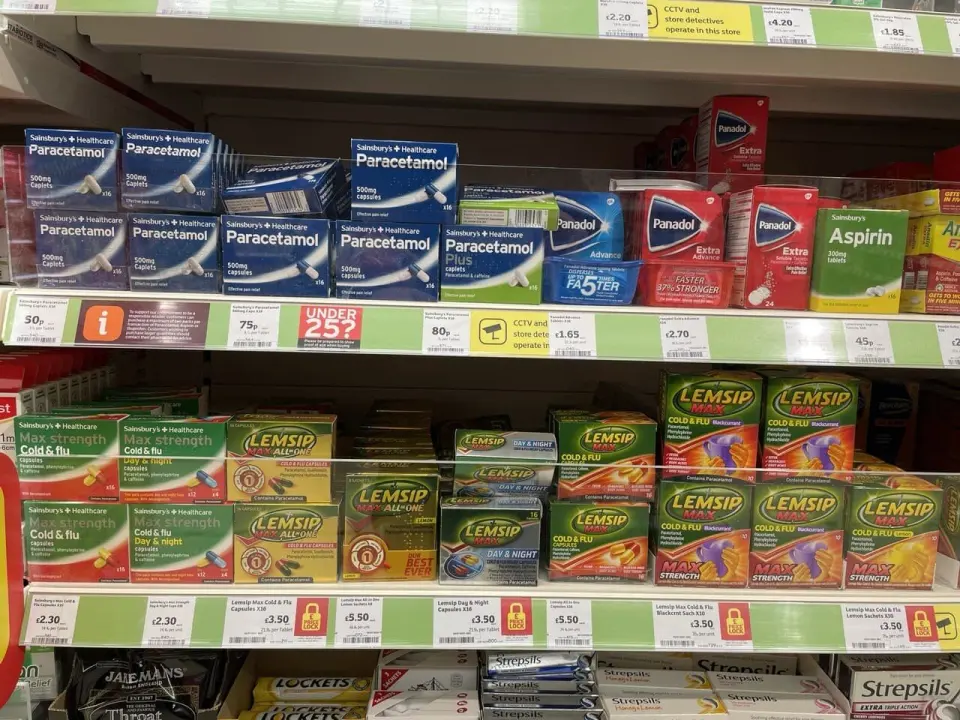
Sick pay in the UK in 2026: paid from day one, up to £123.25 a week
Since 6 April 2026 the three unpaid waiting days are gone and the earnings threshold has been scrapped: SSP is available to every eligible employee. The rate is 80% of average weekly earnings or £123.25 a week, whichever is lower, for up to 28 weeks. Who qualifies, when you need a fit note, what the self-employed can claim and where to complain if an employer refuses.
Your rent is going up: how to challenge it for £47 — and why the tribunal can no longer set it higher than the landlord asked
Since 1 May 2026 rent in England can be raised once a year, by form 4A notice with two months' warning. Challenging it costs £47, and the application must be in before the new rent starts. The key change: the tribunal cannot award more than the landlord proposed, and a revenge eviction under section 21 is no longer possible.
£150 off your electricity bill: entitlement was fixed on 23 August, letters arrive in November — and it is not just for pensioners
The Warm Home Discount reopens in October for the 2026/27 winter. About 6 million households will get it, 96% of them automatically with no application. Universal Credit and Housing Benefit qualify, not only Pension Credit. But the electricity account must be in your name, and the qualifying date — 23 August 2026 — has already passed.
Made redundant in the UK: how much you are owed and what to do if you are on a work visa
The statutory maximum is £22,530: £751 per week of service, up to 20 years, and only after two years in the job. The first £30,000 is tax free. And if you are on a Skilled Worker visa, redundancy leaves you 60 days or the remainder of your visa, whichever is shorter. Here is what you are owed, by when, and where to get free advice.
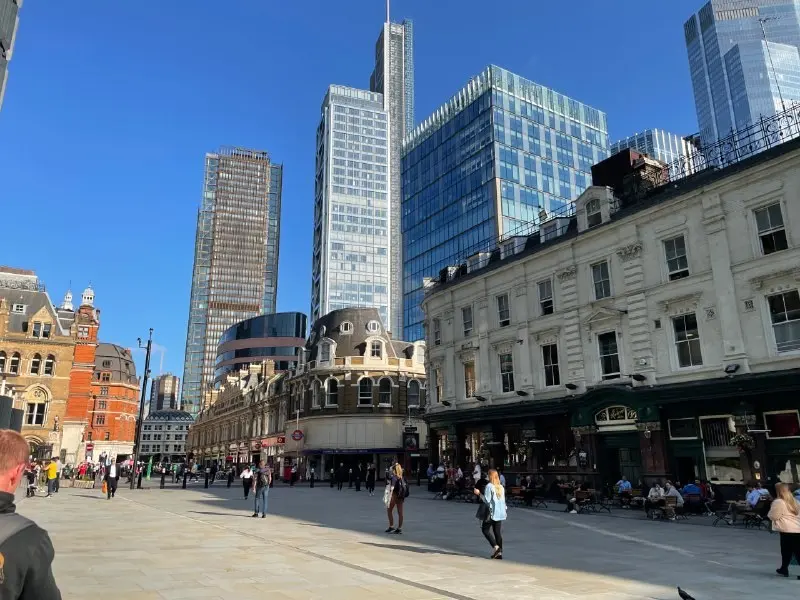
UK job vacancies are lower than in any year since 2014: what the ONS figures of 15 September mean if you are looking for work
The ONS published its labour market data at 7am on Tuesday. Vacancies stand at 702,000 for June to August, down 8,000 on the quarter; outside the pandemic slump the last comparable level was in 2014. Unemployment is 4.9%, but 145,000 fewer people are on a payroll than a year ago. Private sector pay is rising 2.9% a year — more than twice as slowly as public sector pay.

Free school meals: from this year every family on Universal Credit qualifies — but you have to apply
The £7,400 threshold has gone and meals are available to any family on Universal Credit. That is £475–£570 a year per child you stop paying. How to apply, what else the entitlement unlocks, and what will be banned from school menus in 2027.

A thousand deer forty minutes from central London: what the rut is and why you must not approach
From late September to early November the rut runs in Richmond Park and Bushy Park. Free to watch, but fifty metres is safety, not courtesy. Plus where London's autumn colour is and how to get into Kew for £10.

Winter Fuel Payment 2026: who gets £100–£300, and who has to give it back
This winter’s heating payment goes to everyone born on or before 27 June 1960 who lives in England, Wales or Northern Ireland. For most people no claim is needed — the money arrives in November or December. But if your own income is above £35,000, HMRC takes it back through the tax system. Opting out: by phone until 6pm on 18 September, online until 11:59pm on 20 September.

The UK State Pension: 10 years, 35 years and an age of 67 — how it is actually counted
The full new State Pension in 2026/27 is £241.30 a week, about £12,548 a year. It is not paid to everyone and not automatically: you need at least 10 years of contributions, usually 35 for the full amount, and from April the pension age started climbing from 66 towards 67.
Universal Credit: who can claim, what it pays, and why many people must not apply
The standard allowance runs from £338.58 to £666.97 a month, savings are capped at £16,000, and every £1 earned cuts the payment by 55p. But first things first: most visas carry a no recourse to public funds condition, and claiming without the right damages your visa. How to check your condition and what to do if you have no right to claim.
Council tax in 2026/27: what you pay, who pays less, and what happens if you fall behind
The average Band D bill in England is £2,392 a year. A 25% single-adult discount, 50% and full student exemptions, and the separate Council Tax Reduction scheme — none of it applies automatically, only on application. And seven days after a missed payment, the whole year becomes due.
Russia's digital rouble goes live: 12 banks, a 300,000-rouble cap and what it means from the UK
From 1 September the digital rouble has left the pilot stage: the twelve largest banks open wallets, retailers turning over 120 million roubles must accept it, and top-ups are capped at 300,000 a month. No interest, no cashback, and transfers cannot be reversed.

Starting out in Britain: nine guides checked against the public registers
A bank account without proof of address, a credit record from zero, a free NHS interpreter, the home rate for university, school after VAT, work and pay, and doctors and restaurants checked against the registers. All of it in one place, in the order in which the questions come up.

Food in Britain: where it is genuinely cheaper, and the money you may not be claiming
Yellow stickers on a timetable are a myth, and four of the big chains confirmed it. Meanwhile free school meals now go to every family on Universal Credit whatever their income, the old Household Support Fund has closed and been replaced, and community fridges hand out food with no voucher and no means test.
An NHS interpreter is free — and you can register with a GP without a single document
We checked the most common beliefs about the NHS against primary sources. The practice must book the interpreter, and nobody under 16 may do the job. Registering with a GP needs no passport, no address and no immigration status, and a refusal must be explained in writing within 14 days. And five minutes on the GMC, GDC and CQC registers separate a real doctor from a good-looking website.
UK law does not require proof of address — and nine banks must open you a basic account
Checked against the rules themselves rather than the banks' websites: nine designated banks must open a basic account within 10 business days, the grounds for refusal are a closed list, and neither a poor credit file nor a missing address is on it. What to bring instead of a utility bill, where £120,000 of protection applies and where none does, and what changed on 28 April 2026.
Mobile and home internet in Britain: how to pay less and avoid roaming rip-offs
SIM-only instead of a contract, cheap networks, free EU roaming for trips home, social tariffs from £10–12 for people on benefits, and how to switch provider without losing out. With useful apps.
Health in Britain: how to register with a doctor, what is free on the NHS and free medicines
How to register with a GP, what the NHS gives everyone for free, and who does not pay for medicines. With links to official NHS services.

Free English in Britain: who qualifies for funded courses and where to enrol
England has government-funded English courses for adults (ESOL). Here is who can study for free, what you will be asked at enrolment, and where to find classes.