Settlement and citizenship
Indefinite leave to remain and a British passport: qualifying periods, absences, tests and cost. You can count your own trips with the calculator on our services page. The rules shift, so the date attached to each figure matters.
Articles on this topic: 39
Who gets status extended and settlement granted automatically — and when the passport comes
Permission continues by itself if you apply in time — but lapses if you leave the country. Pre-settled status is converted automatically using tax records. Citizenship comes 12 months after settlement.

A British degree: what it actually gets you, and where it does not
One real privilege — the Graduate visa — and it shrinks from two years to 18 months on 1 January 2027. Study years do not count towards settlement, and the degree alone does not license you to practise.
UK settlement reform: what was decided on 2 November, and what is not in force yet
On 2 November the government set out the final earned-settlement rules: the periods and income thresholds are now known. But importantly, the new rules are not in force yet — the current system applies until the Immigration Rules change. Here is what is decided and what is only announced.

UK settlement: which years will count, and which will not
The reform closes the Long Residence route. Years on a Student visa, on Graduate and on the Ukraine schemes will no longer build towards permanent status. Here are both lists.
English at B2, no debts, clean record: the new settlement checks
The reform rewrites the checks as well as the timings: English rises to B2, government debt becomes a bar, and any UK criminal record means refusal.
Settlement in Britain must now be earned: three years, five or ten
The Home Office set out a new settlement model on 2 November. The near-automatic five years is gone: the wait now depends on earnings, occupation and compliance, with ten years as the new default.

Health and Care Worker visa: rules, £324 fee and timings
A cheaper visa route for doctors, nurses and care workers: who qualifies, what it costs, why there is no health surcharge and how it leads to settlement.

The English requirement for UK visas: levels and exemptions
Different stages — a first partner visa, an extension, settlement and citizenship — need different levels of English. Here are the CEFR levels, how to prove them, and who is exempt.
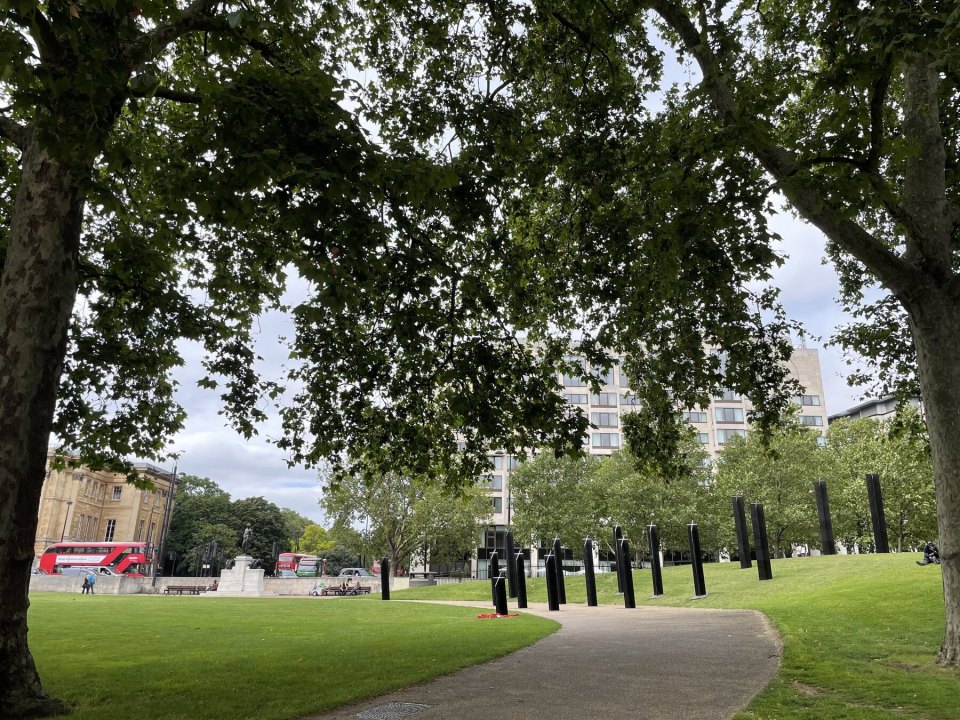
Indefinite Leave to Remain (ILR) in the UK in 2026
The routes to UK settlement, how many years you need and what the Life in the UK Test involves, based on GOV.UK rules for 2026.

UK Spouse and Partner Visa: What You Need to Know in 2026
Who can apply for a UK partner or spouse family visa, what income you must prove and how long the visa lasts, based on GOV.UK rules for 2026.

UK Ancestry visa 2026: 5 years to live and work via a British grandparent
Commonwealth citizens with a grandparent born in the UK can get an Ancestry visa — 5 years, with the right to work and a route to settlement. The fee is £726.

UK spouse/partner visa 2026: length, income and the route to settlement
To live in the UK with a British spouse you need a family (partner) visa. The first grant is 2 years 9 months, and after 5 years you can apply for settlement. Here are the relationship, income and English rules.

EU Settlement Scheme: settled vs pre-settled status in 2026
EU citizens and their families live in the UK under EUSS status. Here is the difference between settled and pre-settled, how to move to the permanent status after 5 years, and why pre-settled is now extended automatically.

Graduate visa 2026: how to stay in the UK after study — length, cost, conditions
The Graduate visa lets a graduate stay and work in the UK without a sponsor. Note: from 1 January 2027 the length for bachelor’s and master’s graduates is cut.

Refused a UK visa: review, appeal and the 7, 14 and 28-day deadlines
After a Home Office refusal there are three separate routes: an administrative review for £80, an appeal to the tribunal for £82 or £144, and a reconsideration request. You do not choose — exactly one is open, and the decision letter says which.
The Global Talent visa: no employer, no sponsor — through endorsement
The key difference between the Global Talent visa and the Skilled Worker visa: it does NOT need an employer sponsor or a job offer. You need an endorsement from an approved body in your field — science and research, arts and culture, or digital technology — or a prestigious prize from the eligible list. Here is who qualifies, how it works and what it gives.

Life in the UK Test: £50, 24 questions and a 75% pass mark
No settlement and no citizenship without it. £50 an attempt, 24 questions in 45 minutes, a 75% pass mark. Who is exempt, which ID to bring, and what gets people turned away at the door.

British citizenship: five years, 450 days and £1,839
Naturalising after ILR takes five years in the country, twelve months holding settlement and two separate absence ceilings — 450 days over five years and 90 days in the last twelve months. The £50 Life in the UK test, the English levels and what the fee buys.

UK family visa: £29,000, five years to settlement and what the application costs
A combined income of at least £29,000 a year, £2,064 to apply from abroad plus the health surcharge, a first visa of 2 years and 9 months and settlement after five years. The rules for spouses and partners, and the benefit exemptions.
Earned settlement: still no government response, and February 2027 is close
The consultation closed on 12 February 2026 and GOV.UK still says it is analysing the responses. The move from five years to ten is settled in principle; the transitional arrangements are not. Keeping five years for those already here is one option, not a decision.
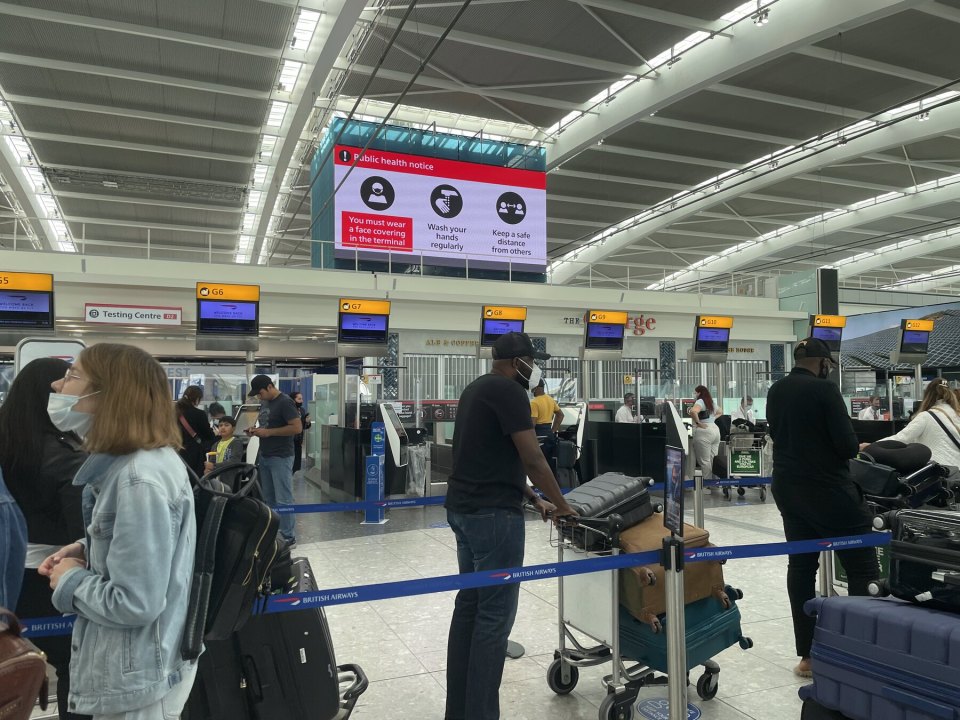
Immigration Health Surcharge: £1,035 a year, £776 for students, 10 days to top up
Almost everyone applying for a UK visa pays the immigration health surcharge. Here are the rates, how part-years are calculated, who is exempt and when you get a refund.
Register to vote in the UK: who is eligible, what photo ID you need and the £1,000 fine
Getting on the electoral register is a separate step that does not happen by itself. Here is who can register in England, Scotland and Wales, what photo ID is accepted at the polling station, how to get a free Voter Authority Certificate, and what ignoring a letter from your council costs.
How to register with a GP surgery in England: no ID or visa needed
The NHS does not ask for ID, proof of address or proof of immigration status — only your name, date of birth and address. Here is how to register, how long it takes, when a surgery may refuse you, and why GP registration does not make hospital care free.

UK immigration rules change on 8 October 2026: what is new
HC 584 is now in force: the visitor route is wider, while the fee waiver rule and the biometric deadline are tighter. Home Office fees dated the same day did not rise by a pound.

£2,000 for hiring a young apprentice: new payment for small employers starts 1 October
From 1 October 2026 an employer in England that does not pay the apprenticeship levy gets £2,000 for every new apprentice aged 16 to 24: £1,000 after 90 days of training and another £1,000 after a year. There is no application — the money comes through the training provider. Stacked with other support, one apprentice can be worth up to £8,000.

'Apply to study and the government sends you £25,000 — no need to attend': how Student Finance really works
A 'scheme' is doing the rounds in chats and social media: apply for a course in England, get around £25,000 from the government into your account — and never study. Using the official GOV.UK rules, we unpack where the number comes from, what students actually get paid, why 'take the money and don't study' is criminal fraud, and how the Student Loans Company catches such applicants.

UK visa waiting times in 2026: the official UKVI timelines and how to get a decision in a day
The official UKVI timelines: visitor, student and work visas from outside the UK take 3 weeks, family visas 12 weeks, and most in-country extensions 8 weeks. Pay an extra £500 and a decision is promised within 5 working days; £1,000 buys one by the end of the next working day. Here is when the clock starts, why timelines slip, and when the extra fee is a waste of money.

A sponsor licence for employers: £611 for small business, a £525 certificate and up to £1,320 a year in charges — how to hire from abroad
Only an employer with a sponsor licence can hire from abroad — including EU citizens who arrived after 2020. The GOV.UK rules: prices for small and large businesses, certificates of sponsorship, the Immigration Skills Charge, the 8-week timeline and the duties that get licences revoked.

Skilled Worker visa in 2026: the £41,700 threshold, who qualifies at £33,400, what it costs and how to bring family
The UK's main work visa in 2026: a salary threshold of £41,700 or your job's going rate, discounts down to £33,400 for the young and shortage occupations, English now at B2, fees from £819 plus £1,035 a year for the NHS. The GOV.UK rules on who qualifies, what it costs and which family members can come.

Help to Save: the government adds 50p to every £1 you save — £300m in bonuses paid out
HMRC said on 21 September that more than £300m in Help to Save bonuses has now been paid, across 656,700 accounts and £676.7m of deposits. You can put away £1 to £50 a month and the government adds up to £1,200 over four years. The catch is the entry rule: you must be on Universal Credit and have had at least £1 of take-home pay in your last assessment period.

Made redundant in the UK: how much you are owed and what to do if you are on a work visa
The statutory maximum is £22,530: £751 per week of service, up to 20 years, and only after two years in the job. The first £30,000 is tax free. And if you are on a Skilled Worker visa, redundancy leaves you 60 days or the remainder of your visa, whichever is shorter. Here is what you are owed, by when, and where to get free advice.

Moving to the UK in 2026: visas, real costs and what has changed
A guide built from primary sources: which visa you need to work, what the move actually costs, where to enrol biometrics from Russia and Belarus, and whether settlement really now takes ten years.

An expired BRP stops working on 31 December 2026
The plastic BRP cards have expired and been replaced by eVisas. An old card is still accepted, but only for three things and no later than 31 December 2026. For entering the country it is already useless.

HC 584: what changes in the UK Immigration Rules from 8 October — a breakdown by date and route
The Home Office has laid another package of amendments before Parliament. It carries four commencement dates, a dozen affected routes, and one significant piece of news about what is not in it. Here is what changes, who it touches, and which amendments come with transitional protection — and which do not.

AI by the numbers: what it is worth, what it runs into, and why "which shares should I buy" is the wrong question
Nvidia at $5.45 trillion and first in the world. Anthropic valued at $965bn against OpenAI at $852bn — but one is profitable and the other loses more than a dollar per dollar earned. Growth runs into electricity, not ideas: 140 British projects are waiting for a grid connection, some for up to fifteen years. What AI does well, where it invents, how politicians know about shares, and why the honest answer on investing sounds dull.

Going self-employed in the UK: registering, your UTR and what you pay in 2026
Register if you earned more than £1,000 in a tax year, and tell HMRC by 5 October. Class 2 is no longer compulsory; Class 4 is 6% and 2%. Unregistered subcontractors lose 30% instead of 20%. From 6 April 2026, turnover above £50,000 means quarterly reporting. And the part that catches people out: a Student visa bars self-employment, while a Skilled Worker visa allows 20 hours a week.
Settlement in the UK: what ILR really is, and why the qualifying period may double
UK law has no "residence permit" or "permanent residence" — it has time-limited leave, indefinite leave to remain (settlement) and citizenship. ILR usually comes after 5 years of work, with English at B1, a £50 Life in the UK test and a £3,226 fee; citizenship a year later, at £1,839. Two continuous years abroad and ILR lapses. And the qualifying period is set to rise from 5 years to 10, promised for autumn 2026 and stated to be retrospective.
Inviting family to Britain: there is no minimum balance, and UKVI will not look at your hotel or flight bookings
The British Embassy published cards on the finances behind a visitor visa; we checked every claim against the Immigration Rules and the Home Office caseworker guidance. There is no set level of funds in the requirements, there is no "6 months in 12" rule, and a visitor refusal carries neither appeal nor administrative review. Plus the full official list of fifteen documents a caseworker is told not to consider.

Studying in Britain in 2026: who pays £9,790, who pays £70,000, and three dates you cannot miss
The gap between home and international fees runs to seven times, and it is decided by three years of residence rather than by citizenship — and you need not have held settled status for all three, which is the part most often misread. Plus: the visa maintenance figure rises on 30 November, the Graduate route drops from two years to eighteen months on 1 January, and Chevening closes on 6 October.