How to register with a GP surgery in England: no ID or visa needed
The NHS does not ask for ID, proof of address or proof of immigration status — only your name, date of birth and address. Here is how to register, how long it takes, when a surgery may refuse you, and why GP registration does not make hospital care free.
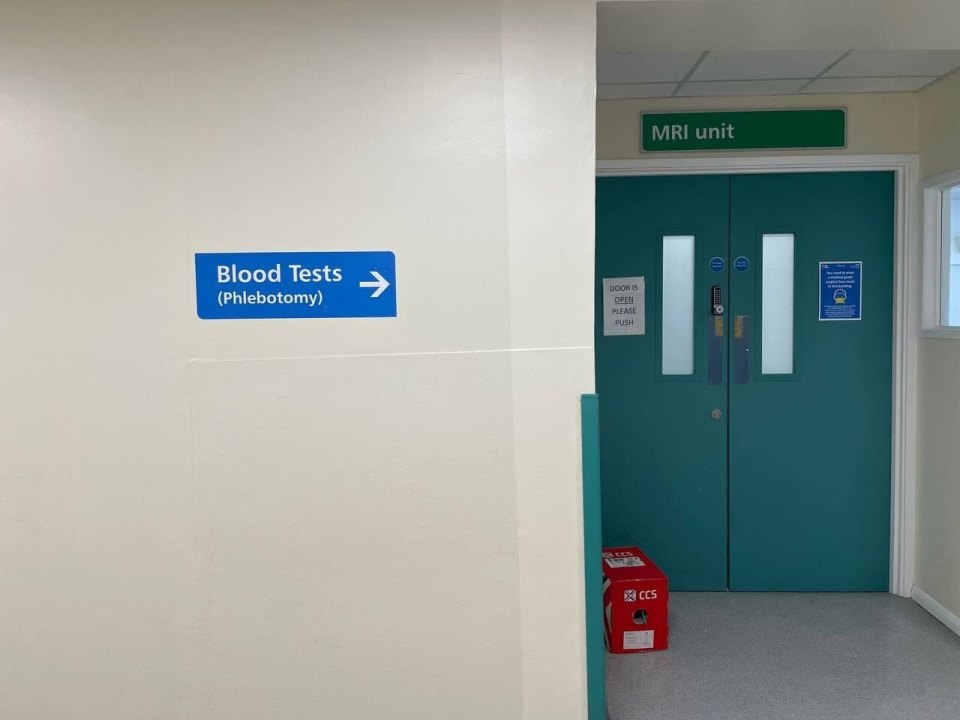
Registering with a GP surgery is the first administrative step most people should take after moving to England. Without it there is no routine appointment, no referral to a specialist and no fit note for an employer. Many people put it off because they assume they need a passport, a visa, a tenancy agreement and a utility bill. Under NHS rules, none of that is required.
What do you actually need to register with a GP?
Your name, date of birth and address — that is the whole mandatory minimum. The NHS states it plainly: you do not need ID, proof of address or proof of immigration status to register. An NHS number makes it easier to find your medical records, but you do not need one either. You will also be asked for the name and address of an emergency contact, the name and address of the GP you are registered with now if you have one, and the name and address of your carer if you have one. A surgery may ask for extra documents, but for a different reason — to trace and transfer your old records, or to confirm you are the parent or guardian of a child you are registering.
How do you register, and how long does it take?
The quickest route is online through the NHS website: enter a postcode, pick a surgery from those that accept online registration, and fill in the form. It takes about 15 minutes per person. You will usually be told you are registered within 5 days of the surgery receiving your details, though it can take longer. The alternatives are turning up at the surgery and completing a paper form, downloading that form in advance, or using a form on the surgery's own website — not all of them offer this. If you are switching surgeries you do not need to tell your current one: it is informed automatically. You can also change surgery through the NHS App, but only if you are already registered somewhere.
Can a surgery refuse to register you?
It can, but only for three reasons: it is not accepting new patients, you live outside its area, or you were removed from its patient list in the past. Any other motive is not legitimate. If a surgery refuses you, it must write to you within 14 days explaining why. If you hit problems registering, the places to go are your local integrated care board (ICB), Citizens Advice or your local Healthwatch.
What if you do not have a permanent address?
It is not a barrier. The NHS allows you to register using a temporary address, or even the address of the GP surgery itself. Having no settled home is not a ground for refusal.
How do you register a child?
Children under 16 are usually registered by a parent or guardian, and a separate form is filled in for the child. You may need to be registered with the same surgery as the child. You may be asked for proof of ID and address for the child — a birth certificate, for example — and for ID proving you are the parent or guardian. The child's personal child health record, the red book, helps if you have it.
Can you register outside your local area?
Yes — near your workplace, for instance. This is called out of area registration and not every surgery accepts it: the NHS find-a-GP search has an "Accepts out of area registrations" filter. There is a trade-off. It can affect home visits, urgent care outside the surgery's opening hours, and community services such as physiotherapy and midwife appointments. The NHS advises asking the surgery in advance exactly how those services will work for you.
 ADV · A003We build websites for tradespeople and sole traders — £219Customers see your work and prices and message you straight away. Ready in 3 days, £219 instead of £438.Advertise here
What if you are only in the UK for a short stay?
Register as a temporary patient for up to 3 months, using a temporary services form that the surgery provides. This applies if you are in the area for more than 24 hours but less than three months. After 3 months you can re-apply as a temporary patient or register permanently. If a temporary registration is refused, you are still entitled to any treatment you need immediately, for up to 14 days.
Does registering with a GP mean hospital care is free too?
No, and this is the most common misunderstanding. The NHS says directly that being registered with a GP practice does not in itself entitle you to free NHS hospital treatment. Hospital care is free to people who are "ordinarily resident" — living in the UK lawfully and on a properly settled basis; you cannot be considered ordinarily resident without indefinite leave to remain or status under the EU Settlement Scheme. If you paid the immigration health surcharge for a visa longer than 6 months, or are exempt from it, hospital treatment is free on a similar basis to a resident — but prescription and dental charges still apply. If you are not ordinarily resident and have to pay, the charge is 150% of the national NHS rate. A&E services themselves are free to everyone, except where someone is admitted to hospital from A&E.
The practical conclusion: register as soon as you arrive rather than waiting until you need a doctor. The process takes up to five days, and those five days may be exactly the ones you do not have.
 Life
Marriage notice in England: 29 days, 7 days in the district and 70 if the Home Office investigates
Life
Marriage notice in England: 29 days, 7 days in the district and 70 if the Home Office investigates
 Life
ADHD and autism in England: government changes the rules on assessments and promises help without a diagnosis
Life
ADHD and autism in England: government changes the rules on assessments and promises help without a diagnosis
 Life
Registering a birth in England: the 42-day deadline and who goes on the certificate
Life
Registering a birth in England: the 42-day deadline and who goes on the certificate
- Travel Windrush line delays and Croydon tram closures: London tube today, 5 October
- Money UK sanctions Cryptomus, Heleket and VexPay: what it means for money transfers
- Money Your gas and electricity debt can be written off in full: who Ofgem is clearing 2022–2024 bills for, and what you must do
- Markets Diesel passes £2 a litre for the first time: what it costs in London today and where to fill up cheaper
- Life When do the clocks change in the UK in 2026? 25 October, an hour back
- Housing Hosepipe bans in England: ten companies, 30 million people, six reservoirs exceptionally low
- Life MenB jab for students: free until 31 December, but only 27% have had a first dose