Council tax — the local charge
The payment to your borough council: bands, discounts, exemptions and what happens if you fall behind. We also track the boroughs where the bill is rising fastest.
Articles on this topic: 43

Are you missing £4,700?
Up to 2.6 million working-age families did not receive support they were entitled to, worth about £4,700 a year on average. It is the first new government estimate for this group in nine years. Here is what was counted and how to check for free.

Second homes and empty properties: when Council Tax doubles or quadruples
A council can charge up to twice the normal Council Tax on a furnished home nobody lives in, and up to four times on one empty for ten years. The exceptions are few, and some of them last only 12 months.

Council Tax Reduction: how to cut your bill when money is tight
The average Band D bill in England for 2026–27 is £2,392. Every council must run a reduction scheme for households in financial need, but it is only granted on application. Here is how much you can save, what to send and what to do if you are refused.

Council Tax discounts: who pays 25% or 50% less and how to claim
Council Tax is charged on the property, not the people — yet the number of adults in a home can halve the bill. Here is who qualifies for 25% and 50%, the ten categories the council does not count as adults, why an empty flat can cost four times the normal rate, and the deadlines for appealing.
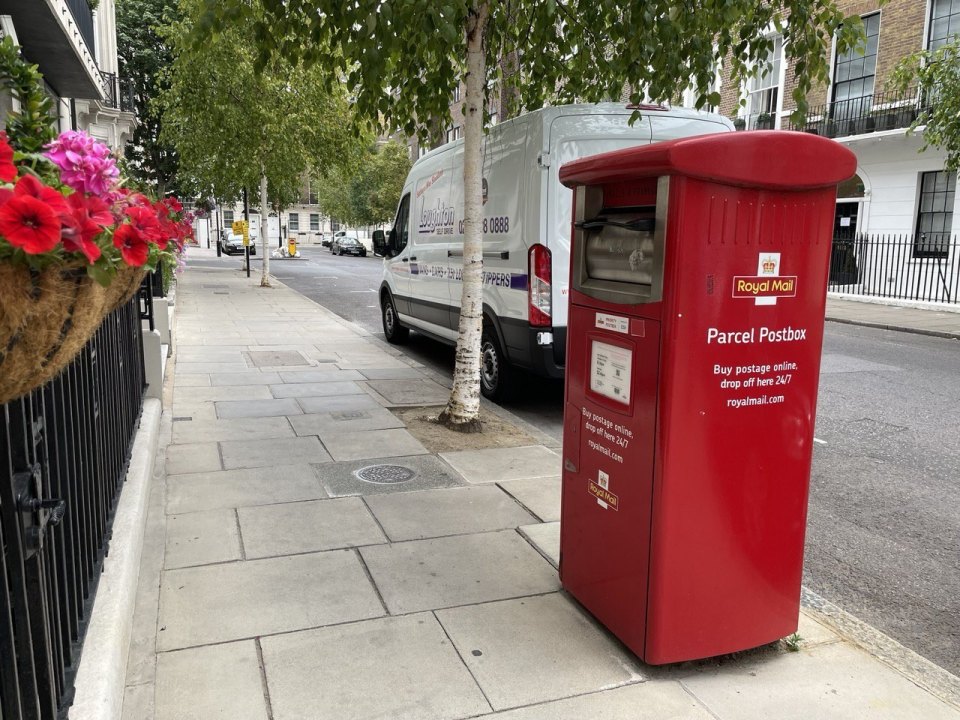
Moving house in the UK: who needs your new address
Not telling the DVLA about a change of address can cost up to £1,000, though the process itself is free. And it is not one action but four: licence, V5C, tax Direct Debit and the personalised number document. Here is the full list.
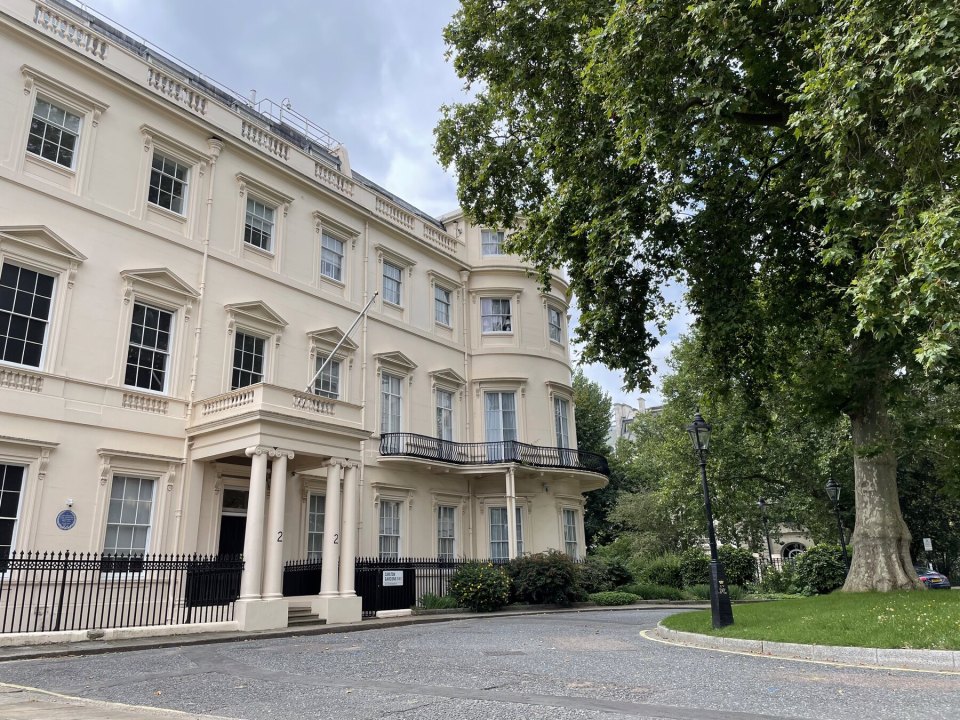
How to challenge your council tax band: six months, five comparables and a four-month wait
The letter on your bill reflects what the property was worth on 1 April 1991. Challenging is free, but a proposal takes up to 4 months and can be appealed, while a band review takes up to 12 and cannot.
Attendance Allowance: £76.70 or £114.60 a week and six months of needing care
A care payment for people of State Pension age. Income and savings are not counted, but you must have needed help for at least six months.
£50,000 a day: how London's richest residents spend their money
The average British household spends £676.60 a week. A wealthy Mayfair resident contributes up to £50,000 a day to London's economy, and a visiting one £4.5m over 90 days. Where the figures come from, and how far to trust them.

London Living Wage rises to £15.45 an hour
The Living Wage Foundation has set its 2026-27 rates: £15.45 in London and £14.10 across the UK, both up 65p. The rate is voluntary and employers have until 1 May 2027.
Short on rent: what replaced Discretionary Housing Payments in England on 1 April 2026
Since 1 April 2026 England has the Crisis and Resilience Fund instead of Discretionary Housing Payments. It does not affect your benefits, you apply through your council, and every council sets its own rules.
Bailiffs at the door: what they cannot do and cannot take
Bailiffs must usually give 14 days' notice, you usually do not have to open the door, they cannot force entry or call between 9pm and 6am, and work tools worth under £1,350 are protected.

NHS Low Income Scheme: HC2 and HC3 certificates, the £16,000 limit and the 3-month refund window
The scheme covers prescriptions, dental care, eyecare, hospital travel and wigs — and reaches people refused a means-tested benefit, because council tax and housing costs count.

New Style JSA in 2026: £95.55 a week, 182 days and the Jobcentre interview
The unemployment benefit paid on your National Insurance record, not on need — savings are ignored entirely. Rates, who qualifies, what to bring to the interview and what triggers a sanction.

PIP: £76.70 or £114.60 a week and who can claim it
Personal Independence Payment helps with the extra living costs of a long-term illness or disability. It is not means-tested, it is tax free and it is paid alongside almost every other benefit. Here are the rates, the closed list of tasks you are assessed on and how to claim.

DWP posts 660,000 leaflets: pensioners reminded about £4,500 a year
The Department for Work and Pensions has launched a new Pension Credit push. Leaflets go to seven areas with many low-income pensioners: the top-up is worth more than £4,500 a year on average, yet around a million people who qualify do not claim it.
Council tax: four legitimate ways to cut your bill
Council tax arrives in full until you claim a discount. People living alone get 25%, all-student households pay nothing, disability moves the property a band down, and an income-based reduction can take the bill to zero. Here are all four mechanisms and who qualifies for them.

Attendance Allowance: £76.70 or £114.60 a week, and who can claim
Attendance Allowance is for people at State Pension age who need help or supervision because of illness or disability. Income and savings are irrelevant, you do not need a carer, and the rates are £76.70 or £114.60 a week. Here are the conditions, the deadlines and how to claim.
England to pilot certificates showing how well a home stands up to flooding
Flood Performance Certificates will be piloted in higher-risk areas of England in 2026. They are meant to show the risk to a specific home, the protection already fitted and the improvements still needed, but they are not yet compulsory.

Council tax in England: 63 days before you lose the right to pay in instalments
From April 2027 councils in England must send a reminder and a final notice before demanding the rest of the year's council tax in one go. At least 63 days will pass between the first missed payment and losing the right to pay in instalments.

Cost-of-living help in London: emergency payments, free home upgrades and discounts
City Hall has updated its central guide to help with living costs. Here is where to request an emergency payment, how eligible households can receive home improvements worth up to £30,000, and where to find social tariffs, emergency food and travel discounts.

Carer's Allowance in the UK: £86.45 a Week and the £204 Earnings Limit
Carer's Allowance pays for 35 hours of care a week and ignores your savings. But earning over £204 wipes out that week's payment, and the person you care for loses their severe disability premium.
Register to vote in the UK: who is eligible, what photo ID you need and the £1,000 fine
Getting on the electoral register is a separate step that does not happen by itself. Here is who can register in England, Scotland and Wales, what photo ID is accepted at the polling station, how to get a free Voter Authority Certificate, and what ignoring a letter from your council costs.
How to register a death in England and Wales: 5 days, the green form and Tell Us Once
Five days to register, but the clock does not start on the day of death. Here is the GOV.UK order of play: why the medical examiner comes first, what the green form is, what a certificate costs, how to use Tell Us Once within 28 days, and what bereavement support is available.

Marriage notice in England: 29 days, 7 days in the district and 70 if the Home Office investigates
To marry in England or Wales you first give notice at a register office. GOV.UK asks for at least 29 days before the ceremony, the law sets a 28-day waiting period, and for couples subject to immigration control it can stretch to 70. Here are the timings, documents and fees.
Moving home in the UK: who you must tell about your new address
Not telling DVLA your new address carries a fine of up to 1,000 pounds, and the driving licence and log book are two separate jobs. Here is the order to do it in, from gov.uk.

Pension Credit in 2026: who qualifies, how much it pays and how to claim
Pension Credit tops weekly income up to £238 for a single person and £363.25 for a couple, with extra amounts of up to £118.46 a week on top. DWP estimates published on 30 October 2025 show up to 910,000 entitled families did not claim, leaving up to £2.5 billion unclaimed — around £2,600 a year each. Here are the thresholds, the extras, the savings rule and how to apply.

Four-day week in London: Lambeth prepares the capital’s first council trial
Lambeth council, run by the Greens since May, is preparing a trial four-day working week for its own staff — the first London borough to do so. Pay is to stay the same. No start date has been named. A year ago the government told English councils to drop such schemes, and the Conservative candidate for mayor has already asked why Londoners who work five days should pay for a council day off.

Your UK water bill: how it is calculated and how to pay less
You cannot switch water supplier, but you can change the amount on the bill. What each company charges in 2026/27, when a meter pays off, who qualifies for a social tariff worth up to 90% off, why water is never disconnected over arrears, and when the company owes you GBP 10 a day.
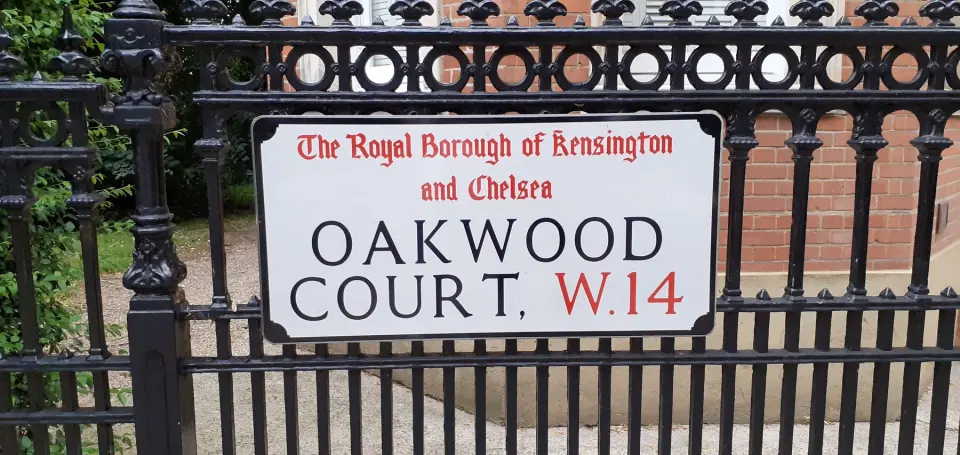
Not just Wandsworth: Westminster says the government expects a 75–100% council tax rise, while Kensington and Chelsea pay £1,643
The council tax referendum cap has been lifted for five London boroughs at once — Westminster, Kensington and Chelsea, Hammersmith and Fulham, the City and Wandsworth. Westminster says the government expects it to raise bills by 75% to 100% as its grant is cut by £100m over four years. From the councils' own documents: who pays what now, and when the 2027/28 rate will be known.

Wandsworth council tax to rise 94% from April 2027: a Band D bill goes from £1,020 to £1,978
England's cheapest council tax is about to stop being cheap: Wandsworth plans to add £958 to the annual Band D bill. The government has lifted the referendum cap for six councils — five of them in London: Westminster, Kensington and Chelsea, Hammersmith and Fulham, the City and Wandsworth itself. From the primary sources: how much bills rise, why no referendum is needed, when the decision becomes final and what to do if the bill is unaffordable.

Leaking roof, flooded basement: who pays? Insurance, the Flood Re scheme, and what the state provides after major floods
The money instalment of our weather series. Repairs after a leak or a flood cost thousands, yet you rarely pay from your own pocket: the structure is covered by buildings insurance (your landlord's, if you rent), affordable cover in risk areas is held up by the joint state-industry Flood Re scheme, and after major flooding the government activates a support package — £500 per household, £2,500 for businesses and a full council tax holiday for at least three months. Here is the whole chain: who pays, for what, and how much.
Healthcare in the UK: what the NHS gives everyone for free, what prescriptions and dentists cost, and who pays under the 150% rule
Two myths circulate about British healthcare: 'everything is free here' and 'you can't see a doctor without insurance'. Both are wrong. A GP appointment, the ambulance, A&E and the 111 line are free for everyone — whatever your visa or status — and you can register with a GP without proof of address or right to reside. The pharmacy and the dentist, though, have their own tariffs: a prescription is £9.90 per item, dental work runs £27.90 to £332.10, and visitors who never paid the IHS surcharge get billed for hospital care under the 150% rule. The whole system, with the numbers.
Where to live cheaply in London: boroughs with rents from £1,500 — 2.4 times below Kensington — and what you trade for the price
Average London rent has passed £2,300, and Kensington sits at £3,690. Yet the map has boroughs where the average let is £1,500-1,700 and a house costs £376,000 against London's £550,000 — ONS figures from summer 2026. An honest guide to the affordable belt: what life there really costs, whether the shops are truly 'half price', and what exactly you pay with — time, the view from the window, and more.
Can’t pay all your debts? Which to pay first in England — and how Breathing Space freezes interest for 60 days
Rent, council tax, energy, credit cards, buy now pay later: when money runs short, the order you pay in decides whether you keep your home and avoid bailiffs. Which debts are priority in England, what happens if you don’t pay council tax, how to deal with energy suppliers and HMRC, and how to get 60 days of Breathing Space for free.

Empty homes in England: councils will be able to take over a property after just 6 months
On 27 September the government announced a reform of Empty Dwelling Management Orders: the period after which a council can ask a tribunal to take an empty home into compulsory management is being cut from two years to six months. That comes on top of the council tax premium — an extra 100% after just one year empty. Here is what changes and how to stay clear of the new rules.

Empty shopfronts on the high street: £210m to revive them, and how a small business can win a unit at a rental auction
MHCLG announced a £210m package on 25 September, £10m of it for High Street Rental Auctions — a council's power to force a landlord to let premises empty for over a year. An ordinary cafe or shop can win the lease. The conditions: 12 months vacant, 22-24 weeks of process, a 1-5 year tenancy, and one sealed bid only.

UK inflation accelerates to 3.1% as diesel jumps 14 pence in a month — a day before the rate decision
The ONS has published August data: consumer prices rose 3.1% over the year against 2.9% in July, a third consecutive rise. The cause is almost entirely fuel: motor fuels are up 23% over the year and petrol is at 161.3 pence a litre, the dearest since November 2022. A full tank of diesel costs £7.10 more than a month ago. Core inflation and services, meanwhile, did not move, and food has held at 1.3% for a third month.
How to complain about a bank, energy supplier or water company in the UK — and get compensation
Complaints here run on a clock: a bank has 8 weeks to reply, a telecoms provider 6, a water company 10 working days at each of two stages. Miss the deadline or fob you off, and an ombudsman takes the case for free — with a decision the company must honour. Who covers which sector, what to put in the letter, and why big purchases belong on a credit card.
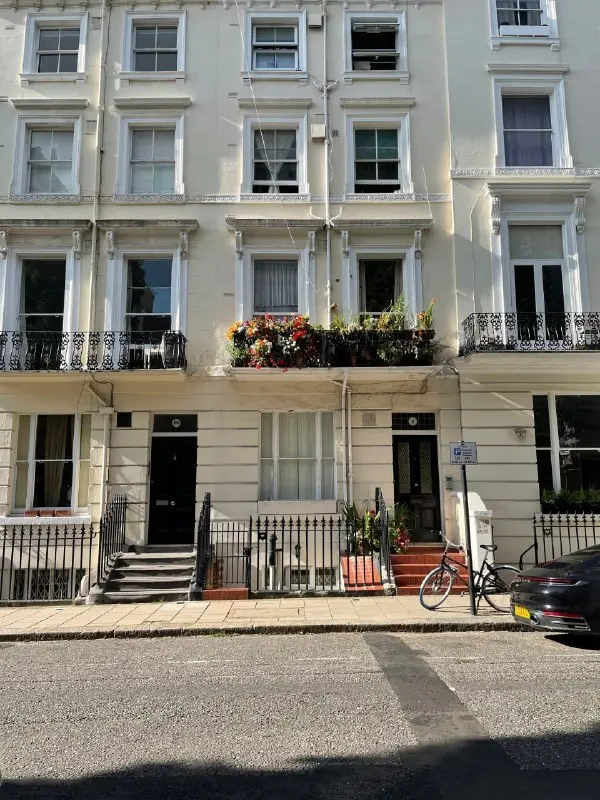
How to get your tenancy deposit back in the UK: if it was never protected, the court must award you at least its value
A deposit must be placed in one of three government-approved schemes within 30 days, with the prescribed information sent in the same window. Checking takes two minutes and costs nothing. If it was never protected, the county court must award between one and three times the deposit, and you have six years to claim. Since 1 May 2026 an unprotected deposit blocks the possession order itself.

London trade shows: Olympia and ExCeL, what is on this autumn, and how to get in free
The trade show is the most underrated free resource a small business has: suppliers, wholesale prices and customers in one hall. The full Olympia and ExCeL calendar from September to November, from Top Drawer and Speciality Fine Food to World Travel Market and The Business Show. Plus the key fact: almost every B2B show is free if you register in advance.
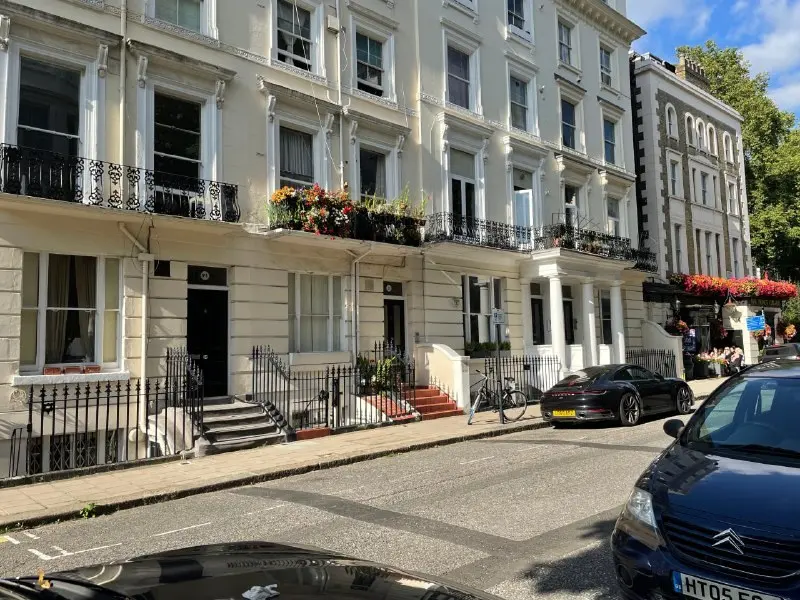
Council tax in 2026/27: what you pay, who pays less, and what happens if you fall behind
The average Band D bill in England is £2,392 a year. A 25% single-adult discount, 50% and full student exemptions, and the separate Council Tax Reduction scheme — none of it applies automatically, only on application. And seven days after a missed payment, the whole year becomes due.
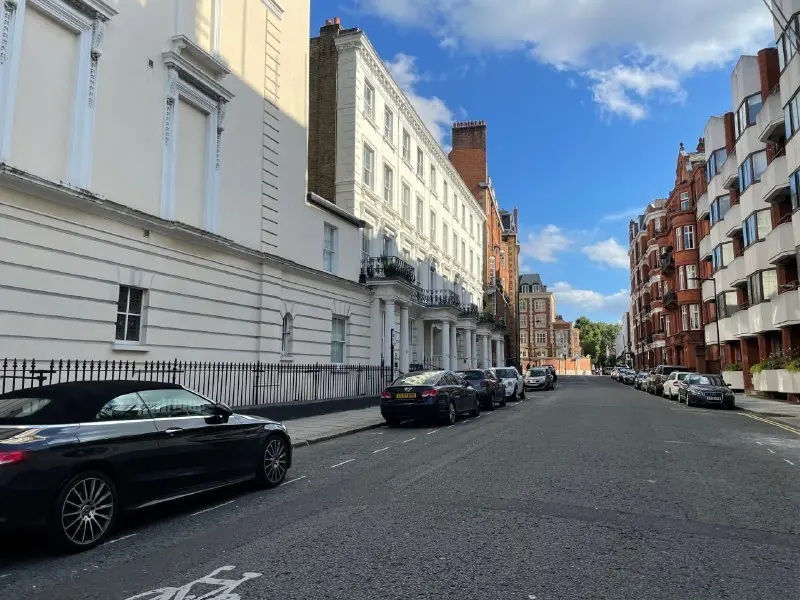
Renting in London 2026: what a flat costs and what deposit is legal
What renting in London actually costs, on the latest ONS figures: £2,317 a month in the capital, £1,451 across England, £1,393 UK-wide. By law the deposit is capped at five weeks’ rent and the holding deposit at one, and it must be protected within 30 days. Agreement fees, reference checks and inventories are not yours to pay.

Inviting family to Britain: there is no minimum balance, and UKVI will not look at your hotel or flight bookings
The British Embassy published cards on the finances behind a visitor visa; we checked every claim against the Immigration Rules and the Home Office caseworker guidance. There is no set level of funds in the requirements, there is no "6 months in 12" rule, and a visitor refusal carries neither appeal nor administrative review. Plus the full official list of fifteen documents a caseworker is told not to consider.