New UK taxes: what has been passed and what is still planned
The 28 October Budget left the headline rates alone, but from 6 April 2027 tax on rental and savings income rises to 24%, 44% and 49%. Households in England get a £100 energy payment in January 2027, and April 2028 brings a council tax surcharge on £2m homes and a 3p per mile charge on electric cars.
Thanks for £1
Chancellor John Healey delivered the Autumn Budget on 28 October 2026. He left the headline rates alone — income tax, National Insurance and VAT all stayed where they were. The money is being raised elsewhere: from tax on rental and savings income, from a new council tax surcharge on expensive homes, and from a mileage charge on electric cars. Here is what is already fixed and what is still coming.
Changing from April 2027
The biggest change hits landlords and savers. From 6 April 2027 the tax rates on property income and savings income go up: the basic rate to 24%, the higher rate to 44% and the additional rate to 49%. This is the second rise in a row — Budget 2025 had already added two percentage points from the same date, and Budget 2026 added two more. The government says 84% of income tax payers will be unaffected, because most people have no income of this kind.
 ONLYWAY NEWSLIVELife · 12.11The red phone box: who designed it and why it cannot be removedLaw · 12.11Fines for littering in England: £100 by default, up to £500 by councilLife · 12.11Why the queue is sacred: the unwritten rules of British etiquetteMoney · 12.11New UK taxes: what has been passed and what is still plannedLife · 12.11Dancing and meeting people after 50: where to go and what is freeMoney · 12.11£1 houses and money for moving north: what is actually trueMoney · 12.11Electric cars: is it true there is no tax and free parking?Money · 12.11Time limits on debt: when a creditor can no longer sueLaw · 12.11Applying for probate in England and Wales: fees and how to applyMarkets · 12.11UK fuel prices: petrol 167.7p, diesel 197p — weekly reviewONLYWAY NEWS · appInstall the ONLYWAY NEWS appFresh UK news, classifieds, key dates and exchange rates on your home screen, one tap away. Free.NewsClassifiedsCalendarRates
Pay at the bottom of the scale goes up. From 1 April 2027 the National Living Wage for workers aged 21 and over rises by 3.9% to £13.21 an hour. The National Minimum Wage for 18 to 20 year olds rises by the same 3.9% to £11.27 an hour.
Alcohol gets more expensive from 1 February 2027, when duty rates rise by 4.55% in line with RPI inflation. Small Producer Relief becomes more generous at the same time.
Business rates for retail, hospitality and leisure are frozen for two years, and pubs, music venues and social clubs get an extra 20% reduction. The Small Business Rate Relief threshold rises.
Starting this winter
In January 2027 up to 20 million households in England will receive a one-off £100 Household Energy Payment, delivered through the council tax system to homes in bands A to D. The programme costs £2.6 billion, and Scotland, Wales and Northern Ireland receive their share of the funding. Banks pay for it: the Bank Corporation Tax Surcharge rises temporarily from 3% to 6%, from 1 January 2027 until 31 March 2028.
The reduced rate of VAT on domestic electricity has been extended by another three months, to July 2027. The Treasury estimates this will take around £50 off the annual Ofgem price cap in April 2027.
 ADV · A003We build websites for tradespeople and sole traders — £219Customers see your work and prices and message you straight away. Ready in 3 days, £219 instead of £438.Advertise here
The fuel duty freeze and the 5p a litre cut were both extended to 1 July 2027, and the HGV road tax holiday runs to the same date.
Planned for 2028 and later
From April 2028 England gets the High Value Council Tax Surcharge, an annual charge on owners of residential property worth £2 million or more. The Valuation Office will run a targeted valuation exercise, and local authorities will collect the charge alongside ordinary council tax. The government has promised a deferral scheme for people who would struggle to pay, a set of discounts and exemptions, and a 100% premium on homes left empty for 12 months or more. The measure is expected to raise around £400 million a year from 2028-29.
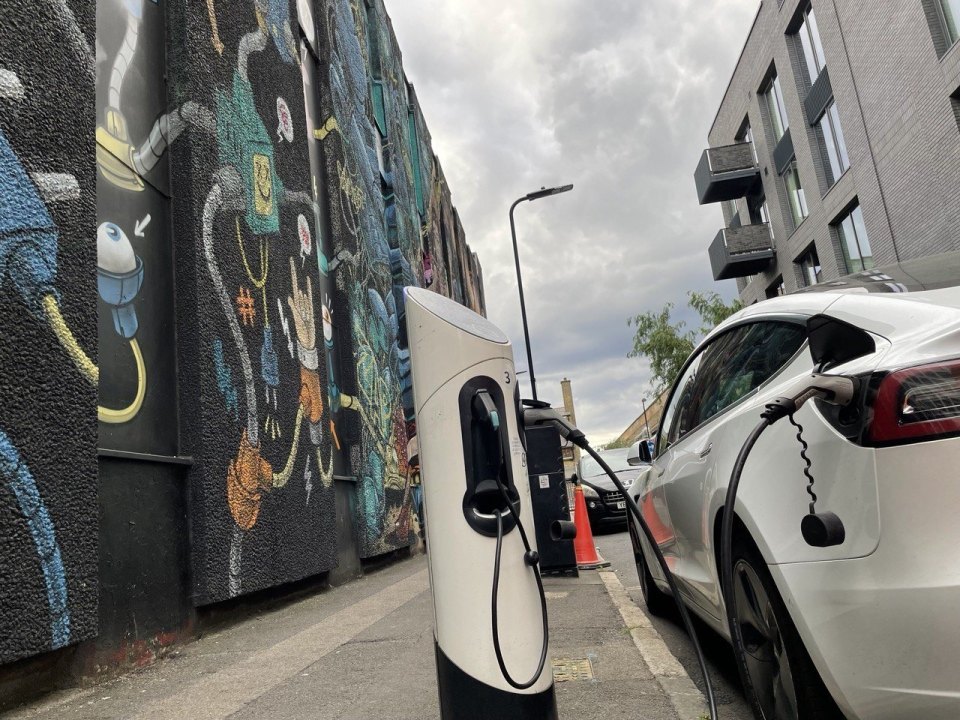
From 1 April 2028 Electric Vehicle Excise Duty (eVED) starts: a mileage charge on cars of 3 pence per mile for battery-electric and hydrogen vehicles and 1.5 pence per mile for plug-in hybrids. The rate will be uprated in line with CPI inflation from 2029-30.
From April 2029 salary sacrifice is capped: only the first £2,000 a year an employee puts into a pension through a salary sacrifice arrangement will be exempt from National Insurance contributions. That decision was taken at Budget 2025.
What did not change
The cash ISA limit stays at £20,000 — the cut that had been discussed was reversed. The VAT rate was untouched. And the tax-free mileage rate for people using their own vehicle for work, 55p a mile for the first 10,000 business miles, has been made permanent.
Check your own position against the official documents: every figure above comes from Treasury and HMRC Budget papers, linked below.
Thanks for £1If this information was useful and came in time, press the heart. Payment goes through PayPal, with nothing to choose and nothing to fill in, and it pays for the newsroom.
- Budget 2026 (HTML) — HM Treasury
- Income Tax: changes to tax rates for property and savings income — HMRC
- High Value Council Tax Surcharge on residential properties — HMRC
- Electric Vehicle Excise Duty (eVED) — HMRC
- Changes to Alcohol Duty rates from 1 February 2027 — HMRC
- Changes to salary sacrifice for pensions from April 2029 — HM Treasury

- Money Debt management plans in the UK: pay less, and never pay for advice
- Jobs & Business UK gender pay gap reporting: who must report and by when
- Money GBIS: free home insulation in Great Britain — who qualified
- Travel Urgent UK passport: the Premium and Fast Track services
- Life Pupil Premium: the extra funding English schools get for disadvantaged pupils
- Money How to switch energy supplier in the UK and whether it is worth it
- Money How to challenge your council tax band without it backfiring