National Insurance — contributions and the NI number
The contributions behind the state pension and some benefits, and the personal number they attach to. How to get the number, what employees and the self-employed pay, and what happens when a year does not count.
Articles on this topic: 72

Money docked from your pay: when it's legal and when it isn't
A till shortfall, a broken item, «paying back» training — employers sometimes dock this from pay. But by law they cannot simply take money.
Split pay? Check the tax
HMRC has named two more arrangements where part of a worker’s earnings is presented as ordinary salary while the remainder is paid without tax deductions. The worker may still face tax, interest and a penalty.

Tax on perks, straight away
From 6 April 2027, employers must put company cars, employer-funded private fuel, vans and medical benefits through each payroll run. Employees should understand why take-home pay may change.

Employee support without a tax bill
An employer can fund support for stress, debt, bereavement or menopause without tax and National Insurance. HMRC has clarified the boundary, and one excluded service can change the treatment of a whole package.

Pay HMRC by Friday
An employer's November payment must reach HMRC by Friday 20 November because the usual 22 November deadline falls on a Sunday. Here is who must pay, which payroll period it covers and which payment methods should arrive in time.

Who needs the new registration?
Businesses and sole traders paid to run clients’ payroll and deal with HMRC for them must enter a new registration regime. Applications open on 18 November 2026 and the last day is 17 February 2027.

Tips at work in the UK: who owns them by law and what to do if they are withheld
Since 1 October 2024 an employer must hand over all qualifying tips without deductions. Records are kept for three years, can be requested once every three months, and an allocation claim has a twelve-month deadline.

Redundancy in the UK: up to £22,530, 12 weeks' notice and six months to claim
Statutory redundancy pay starts at two years of service. It is built from years and age, weekly pay is capped at £751 and the total at £22,530. Here are the notice periods, the consultation rules, the tax and the claim deadline.

Adoption leave and pay in the UK: 52 weeks, £194.32
Statutory Adoption Leave runs for 52 weeks and 39 of them are paid. Who qualifies, how much you get, the notice deadlines, and who gets nothing at all.

Jobs Plans: 22,400 apprenticeships a year for under-25s and 40,000 on site
The government has published Jobs Plans for professional services and construction: 22,400 apprenticeships a year for under-25s, 40,000 construction placements, up to £2,000 for an employer taking an apprentice and 14,000 defence places by 2035. Here is what is promised and where to look today.

Carer's Credit: 20 hours of care a week that protect your State Pension record
The National Insurance credit pays nothing, but it fills the gaps in the record behind a £241.30-a-week State Pension. You need 20 hours of caring a week and to be 16 or over.

Tax-Free Childcare: how to get £2,000 a year towards childcare
For every £8 you pay in the government adds £2 — up to £500 per child every three months. The earnings floors, the £100,000 ceiling, the Universal Credit clash and the three-month reconfirmation.

Payslip, P45 and P60: the paperwork your UK employer must give you
A payslip is due on or before payday, a P45 when you leave, a P60 by 31 May. There is no replacement P45, and retail shortfall deductions are capped at 10% of gross pay per period.
Attendance Allowance: £76.70 or £114.60 a week and six months of needing care
A care payment for people of State Pension age. Income and savings are not counted, but you must have needed help for at least six months.
Statutory Sick Pay: £123.25 a week, 28 weeks and seven days before a fit note
Sick pay in Britain is paid by your employer. The rate, who qualifies, when a fit note is required and what to do if you are refused.

Business sold? What TUPE protects — and what it does not
When a business is sold or a contract changes hands, the employment contract moves to the new employer in full — service, holiday and terms included. Refusing to transfer counts as resigning.

Gaps in your National Insurance record: £18.40 a week and only six years back
Gaps in a National Insurance record cut your future State Pension. Voluntary contributions can fill them, but only for the past six years and not always to your advantage. Here are the 2026/27 rules and rates.

Free UK GHIC: state healthcare in Europe and 15 working days for delivery
A UK GHIC is free, lasts up to five years and gives you state healthcare in the EEA on the same basis as a local resident. Here is who qualifies, what the card does not cover and what to do if it has not arrived.

Access to Work: a grant for equipment, support workers and travel, with no means test
The scheme pays for equipment, a BSL interpreter, a job coach, travel and vehicle adaptations. No diagnosis needed, nothing to repay, no effect on other benefits. Self-employed need £6,500 turnover.

New Style JSA in 2026: £95.55 a week, 182 days and the Jobcentre interview
The unemployment benefit paid on your National Insurance record, not on need — savings are ignored entirely. Rates, who qualifies, what to bring to the interview and what triggers a sanction.

PIP: £76.70 or £114.60 a week and who can claim it
Personal Independence Payment helps with the extra living costs of a long-term illness or disability. It is not means-tested, it is tax free and it is paid alongside almost every other benefit. Here are the rates, the closed list of tasks you are assessed on and how to claim.

The Healthy Start card: money for milk and vegetables in pregnancy and under-fours
The NHS tops up a prepaid card with £4.65 or £9.30 a week for milk, fruit and vegetables. Here are the eligibility rules, how to apply, the payment limits and the full list of what the card will not buy.
Paternity leave in the UK: two weeks, £194.32 and two notice deadlines
Paternity Leave lasts no more than two weeks and cannot start before the birth. Here is who qualifies, what it pays in 2026 and how much notice an employer needs before the pay is lost.

England wants 10,000 new foster places: who can apply and what carers are paid
On 13 October the government launched the first national foster carer recruitment campaign in England, backed by £88 million. Here are the rules, the £176-£309 weekly allowance and the £20,440 tax-free threshold.

Minimum wage 2026: the rates, who is covered and how to get arrears back
From 1 April 2026 it is £12.71 an hour at 21 and over, £10.85 at 18 to 20 and £8 for apprentices. Deductions for uniform or tools can put you below the minimum even on £13 an hour.
Money after a partner dies: what is paid and why the first three months decide it
Bereavement Support Payment is £3,500 plus 18 payments of £350 at the higher rate. Only a claim within three months brings the full amount; after 21 months there is nothing.

DWP posts 660,000 leaflets: pensioners reminded about £4,500 a year
The Department for Work and Pensions has launched a new Pension Credit push. Leaflets go to seven areas with many low-income pensioners: the top-up is worth more than £4,500 a year on average, yet around a million people who qualify do not claim it.

DBS checks in England: the four levels, the £20 fee and the deadlines people miss
Almost every job asks for a criminal record check. What separates a basic check from an enhanced one, what it costs and how long it takes, which addresses you will have to dig up, and why you get 30 days to join the Update Service.

Attendance Allowance: £76.70 or £114.60 a week, and who can claim
Attendance Allowance is for people at State Pension age who need help or supervision because of illness or disability. Income and savings are irrelevant, you do not need a carer, and the rates are £76.70 or £114.60 a week. Here are the conditions, the deadlines and how to claim.

Trivial benefits: when a gift of up to £50 to an employee is tax-free
An employer may give an employee a small non-cash gift without Income Tax, National Insurance or reporting it to HMRC. But a price of £50 or less is only one condition. Here is how the rules apply to vouchers, meals, gym memberships and close company directors.

Where to sleep, shower and eat for free in the UK: verified addresses and rules
A free commercial hostel is rare, but safe emergency accommodation may be available through councils, Nightstop, SWEP and selected charities. Here are verified routes across all four UK nations, with addresses, telephone numbers, opening hours and an honest explanation of possible charges.
Leaving the UK: What You Can Reclaim Besides the P85 Tax Refund
Great Britain no longer refunds VAT at the airport, and the immigration health surcharge is never repaid for the visa years you do not use. Vehicle tax, a VAT-free car and a pension transfer are a different story — with strict deadlines.

Carer's Allowance in the UK: £86.45 a Week and the £204 Earnings Limit
Carer's Allowance pays for 35 hours of care a week and ignores your savings. But earning over £204 wipes out that week's payment, and the person you care for loses their severe disability premium.
How to challenge a DWP decision: mandatory reconsideration, form SSCS1 and the tribunal
A refused benefit can be challenged twice, and both stages are free: first the DWP must look at its decision again, then the case goes to an independent tribunal. Here are the one-month deadlines, which SSCS form to use, who sits on the panel and what travel costs are paid back.
Register to vote in the UK: who is eligible, what photo ID you need and the £1,000 fine
Getting on the electoral register is a separate step that does not happen by itself. Here is who can register in England, Scotland and Wales, what photo ID is accepted at the polling station, how to get a free Voter Authority Certificate, and what ignoring a letter from your council costs.

Leaving the UK: how to claim back overpaid Income Tax with form P85
PAYE taxes you as though you will work the whole year. Leave mid-year and part of your Personal Allowance goes unused. Who files a P85, what you need besides a P45, and why you should keep a UK bank account open.
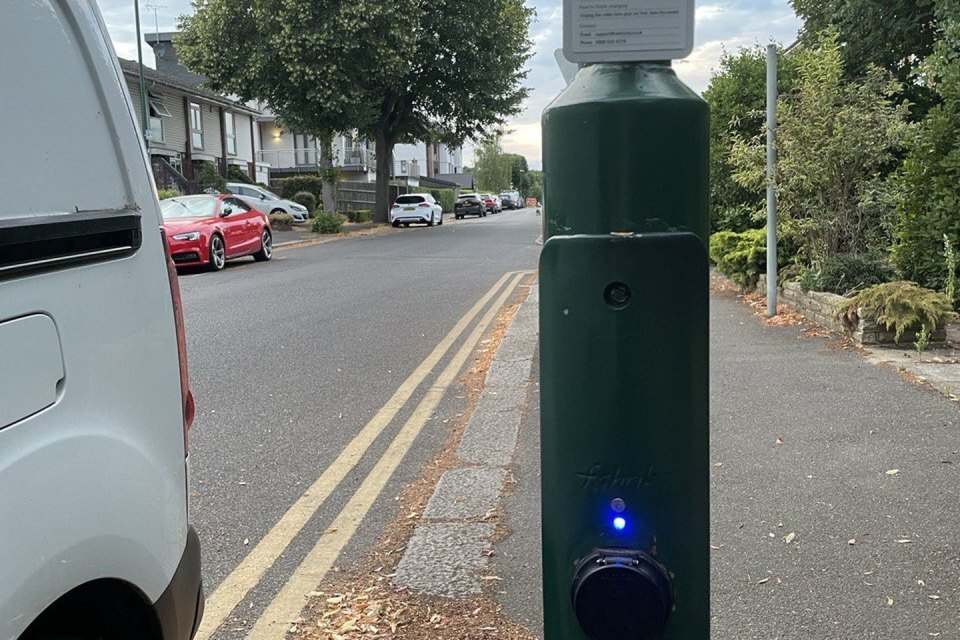
Blue Badge parking permit: who qualifies, what it costs and where you can park
A Blue Badge lets you park on double yellow lines for up to three hours and park free at meters. In England it costs up to £10, councils usually take up to 12 weeks to decide, and lending the badge to someone else can mean a £1,000 fine.
How to register a death in England and Wales: 5 days, the green form and Tell Us Once
Five days to register, but the clock does not start on the day of death. Here is the GOV.UK order of play: why the medical examiner comes first, what the green form is, what a certificate costs, how to use Tell Us Once within 28 days, and what bereavement support is available.
Moving home in the UK: who you must tell about your new address
Not telling DVLA your new address carries a fine of up to 1,000 pounds, and the driving licence and log book are two separate jobs. Here is the order to do it in, from gov.uk.

State pension triple lock to change from April 2030: what it means for payments
On 6 October 2026 DWP published a factsheet on the triple lock reform: from April 2030 the State Pension will rise by the highest of CPI inflation, 2.5%, or the amount needed to hold its value against earnings. DWP estimates this saves around £50 billion a year by 2049/50. Until April 2030 the current rule stands.

Free careers advice moves into Jobcentres from 6 October 2026
From 6 October 2026 the National Careers Service has been merged into DWP, with around 500 careers advisers now working through Jobcentres. The advice is free and does not depend on benefits: it is available online and on 0800 072 0288, with face-to-face appointments starting later in October.

Child maintenance in the UK in 2026: how much you pay and how the CMS works it out
Child maintenance in the UK is worked out by the Child Maintenance Service using an open formula: 12% to 19% of the paying parent's gross weekly income. DWP figures published on 29 September 2026 show 820,000 arrangements covering 1.1 million children at the end of June 2026, with 23% of paying parents on Collect and Pay paying nothing that quarter.

Pension Credit in 2026: who qualifies, how much it pays and how to claim
Pension Credit tops weekly income up to £238 for a single person and £363.25 for a couple, with extra amounts of up to £118.46 a week on top. DWP estimates published on 30 October 2025 show up to 910,000 entitled families did not claim, leaving up to £2.5 billion unclaimed — around £2,600 a year each. Here are the thresholds, the extras, the savings rule and how to apply.

£2,000 for hiring a young apprentice: new payment for small employers starts 1 October
From 1 October 2026 an employer in England that does not pay the apprenticeship levy gets £2,000 for every new apprentice aged 16 to 24: £1,000 after 90 days of training and another £1,000 after a year. There is no application — the money comes through the training provider. Stacked with other support, one apprentice can be worth up to £8,000.

Business grants, loans and government support in the UK: where the start-up money is and what it costs
There is no national “start a business” grant in the UK: the official GOV.UK catalogue listed 129 support schemes on 4 October 2026, 45 of them grants — and only 18 open to businesses not yet trading. The one national start-up loan runs from £500 to £25,000 at a fixed 7.5% a year. Here is where the non-repayable money actually sits, who gets it, and which reliefs are worth more than any grant.

Workplace pension and auto-enrolment: where 5% of your payslip goes, what your employer must add, and whether opting out is a good idea
Every worker in the UK aged 22 or over earning at least £10,000 a year is automatically enrolled into a workplace pension. The minimum contribution is 8% of a band of earnings: 5% from you (including government tax relief) and at least 3% paid by your employer on top of your salary. Here is what the pension line in your payslip means, how to opt out with a refund, and what happens to your pot when you change jobs or your employer goes bust.

Maternity leave and pay in the UK: 52 weeks off, £194.32 a week and what to do if your employer says no
Up to 52 weeks of leave but only 39 weeks of pay, most of it a flat £194.32 a week before tax. Who qualifies for SMP, what Maternity Allowance is, the one date that decides everything (15 weeks before the birth), what fathers get, and how to claim £500 and free prescriptions.

Register for Self Assessment by 5 October: side income over £1,000, rent, selling on Vinted and eBay
Monday 5 October is the deadline to register for Self Assessment for anyone who received untaxed income for the first time in the tax year from 6 April 2025 to 5 April 2026: a side hustle over £1,000, letting out property, dividends, crypto gains. Online platforms — eBay, Vinted, Airbnb, Uber — already report their sellers' data to HMRC. Registration is free and takes minutes, while a late tax return starts with a £100 penalty.

Marriage Allowance: how couples can get up to £1,260 of tax back — who qualifies and how to apply
If one spouse earns under £12,570 a year and the other pays basic-rate tax, HMRC will cut the couple’s tax by £252 a year. Applying online takes minutes, and you can backdate the claim to 6 April 2022. Who qualifies, how to apply for free and when you must cancel.

VAT for small business: the £90,000 threshold, deadlines, rates and the Flat Rate Scheme — how to avoid paying tax out of pocket
Turnover of £90,000 over any rolling 12 months means you must register for VAT within 30 days; late means paying the 20% yourself. The GOV.UK rules: the zero-rate catch in counting the threshold, when voluntary registration pays, the Flat Rate Scheme up to £150,000 and the £88,000 deregistration threshold.

Working for yourself in the UK: register by 5 October, sole trader taxes in 2026 and HMRC's digital rules
Started working for yourself in 2025/26? You must register for Self Assessment by 5 October or risk a penalty. The HMRC rules: the £1,000 threshold, 6% and 2% contributions, a free pension record from £7,105 of profit, and the Making Tax Digital quarterly updates already mandatory above £50,000.
The government built a free CV tool: 20,000 CVs through Work Hub — and how to use it
On 25 September the DWP published the first results from Work Hub, the free job-search platform it calls a “jobcentre in your pocket”. The CV builder is open to everyone, not only people on benefits. Here is what is inside, where to find it and what not to expect.

Child Trust Fund: 827,000 people have not claimed their money — £2,310 on average
HMRC said on 23 September that almost 3 million Child Trust Funds have been claimed, but around 827,000 matured accounts are still untouched, worth £2,310 on average. An account was opened for everyone born between 1 September 2002 and 2 January 2011. Here is how to trace yours in five minutes, and what you can do with it at 16 and at 18.

First convictions for missing Companies House ID checks: what it costs now, and how long is left
On 16 September a City court fined three directors — one of them for failing to stop an unverified colleague from acting. The Companies House transition year ends on 18 November 2026; after that come penalties of £250 to £2,000, a note on the public register and a block on filing for your company.

Free childcare in England in 2026: 30 hours from nine months, the income tests and the 31 December deadline
To have the hours start on 1 January you need the code by 31 December. Here are the three schemes, the £2,643.68 three-month earnings test and the £100,000 ceiling, the National Insurance and no recourse to public funds rules — and the separate 15-hour route for families with no access to public funds.

Help to Save: the government adds 50p to every £1 you save — £300m in bonuses paid out
HMRC said on 21 September that more than £300m in Help to Save bonuses has now been paid, across 656,700 accounts and £676.7m of deposits. You can put away £1 to £50 a month and the government adds up to £1,200 over four years. The catch is the entry rule: you must be on Universal Credit and have had at least £1 of take-home pay in your last assessment period.

Sick pay in the UK in 2026: paid from day one, up to £123.25 a week
Since 6 April 2026 the three unpaid waiting days are gone and the earnings threshold has been scrapped: SSP is available to every eligible employee. The rate is 80% of average weekly earnings or £123.25 a week, whichever is lower, for up to 28 weeks. Who qualifies, when you need a fit note, what the self-employed can claim and where to complain if an employer refuses.

Child Benefit: £27.05 a week per child — and why you should claim even if you have to pay it all back
Child Benefit is paid regardless of income: £27.05 a week for the eldest child and £17.90 for each additional one — £1,406 and £2,337 a year for one and two children. But the money is not the point: the claim automatically credits one parent with National Insurance towards the state pension until the child turns twelve, even if they opted out of payments. One warning: under a no recourse to public funds condition you must not claim.

UK state pension set to pass £13,000 — and overtake the tax-free allowance for the first time
The ONS has published wage growth for May to July: 3.9% including bonuses, the weakest since 2020. It is the first of the triple lock's three numbers, and on it the full new State Pension rises from £241.30 to £250.70 a week from April 2027 — £13,037 a year. The Personal Allowance is frozen at £12,570, so a pensioner with no other income gets a tax bill for the first time: around £93.

Made redundant in the UK: how much you are owed and what to do if you are on a work visa
The statutory maximum is £22,530: £751 per week of service, up to 20 years, and only after two years in the job. The first £30,000 is tax free. And if you are on a Skilled Worker visa, redundancy leaves you 60 days or the remainder of your visa, whichever is shorter. Here is what you are owed, by when, and where to get free advice.

UK job vacancies are lower than in any year since 2014: what the ONS figures of 15 September mean if you are looking for work
The ONS published its labour market data at 7am on Tuesday. Vacancies stand at 702,000 for June to August, down 8,000 on the quarter; outside the pandemic slump the last comparable level was in 2014. Unemployment is 4.9%, but 145,000 fewer people are on a payroll than a year ago. Private sector pay is rising 2.9% a year — more than twice as slowly as public sector pay.

Free school meals: from this year every family on Universal Credit qualifies — but you have to apply
The £7,400 threshold has gone and meals are available to any family on Universal Credit. That is £475–£570 a year per child you stop paying. How to apply, what else the entitlement unlocks, and what will be banned from school menus in 2027.
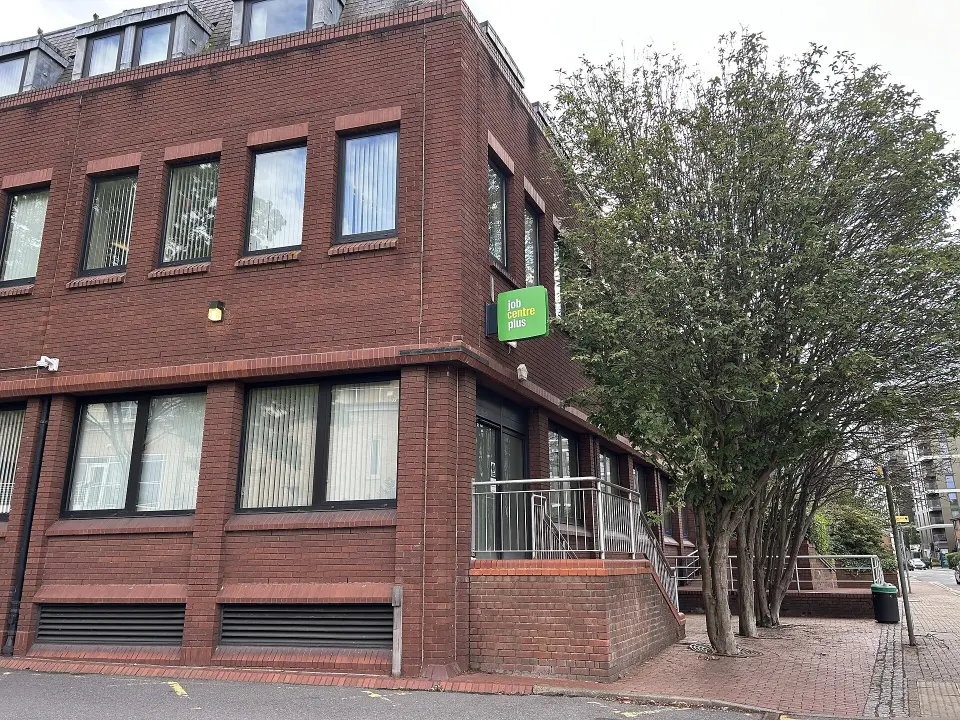
The National Insurance number: how to get one, how long it takes, and working without it
An NI number is not permission to work and not a tax number in the usual sense. It is the key the state files your contributions under, and your State Pension and some benefits depend on it. It is free, it takes up to four weeks, and you can work while you wait.

Winter Fuel Payment 2026: who gets £100–£300, and who has to give it back
This winter’s heating payment goes to everyone born on or before 27 June 1960 who lives in England, Wales or Northern Ireland. For most people no claim is needed — the money arrives in November or December. But if your own income is above £35,000, HMRC takes it back through the tax system. Opting out: by phone until 6pm on 18 September, online until 11:59pm on 20 September.

The UK State Pension: 10 years, 35 years and an age of 67 — how it is actually counted
The full new State Pension in 2026/27 is £241.30 a week, about £12,548 a year. It is not paid to everyone and not automatically: you need at least 10 years of contributions, usually 35 for the full amount, and from April the pension age started climbing from 66 towards 67.
From 1 October, right to work checks reach couriers, subcontractors and platform workers
The illegal working regime expands: employers must verify the status not only of employees but of anyone on a worker’s contract, through an agency, a subcontracting chain or an online matching platform. The penalty is up to £60,000 per worker.

The pint after work, Friday, Saturday and Sunday: the unwritten rules of British life
Why people go to the pub to sit rather than to drink, what a round is and why you cannot skip it, where POETS day comes from, why the main match is not on television at three on a Saturday, how many hours you actually have to shop on a Sunday, and how the North differs from the South and Scotland from Wales. Plus seven rules that save a newcomer a year.

English mayors to get the power to charge a tourist tax — with no cap on the rate
The government has confirmed new powers for mayors: a levy on overnight stays in hotels and short lets, set as a percentage of the bill, with no upper limit. London has floated 3%, worth around £350 million a year. Hoteliers and family resorts object and business travel wants an exemption. Who pays, and how much.

Going self-employed in the UK: registering, your UTR and what you pay in 2026
Register if you earned more than £1,000 in a tax year, and tell HMRC by 5 October. Class 2 is no longer compulsory; Class 4 is 6% and 2%. Unregistered subcontractors lose 30% instead of 20%. From 6 April 2026, turnover above £50,000 means quarterly reporting. And the part that catches people out: a Student visa bars self-employment, while a Skilled Worker visa allows 20 hours a week.

Starting out in Britain: nine guides checked against the public registers
A bank account without proof of address, a credit record from zero, a free NHS interpreter, the home rate for university, school after VAT, work and pay, and doctors and restaurants checked against the registers. All of it in one place, in the order in which the questions come up.

Working in England 2026: what jobs pay, what you keep, and how the work visa actually starts
The minimum wage in England is £12.71 an hour by law; median full-time pay is £39,039 a year, worth about £2,630 a month after tax. You can start work before your National Insurance number arrives, but never without the right to work. And the Skilled Worker visa starts with a sponsoring employer: £41,700 or your occupation’s going rate, whichever is higher.
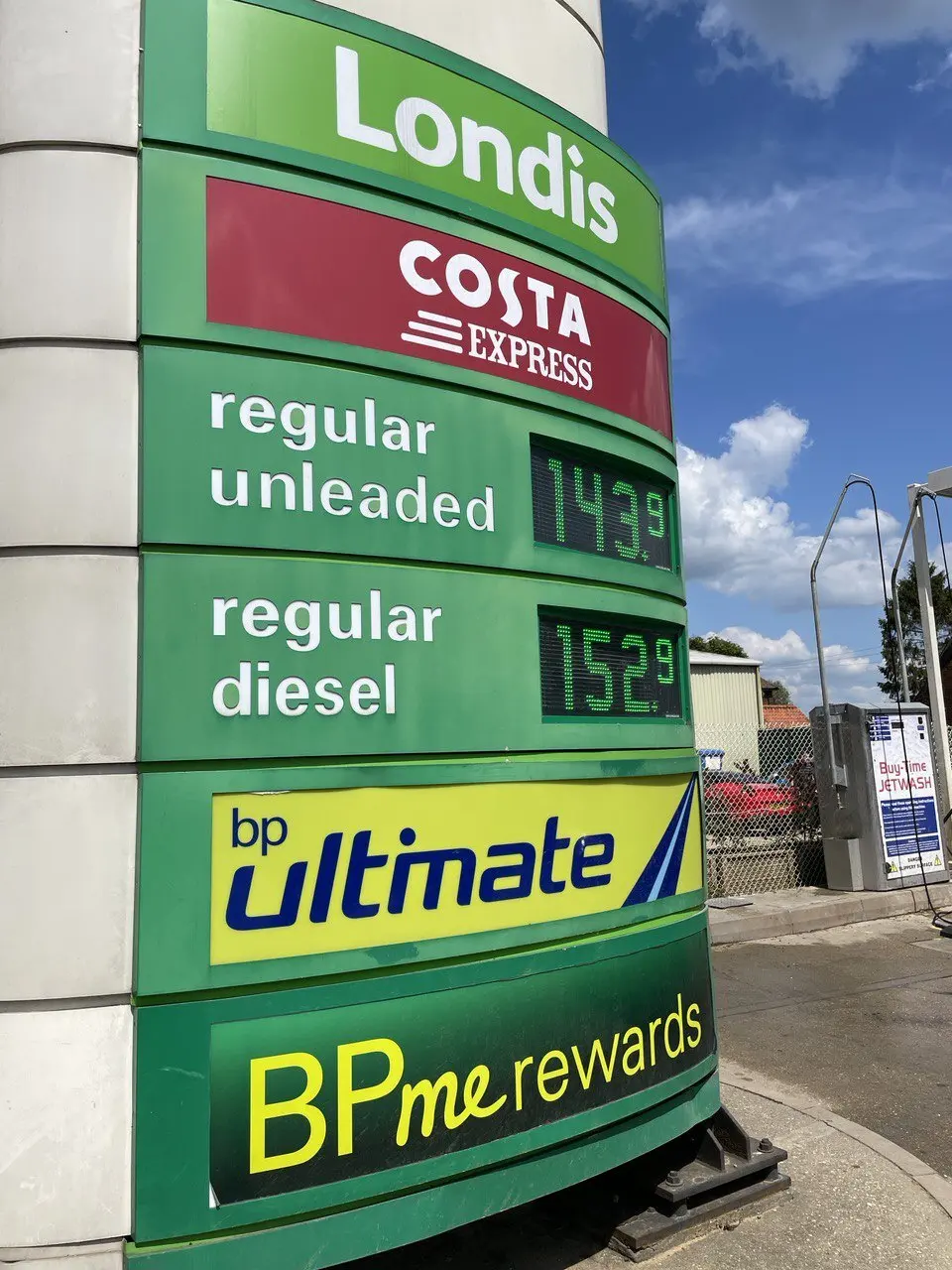
HMRC advisory fuel rates from 1 September: diesel down, large petrol up
HMRC has revised the advisory fuel rates for company cars. Diesel at 1601-2000cc and above 2000cc each fall by a penny; petrol above 2000cc rises to 27p a mile. Electric is unchanged at 7p at home and 15p on public charging.