Ofgem and energy bills
The regulator sets the price cap for gas and electricity and the rules for suppliers. What changes in your bill, whose debt is written off and how not to overpay.
Articles on this topic: 18

A back bill for energy: the 12-month rule and when you need not pay
A supplier cannot make you pay for energy used more than 12 months ago if there was no accurate bill for that period or the direct debit was set too low. The Ofgem rule, its three conditions, the one exception, and what to do if the bill has already arrived.

RTS meters are being switched off: how to tell if you have one, and what happens to your heating
The radio signal that flipped old meters between day and night rates is being withdrawn area by area. Fewer than 154,000 of these meters were left in January 2026
The Priority Services Register: who qualifies for free extra help from energy and water companies
A free list you can join because of your age, a health condition, a pregnancy — or simply because English is hard. It buys priority in an emergency, a password against doorstep scammers and bills in large print. You have to join in two places at once.
Boiler Upgrade Scheme: £7,500 for a heat pump and who is refused
The scheme pays £7,500 towards a heat pump, £5,000 towards a biomass boiler and £2,500 towards an air-to-air heat pump. Off the gas grid there is an extra £1,500 until March 2027.
Energy bills: 40% still struggle to pay — what households can do
An Ofgem survey found 40% of respondents were keeping up with energy bills but struggling, while 4% were behind. The February–March findings were published on 14 October. Here are practical options for getting help and comparing tariffs.
UK to regulate the heating oil market for the first time: what 1.5m homes get
The government has accepted the CMA's recommendations: supplier authorisation, a mandatory code of conduct and dispute resolution. No price cap, and no deadline yet.
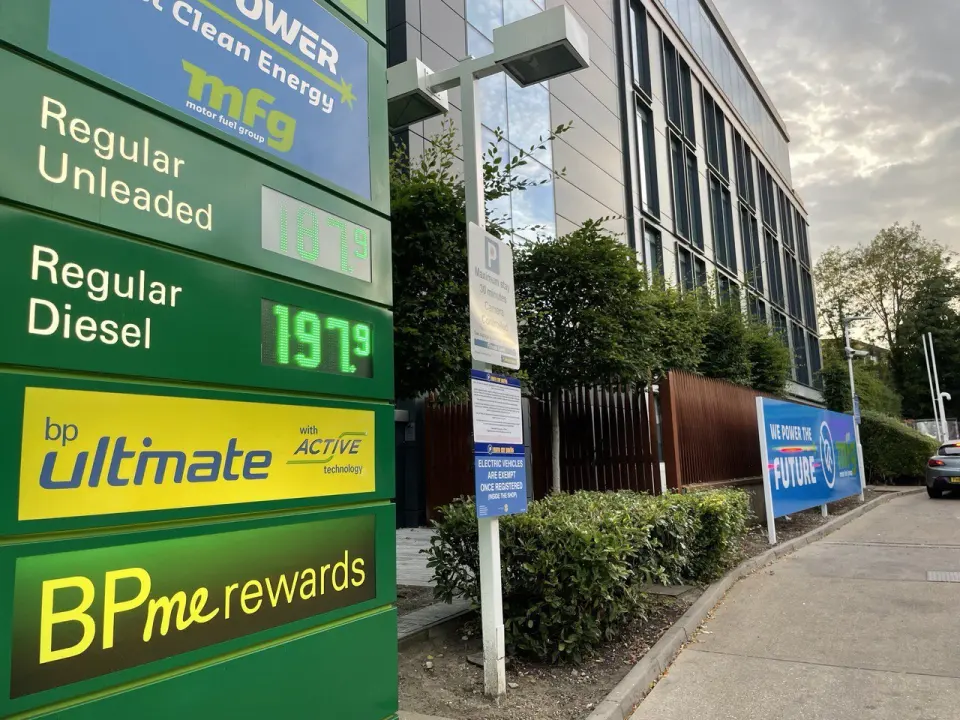
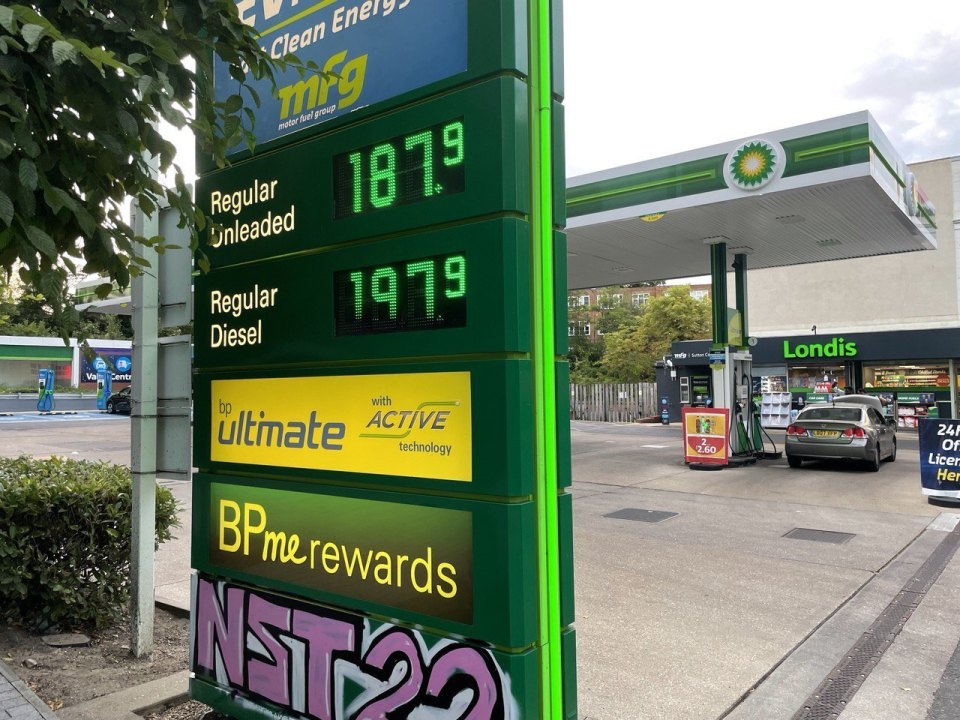
Diesel passes £2 a litre for the first time: what it costs in London today and where to fill up cheaper
The UK average price of diesel has passed £2 a litre for the first time — 200.01p, according to the RAC. Our own reading on the morning of 5 October puts the midpoint across 1,572 forecourts at 201.9p, with London diesel running from 195.9p to 203.9p a litre. Petrol is holding around 174.9p. The gap between neighbouring pumps in the city reaches eight pence a litre — about £4 on a full tank.
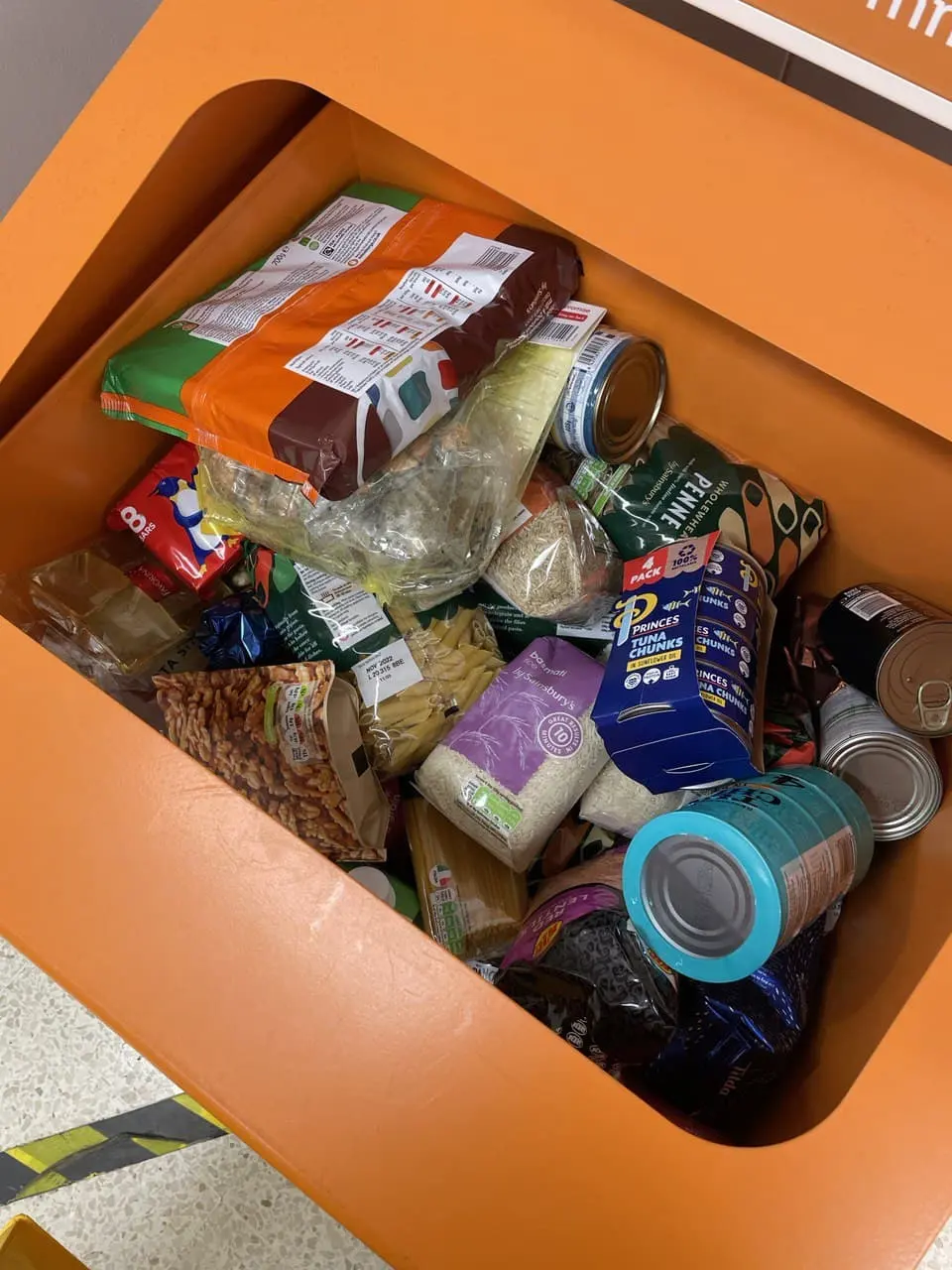
Your gas and electricity debt can be written off in full: who Ofgem is clearing 2022–2024 bills for, and what you must do
While everyone was working out the new price cap, Ofgem quietly launched a scheme that writes off old energy debt — up to £500m for around 195,000 customers, in full and with no matching payment. There is no application form: your supplier finds you, which is exactly why a write-off is so easy to miss. Here are the conditions — debt billed between 1 April 2022 and 31 March 2024, a £100 minimum, means-tested benefits, and one non-obvious requirement that pushes people out of the scheme.

Power cut: £100 paid automatically, up to £2,235 in a storm — what you are owed and what to do if the money never arrives
A long power cut in the UK comes with money attached, and in most cases it should be paid without you claiming. The amounts are set by Ofgem and uprated for inflation every year: £100 for a home once the restoration standard is missed, £45 for every further 12 hours, up to £2,235 in a severe storm, and an extra £100 if your power has gone off more than four times in a year. Here is who pays for what, how fast supply must be restored, and what to do if nothing lands in your account.
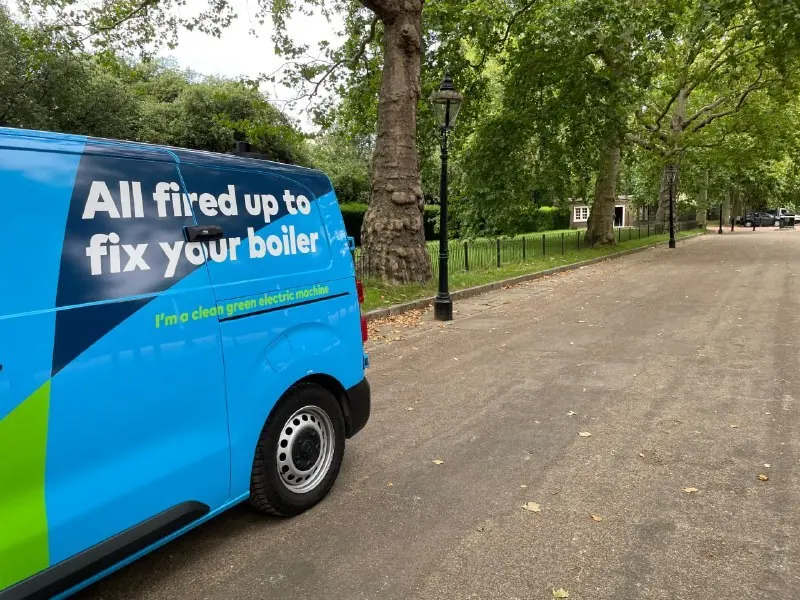
Should you fix your energy tariff in autumn 2026? Fixes undercut the price cap — and January's cap may jump another 20%
From 1 October the Ofgem cap is £1,723 a year for a typical home, and analysts expect another jump in January. The cheapest fixed tariffs are currently 3.5–4% below the cap. A no-hype guide: how a fix works, when it pays off, what to check before switching — exit fees, timings, meter readings — and when staying on the cap makes more sense.

Energy bills from 1 October: electricity at 26.32p per kWh, 0% VAT — and why you should submit a meter reading today
Ofgem's new price cap applies from today: £1,723 a year for a typical household, about £60 more than in the summer. Gas is up noticeably, electricity barely at all — VAT on it is zero from 1 October to 31 March. If you don't have a smart meter, there is one simple thing worth doing today: submit a meter reading so your September units are billed at the old rates.
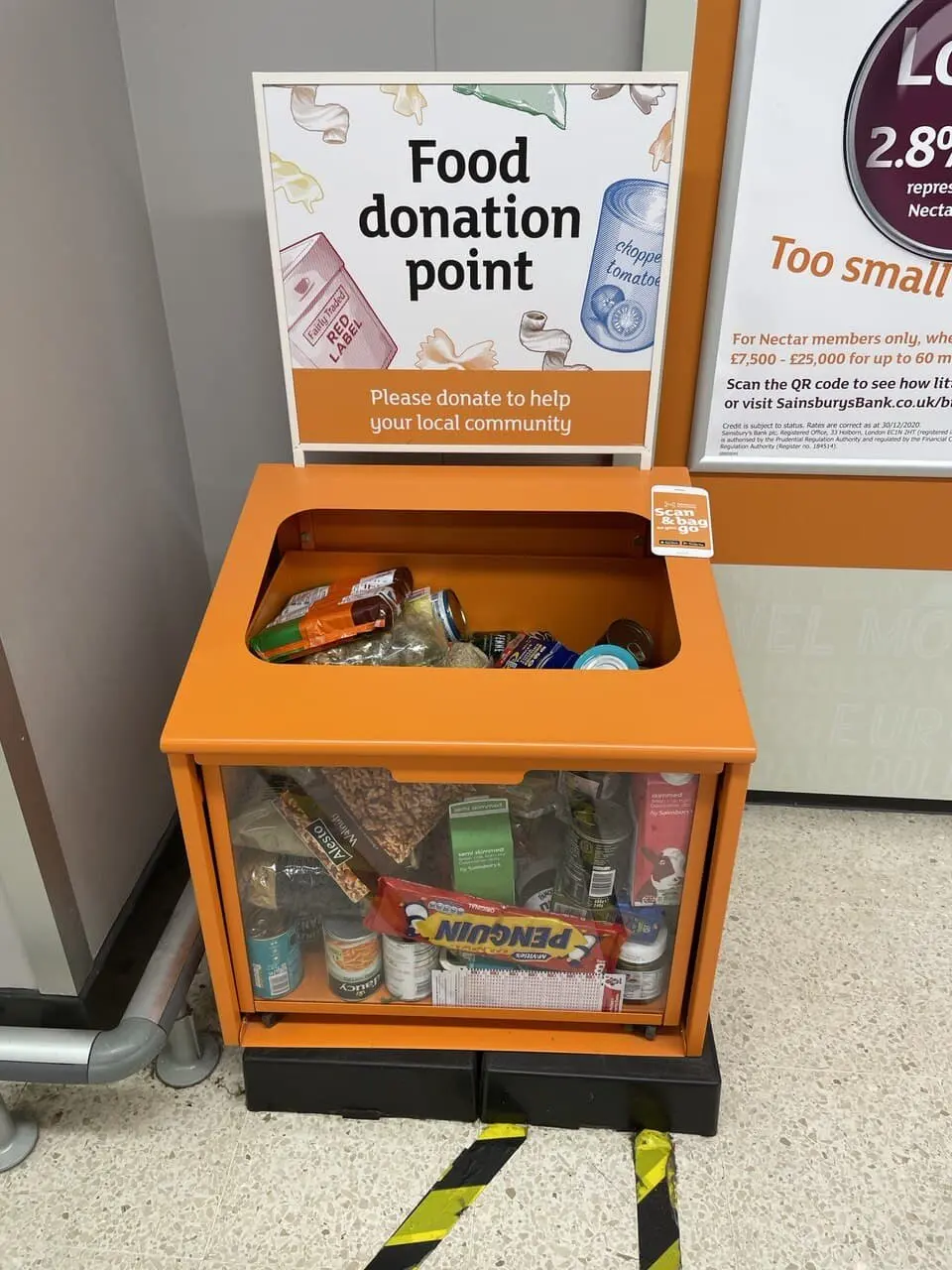
Can’t pay all your debts? Which to pay first in England — and how Breathing Space freezes interest for 60 days
Rent, council tax, energy, credit cards, buy now pay later: when money runs short, the order you pay in decides whether you keep your home and avoid bailiffs. Which debts are priority in England, what happens if you don’t pay council tax, how to deal with energy suppliers and HMRC, and how to get 60 days of Breathing Space for free.

UK inflation accelerates to 3.1% as diesel jumps 14 pence in a month — a day before the rate decision
The ONS has published August data: consumer prices rose 3.1% over the year against 2.9% in July, a third consecutive rise. The cause is almost entirely fuel: motor fuels are up 23% over the year and petrol is at 161.3 pence a litre, the dearest since November 2022. A full tank of diesel costs £7.10 more than a month ago. Core inflation and services, meanwhile, did not move, and food has held at 1.3% for a third month.

What changes from 1 October: six things that will touch almost everyone
Energy bills rise £60 a year, but VAT on electricity goes to zero. Right-to-work checks extend to couriers and subcontractors. The tribunal time limit doubles to six months. Date by date — plus three deadlines to meet.
Energy price cap rises 4% from 1 October: £1,723 a year for a typical home
Ofgem lifts the cap from £1,663 to £1,723 a year — £60 more, about £5 a month. Gas is the driver, with its unit rate up almost 9%. Electricity barely moves, because VAT on it drops to zero on 1 October.
Going self-employed in the UK: registering, your UTR and what you pay in 2026
Register if you earned more than £1,000 in a tax year, and tell HMRC by 5 October. Class 2 is no longer compulsory; Class 4 is 6% and 2%. Unregistered subcontractors lose 30% instead of 20%. From 6 April 2026, turnover above £50,000 means quarterly reporting. And the part that catches people out: a Student visa bars self-employment, while a Skilled Worker visa allows 20 hours a week.

Schengen biometrics explained: how EES works, when ETIAS arrives, and what Britain does instead
Since 10 April 2026 EES has run at every Schengen border: no stamps, fingerprints and a facial image instead. ETIAS is expected in Q4 2026 — €20 for three years. British status does not exempt you from EES, and Britain itself requires a £20 ETA. Point by point.
VAT on electricity goes to zero on 1 October — and the bill still goes up
VAT on domestic electricity falls from 5% to nothing, taking about £45 a year off the Ofgem cap. At the same time the cap itself rises 4%, to £1,723 a year for a typical home. Net effect: you pay more, but less than you would have.