The Skilled Worker visa
Britain’s main work visa: salary thresholds, cost, the employer’s sponsor licence and family members. You can check a company against the Home Office register on our checks page.
Articles on this topic: 24

Plumber, electrician or doctor: who earns more in Britain now
The government publishes official pay rates by occupation. Electrician £38,800, plumber £38,100, first-year doctor £36,616, band 5 nurse £29,970, consultant £105,504.

A British degree: what it actually gets you, and where it does not
One real privilege — the Graduate visa — and it shrinks from two years to 18 months on 1 January 2027. Study years do not count towards settlement, and the degree alone does not license you to practise.

UK settlement reform: what was decided on 2 November, and what is not in force yet
On 2 November the government set out the final earned-settlement rules: the periods and income thresholds are now known. But importantly, the new rules are not in force yet — the current system applies until the Immigration Rules change. Here is what is decided and what is only announced.

UK settlement: which years will count, and which will not
The reform closes the Long Residence route. Years on a Student visa, on Graduate and on the Ukraine schemes will no longer build towards permanent status. Here are both lists.
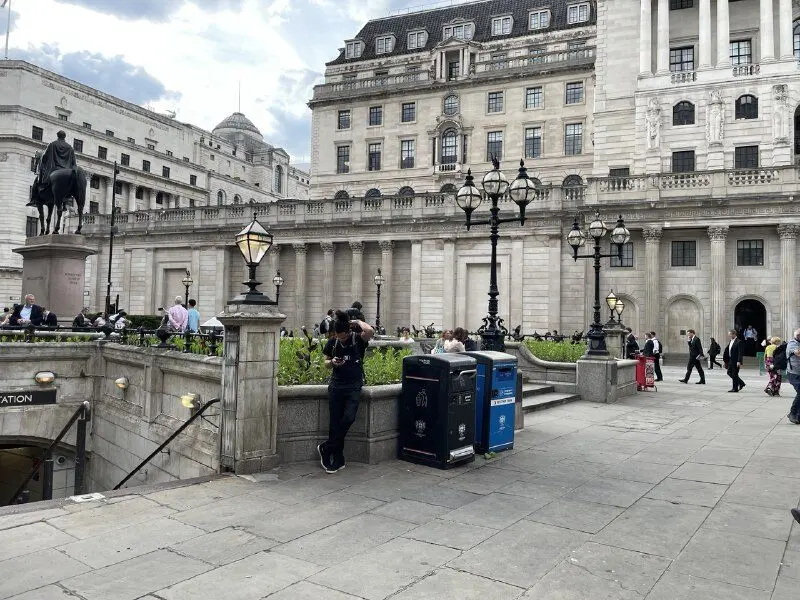
Skilled Worker visa: what salary threshold applies now
The main condition of a Skilled Worker visa is pay. It must meet both a general threshold and the going rate for the job. Here are the figures for 2026.

Already living in Britain: do the new settlement rules apply to me?
There is no general exemption for people already in the country. But targeted transitional arrangements apply to care workers, nursing auxiliaries, teaching assistants and the pre-April 2024 Skilled Worker cohort.

Graduate visa 2026: how to stay in the UK after study — length, cost, conditions
The Graduate visa lets a graduate stay and work in the UK without a sponsor. Note: from 1 January 2027 the length for bachelor’s and master’s graduates is cut.

A UK visa with no savings in the bank: when a big deposit isn't needed
Do you have to save and 'freeze' a large sum for a UK visa? For most visas, no. Under the current GOV.UK rules, here's how much money you really need to show for a visitor, work, student and family visa — and where no savings are needed at all.
The Global Talent visa: no employer, no sponsor — through endorsement
The key difference between the Global Talent visa and the Skilled Worker visa: it does NOT need an employer sponsor or a job offer. You need an endorsement from an approved body in your field — science and research, arts and culture, or digital technology — or a prestigious prize from the eligible list. Here is who qualifies, how it works and what it gives.

Earned settlement: still no government response, and February 2027 is close
The consultation closed on 12 February 2026 and GOV.UK still says it is analysing the responses. The move from five years to ten is settled in principle; the transitional arrangements are not. Keeping five years for those already here is one option, not a decision.

UK immigration rules change on 8 October 2026: what is new
HC 584 is now in force: the visitor route is wider, while the fee waiver rule and the biometric deadline are tighter. Home Office fees dated the same day did not rise by a pound.

UK population has almost stopped growing: net migration down by two thirds, births at a 43-year low
The ONS has published mid-2025 estimates. The UK has 69.5 million people, up 227,700 over the year — the weakest growth since 2020. Net migration collapsed from 651,700 to 222,900 and births hit their lowest level in 43 years. Here are the numbers and what follows from them.

UK visa waiting times in 2026: the official UKVI timelines and how to get a decision in a day
The official UKVI timelines: visitor, student and work visas from outside the UK take 3 weeks, family visas 12 weeks, and most in-country extensions 8 weeks. Pay an extra £500 and a decision is promised within 5 working days; £1,000 buys one by the end of the next working day. Here is when the clock starts, why timelines slip, and when the extra fee is a waste of money.

A sponsor licence for employers: £611 for small business, a £525 certificate and up to £1,320 a year in charges — how to hire from abroad
Only an employer with a sponsor licence can hire from abroad — including EU citizens who arrived after 2020. The GOV.UK rules: prices for small and large businesses, certificates of sponsorship, the Immigration Skills Charge, the 8-week timeline and the duties that get licences revoked.

Skilled Worker visa in 2026: the £41,700 threshold, who qualifies at £33,400, what it costs and how to bring family
The UK's main work visa in 2026: a salary threshold of £41,700 or your job's going rate, discounts down to £33,400 for the young and shortage occupations, English now at B2, fees from £819 plus £1,035 a year for the NHS. The GOV.UK rules on who qualifies, what it costs and which family members can come.

Made redundant in the UK: how much you are owed and what to do if you are on a work visa
The statutory maximum is £22,530: £751 per week of service, up to 20 years, and only after two years in the job. The first £30,000 is tax free. And if you are on a Skilled Worker visa, redundancy leaves you 60 days or the remainder of your visa, whichever is shorter. Here is what you are owed, by when, and where to get free advice.

UK job vacancies are lower than in any year since 2014: what the ONS figures of 15 September mean if you are looking for work
The ONS published its labour market data at 7am on Tuesday. Vacancies stand at 702,000 for June to August, down 8,000 on the quarter; outside the pandemic slump the last comparable level was in 2014. Unemployment is 4.9%, but 145,000 fewer people are on a payroll than a year ago. Private sector pay is rising 2.9% a year — more than twice as slowly as public sector pay.

Moving to the UK in 2026: visas, real costs and what has changed
A guide built from primary sources: which visa you need to work, what the move actually costs, where to enrol biometrics from Russia and Belarus, and whether settlement really now takes ten years.

HC 584: what changes in the UK Immigration Rules from 8 October — a breakdown by date and route
The Home Office has laid another package of amendments before Parliament. It carries four commencement dates, a dozen affected routes, and one significant piece of news about what is not in it. Here is what changes, who it touches, and which amendments come with transitional protection — and which do not.

Going self-employed in the UK: registering, your UTR and what you pay in 2026
Register if you earned more than £1,000 in a tax year, and tell HMRC by 5 October. Class 2 is no longer compulsory; Class 4 is 6% and 2%. Unregistered subcontractors lose 30% instead of 20%. From 6 April 2026, turnover above £50,000 means quarterly reporting. And the part that catches people out: a Student visa bars self-employment, while a Skilled Worker visa allows 20 hours a week.
Driving in the UK on a foreign licence: exchange rules, tests and costs in 2026
An EU licence is valid until you are 70, a Ukrainian one for 36 months, and a Russian, Belarusian, Kazakh or Moldovan one for just 12. Which countries can exchange without tests, who must sit theory and practical, what it costs, and where people lose time.
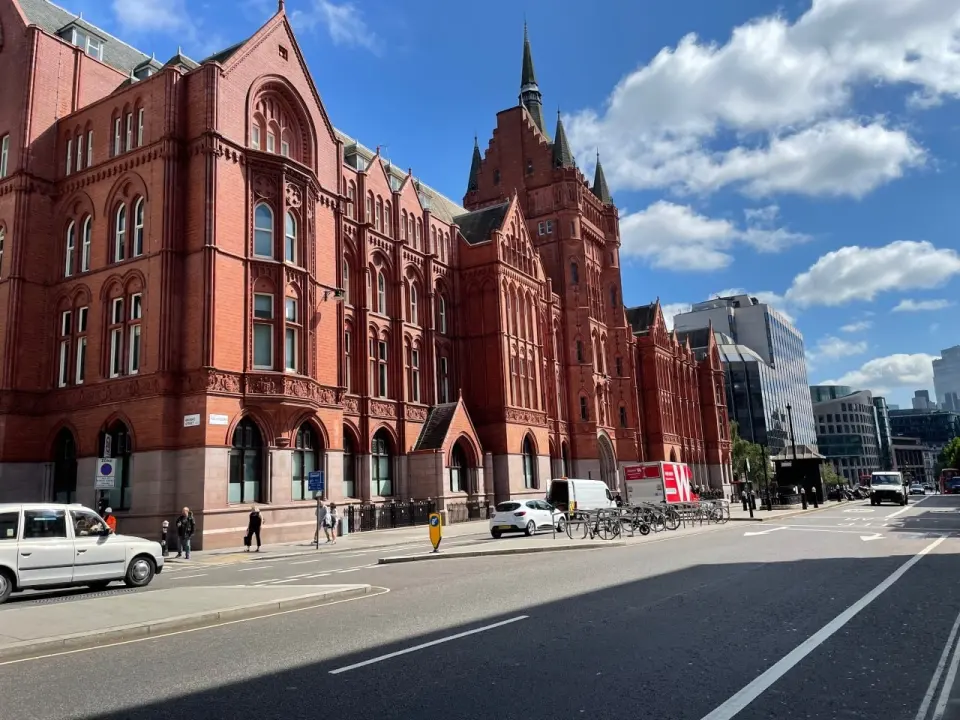
Settlement in the UK: what ILR really is, and why the qualifying period may double
UK law has no "residence permit" or "permanent residence" — it has time-limited leave, indefinite leave to remain (settlement) and citizenship. ILR usually comes after 5 years of work, with English at B1, a £50 Life in the UK test and a £3,226 fee; citizenship a year later, at £1,839. Two continuous years abroad and ILR lapses. And the qualifying period is set to rise from 5 years to 10, promised for autumn 2026 and stated to be retrospective.

Starting out in Britain: nine guides checked against the public registers
A bank account without proof of address, a credit record from zero, a free NHS interpreter, the home rate for university, school after VAT, work and pay, and doctors and restaurants checked against the registers. All of it in one place, in the order in which the questions come up.

Working in England 2026: what jobs pay, what you keep, and how the work visa actually starts
The minimum wage in England is £12.71 an hour by law; median full-time pay is £39,039 a year, worth about £2,630 a month after tax. You can start work before your National Insurance number arrives, but never without the right to work. And the Skilled Worker visa starts with a sponsoring employer: £41,700 or your occupation’s going rate, whichever is higher.