The Home Office — immigration
The department decides everything to do with visas, status and citizenship: the rules, the fees, processing times and employer checks. Here are its decisions and what they mean in practice.
Articles on this topic: 39

Refused a UK visa: review, appeal and the 7, 14 and 28-day deadlines
After a Home Office refusal there are three separate routes: an administrative review for £80, an appeal to the tribunal for £82 or £144, and a reconsideration request. You do not choose — exactly one is open, and the decision letter says which.
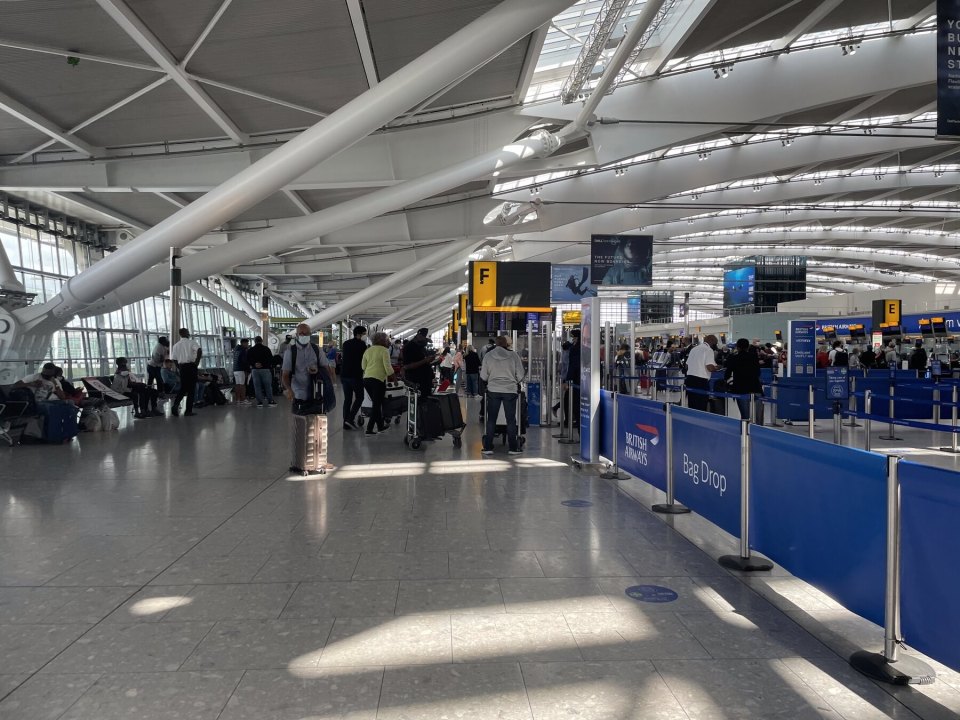
The UPE scheme: 18 months, a 90-day window and one decisive day
A Ukraine Permission Extension grant runs for 18 months, a second for a further 24, and both are free. You can apply in the 90 days before your permission ends without losing any time. Being a day late costs you the right to work, rent and claim until a decision comes.
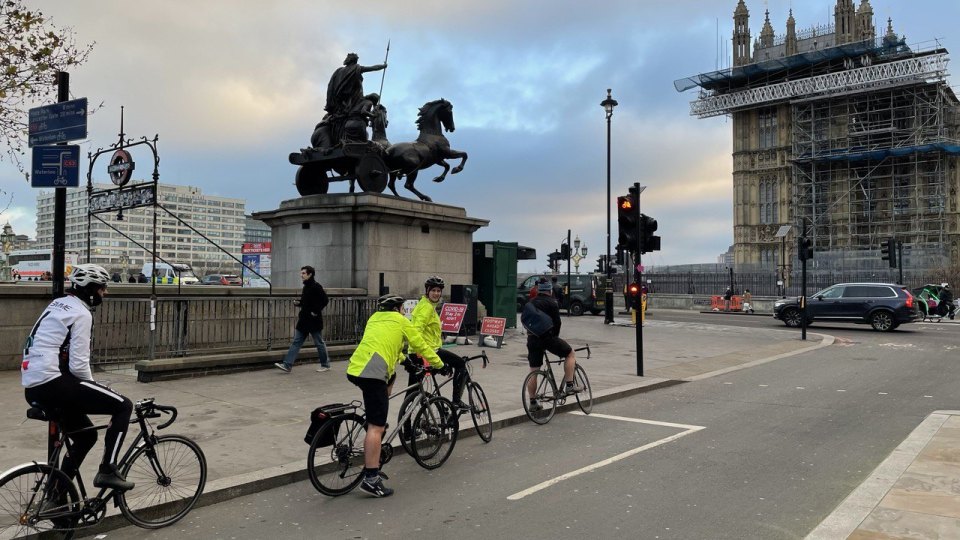
Life in the UK Test: £50, 24 questions and a 75% pass mark
No settlement and no citizenship without it. £50 an attempt, 24 questions in 45 minutes, a 75% pass mark. Who is exempt, which ID to bring, and what gets people turned away at the door.
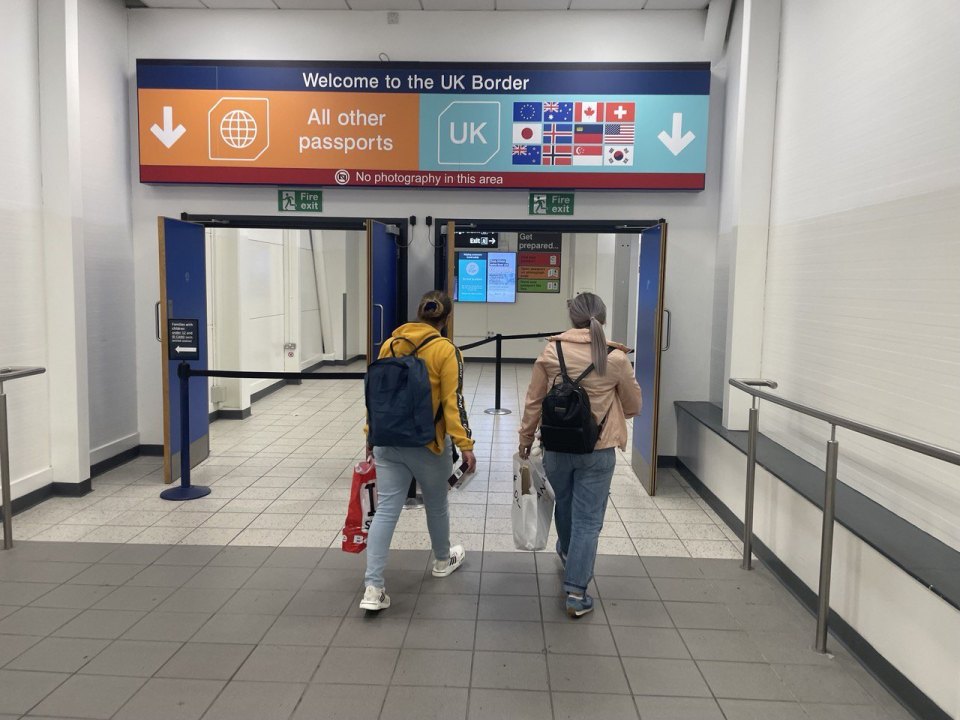
British citizenship: five years, 450 days and £1,839
Naturalising after ILR takes five years in the country, twelve months holding settlement and two separate absence ceilings — 450 days over five years and 90 days in the last twelve months. The £50 Life in the UK test, the English levels and what the fee buys.
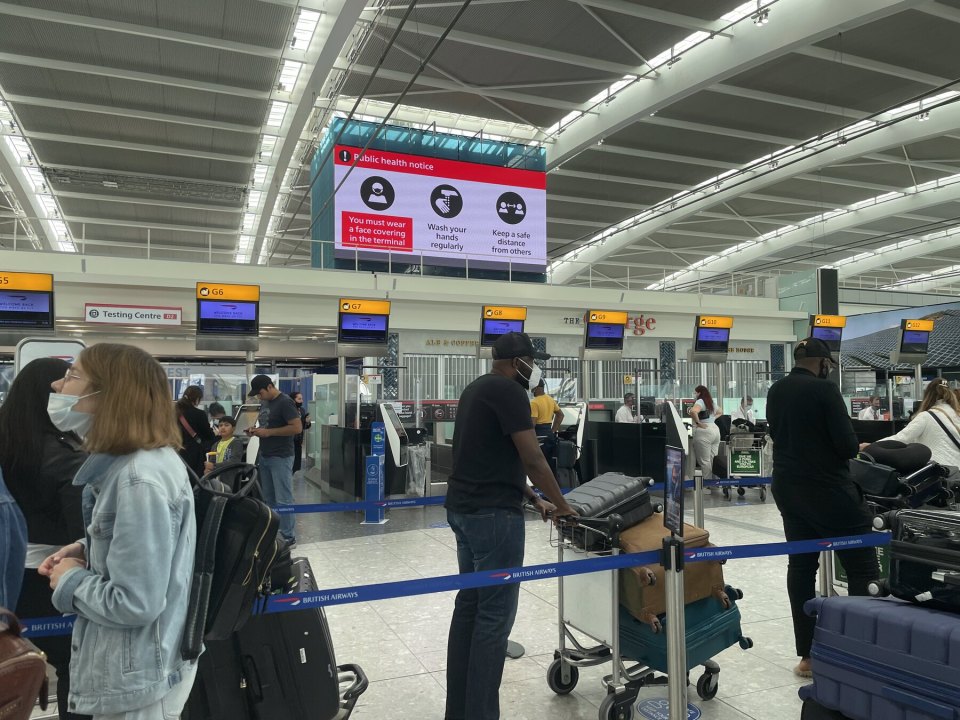
Immigration Health Surcharge: £1,035 a year, £776 for students, 10 days to top up
Almost everyone applying for a UK visa pays the immigration health surcharge. Here are the rates, how part-years are calculated, who is exempt and when you get a refund.

UK Student visa funds: what to show now and from 30 November 2026
Applications made by 29 November require £1,529 a month in London or £1,171 elsewhere, for up to nine months. From 30 November the figures rise to £1,570 and £1,203. Here is the calculation, the 28-day rule and the funds UKVI will not accept.

Igor Pavlov and Igor Entertainer in the UK: what registers and listings establish
We checked Companies House, Eventbrite, public profiles and official regulator lists: two known companies are dissolved and commercial activity is visible, but the current legal supplier, revenue, tax paid and performer immigration status are not publicly disclosed.

Free English in Britain: who can get £0 ESOL and where to apply now
England's 2026/27 national full-funding threshold for ESOL is £26,800 annual gross income, including people who are unemployed or economically inactive, but devolved areas set local rules. Here is how to find courses across all four UK nations, what evidence to bring and why an ordinary ESOL course may not satisfy a visa or citizenship requirement.

Marriage notice in England: 29 days, 7 days in the district and 70 if the Home Office investigates
To marry in England or Wales you first give notice at a register office. GOV.UK asks for at least 29 days before the ceremony, the law sets a 28-day waiting period, and for couples subject to immigration control it can stretch to 70. Here are the timings, documents and fees.
Moving home in the UK: who you must tell about your new address
Not telling DVLA your new address carries a fine of up to 1,000 pounds, and the driving licence and log book are two separate jobs. Here is the order to do it in, from gov.uk.
UK immigration rules change on 8 October 2026: what is new
HC 584 is now in force: the visitor route is wider, while the fee waiver rule and the biometric deadline are tighter. Home Office fees dated the same day did not rise by a pound.
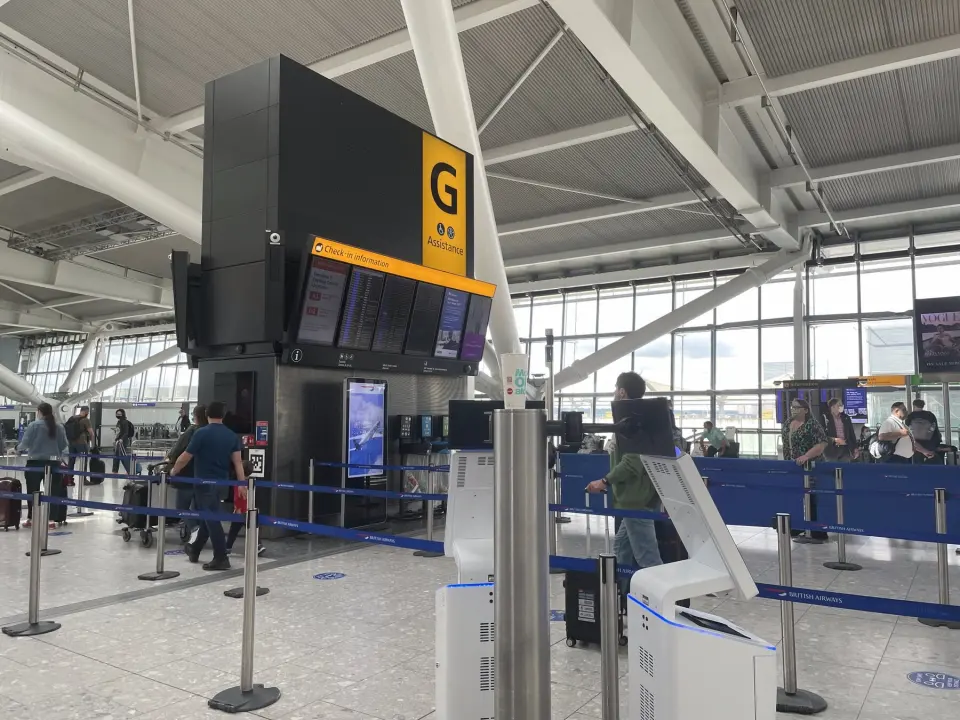
Contactless eGates at UK airports: no need to put your passport on the reader
From 6 October 2026 UK airports began switching eGates to contactless: the gate photographs your face, checks it against verified data and opens without a passport on the reader. Testing shows it is up to 25% faster. For now it is British citizens only and East Midlands only; every eGate is due to be upgraded by early 2027.
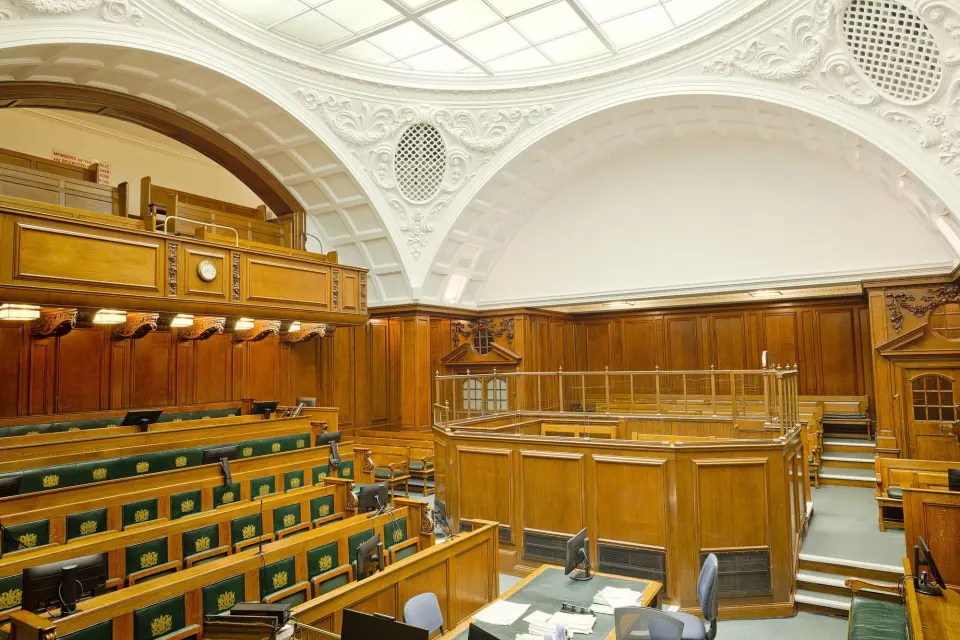
A jury summons has arrived: what to do, how long it lasts and what it pays
Jury summonses in England and Wales are sent at random from the electoral register, and you must respond within 7 days: silence or failing to attend can cost up to £1,000. Service usually lasts up to 10 working days, the court pays no wages but covers loss of earnings of up to £64.95 a day. Here is who gets called — foreign nationals included — how to move the date and what you can claim.
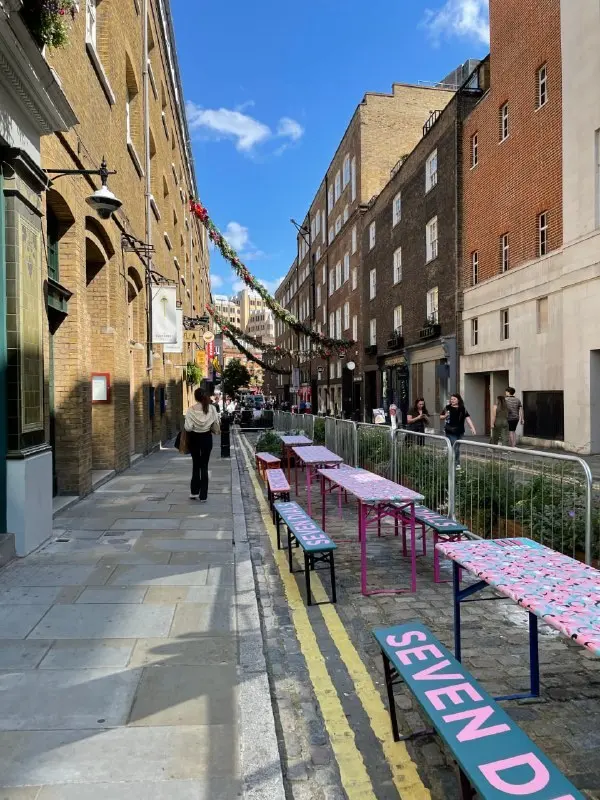
Right to rent: what landlords must check from 1 October 2026 — and how to get a share code in five minutes
An updated right to rent code of practice applies in England from 1 October. Every adult occupier is checked, even those not named on the agreement; landlord penalties reach £20,000 per person. Here is how to pass the check in five minutes with a share code, what British and Irish citizens show instead, why nobody may check 'only the foreign-looking' tenants — and what you must do if you sublet a room yourself.
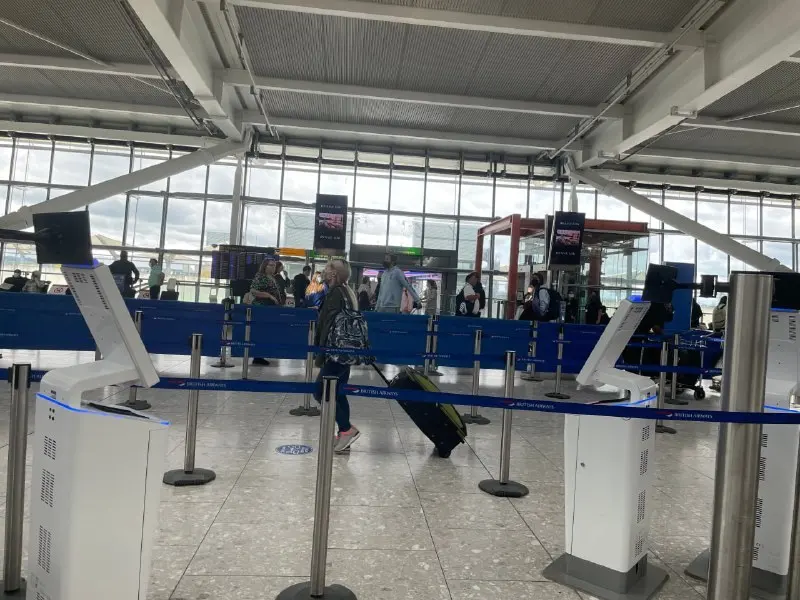
The UK airport border: what to tell the officer, who can use the e-gates, and what you can bring in your suitcase
Part one of our guide to Britain's airports — everything that happens between the jet bridge and the Exit sign. Who needs a visa and who just needs a £20 ETA; who qualifies for the automatic e-gates and who must see an officer; what the border officer asks and how to answer; how many cigarettes, litres of wine and gifts you can bring duty-free — and why the £10,000 cash rule counts for the whole family, not per person.
Divorce in England: what it costs, how long it takes, and why 'marry an Englishman and take half' is a myth
A scheme discussed in immigrant chats: marry an Englishman, endure a year, divorce — and leave with half his house. Here is how English family law actually works: divorce has been 'no-fault' since 2022, but no application is accepted before a year of marriage, the process takes at least six months and costs £628, money is divided in separate proceedings with no automatic fifty-fifty, and a visa tied to the marriage dies with it.
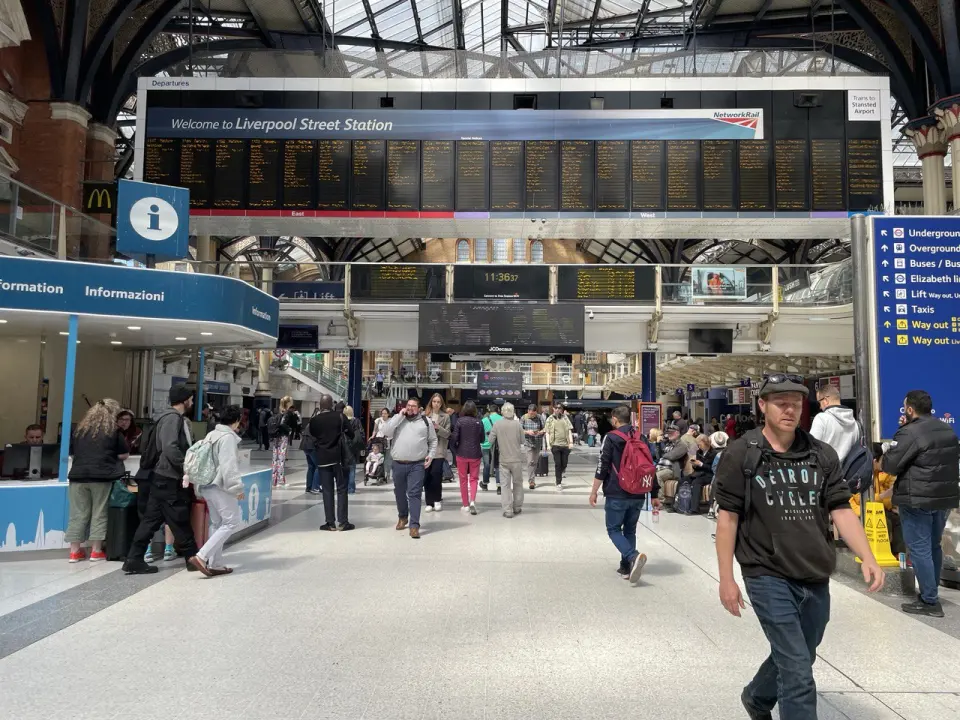
UK visa waiting times in 2026: the official UKVI timelines and how to get a decision in a day
The official UKVI timelines: visitor, student and work visas from outside the UK take 3 weeks, family visas 12 weeks, and most in-country extensions 8 weeks. Pay an extra £500 and a decision is promised within 5 working days; £1,000 buys one by the end of the next working day. Here is when the clock starts, why timelines slip, and when the extra fee is a waste of money.

A sponsor licence for employers: £611 for small business, a £525 certificate and up to £1,320 a year in charges — how to hire from abroad
Only an employer with a sponsor licence can hire from abroad — including EU citizens who arrived after 2020. The GOV.UK rules: prices for small and large businesses, certificates of sponsorship, the Immigration Skills Charge, the 8-week timeline and the duties that get licences revoked.

Skilled Worker visa in 2026: the £41,700 threshold, who qualifies at £33,400, what it costs and how to bring family
The UK's main work visa in 2026: a salary threshold of £41,700 or your job's going rate, discounts down to £33,400 for the young and shortage occupations, English now at B2, fees from £819 plus £1,035 a year for the NHS. The GOV.UK rules on who qualifies, what it costs and which family members can come.

Two-thirds of UK fraud comes from abroad. How to get your money back from the bank: 5 business days and an £85,000 cap
On 24 September the Home Office announced an agreement with Cambodia against scam centres: more than two-thirds of the fraud affecting the UK originates overseas. ONS figures for the year to March 2026 show 3.8 million victims, up 10% on the year before. Here is where to report after 4 December 2025, and how mandatory bank reimbursement works: 13 months to claim, 5 business days to pay, an excess of up to £100 and an £85,000 cap.

Help to Save: the government adds 50p to every £1 you save — £300m in bonuses paid out
HMRC said on 21 September that more than £300m in Help to Save bonuses has now been paid, across 656,700 accounts and £676.7m of deposits. You can put away £1 to £50 a month and the government adds up to £1,200 over four years. The catch is the entry rule: you must be on Universal Credit and have had at least £1 of take-home pay in your last assessment period.

Child Benefit: £27.05 a week per child — and why you should claim even if you have to pay it all back
Child Benefit is paid regardless of income: £27.05 a week for the eldest child and £17.90 for each additional one — £1,406 and £2,337 a year for one and two children. But the money is not the point: the claim automatically credits one parent with National Insurance towards the state pension until the child turns twelve, even if they opted out of payments. One warning: under a no recourse to public funds condition you must not claim.

Made redundant in the UK: how much you are owed and what to do if you are on a work visa
The statutory maximum is £22,530: £751 per week of service, up to 20 years, and only after two years in the job. The first £30,000 is tax free. And if you are on a Skilled Worker visa, redundancy leaves you 60 days or the remainder of your visa, whichever is shorter. Here is what you are owed, by when, and where to get free advice.
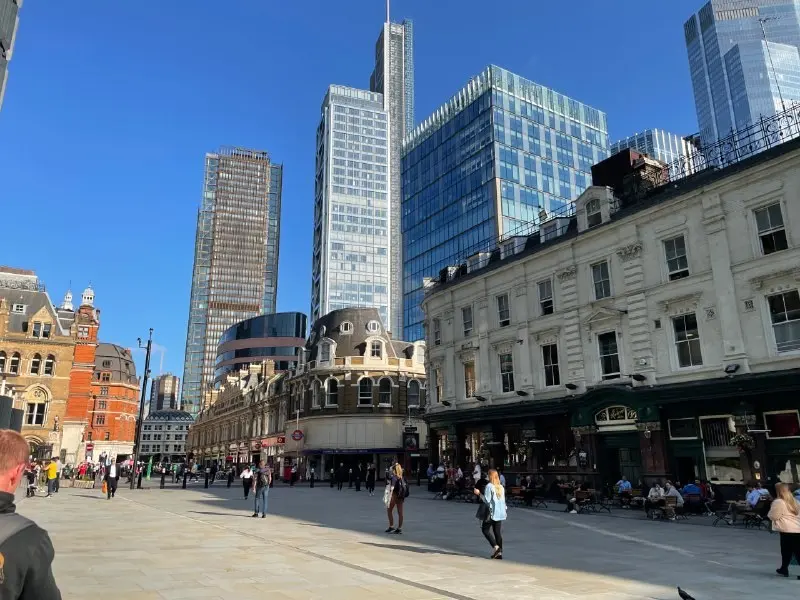
UK job vacancies are lower than in any year since 2014: what the ONS figures of 15 September mean if you are looking for work
The ONS published its labour market data at 7am on Tuesday. Vacancies stand at 702,000 for June to August, down 8,000 on the quarter; outside the pandemic slump the last comparable level was in 2014. Unemployment is 4.9%, but 145,000 fewer people are on a payroll than a year ago. Private sector pay is rising 2.9% a year — more than twice as slowly as public sector pay.

What changes from 1 October: six things that will touch almost everyone
Energy bills rise £60 a year, but VAT on electricity goes to zero. Right-to-work checks extend to couriers and subcontractors. The tribunal time limit doubles to six months. Date by date — plus three deadlines to meet.

You can leave the passport at home: from 15 September your phone proves your age — but showing the screen is useless
Pubs and shops in England and Wales may now accept digital proof of age. Only services on the government register count, the check must be scanned rather than eyeballed, and it still proves nothing about your immigration status.
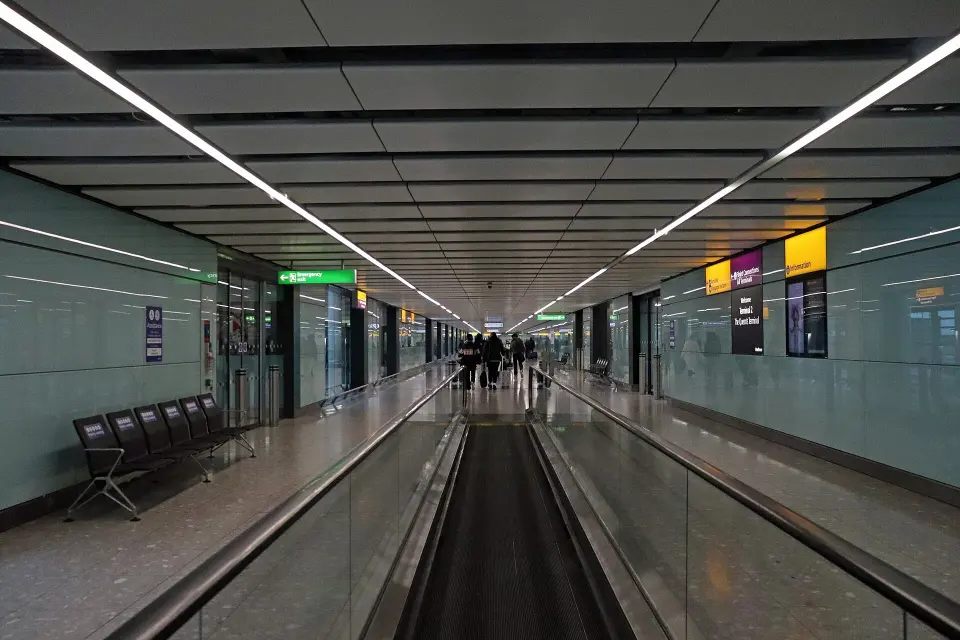
Moving to the UK in 2026: visas, real costs and what has changed
A guide built from primary sources: which visa you need to work, what the move actually costs, where to enrol biometrics from Russia and Belarus, and whether settlement really now takes ten years.
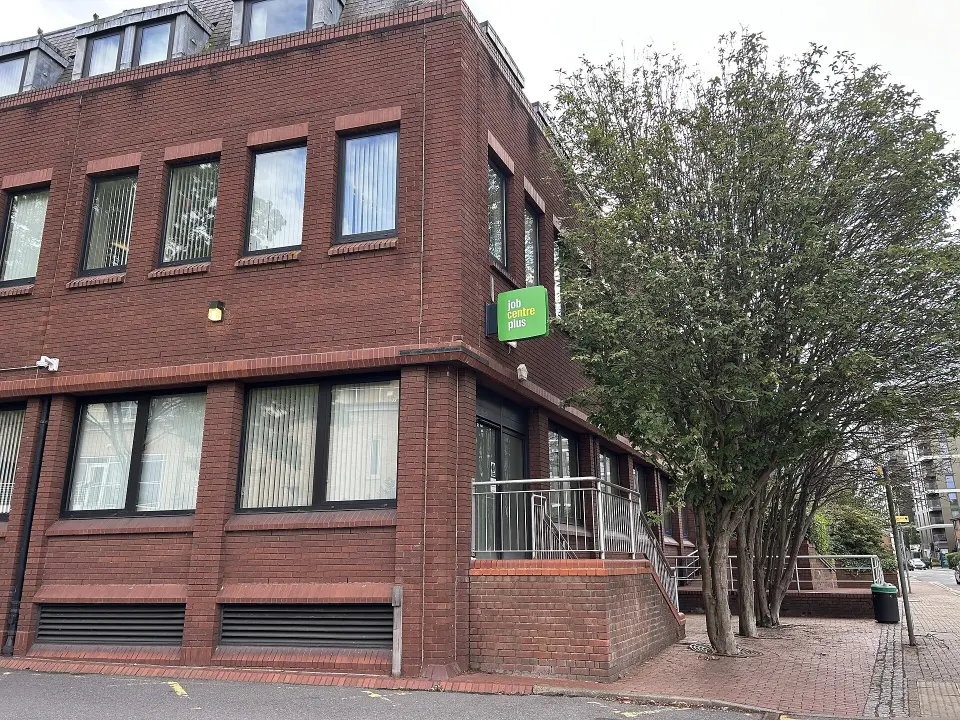
The National Insurance number: how to get one, how long it takes, and working without it
An NI number is not permission to work and not a tax number in the usual sense. It is the key the state files your contributions under, and your State Pension and some benefits depend on it. It is free, it takes up to four weeks, and you can work while you wait.

An expired BRP stops working on 31 December 2026
The plastic BRP cards have expired and been replaced by eVisas. An old card is still accepted, but only for three things and no later than 31 December 2026. For entering the country it is already useless.
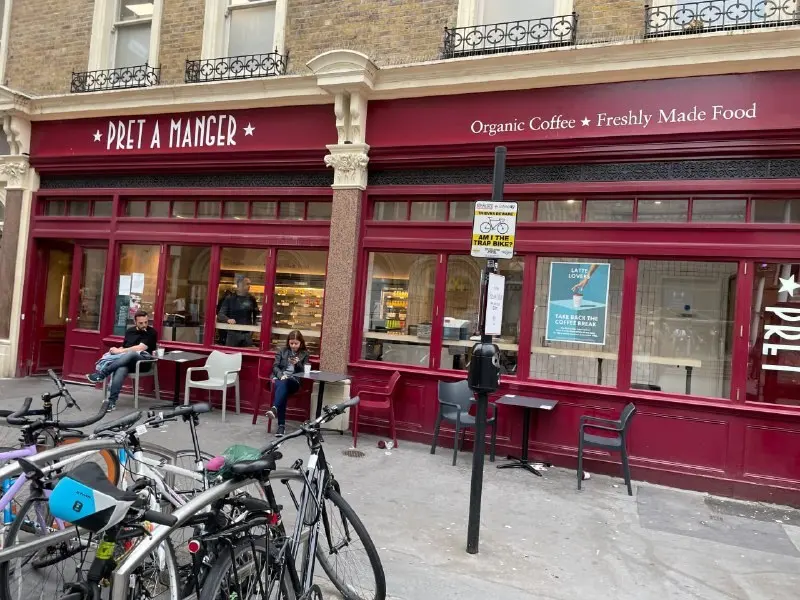
From 1 October, right to work checks reach couriers, subcontractors and platform workers
The illegal working regime expands: employers must verify the status not only of employees but of anyone on a worker’s contract, through an agency, a subcontracting chain or an online matching platform. The penalty is up to £60,000 per worker.

HC 584: what changes in the UK Immigration Rules from 8 October — a breakdown by date and route
The Home Office has laid another package of amendments before Parliament. It carries four commencement dates, a dozen affected routes, and one significant piece of news about what is not in it. Here is what changes, who it touches, and which amendments come with transitional protection — and which do not.

Universal Credit: who can claim, what it pays, and why many people must not apply
The standard allowance runs from £338.58 to £666.97 a month, savings are capped at £16,000, and every £1 earned cuts the payment by 55p. But first things first: most visas carry a no recourse to public funds condition, and claiming without the right damages your visa. How to check your condition and what to do if you have no right to claim.
UK visitor visa step by step 2026: timing, cost, biometrics and how long it takes
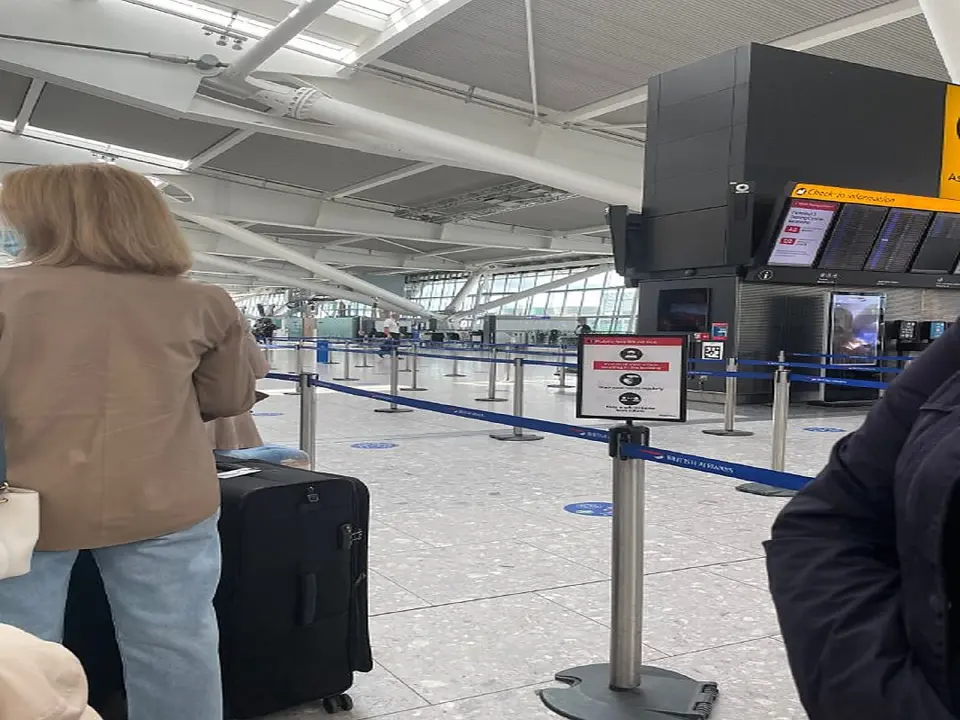
Russian, Belarusian, Ukrainian, Kazakh, Armenian, Georgian and Moldovan nationals need a visa, not an ETA. You can apply no earlier than three months before travel; £135 for six months, and the fee is not refunded even on refusal. Your passport comes back the same day, a decision usually takes three weeks, and a refusal cannot be appealed.
Working in England 2026: what jobs pay, what you keep, and how the work visa actually starts
The minimum wage in England is £12.71 an hour by law; median full-time pay is £39,039 a year, worth about £2,630 a month after tax. You can start work before your National Insurance number arrives, but never without the right to work. And the Skilled Worker visa starts with a sponsoring employer: £41,700 or your occupation’s going rate, whichever is higher.
Inviting family to Britain: there is no minimum balance, and UKVI will not look at your hotel or flight bookings
The British Embassy published cards on the finances behind a visitor visa; we checked every claim against the Immigration Rules and the Home Office caseworker guidance. There is no set level of funds in the requirements, there is no "6 months in 12" rule, and a visitor refusal carries neither appeal nor administrative review. Plus the full official list of fifteen documents a caseworker is told not to consider.
Studying in Britain in 2026: who pays £9,790, who pays £70,000, and three dates you cannot miss
The gap between home and international fees runs to seven times, and it is decided by three years of residence rather than by citizenship — and you need not have held settled status for all three, which is the part most often misread. Plus: the visa maintenance figure rises on 30 November, the Graduate route drops from two years to eighteen months on 1 January, and Chevening closes on 6 October.
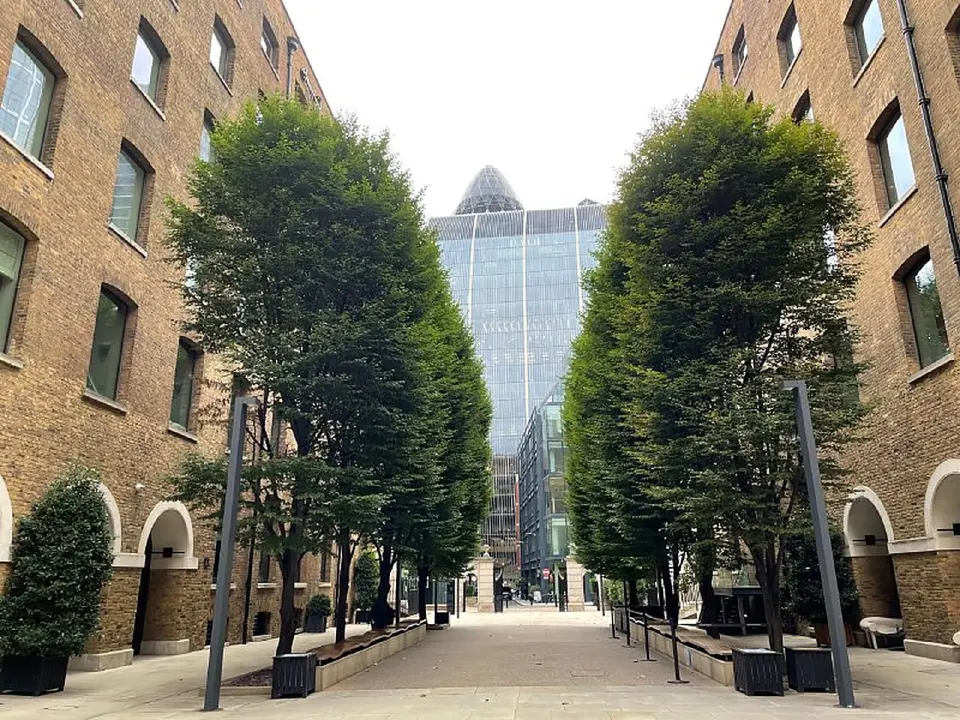
UK law does not require proof of address — and nine banks must open you a basic account
Checked against the rules themselves rather than the banks' websites: nine designated banks must open a basic account within 10 business days, the grounds for refusal are a closed list, and neither a poor credit file nor a missing address is on it. What to bring instead of a utility bill, where £120,000 of protection applies and where none does, and what changed on 28 April 2026.
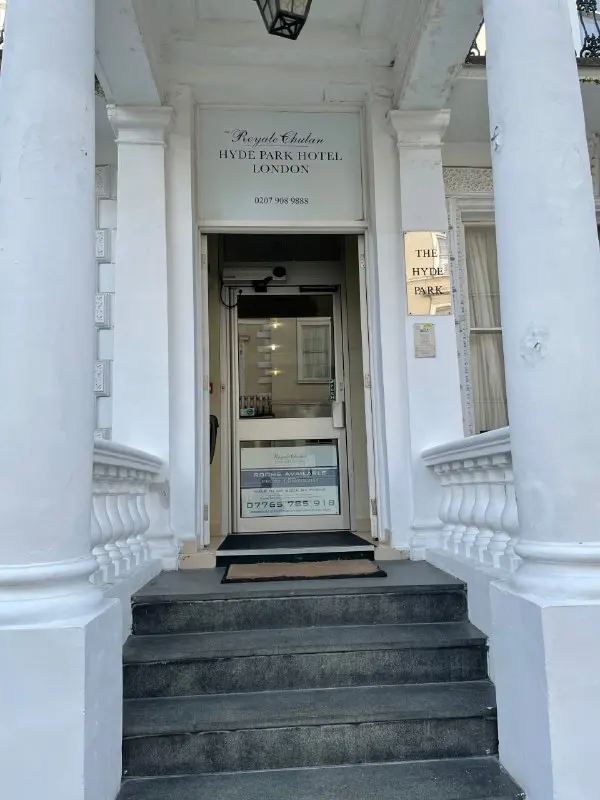
Letting a room? The check is compulsory, and the penalty runs to £20,000
Every new tenant must be checked, and only the landlord can do it. Two things are needed: the tenant’s share code and their date of birth. Checking only the people who “look foreign” is a separate breach of the law.
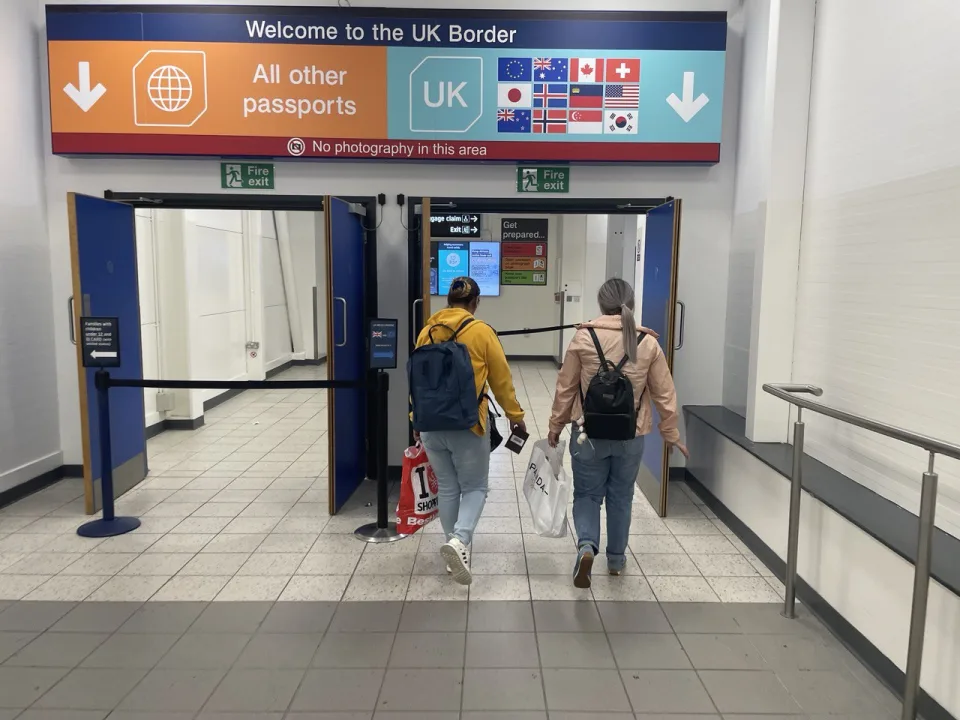
The UK ETA: a £20 travel authorisation, explained
Visitors who do not need a visa now need an Electronic Travel Authorisation: £20, valid for two years, usually decided in minutes. British and Irish citizens and holders of UK status are exempt.