You can leave the passport at home: from 15 September your phone proves your age — but showing the screen is useless
Pubs and shops in England and Wales may now accept digital proof of age. Only services on the government register count, the check must be scanned rather than eyeballed, and it still proves nothing about your immigration status.
Thanks for £1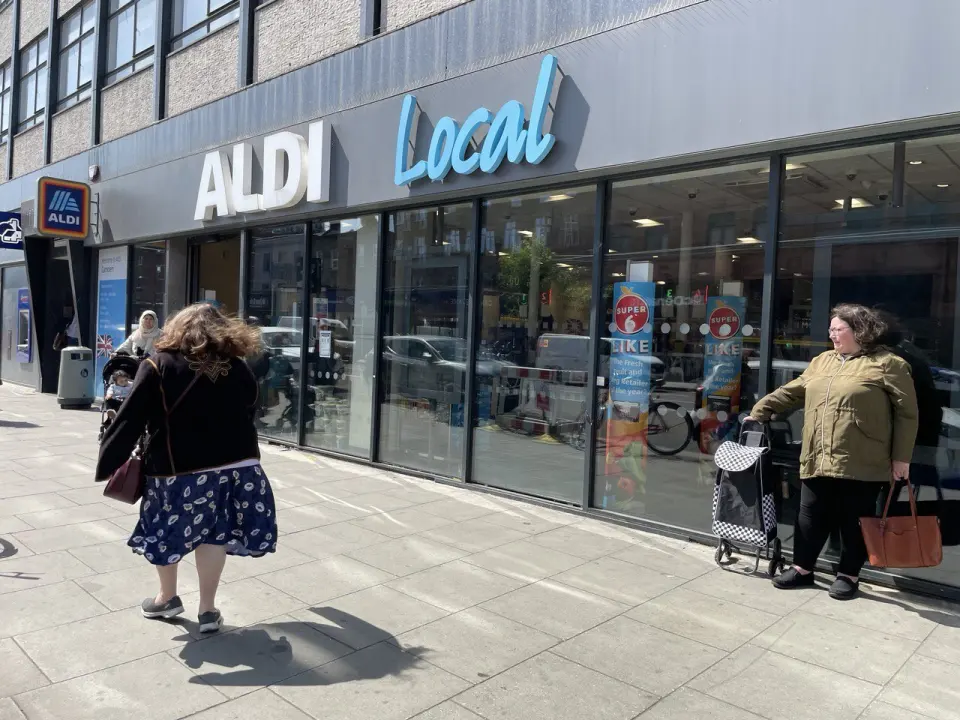
From 15 September, pubs, bars and shops in England and Wales may accept digital proof of age instead of a passport or driving licence. The law has changed and an app on a phone now counts alongside a plastic card. There are three conditions the headlines skip, and one of them undoes the idea of simply showing a screen.
What changed on 15 September?
The mandatory licensing conditions under the Licensing Act 2003 were amended: a seller of alcohol may now accept certified digital proof of age on the same footing as a physical document.
 ONLYWAY NEWSLIVELife · 25.10London weather tomorrow, 26 October: mild but wetLaw · 25.10Your car can't be clamped on a private car parkLife · 25.10Who May Perform Risky Treatments?Money · 25.10How to cancel a recurring card paymentTechnology · 25.10How to get your data deletedJobs & Business · 25.10Minimum notice when a job endsMoney · 25.10An unfair contract term does not bind youHousing · 25.10Ground rent on new leases is now zeroJobs & Business · 25.10You can bring someone to a hearing at workJobs & Business · 25.10Post Your Ad FreeONLYWAY NEWS · appInstall the ONLYWAY NEWS appFresh UK news, classifieds, key dates and exchange rates on your home screen, one tap away. Free.NewsClassifiedsCalendarRates
Previously the law allowed only paper and plastic — a passport, a driving licence, a PASS card. Apps have now been added.
Which apps qualify?
Only those on the government's DVS register of digital verification services. Those services are independently audited and certified against the government trust framework.
The announcement names Yoti ID, Post Office EasyID and Luciditi ID. A screenshot, a photo of a document in your gallery or "the banking app" are not on that list.
Why can you not simply show the screen?
This is the detail almost everyone misses. Visual inspection of digital proof is not permitted: the government says plainly that an image on a screen is easy to forge.
The check has to be programmatic — staff scan a code or run a check through the service, and it returns an answer. The seller sees the minimum: that the person is of age and that the proof belongs to them. No date of birth, address or document number.
 ADV · A003We build websites for tradespeople and sole traders — £219Customers see your work and prices and message you straight away. Ready in 3 days, £219 instead of £438.Advertise here
Do shops have to accept it?
No. It is voluntary for business and customer alike. Digital Government Minister Stephanie Peacock puts it this way: it remains an individual's or a business's choice, and physical ID stays valid.
The practical point: it will not be accepted everywhere yet. Going somewhere for the first time, take the document.
Where does it apply?
England and Wales. Scotland and Northern Ireland have their own licensing law and are not covered.
The legal drinking age has not changed, nor has the duty not to sell to minors. At self-service tills digital checks may be used only under staff supervision, otherwise proxy purchases and sales to intoxicated customers cannot be caught.
What does it mean for a newcomer?
This is the useful part. Without a UK driving licence the only document you have is usually a foreign passport, and nobody enjoys carrying one around bars. A certified app solves that and removes the risk of losing the passport.
But know the boundary: digital proof of age is NOT proof of immigration status and does not replace an eVisa. An employer, a landlord and a bank still need a share code from your UKVI account. Two different documents for two different jobs.
Is there demand for this?
In the 2024 consultation, 72% of respondents supported digital identities for age verification. Britain's digital verification sector is valued at around £2bn a year.
Read next: The expired BRP stops working on 31 December 2026 · The pint after work: the unwritten rules of a British pub
Thanks for £1If this information was useful and came in time, press the heart. Payment goes through PayPal, with nothing to choose and nothing to fill in, and it pays for the newsroom.
- GOV.UK — New rules pave the way for businesses to adopt digital proof of age for alcohol sales
- GOV.UK blog — How digital verification services can be used to support alcohol purchases
- GOV.UK blog — Enabling the use of digital verification services for alcohol age checks in England and Wales
- Digital Verification Services register — GOV.UK


- Markets UK firms set for more than £330m in export contracts in Guinea and Benin
- Travel London Tube and TfL closures in October 2026: the Piccadilly line stops entirely at Halloween, and no Tube to Heathrow on 17–18 October
- Money A lost or late parcel: the seller is responsible, not you
- Money Check your lender now
- Money Could that call be a trap?
- Markets Check the deal with your prime
- Jobs & Business 10,000 tech placements: the three-year total, the eight firms and the nine addresses for schools