eVisa and BRP — digital status
BRP cards are going and status is moving into the UKVI account. What to do with an expired card, how to set up an eVisa, how to prove status to an employer or landlord, and what goes wrong most often.
Articles on this topic: 27

Refused a UK visa: review, appeal and the 7, 14 and 28-day deadlines
After a Home Office refusal there are three separate routes: an administrative review for £80, an appeal to the tribunal for £82 or £144, and a reconsideration request. You do not choose — exactly one is open, and the decision letter says which.
The UPE scheme: 18 months, a 90-day window and one decisive day
A Ukraine Permission Extension grant runs for 18 months, a second for a further 24, and both are free. You can apply in the 90 days before your permission ends without losing any time. Being a day late costs you the right to work, rent and claim until a decision comes.
Life in the UK Test: £50, 24 questions and a 75% pass mark
No settlement and no citizenship without it. £50 an attempt, 24 questions in 45 minutes, a 75% pass mark. Who is exempt, which ID to bring, and what gets people turned away at the door.

New Style JSA in 2026: £95.55 a week, 182 days and the Jobcentre interview
The unemployment benefit paid on your National Insurance record, not on need — savings are ignored entirely. Rates, who qualifies, what to bring to the interview and what triggers a sanction.

Londoners can question City Hall for free: register by 14 October
On 21 October, Londoners can discuss transport, housing, safety, the environment and the economy with the London Assembly. In-person attendance is free, while the livestream can be watched without registration.
Moving home in the UK: who you must tell about your new address
Not telling DVLA your new address carries a fine of up to 1,000 pounds, and the driving licence and log book are two separate jobs. Here is the order to do it in, from gov.uk.
Contactless eGates at UK airports: no need to put your passport on the reader
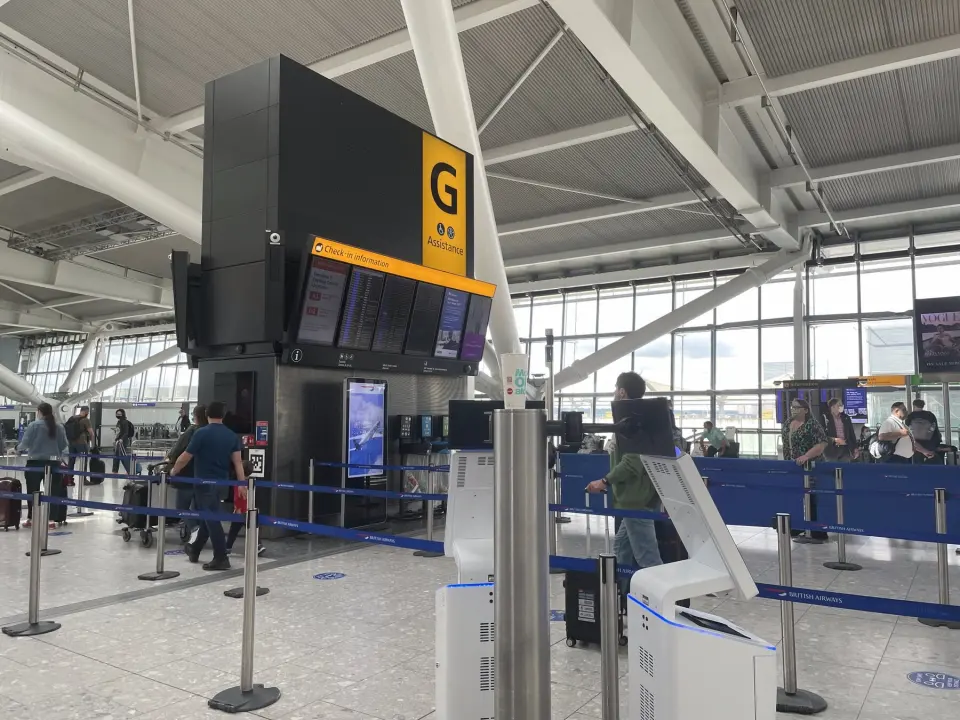
From 6 October 2026 UK airports began switching eGates to contactless: the gate photographs your face, checks it against verified data and opens without a passport on the reader. Testing shows it is up to 25% faster. For now it is British citizens only and East Midlands only; every eGate is due to be upgraded by early 2027.
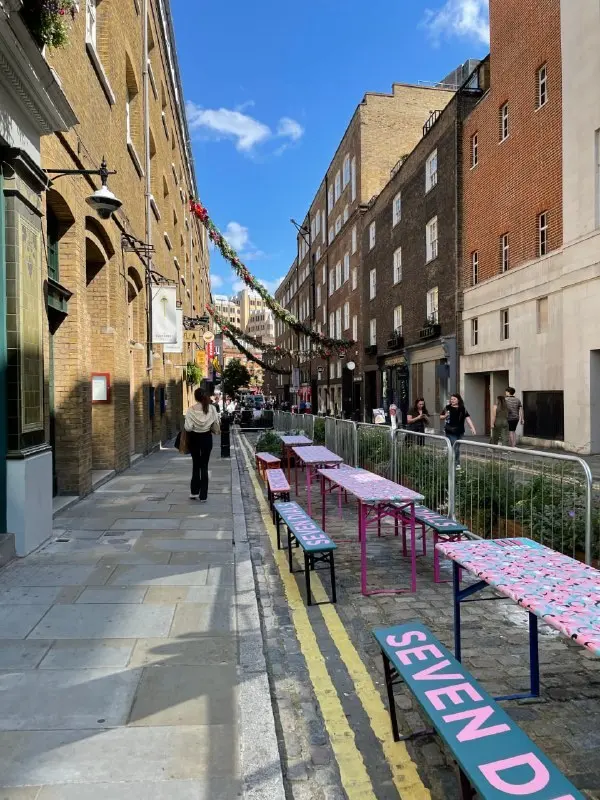
Right to rent: what landlords must check from 1 October 2026 — and how to get a share code in five minutes
An updated right to rent code of practice applies in England from 1 October. Every adult occupier is checked, even those not named on the agreement; landlord penalties reach £20,000 per person. Here is how to pass the check in five minutes with a share code, what British and Irish citizens show instead, why nobody may check 'only the foreign-looking' tenants — and what you must do if you sublet a room yourself.
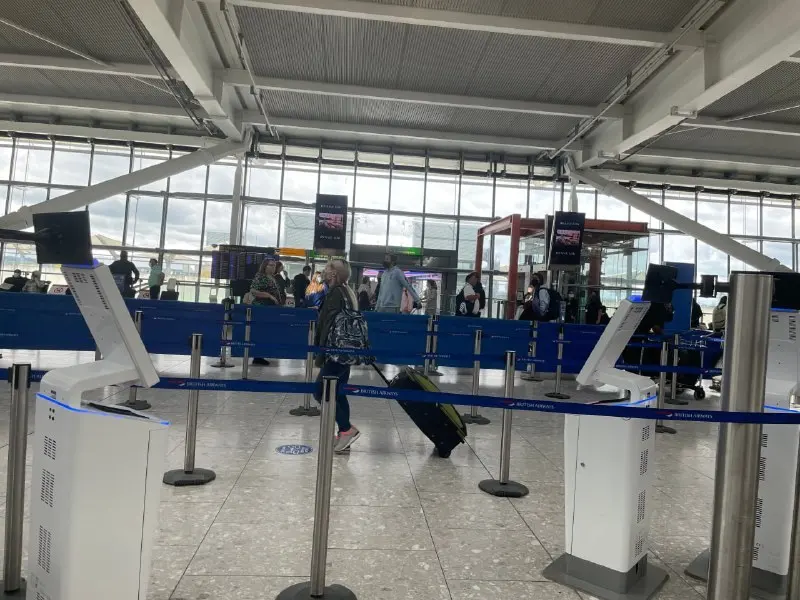
The UK airport border: what to tell the officer, who can use the e-gates, and what you can bring in your suitcase
Part one of our guide to Britain's airports — everything that happens between the jet bridge and the Exit sign. Who needs a visa and who just needs a £20 ETA; who qualifies for the automatic e-gates and who must see an officer; what the border officer asks and how to answer; how many cigarettes, litres of wine and gifts you can bring duty-free — and why the £10,000 cash rule counts for the whole family, not per person.

Skilled Worker visa in 2026: the £41,700 threshold, who qualifies at £33,400, what it costs and how to bring family
The UK's main work visa in 2026: a salary threshold of £41,700 or your job's going rate, discounts down to £33,400 for the young and shortage occupations, English now at B2, fees from £819 plus £1,035 a year for the NHS. The GOV.UK rules on who qualifies, what it costs and which family members can come.
The government built a free CV tool: 20,000 CVs through Work Hub — and how to use it
On 25 September the DWP published the first results from Work Hub, the free job-search platform it calls a “jobcentre in your pocket”. The CV builder is open to everyone, not only people on benefits. Here is what is inside, where to find it and what not to expect.
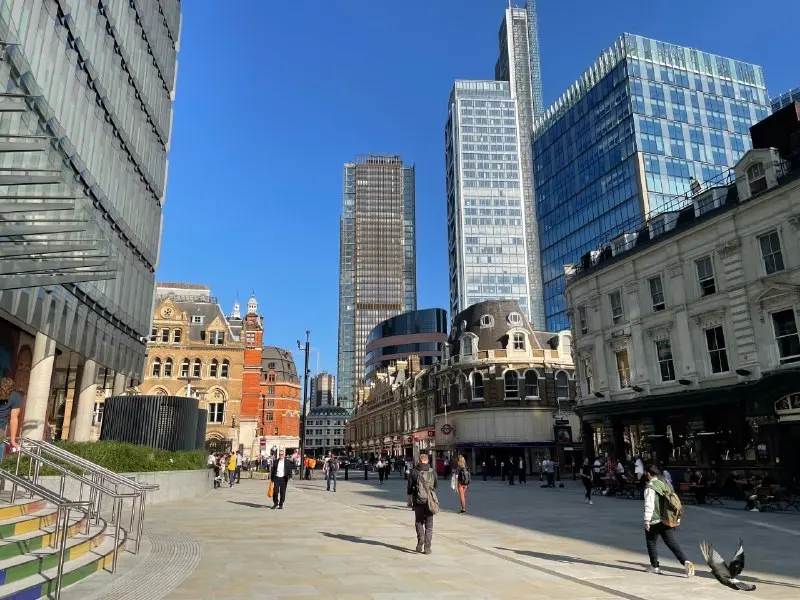
First convictions for missing Companies House ID checks: what it costs now, and how long is left
On 16 September a City court fined three directors — one of them for failing to stop an unverified colleague from acting. The Companies House transition year ends on 18 November 2026; after that come penalties of £250 to £2,000, a note on the public register and a block on filing for your company.

Free childcare in England in 2026: 30 hours from nine months, the income tests and the 31 December deadline
To have the hours start on 1 January you need the code by 31 December. Here are the three schemes, the £2,643.68 three-month earnings test and the £100,000 ceiling, the National Insurance and no recourse to public funds rules — and the separate 15-hour route for families with no access to public funds.

Help to Save: the government adds 50p to every £1 you save — £300m in bonuses paid out
HMRC said on 21 September that more than £300m in Help to Save bonuses has now been paid, across 656,700 accounts and £676.7m of deposits. You can put away £1 to £50 a month and the government adds up to £1,200 over four years. The catch is the entry rule: you must be on Universal Credit and have had at least £1 of take-home pay in your last assessment period.

Child Benefit: £27.05 a week per child — and why you should claim even if you have to pay it all back
Child Benefit is paid regardless of income: £27.05 a week for the eldest child and £17.90 for each additional one — £1,406 and £2,337 a year for one and two children. But the money is not the point: the claim automatically credits one parent with National Insurance towards the state pension until the child turns twelve, even if they opted out of payments. One warning: under a no recourse to public funds condition you must not claim.

You can leave the passport at home: from 15 September your phone proves your age — but showing the screen is useless
Pubs and shops in England and Wales may now accept digital proof of age. Only services on the government register count, the check must be scanned rather than eyeballed, and it still proves nothing about your immigration status.
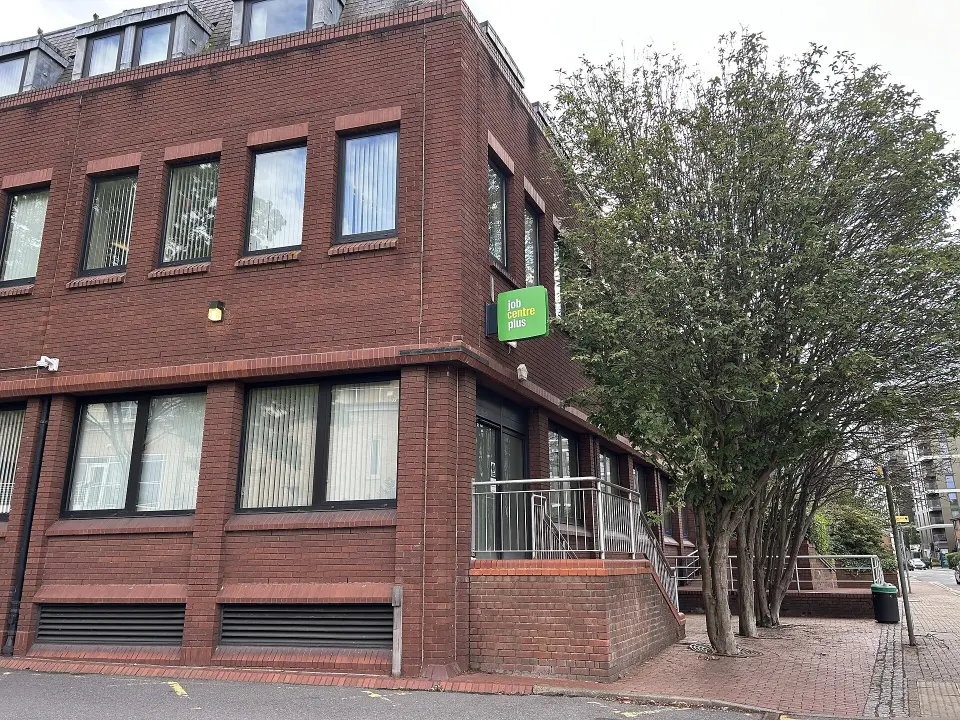
The National Insurance number: how to get one, how long it takes, and working without it
An NI number is not permission to work and not a tax number in the usual sense. It is the key the state files your contributions under, and your State Pension and some benefits depend on it. It is free, it takes up to four weeks, and you can work while you wait.

An expired BRP stops working on 31 December 2026
The plastic BRP cards have expired and been replaced by eVisas. An old card is still accepted, but only for three things and no later than 31 December 2026. For entering the country it is already useless.
From 1 October, right to work checks reach couriers, subcontractors and platform workers
The illegal working regime expands: employers must verify the status not only of employees but of anyone on a worker’s contract, through an agency, a subcontracting chain or an online matching platform. The penalty is up to £60,000 per worker.

Universal Credit: who can claim, what it pays, and why many people must not apply
The standard allowance runs from £338.58 to £666.97 a month, savings are capped at £16,000, and every £1 earned cuts the payment by 55p. But first things first: most visas carry a no recourse to public funds condition, and claiming without the right damages your visa. How to check your condition and what to do if you have no right to claim.

Schengen biometrics explained: how EES works, when ETIAS arrives, and what Britain does instead
Since 10 April 2026 EES has run at every Schengen border: no stamps, fingerprints and a facial image instead. ETIAS is expected in Q4 2026 — €20 for three years. British status does not exempt you from EES, and Britain itself requires a £20 ETA. Point by point.
Settlement in the UK: what ILR really is, and why the qualifying period may double
UK law has no "residence permit" or "permanent residence" — it has time-limited leave, indefinite leave to remain (settlement) and citizenship. ILR usually comes after 5 years of work, with English at B1, a £50 Life in the UK test and a £3,226 fee; citizenship a year later, at £1,839. Two continuous years abroad and ILR lapses. And the qualifying period is set to rise from 5 years to 10, promised for autumn 2026 and stated to be retrospective.
UK visitor visa step by step 2026: timing, cost, biometrics and how long it takes
Russian, Belarusian, Ukrainian, Kazakh, Armenian, Georgian and Moldovan nationals need a visa, not an ETA. You can apply no earlier than three months before travel; £135 for six months, and the fee is not refunded even on refusal. Your passport comes back the same day, a decision usually takes three weeks, and a refusal cannot be appealed.
Working in England 2026: what jobs pay, what you keep, and how the work visa actually starts
The minimum wage in England is £12.71 an hour by law; median full-time pay is £39,039 a year, worth about £2,630 a month after tax. You can start work before your National Insurance number arrives, but never without the right to work. And the Skilled Worker visa starts with a sponsoring employer: £41,700 or your occupation’s going rate, whichever is higher.
Inviting family to Britain: there is no minimum balance, and UKVI will not look at your hotel or flight bookings
The British Embassy published cards on the finances behind a visitor visa; we checked every claim against the Immigration Rules and the Home Office caseworker guidance. There is no set level of funds in the requirements, there is no "6 months in 12" rule, and a visitor refusal carries neither appeal nor administrative review. Plus the full official list of fifteen documents a caseworker is told not to consider.
UK law does not require proof of address — and nine banks must open you a basic account
Checked against the rules themselves rather than the banks' websites: nine designated banks must open a basic account within 10 business days, the grounds for refusal are a closed list, and neither a poor credit file nor a missing address is on it. What to bring instead of a utility bill, where £120,000 of protection applies and where none does, and what changed on 28 April 2026.
Letting a room? The check is compulsory, and the penalty runs to £20,000
Every new tenant must be checked, and only the landlord can do it. Two things are needed: the tenant’s share code and their date of birth. Checking only the people who “look foreign” is a separate breach of the law.