Blue Badge parking permit: who qualifies, what it costs and where you can park
A Blue Badge lets you park on double yellow lines for up to three hours and park free at meters. In England it costs up to £10, councils usually take up to 12 weeks to decide, and lending the badge to someone else can mean a £1,000 fine.
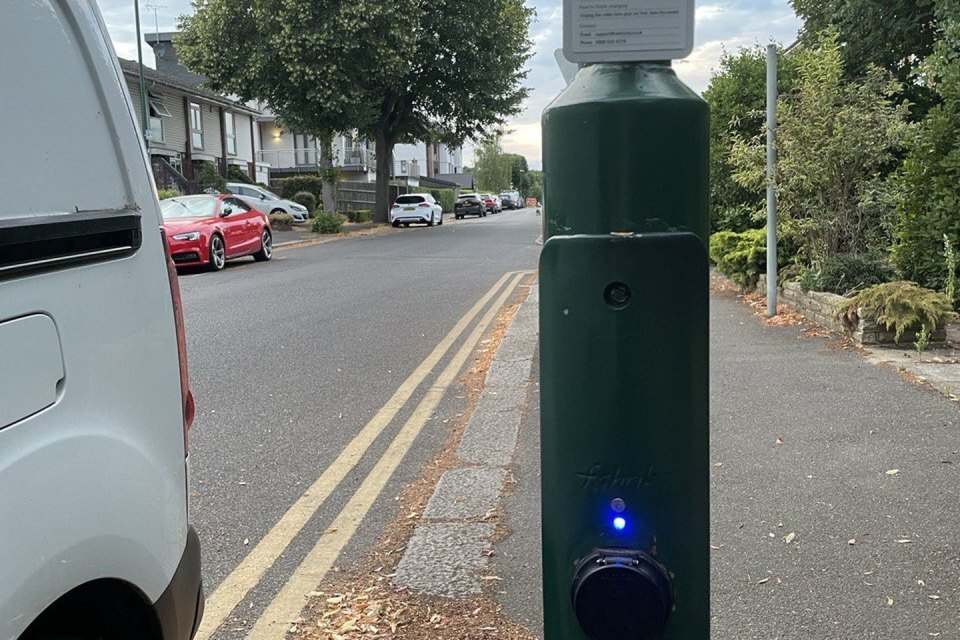
A Blue Badge is a parking permit for people with serious mobility problems. It lets you park where others cannot and park free at meters, and it is issued by your local council, not by DVLA. Here is the procedure: who qualifies, what it costs, how long it takes and what gets a badge taken away.
Who qualifies for a Blue Badge automatically?
You qualify without further assessment if you are aged three or over and meet at least one condition: the higher rate of the Disability Living Allowance mobility component; Personal Independence Payment with 8 or more points under the "moving around" activity, meaning you cannot walk more than 50 metres; being registered blind (severely sight impaired); War Pensioners' Mobility Supplement; a lump sum under the Armed Forces and Reserve Forces Compensation Scheme within tariff levels 1 to 8, certified as causing inability to walk or very considerable difficulty walking. One more route: 10 points under descriptor E of the PIP activity "planning and following journeys" — you cannot undertake any journey because of overwhelming psychological distress.
 ADV · A003We build websites for tradespeople and sole traders — £219Customers see your work and prices and message you straight away. Ready in 3 days, £219 instead of £438.Advertise here
This is where most applications go wrong: any other score under descriptor E, including 12 points, does not qualify automatically. In that case you must supply evidence and the council assesses it.
Who is assessed by the council instead?
The second route is a council assessment. It covers people who cannot walk at all, or cannot walk without help from another person or without mobility aids; those who find walking very difficult because of pain, breathlessness or the time it takes; and those for whom walking is dangerous to their health or safety. The list also includes someone with a life-limiting illness who has an SR1 form, and a driver with a severe disability in both arms who drives regularly but cannot use pay-and-display machines.
There are two grounds for children under three: a medical condition that means they must always be accompanied by bulky medical equipment, or one that means they must always be kept near a vehicle in case of emergency treatment.
Non-visible (hidden) conditions have counted since 2019: being constantly a significant risk to yourself or others near traffic, severe difficulty planning or following a journey, inability to control your actions with limited awareness of their effect on others, regular intense responses causing temporary loss of behavioural control, and being frequently extremely anxious or fearful of public or open spaces. The council will ask about your medication and treatment, the professionals involved in your care, supporting documents such as prescriptions or a diagnosis letter, and how the walk from your vehicle is affected.
How much does a Blue Badge cost and how long does it last?
In England a badge costs up to £10, in Scotland up to £20, and in Wales it is free. Northern Ireland has its own route through nidirect. How you pay depends on your local council. A badge usually lasts up to three years, and you must reapply before the current one expires.
 ADV · A001ONLYWAY JEWELRY — gold, silver and platinumRings, chains, bracelets, earrings and pendants. Delivery across the UK.Advertise here
How long does a decision take and what do you need ready?
GOV.UK warns that councils usually decide within 12 weeks, and an assessment can take longer. Apply well ahead. You will need a recent digital head-and-shoulders photo, a photo or scan of proof of identity, proof of address, proof of any benefits, your National Insurance number, and your current badge details if reapplying. You can save the application and return to it later.
Where can you park with a Blue Badge?
On single or double yellow lines for up to three hours. You must display both the badge and a blue parking clock, and wait at least one hour before parking the same vehicle in the same road again on the same day. At parking meters and in pay-and-display bays, badge holders park free and for as long as they need.
Where does the Blue Badge not work?
The scheme does not fully apply in four central London boroughs: the City of Westminster, the City of London, the Royal Borough of Kensington and Chelsea, and part of Camden. They run their own concessions and provide some bays for badge holders, so check that borough's own website.
The Congestion Charge is separate. Badge holders do not pay it, but the 100% discount is not automatic: you must register with Transport for London and pay a £10 registration fee. You can register up to two vehicles you normally use for travelling in central London.
What happens if you lend the badge to someone?
The badge is for your use and benefit only. You must never give it to friends or family so they can park free, even when they are visiting you. Misuse is a criminal offence and can lead to a £1,000 fine and confiscation of the badge.
Always tell your local council if the badge is lost, stolen or damaged. If a replacement is issued and the original turns up, the original must be returned. If the badge is lost or damaged and will not expire within three months, use the replacement service rather than applying again.
What if you are refused?
The council should tell you why you are not eligible. If you think they did not take all the important information into account, you can ask them to reconsider. You can also reapply if your mobility problems become more serious.
 Life
How to register a death in England and Wales: 5 days, the green form and Tell Us Once
Life
How to register a death in England and Wales: 5 days, the green form and Tell Us Once
 Life
Marriage notice in England: 29 days, 7 days in the district and 70 if the Home Office investigates
Life
Marriage notice in England: 29 days, 7 days in the district and 70 if the Home Office investigates
 Life
ADHD and autism in England: government changes the rules on assessments and promises help without a diagnosis
Life
ADHD and autism in England: government changes the rules on assessments and promises help without a diagnosis
- Travel Windrush line delays and Croydon tram closures: London tube today, 5 October
- Money UK sanctions Cryptomus, Heleket and VexPay: what it means for money transfers
- Money Your gas and electricity debt can be written off in full: who Ofgem is clearing 2022–2024 bills for, and what you must do
- Markets Diesel passes £2 a litre for the first time: what it costs in London today and where to fill up cheaper
- Life When do the clocks change in the UK in 2026? 25 October, an hour back
- Housing Hosepipe bans in England: ten companies, 30 million people, six reservoirs exceptionally low
- Life MenB jab for students: free until 31 December, but only 27% have had a first dose