Flood Re: insuring a home in a flood-risk area
If your home is in a flood-risk area, insurance can be costly or hard to get. The Flood Re scheme exists to make cover affordable. Here is which homes qualify and what it gives you.
Thanks for £1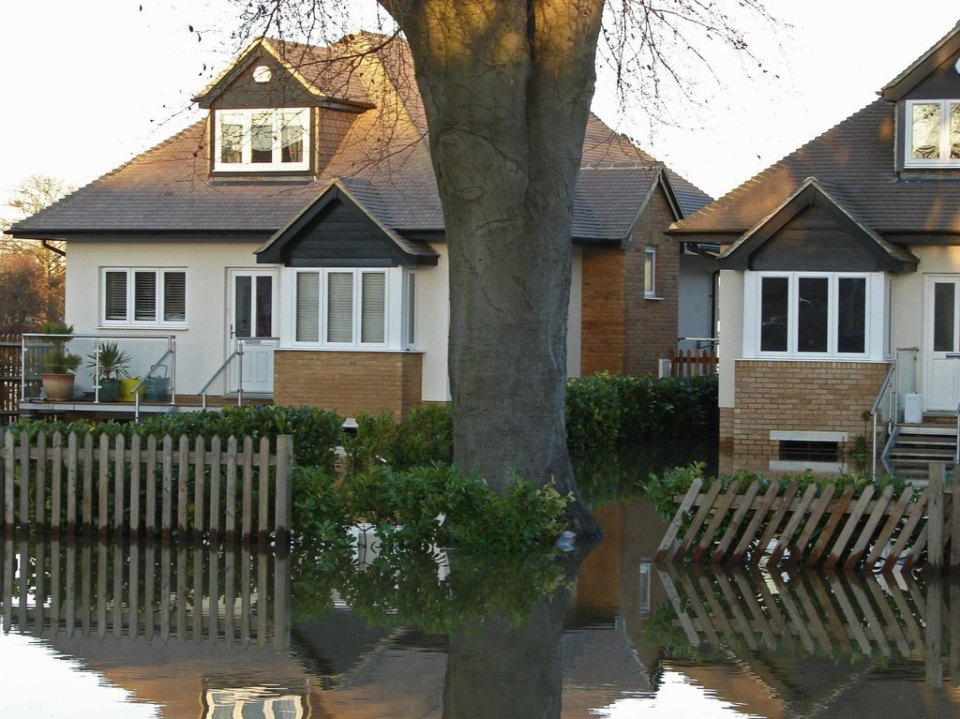
Flood Re is a reinsurance scheme set up by insurers and government so that homes in flood-risk areas can get affordable cover. Your insurer passes the flood part of the risk to Flood Re, which lets it offer cover where the ordinary price would be too high. To you it looks like a normal policy — you still buy insurance from the company you choose.
Which homes qualify?
The key condition is that the home must have been built before 1 January 2009. If it was demolished and rebuilt after that date, it still qualifies. The scheme covers residential property in England, Wales, Scotland and Northern Ireland; the Isle of Man and Channel Islands are excluded. All Council Tax bands A to H are eligible.
 ADV · A001ONLYWAY JEWELRY — gold, silver and platinumRings, chains, bracelets, earrings and pendants. Delivery across the UK.Advertise here
The property must be used for private residential purposes. Individual flat owners insuring their own home are generally eligible; blocks of up to three flats qualify if the freeholder lives in one. Residential buy-to-let is usually eligible if it meets the core criteria. Blocks of more than three flats are not covered for buildings insurance, and social housing can get contents cover only, not buildings.
What does it give the homeowner in practice?
For a flood claim on a policy ceded to Flood Re, a fixed excess of £250 per claim applies — markedly lower than what the market often charged for at-risk homes. The cost of the flood element for insurers is capped and varies by Council Tax band, which is what keeps final prices affordable for customers.
Can you make the home more flood-resilient?
Yes. If your insurer offers Build Back Better, when repairing after a flood you can claim up to £10,000 for resilience measures — such as raising sockets, fitting non-return valves or water-resistant flooring. Each insurer sets its own limit, so check the exact amount in advance.
How do you use the scheme?
Flood Re does not sell policies directly — it works behind the scenes between insurers. You take out ordinary buildings or combined home insurance, and the insurer applies the scheme's support itself. Many companies take part, but not all, so it is worth comparing several quotes or using a broker. If your home does not qualify for Flood Re (for example, it was built after 2009), a specialist flood insurer and physical resilience measures can still help.
Flood Re is designed as a temporary measure to move the market towards risk-reflective pricing over time and give homeowners time to cut their exposure. You can check the long-term flood risk for your address on GOV.UK.
Thanks for £1If this information was useful and came in time, press the heart. Payment goes through PayPal, with nothing to choose and nothing to fill in, and it pays for the newsroom.

- Jobs & Business Post Your Ad Free
- Life Russian-speaking doctors and clinics in London: eight addresses checked against the registers
- Life Russian-language events in London: verified dates to December 2026
- Travel Peak and off-peak fares in London 2026: when travel is cheaper
- Money Energy bills: 40% still struggle to pay — what households can do
- Money The Autumn Budget lands on 28 October: what is already confirmed
- Markets UK launches £700m programme for major industrial sites