Short on rent: what replaced Discretionary Housing Payments in England on 1 April 2026
Since 1 April 2026 England has the Crisis and Resilience Fund instead of Discretionary Housing Payments. It does not affect your benefits, you apply through your council, and every council sets its own rules.
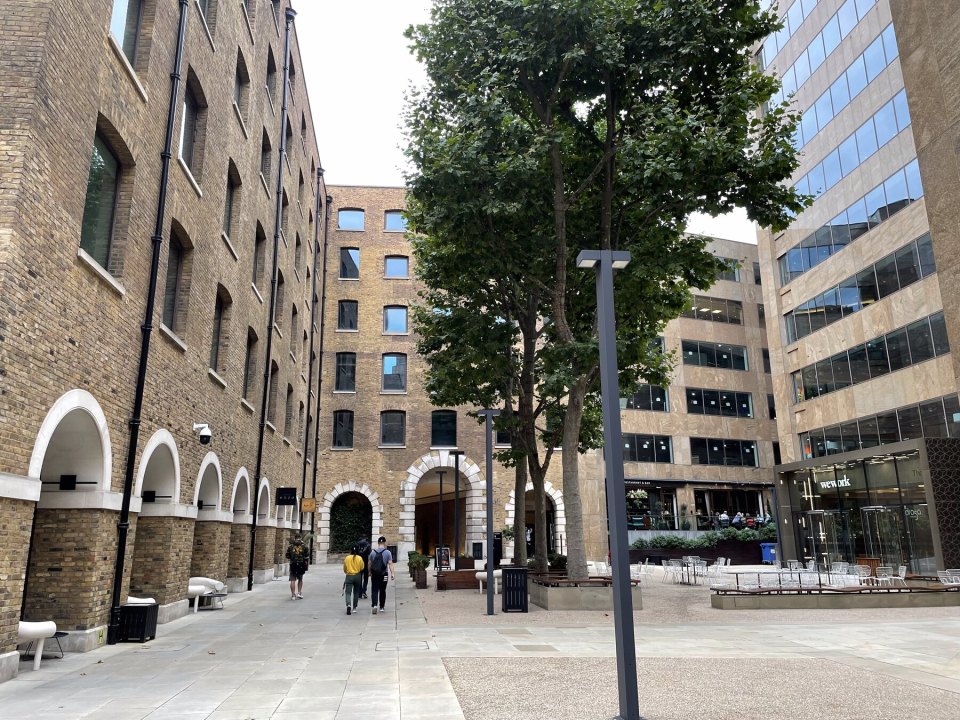
If you cannot cover the rent, the bills or the food shop, the first door is not the DWP but your local council. Since 1 April 2026 that help in England is called the Crisis and Resilience Fund, and it has replaced Discretionary Housing Payments.
What changed on 1 April 2026?
Discretionary Housing Payments no longer exist in England: the Crisis and Resilience Fund has replaced them. That is stated in the DWP factsheet on applying for a DHP, updated on 1 April 2026, which now says the factsheet applies to Wales only.
 ADV · A003We build websites for tradespeople and sole traders — £219Customers see your work and prices and message you straight away. Ready in 3 days, £219 instead of £438.Advertise here
The fund runs for three years: funding covers the period from 1 April 2026 to 31 March 2029. The money goes to councils in England as a grant, both to help people facing a financial crisis and to fund preventative support in communities.
What can you ask for help with?
GOV.UK lists four groups of essential costs: energy and water bills; food; essential items; and housing costs. It also notes that your council may offer food vouchers to families during the school holidays.
An important difference from benefits: you do not have to be getting benefits to apply. The funding is aimed at anyone who is vulnerable or cannot pay for essentials. And if you do claim benefits, a payment from the Crisis and Resilience Fund will not affect them.
How do you apply?
Through your local council. Councils decide how to run their own schemes, so there may be differences in the eligibility criteria, in whether and how you need to apply, and in who the money is given to. Some councils share the money out through local charities and community groups; some limit households to one application a year.
The practical conclusion is simple: check with your own council, because there is no single England-wide form.
 ONLYWAY NEWSLIVEHousing · 15.10Short on rent: what replaced Discretionary Housing Payments in England on 1 April 2026Money · 15.10Gaps in your National Insurance record: £18.40 a week and only six years backLife · 15.10Free UK GHIC: state healthcare in Europe and 15 working days for deliveryLife · 15.10Great British Railways HQ confirmed for Derby with 600 apprenticeship placesLaw · 15.10Subject access requests: getting your records, emails and CCTVHousing · 15.10Noise from neighbours: what the council must do and what the fines areLaw · 15.10Freedom of information requests: how to get data from a public bodyLaw · 14.10Bailiffs at the door: what they cannot do and cannot takeLife · 14.10Brain cancer: government speeds up the route from lab to patientLife · 14.10SORN explained: taking a car off the road and getting your tax backONLYWAY NEWS · appInstall the ONLYWAY NEWS appFresh UK news, classifieds, key dates and exchange rates on your home screen, one tap away. Free.NewsClassifiedsCalendarRates
What about Scotland, Wales and Northern Ireland?
Different schemes with different names. Scotland has the Scottish Welfare Fund and Wales has the Discretionary Assistance Fund. Discretionary Housing Payments survive as a separate payment in Scotland and Wales, and that is where GOV.UK points residents of those nations. The DWP publishes a separate version of the factsheet for Northern Ireland.
What other housing help is there?
Alongside the fund, GOV.UK suggests checking three things: what benefits and financial support you can get; whether you qualify for council tax support on a low income or on certain benefits; and, in Scotland and Wales, applying for a discretionary housing payment.
Housing Benefit is a separate route. You can only make a new claim for it in two cases: you have reached State Pension age, or you live in supported, sheltered or temporary housing. Otherwise housing costs are covered through Universal Credit. You usually will not get Housing Benefit if your savings are over £16,000 (unless you get Guarantee Credit of Pension Credit), if you are paying a mortgage on your own home, if you live in the home of a close relative, or if you already claim Universal Credit.
If the problem is a mortgage rather than rent, the scheme to look at is Support for Mortgage Interest.

- Life Free English with a native speaker: how Russian speakers can find a language partner
- Housing Homes in London take 84 days to sell — longest in Britain
- Life A London concert cancelled back in March is still on sale for 4 October — and the full Russian-language listings for October
- Life A hundred students walked into an Edinburgh pub? What the viral Reel really shows
- Life Moving home in the UK: who you must tell about your new address
- Tax HMRC visits: how to check an officer's identity under the rules updated on 7 October
- Life Primary school applications close on 15 January: only 85% of Inner London children get their first choice