Trading at London's Apple Market
Covent Garden's market: 40 stalls, your own handmade goods only, a six-week trial. How to get in.
Thanks for £1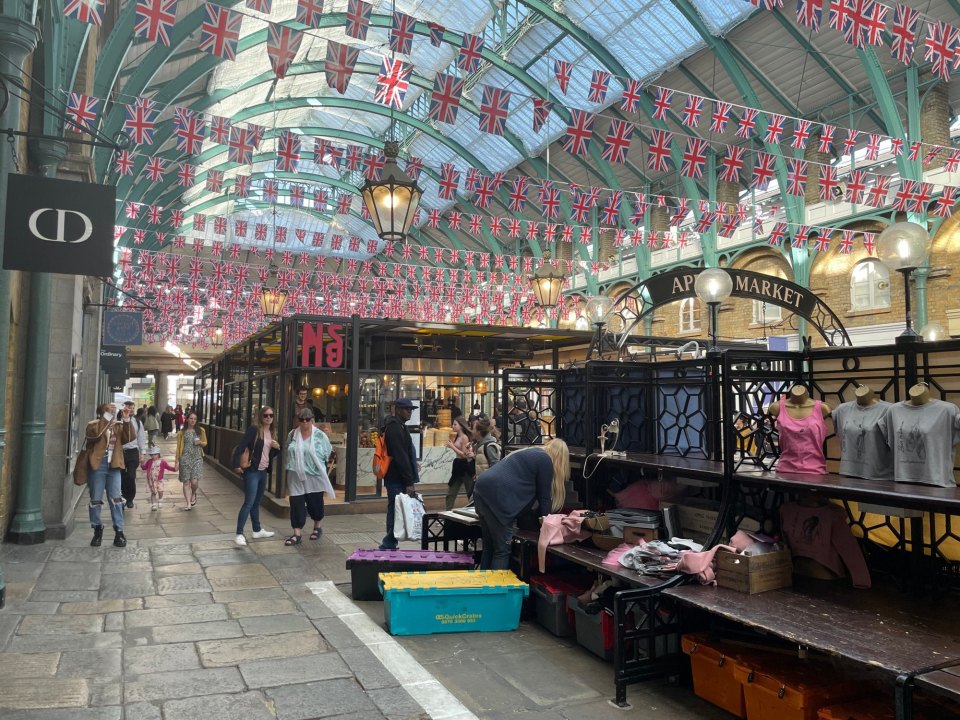
The Apple Market in the heart of Covent Garden is one of London's best-known markets, and you can trade there — under strict rules. Here are the conditions, the selection and what it costs, for a business reader thinking of starting out.
What is the Apple Market and when is it open?
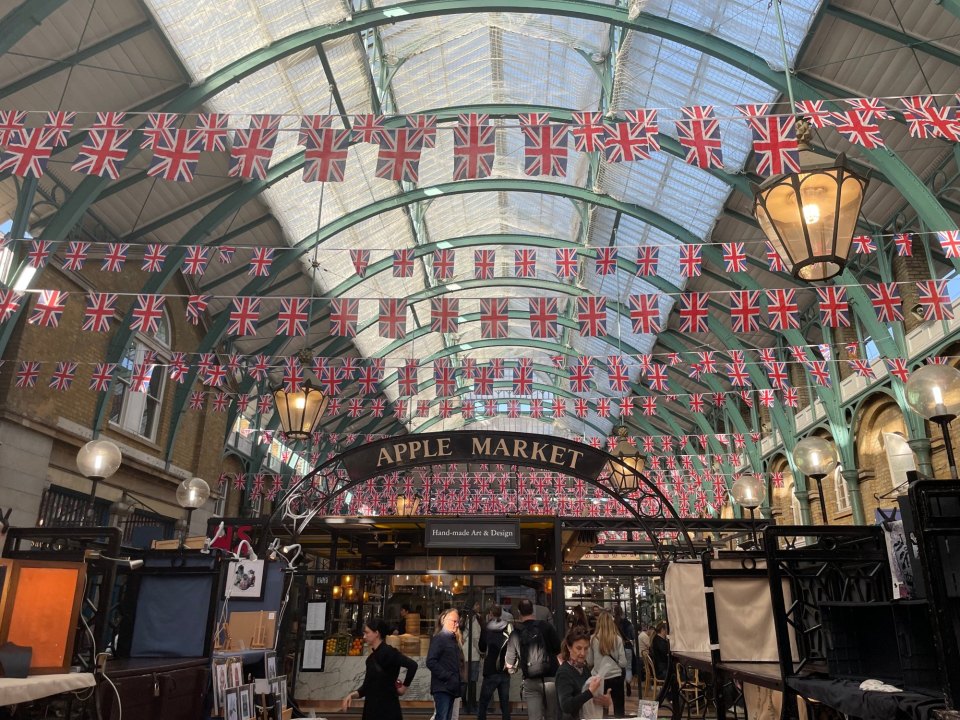
It is a covered market under Covent Garden's glass roof, with around 40 stalls. Trading here goes back to 1656, and the present building dates from 1828, making the market almost 370 years old. It is open 7 days a week: Monday to Saturday 10:00–18:00, Sunday 12:00–18:00. Mondays are for antiques and collectables; Tuesday to Sunday it is handmade work — jewellery, prints, watercolours, soap, design.
Who can trade here?
The key rule is firm: you may only sell goods produced in the UK and made by hand. The item must be made in a British workshop or studio by the creator, designer or owner, or under their personal direction. Reselling other people's goods and imports do not qualify: when you apply, you must prove the item is handmade and UK-made.
How do you get a pitch — selection and lottery?
First you apply, and the application is judged on seven criteria. Then comes a six-week trial. Throughout it a newcomer sits at the bottom of the queue for choosing the day's spot. After a successful trial they join the daily stall-allocation lottery. Newcomers are asked to trade at least two days a week, ideally Tuesday and Wednesday. If turned down, you can reapply after six months.
How much does it cost?
There is no single published tariff for a pitch: the daily stall charge is set individually by the company that runs Covent Garden, after your application and trial, not from a price list on the website. So the honest cost of entry has three parts: the daily pitch fee (agreed with the market), insurance, and the cost of your materials. Budget for insurance — without it you will not be let onto a stall.
What to arrange in advance?
You need three insurances: Public Liability, Employer's Liability and Professional Indemnity — required at application. You must also prove the goods are UK-made by your own hand. And do not forget tax: regular selling is trading, so you must register as a sole trader with HMRC.
Is it worth it for a newcomer?
Covent Garden is a West End showcase with more than 200 restaurants and bars and a constant flow of tourists — the customer is already here. For a maker it is a way to test the business in six weeks in a high-traffic spot with a low barrier: not a years-long shop lease, but a stall for a day. And you can sell your handmade work for free on our classifieds board while you save up for a Covent Garden pitch.
Thanks for £1If this information was useful and came in time, press the heart. Payment goes through PayPal, with nothing to choose and nothing to fill in, and it pays for the newsroom.

- Life Nemnogo Nervno’s Kateryna Gopenko plays London on 20 November
- Tax Self Assessment: 31 Jan deadline
- Money Do marketplace warehouses give goods away free? The truth about unclaimed parcels
- Life Russian-speaking doctors and clinics in London: eight addresses checked against the registers
- Books Book at bedtime: Pride and Prejudice and the price of a good match
- Immigration UK Standard Visitor Visa in 2026: Rules, Fees and Duration
- Jobs & Business Post Your Ad Free