Trading in the street: the licence
Selling in the street or running a stall needs a licence. How to get one and the penalty if you don't.
Thanks for £1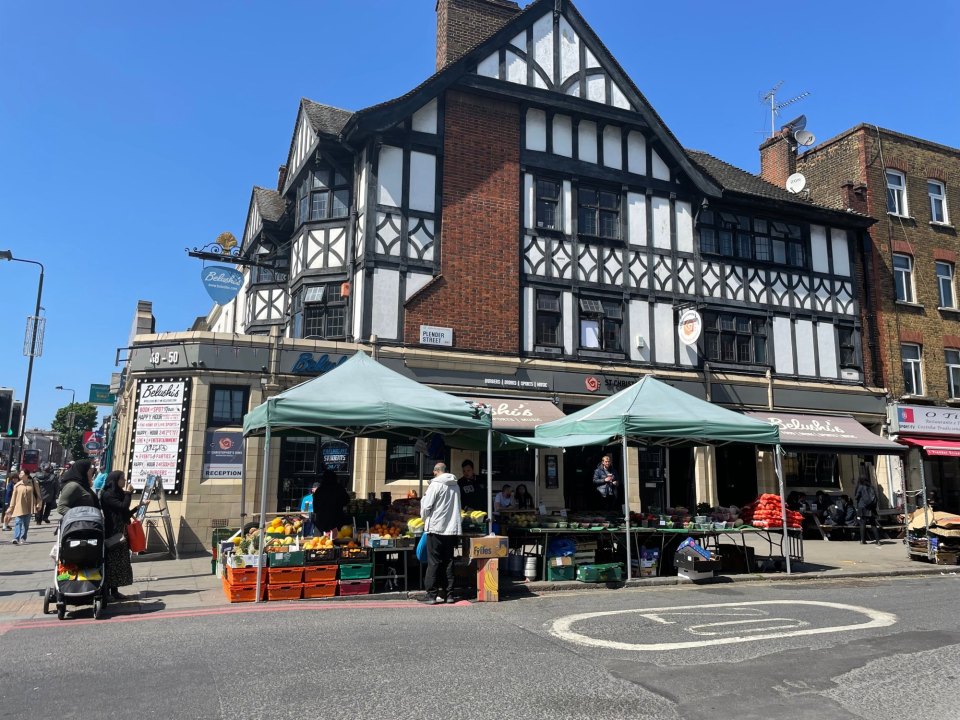
Setting up a food stall, selling flowers from a cart or taking a pitch at a market all need permission in Britain. The rules are simple, but trading without a licence risks a fine and having your goods seized. Here is who needs which licence, based on the official GOV.UK pages, updated on 2 November 2026.
Do you need a licence to trade in the street?
Most likely, yes. To trade in the street in England and Wales you usually need a street trading licence. It is issued by the local council for the area where you want to trade. Whether you personally need one is answered by that council, so they are the first contact.
 ONLYWAY NEWSLIVEJobs & Business · 24.11Trading in the street: the licenceHousing · 24.11Your rental deposit: the rulesLaw · 24.11Probate: the £526 feeLaw · 24.11Witness expenses at courtLaw · 24.11Court fees: who pays lessMoney · 24.11Wage deductions for a court debtMarkets · 24.11Petrol 159.8p, diesel 191.6pImmigration · 24.11NRPF: no access to benefitsMoney · 24.11Help with prison visitsImmigration · 24.11Right to reside: who has itONLYWAY NEWS · appInstall the ONLYWAY NEWS appFresh UK news, classifieds, key dates and exchange rates on your home screen, one tap away. Free.NewsClassifiedsCalendarRates
Who issues it and how do you apply?
You apply to the council for the area where you want to trade, telling them where and when you plan to work. The council can refuse, grant fewer days and times than you asked for, or put you on a waiting list. Find your council by postcode through the GOV.UK licence finder.
How is a market stall licence different?
To run a market stall you need a market stall licence — temporary ("casual") or permanent — also from the local council. A permanent one usually goes to traders who have worked as casual traders first, and gives a fixed pitch. A casual licence may not give a set spot. The licence has to be renewed, and how long it lasts depends on the council.
Are there any exemptions?
GOV.UK names one: you might not need a street trading licence if you hold a pedlar's certificate (for selling door to door while moving from place to place). Even then, check with the council whether the exemption applies to you.
What does it cost and what is required?
The pages do not state a fee — the council sets it, and it varies by area. You might be asked to provide two photographs of yourself and to pay a fee. A stall comes with conditions: when you can trade, exactly where, and the size of the pitch. Some councils ask to see your licence before allocating a spot.
What happens if you trade without a licence?
Trading in the street without a licence can mean a fine of up to £1,000. The same applies to breaching licence conditions, and the licence can be suspended or withdrawn. For market trading without a licence, GOV.UK warns of prosecution for trading illegally: goods can be seized and you can be fined.
The takeaway: before you set out your goods, contact the right council, confirm the licence type and the fee — it is cheaper than a fine and lost stock.
Thanks for £1If this information was useful and came in time, press the heart. Payment goes through PayPal, with nothing to choose and nothing to fill in, and it pays for the newsroom.
Check whether an employer can sponsor a work visa →
Search the Home Office register on our own site: whether the company holds a sponsor licence, and for which routes.


- Life Nemnogo Nervno’s Kateryna Gopenko plays London on 20 November
- Tax Self Assessment: 31 Jan deadline
- Money Do marketplace warehouses give goods away free? The truth about unclaimed parcels
- Life Russian-speaking doctors and clinics in London: eight addresses checked against the registers
- Books Book at bedtime: Pride and Prejudice and the price of a good match
- Immigration UK Standard Visitor Visa in 2026: Rules, Fees and Duration
- Jobs & Business Post Your Ad Free