NHS Low Income Scheme: HC2 and HC3 certificates, the £16,000 limit and the 3-month refund window
The scheme covers prescriptions, dental care, eyecare, hospital travel and wigs — and reaches people refused a means-tested benefit, because council tax and housing costs count.
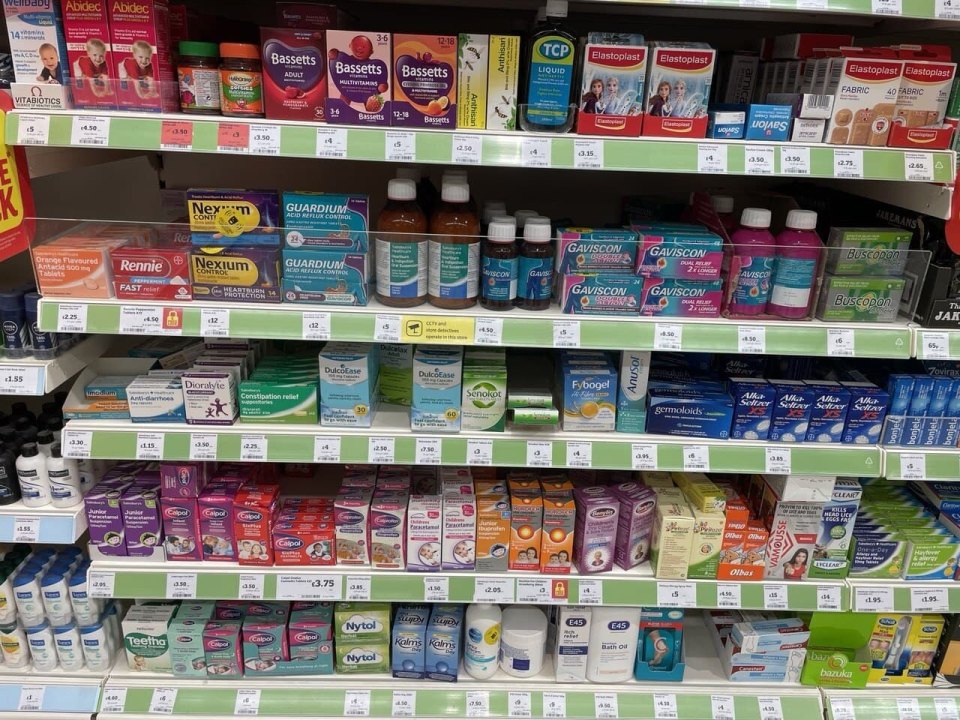
The NHS Low Income Scheme (LIS) helps people on a low income with NHS costs, including many whose income is too high for a means-tested benefit. It covers prescriptions, dental care, eyecare, travel to hospital, and wigs and fabric supports. Any help you get also applies to your partner and any dependent young people.
Which costs does the Low Income Scheme cover?
Five: prescription charges, NHS dental costs, eyecare (sight tests, glasses, contact lenses), healthcare travel costs, and wigs and fabric supports. Help comes as either full help — an HC2 certificate — or partial help, an HC3 certificate. An HC3 states exactly how much you still have to pay towards your health costs.
 ADV · A001ONLYWAY JEWELRY — gold, silver and platinumRings, chains, bracelets, earrings and pendants. Delivery across the UK.Advertise here
You get full help if your weekly income is less than or equal to your weekly requirements — a personal allowance covering day-to-day living and housing costs — or exceeds them by no more than half the current NHS prescription charge. If your income is above your requirements, partial help may still apply.
Who can apply?
Anyone whose savings, investments and property — not counting the home you live in — stay under the capital limit. In England that limit is £16,000 for most people and £23,250 for anyone living permanently in a care home.
The income rules are broadly those of a means-tested benefit, with one important difference: the assessment also takes council tax and housing costs into account. That is why you can get help with health costs even when your income is too high for a means-tested benefit — and the reason the scheme is worth checking even after a benefit claim has been refused.
You do not need to apply at all if you or your partner get income-related Employment and Support Allowance, Pension Credit Guarantee Credit, or Universal Credit and meet its criteria. Those already entitle you to full help with health costs.
How do you apply, and how long does a certificate last?
Two routes: online or by post. The NHS Business Services Authority website sets out who can apply online and hosts the form. To apply by post you complete form HC1, which you can order online, download and print yourself, or pick up from a local Jobcentre Plus office or NHS hospital — a doctor, dentist or optician may also have one.
 ONLYWAY NEWSLIVEMoney · 14.10Help with funeral costs: up to £1,000 on top of the cremation, and £300 for a child’s coffinLife · 14.10What is Winnie-the-Pooh worth?Life · 14.10NHS Low Income Scheme: HC2 and HC3 certificates, the £16,000 limit and the 3-month refund windowMoney · 14.10Who could access your energy data?Money · 14.10Car finance payouts face February court hearingJobs & Business · 14.10New Style JSA in 2026: £95.55 a week, 182 days and the Jobcentre interviewMoney · 14.10CMA fines three firms £6m over fake deadlines and pre-ticked boxesMoney · 14.10Energy bills: 40% still struggle to pay — what households can doHousing · 14.10Mortgage lending at 4.5 times income: lenders gain flexibility from 28 OctoberMoney · 14.10PIP: £76.70 or £114.60 a week and who can claim itONLYWAY NEWS · appInstall the ONLYWAY NEWS appFresh UK news, classifieds, key dates and exchange rates on your home screen, one tap away. Free.NewsClassifiedsCalendarRates
Certificates are usually valid for 6 months to 5 years, depending on your circumstances. The LIS helpline is 0300 330 1343, open Monday to Friday 8am to 6pm and Saturday 9am to 3pm.
Can you claim back money you have already paid?
Yes, and you submit the refund claim at the same time as the LIS application. The deadline is strict: claims must arrive within 3 months of the date you paid, or within 3 months of your sight test.
To reclaim a prescription charge you need an NHS receipt and form FP57, which is only issued at the moment you pay — it cannot be obtained later. So if you pay for a prescription and think you might be entitled, ask for the FP57 at the counter. Other refunds use the HC5 forms: HC5(D) for dental charges, HC5(O) for optical costs, HC5(T) for travel, HC5(W) for wigs and fabric supports. All four download from the NHSBSA website.
How does the hospital travel refund work?
That is a separate scheme, the Healthcare Travel Costs Scheme (HTCS), and meeting the LIS criteria opens the door to it. Three conditions must all hold. First, at the time of the appointment you or your partner receive a qualifying benefit or meet the Low Income Scheme criteria. Second, you have a referral from a doctor, dentist or other primary care professional to a specialist or hospital for further NHS treatment or tests. Third, the appointment is a separate visit from the one where the referral was made — even if it is in the same building.
You can claim travel for your children if you qualify under the first condition and the child is referred under the second and third. From 16, a young person can claim under the Low Income Scheme in their own right. An escort’s travel is covered if a healthcare professional says it is medically necessary, and the payment rests on the patient’s eligibility, not the escort’s. You cannot claim for visiting someone in hospital, for routine GP or dentist check-ups, vaccinations or cervical screening, or for out-of-hours urgent primary care — weekdays 6.30pm to 8pm, weekends and bank holidays.
What happens if you claim an exemption you are not entitled to?
The NHS runs regular checks on treatment and prescriptions that were not paid for. Anyone found to have wrongly claimed an exemption must pay the charge due and may face a penalty charge of up to £100, and prosecution leading to a criminal recordremains possible. The NHS advice is plain: if you are not sure of your entitlement, pay the charge first and claim a refund once you are sure.
A decision on an LIS claim can be challenged by asking a service improvement adviser for a review. The team checks whether it was assessed correctly under the scheme’s regulations, and sends a new certificate if the decision was wrong. Requests go in online through the NHSBSA, or by post to NHSBSA, LIS Review Team, Help with Health Costs, Bridge House, 152 Pilgrim Street, Newcastle upon Tyne, NE1 6SN.

- Money UK sanctions Cryptomus, Heleket and VexPay: what it means for money transfers
- Life Free English with a native speaker: how Russian speakers can find a language partner
- Housing Homes in London take 84 days to sell — longest in Britain
- Law Courts in England and Wales must now record domestic abuse in the sentence: what changed on 5 October
- Life A London concert cancelled back in March is still on sale for 4 October — and the full Russian-language listings for October
- Life Moving home in the UK: who you must tell about your new address
- Tax HMRC visits: how to check an officer's identity under the rules updated on 7 October