Your bill went up mid-contract: when you can walk away without a penalty
Since 17 January 2025 a price rise must be set out in pounds and pence up front. If the provider breaks that rule, you have 30 days to leave with no exit fee.
Thanks for £1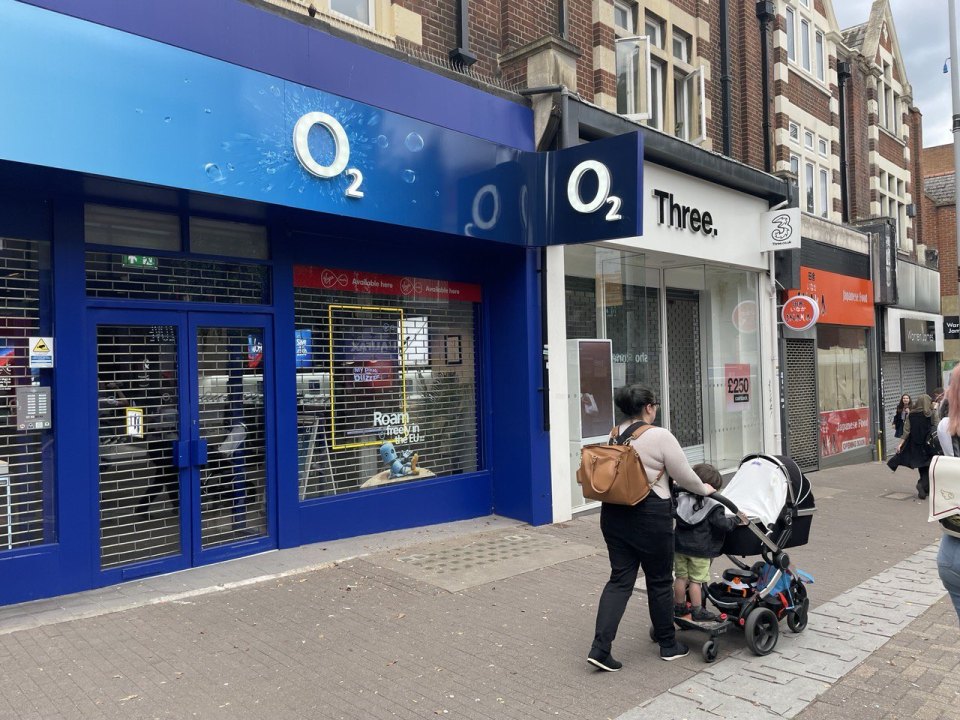
Your broadband or mobile bill in Britain can go up in the middle of a contract — that is lawful. But since 17 January 2025 the new figure has to be set out in advance, in pounds and pence, not as a percentage and not as "inflation plus". If your provider breaks that rule, you get 30 days to leave without paying an exit fee.
What exactly was banned?
Ofcom banned providers from putting inflation-linked or percentage-based price rise terms into new contracts. The regulator announced it on 19 July 2024, and it applies to all new contracts from 17 January 2025. It covers phone, broadband and pay TV.
 ADV · A003We build websites for tradespeople and sole traders — £219Customers see your work and prices and message you straight away. Ready in 3 days, £219 instead of £438.Advertise here
Before that, the standard wording was something like "inflation plus 3.9%", applied each March or April. Ofcom found that in April 2024 around six in ten broadband and mobile customers were on contracts with inflation-linked rises.
The problem was never the rise itself but that nobody could do the arithmetic at the point of sale. Ofcom's research found 55% of broadband customers and 58% of pay-monthly mobile customers did not know what CPI and RPI measure, and only 16% and 12% respectively both knew a rise was coming and could identify it as inflation plus a percentage.
What must the term look like now?
Any specified rise must be shown in pounds and pence, prominently and transparently, and the contract must say when the change takes effect. The regulator's own illustration: £30.00 a month, rising to £31.50 on 1 April 2025 and to £33.00 on 1 April 2026.
One important caveat: contracts signed before 17 January 2025 may still carry inflation-linked terms. The ban did not rewrite old agreements — it applies to new ones.
When can you leave without a penalty?
If your contract does not set out how much the price can rise, or the provider raises it by more than the contract states, it must give you at least 30 days' notice before the increase takes effect.
 ADV · A001ONLYWAY JEWELRY — gold, silver and platinumRings, chains, bracelets, earrings and pendants. Delivery across the UK.Advertise here
From that notice you have 30 days to go. In that window you can move to a different deal with the same provider or switch provider altogether, and no early-exit fee applies.
If the rise was stated in pounds and pence when you signed, it is a rise your contract provides for, and no free exit arises from it.
What is a social tariff, and who qualifies?
It is the same connection as a normal package, just cheaper, for people on certain benefits. Universal Credit is accepted by every provider on Ofcom's list; Pension Credit, Employment and Support Allowance, Jobseeker's Allowance and Income Support are accepted by all the major ones. Personal Independence Payment and Attendance Allowance are accepted by some. The person claiming the benefit must be the main name on the contract.
Prices on Ofcom's list currently run from £10 to £24 a month. For scale: O2 Essential Plan and VOXI For Now are £10, Hyperoptic Fair Fibre Fast and EE Basics £12, Virgin Media Essential Broadband and Community Fibre Essential £12.50, Vodafone Fibre 2 Essentials and NOW Broadband Basics £20, and Sky Full Fibre 75 £24.
The key point if you are already tied in: where your own provider offers a social tariff, you can move onto it at any time, free of charge. The price is then fixed for the contract, and there is no fee for leaving that tariff early either. If your provider does not offer one, switching to a provider that does may carry a penalty — though your provider might waive it.
What should you do when the letter arrives?
Start with your own contract: find the price-rise clause and check whether it names a figure in pounds and pence, and whether that matches what you are being charged. If the contract is silent, or the provider has gone further than it says, count 30 days from the notice and decide whether to move.
Different rules apply to small businesses and not-for-profits: the provider must still show the main monthly price in pounds and pence before signing, but has more flexibility on the rest of the terms.
Thanks for £1If this information was useful and came in time, press the heart. Payment goes through PayPal, with nothing to choose and nothing to fill in, and it pays for the newsroom.


- Travel Jubilee line part suspended to Stanmore after fire alert
- Travel London Tube and TfL closures in October 2026: the Piccadilly line stops entirely at Halloween, and no Tube to Heathrow on 17–18 October
- Life A London concert cancelled back in March is still on sale for 4 October — and the full Russian-language listings for October
- Life A hundred students walked into an Edinburgh pub? What the viral Reel really shows
- Tax HMRC visits: how to check an officer's identity under the rules updated on 7 October
- Life Russian-language events in London: verified dates to December 2026
- Travel Elizabeth line shut to Heathrow, severe delays on Victoria