Health in Britain: how to register with a doctor, what is free on the NHS and free medicines
How to register with a GP, what the NHS gives everyone for free, and who does not pay for medicines. With links to official NHS services.
Thanks for £1
The NHS is free at the point of use for people who live here. The hard part is not the money but knowing where to go and what you are entitled to. Here it is, step by step.
How to register with a GP
Your first point of contact is a GP — a family doctor. Registering is free, and under NHS rules you do not need ID, proof of address or proof of immigration status — anyone can register, including new arrivals. Find your nearest surgery by postcode with the NHS “Find a GP” service and apply online, in the NHS App or on paper at the surgery. Confirmation usually arrives within a few days.
 ONLYWAY NEWSLIVEHousing · 18.10Shared ownership in England: a 10% to 75% share, rent on the rest and the charges nobody mentionsLife · 18.10Use by and best before: which date you cannot breakLife · 18.10Dog owners in the UK: chip by 8 weeks, £500 fineJobs & Business · 18.10Probation periods in the UK: what they do not suspendTravel · 18.10UK personal allowances: what you can bring inLife · 18.10NHS prescriptions: £9.90 an item and how to pay lessTravel · 18.10Driving abroad: UK stickers, a £5.50 permit and what to packTravel · 18.10Taking a pet to the EU: a 10-day certificate and a 21-day waitMoney · 18.10Gold in 2026: £3,138 an ounce, 23% below the January peak, and why a bar is not an accountMoney · 18.10UK trade marks: £205 a class, three months, and two months to opposeONLYWAY NEWS · appInstall the ONLYWAY NEWS appFresh UK news, classifieds, key dates and exchange rates on your home screen, one tap away. Free.NewsClassifiedsCalendarRates
What is free for everyone
Regardless of status, these are free: seeing a GP or nurse, advice by phone and online through NHS 111, A&E and calling an ambulance on 999, emergency treatment, and maternity care. Planned hospital treatment for people who are not considered ordinarily resident (“overseas visitors”) can be charged for — worth checking in advance.
Medicines: where free, where charged
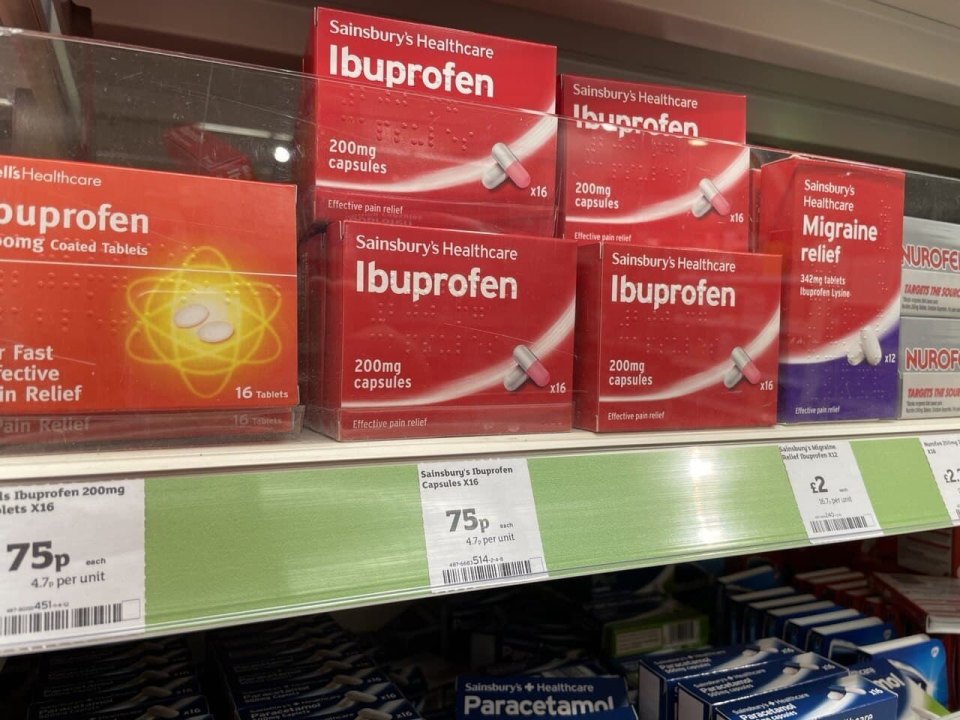
In Scotland, Wales and Northern Ireland prescriptions are free. In England it is £9.90 per item (the charge is frozen for 2026/27). But many people in England pay nothing. It is free if you are:
— under 16, or 16–18 in full-time education; or aged 60 or over;
— pregnant or have had a baby in the last 12 months (a MatEx certificate);
— living with one of the long-term conditions on the NHS list (a MedEx certificate);
 ADV · A001ONLYWAY JEWELRY — gold, silver and platinumRings, chains, bracelets, earrings and pendants. Delivery across the UK.Advertise here
— on certain benefits (Universal Credit within the income rules, Income Support and others) or covered by the NHS Low Income Scheme (an HC2 certificate).
If you often need medicines but have no exemption, a prepayment certificate (PPC) pays off: £32.05 for three months or £114.50 for a year (worth it from about 11 items a year).
Where to look
— a GP, dentist, pharmacy or A&E near you — through the search on the NHS website;
— an urgent but non-emergency problem — NHS 111 (call or online);
— a life-threatening emergency — 999.
This is a reference, not medical advice: the rules differ across England, Scotland, Wales and Northern Ireland, and you should check the list of exemptions and conditions on the NHS site for your nation.
Thanks for £1If this information was useful and came in time, press the heart. Payment goes through PayPal, with nothing to choose and nothing to fill in, and it pays for the newsroom.
- Travel Jubilee line part suspended to Stanmore after fire alert
- Life A London concert cancelled back in March is still on sale for 4 October — and the full Russian-language listings for October
- Travel London Tube and TfL closures in October 2026: the Piccadilly line stops entirely at Halloween, and no Tube to Heathrow on 17–18 October
- Life Free English with a native speaker: how Russian speakers can find a language partner
- Life A hundred students walked into an Edinburgh pub? What the viral Reel really shows
- Life Russian-language events in London: verified dates to December 2026
- Money UK food prices: the basket, the pint and the fish supper