NHS dentist costs in England in 2026: £27.90 for a check-up, £332.10 for a crown — and how to get an appointment
NHS dental charges do not depend on how many procedures you have: there are three bands — £27.90, £76.60 and £332.10 — and you pay only for the highest one. What each band covers, why you cannot register with a dentist, who to call in pain, who is treated free, and the tick-box that brings a £100 penalty.
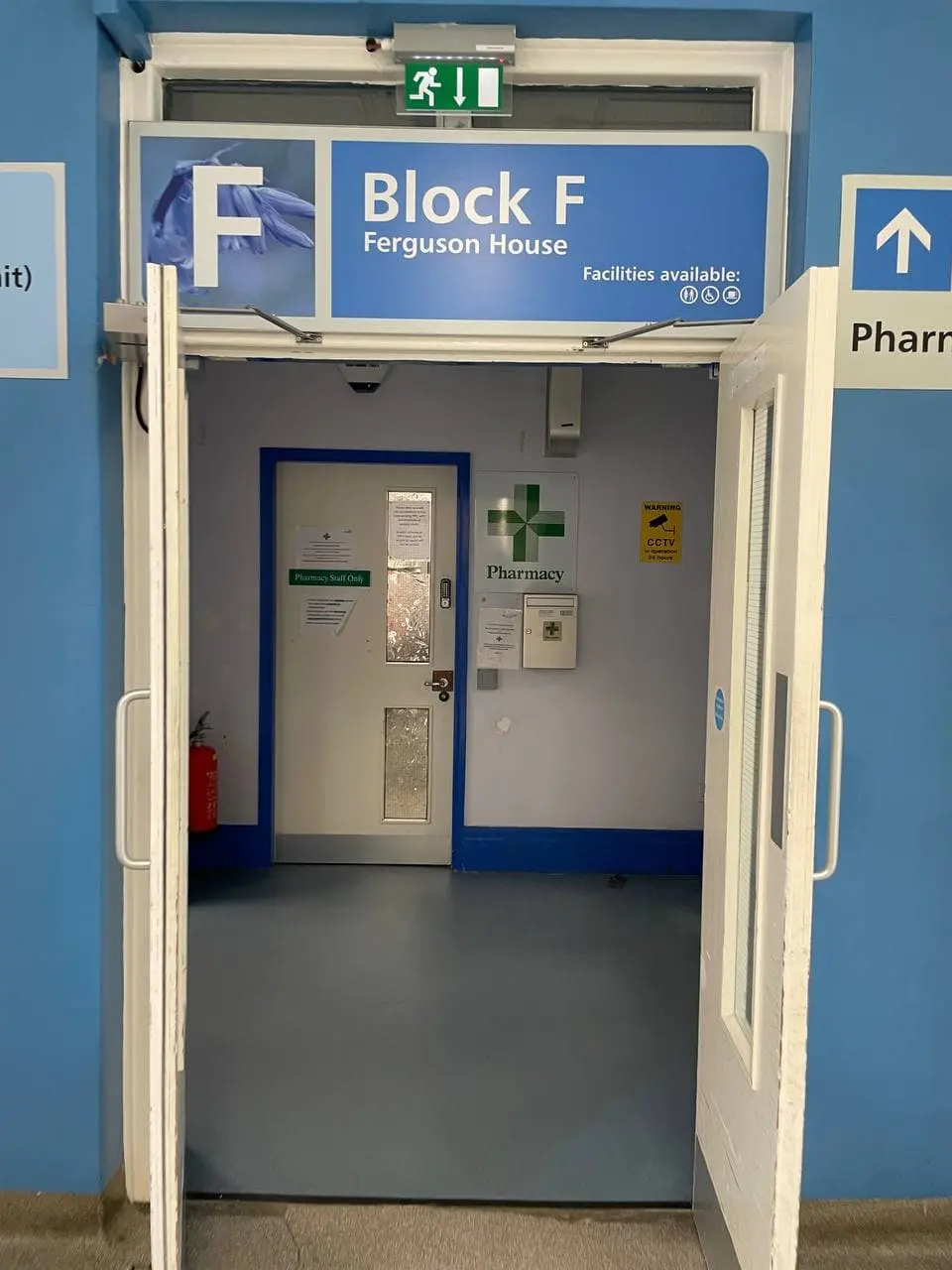
Dentistry is the one part of the NHS that almost every adult pays for. But you do not pay per procedure: in England the price is fixed and depends only on which of three bands your treatment falls into. Here is what it costs in 2026, how to find a dentist where waiting lists run for years, and who is treated for free.
What NHS dental treatment costs in England
There are three price bands, plus a separate urgent rate:
 ONLYWAY NEWSLIVEMarkets · 12.10Trivial benefits: when a gift of up to £50 to an employee is tax-freeLife · 11.10British Museum for free: £0 entry, 65 audio introductions and the current language listLife · 11.10Learn English free with the British Council: a level test, 10,000 exercises and speaking practiceLife · 11.10UK Student visa funds: what to show now and from 30 November 2026Life · 11.10Peak District at 75: ten free walks and a car-free budget tripLife · 11.10Russian-language events in London: verified dates to December 2026Life · 11.10London Bonfire Night 2026: confirmed fireworks, prices and timesLife · 11.10See London from above for free: four viewpoints and their entry rulesLife · 11.10Where to find a free toilet in London: Tube, stations and official mapsLife · 10.10UK cinema tickets: prices, audiences and who can watch for freeONLYWAY NEWS · appInstall the ONLYWAY NEWS appFresh UK news, classifieds, key dates and exchange rates on your home screen, one tap away. Free.NewsClassifiedsCalendarRates
— Band 1 — £27.90. Examination, diagnosis and advice, X-rays, scale and polish if clinically needed, fluoride treatment.
— Band 2 — £76.60. Everything in Band 1 plus fillings, root canal treatment, extractions, treatment of gum disease.
— Band 3 — £332.10. Everything in Bands 1 and 2 plus crowns, bridges, dentures and orthodontic treatment such as braces.
— Urgent treatment — £27.90. An emergency appointment: examination, temporary filling, emergency root canal work, removal of up to two teeth.
These charges apply in England. Scotland, Wales and Northern Ireland run their own systems and their own exemptions.
The key rule: you pay once, for the highest band
If one course of treatment includes items from different bands, you pay for the highest band only. Three fillings and a check-up is £76.60 — not £27.90 plus three times £76.60. A check-up, a filling and a crown is £332.10, full stop.
Several items within the same band are also charged once. That is the fundamental difference from private dentistry, where the bill is built up item by item.
When you do not pay a second time
If you need further treatment within two months at the same or a lower band, there is no extra charge. A filling that fails three weeks after it was placed is redone free.
 ADV · A003We build websites for tradespeople and sole traders — £219Customers see your work and prices and message you straight away. Ready in 3 days, £219 instead of £438.Advertise here
After two months, or if you need a higher band, it counts as a new course of treatment and a new charge.
Finding an NHS dentist: there is no such thing as registering
A common misunderstanding is that you must register with a dentist the way you register with a GP. You do not. NHS dentistry has no registration — you can approach any practice that is taking NHS patients.
Use the official NHS search at nhs.uk/service-search/find-a-dentist. A practice may ask you to fill in a form at your first visit, but that does not guarantee you NHS care there next time.
The real problem is supply: few practices are currently taking on new NHS patients, and you may be put on a waiting list. If nobody in your area is taking patients, contact your ICB (integrated care board) — it commissions dental services locally and can tell you where appointments are available.
What to do if you are in pain right now
Call 111 or use 111 online, and you will be directed to an urgent dental service. An urgent appointment costs £27.90, with the same exemptions as ordinary treatment.
Reasons to seek urgent care: a knocked-out or injured tooth, severe pain that painkillers do not touch, swelling or a lump in the mouth that is growing, a mouth ulcer lasting more than two weeks, bleeding or severe pain after an extraction, a broken or loose crown or denture.
A knocked-out adult tooth is a matter of minutes: you need treatment within an hour.
Go to A&E or call 999 for serious injuries to the face or jaw, bleeding that will not stop, swelling in the throat that affects breathing or swallowing, or a head injury with loss of consciousness or vision problems.
While you wait, a pharmacist can advise on painkillers — free and without an appointment.
Who gets free treatment
NHS dental treatment is free if, when the treatment starts, you are:
— under 18, or 18 and in full-time education (the NHS wording is "under 19 and in full-time education");
— pregnant, or have had a baby in the previous 12 months;
— receiving Pension Credit Guarantee Credit;
— receiving Income Support, income-based Jobseeker's Allowance or income-related Employment and Support Allowance;
— holding an HC2 certificate for full help with health costs, or an NHS tax credit exemption certificate;
— receiving Universal Credit and, in your last complete assessment period, had take-home earnings of £435 or less — or £935 or less if the award included a child element or an element for limited capability for work (LCW/LCWRA).
Universal Credit is where people come unstuck: the benefit alone does not entitle you to anything. What matters is your earnings in that specific assessment period — you may qualify one month and not the next.
An HC3 certificate gives partial help: it states the amount you must pay yourself, and the NHS covers the rest.
NHS Low Income Scheme: no exemption, and no money either
If you fall into none of the categories but cannot afford treatment, there is the NHS Low Income Scheme. You apply on form HC1, and are issued either an HC2 (full help) or an HC3 (partial help).
There is a savings limit: no help if you hold capital above £16,000 (£23,250 if you live permanently in a care home). The certificate covers more than teeth — prescriptions, glasses and travel to treatment as well.
A penalty of up to £100 for one wrong tick
When you start treatment you sign a form declaring the ground for your exemption. If the ground was not there, you get a penalty charge: five times what you should have paid, capped at £100, plus the charge itself.
The patient is responsible even if a receptionist ticked the box. So check what has been declared before you sign, and keep the evidence: your Universal Credit award notice for the right period, a MatB1 or birth certificate, the HC2 certificate itself.
NHS or private: how not to get caught out
The same practice often works both NHS and privately, and which one you get is decided in the chair. Ask directly before treatment starts whether it is NHS or private, and you should be given a written treatment plan showing the band and the cost.
Purely cosmetic work — whitening, veneers for appearance — is not available on the NHS at all. The NHS covers what is clinically necessary for oral health, and materials are chosen on clinical grounds rather than preference.
One last thing: a check-up every six months is not a rule. Dentists set an interval of 3 to 24 months depending on the state of your teeth, and once every year or two is normal for a healthy adult. Each of those check-ups is another £27.90.
- How much NHS dental treatment costs — NHS
- How to find an NHS dentist — NHS
- How to find a dentist in an emergency or out of hours — NHS
- Free NHS dental treatment — NHS Business Services Authority
- Help with health costs (HC11), April 2026 — NHS Business Services Authority
- NHS Low Income Scheme — NHS Business Services Authority



- Money UK sanctions Cryptomus, Heleket and VexPay: what it means for money transfers
- Life Free English with a native speaker: how Russian speakers can find a language partner
- Life A London concert cancelled back in March is still on sale for 4 October — and the full Russian-language listings for October
- Law A jury summons has arrived: what to do, how long it lasts and what it pays
- Housing Hosepipe bans in England: ten companies, 30 million people, six reservoirs exceptionally low
- Travel Piccadilly line part closed to Cockfosters as Elizabeth line recovers
- Law Court and tribunal interpreters: who gets one free and what changed on 5 October 2026