Smoke and carbon monoxide alarms: a landlord's duties
At least one smoke alarm per storey, a CO alarm by fuel-burning appliances and a fine of up to £5,000 per breach. What the law in England requires, per GOV.UK.
Thanks for £1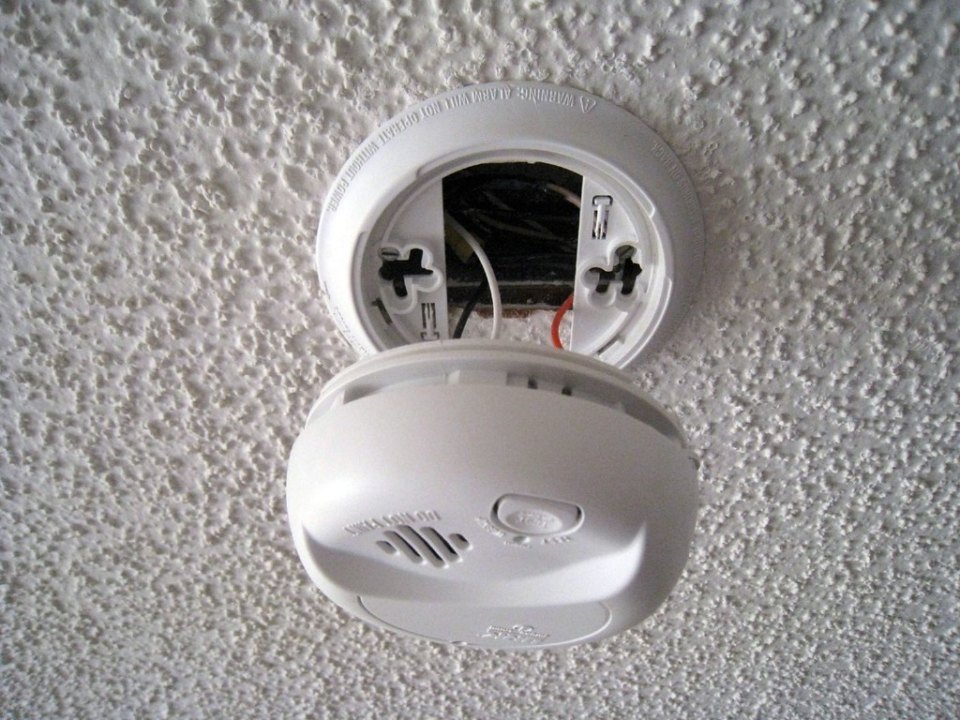
A smoke alarm and a carbon monoxide alarm in rented housing are not a nicety but a landlord's legal duty. Since 1 October 2022, tougher rules have applied in England (the amended Smoke and Carbon Monoxide Alarm Regulations). Here is what they require, according to the official GOV.UK guidance.
How many alarms, and where?
Landlords must fit at least one smoke alarm on every storey that has a room used as living accommodation. A carbon monoxide alarm is required in any room used as living accommodation that contains a fixed combustion appliance — for example a gas boiler, an open fire or a wood burner. Gas cookers are excluded. A mezzanine floor does not count as a storey.
Who repairs a faulty alarm?
The landlord must repair or replace a smoke or carbon monoxide alarm once informed it is faulty and the fault is confirmed. Tenants are advised to test the alarm and, if needed, change the battery first; if it still fails, or they cannot change the battery, they should report it to the landlord.
What is the penalty for breaking the rules?
The rules are enforced by the local housing authority (the council). If a landlord is in breach, the council can serve a remedial notice, and the landlord must take all reasonable steps to comply. Failing to comply can bring a fine of up to £5,000. Importantly, fines are applied per breach, not per landlord or property. A landlord can appeal a penalty charge to the First-tier Tribunal.
Why does the carbon monoxide alarm matter so much?
Carbon monoxide cannot be seen or smelled, and poisoning by it can be fatal. According to the NHS, early signs resemble flu without a high temperature: headache, nausea, dizziness and tiredness. If the alarm sounds, or you feel unwell in a way that eases when you leave the house, get fresh air, leave the property and seek help.
Which homes are covered?
The requirements apply to private and social rented housing in England. Tenants are advised to test the alarms regularly with the test button and not to remove them or take out the batteries. If you have just moved in, check on the first day that the alarms are present and sound, and report any fault to the landlord straight away.
In short: at least one smoke alarm per storey, a carbon monoxide alarm by every fuel-burning appliance (except a gas cooker), prompt repairs on a report — and up to £5,000 for each remedial notice ignored.
Thanks for £1If this information was useful and came in time, press the heart. Payment goes through PayPal, with nothing to choose and nothing to fill in, and it pays for the newsroom.


- Jobs & Business Post Your Ad Free
- Travel Next-generation airport scanners in Britain: what changes and what can be searched
- Life Russian-speaking doctors and clinics in London: eight addresses checked against the registers
- Life Russian-language events in London: verified dates to December 2026
- Life Where to buy the food you grew up with in London: Russian, Ukrainian, Polish and Baltic shops
- Housing UK rents hit £1,400 a month, £2,332 in London — £79 a month more than a year ago
- Travel Peak and off-peak fares in London 2026: when travel is cheaper