Statues: who makes and cleans
A bronze statue costs from £100,000. They are washed and waxed yearly — and you can earn from that.
Thanks for £1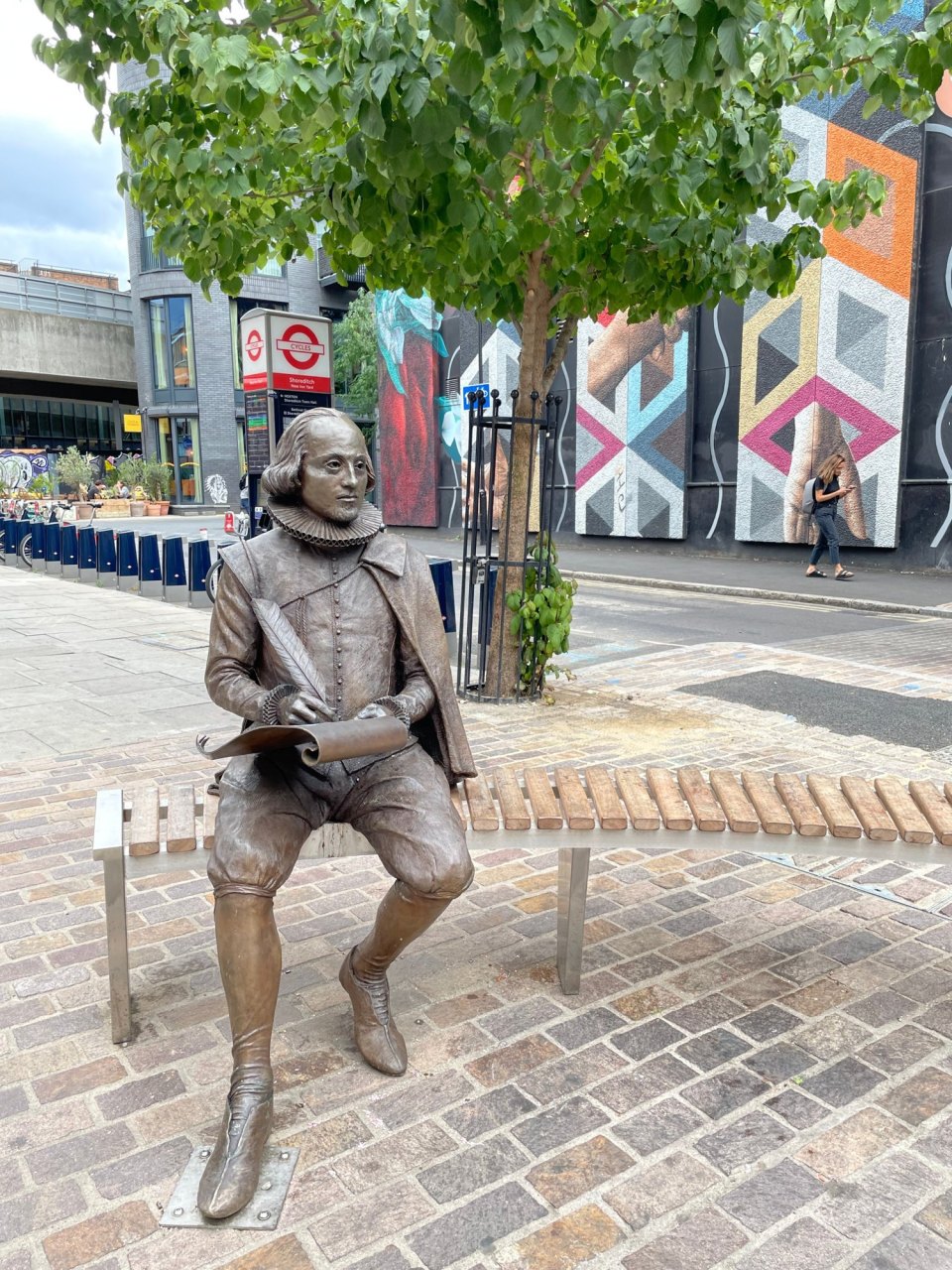
A bronze Shakespeare sits on a bench in Shoreditch, near where one of the first Elizabethan theatres stood. Behind every such monument there is money: someone cast it, someone installed it, and someone cleans it regularly. Here it is in business terms: who makes monuments, who installs them, what it costs, and whether you can really earn from cleaning them — all with numbers.
Who makes the monuments?
A monument is born from a pair: a sculptor plus a foundry. The sculptor models the figure, and the bronze is cast by specialist foundries using the lost-wax method — costly and slow. Britain's biggest foundries are Morris Singer, Pangolin Editions and Castle Fine Arts Foundry. A large life-size bronze needs tonnes of metal, months of work and several stages: model, mould, casting, assembly, patina.
Who installs them, and what do they cost?
Monuments are commissioned by councils, charities, campaigns and trusts, and the money is often raised by donations and sponsors. You cannot just put one up on the street: you need planning permission and the landowner's consent. The price bites: a public bronze statue usually costs from £100,000 to £300,000, and landmark projects in central London run to £500,000 and above. On top come the plinth, delivery, installation and approvals.
Can you earn from cleaning monuments?
Yes, the market is real. Bronze needs washing and re-waxing about once a year — otherwise it darkens, streaks and corrodes. Councils, churches, war-memorial custodians, cemeteries, estates and building owners pay for it. The scale shows in the numbers: the City of London alone signed a statue cleaning and repairs contract worth £319,140 over five years — about £64,000 a year for one small district.
But it's not a bucket and a rag
The detail that turns cleaning into a profession: you must not blast historic bronze with a pressure washer or abrasives — that strips the patina and ruins the monument. So councils hire not cleaners but accredited conservators. That City of London contract went to the market leader, Rupert Harris Conservation, which also cleans royal statues. In other words, it is skilled work, not a side job with a mop.
How to start from scratch?
The path is real, but through training. First learn the correct method — Historic England has free guides on caring for bronze and war memorials. Then get liability insurance and start simple: small memorials, plaques, headstones, private garden bronzes. Find clients at parish councils, churches, cemeteries and estate managers, and over time work towards accreditation with the conservation institute ICON and council contracts.
What does it really pay?
A conservator's day rate is about £250–450. Cleaning a war memorial runs from £500 to £3,000, and full conservation of a large statue £5,000–50,000 and up. A sensible strategy for a beginner: start with small memorials and private bronze, build a name and reviews, then go for council framework contracts where hundreds of thousands of pounds change hands. Cleaning monuments is no joke — it is a niche with money and little competition.
Thanks for £1If this information was useful and came in time, press the heart. Payment goes through PayPal, with nothing to choose and nothing to fill in, and it pays for the newsroom.
Check whether an employer can sponsor a work visa →
Search the Home Office register on our own site: whether the company holds a sponsor licence, and for which routes.
- Life Nemnogo Nervno’s Kateryna Gopenko plays London on 20 November
- Tax Self Assessment: 31 Jan deadline
- Money Do marketplace warehouses give goods away free? The truth about unclaimed parcels
- Life Russian-speaking doctors and clinics in London: eight addresses checked against the registers
- Life Royal week: Prince George starts at Eton, Prince William at King Harald's funeral
- Immigration UK Standard Visitor Visa in 2026: Rules, Fees and Duration
- Immigration UK visitor visa step by step 2026: timing, cost, biometrics and how long it takes