Household waste: why the fly-tipping fine lands on the sofa owner, not the man with the van
Your household waste stays yours until someone on the public register of waste carriers takes it. Skip the check and the council can issue a fixed penalty of £150 to £600 — and up to £5,000 for the fly-tipping itself.
Thanks for £1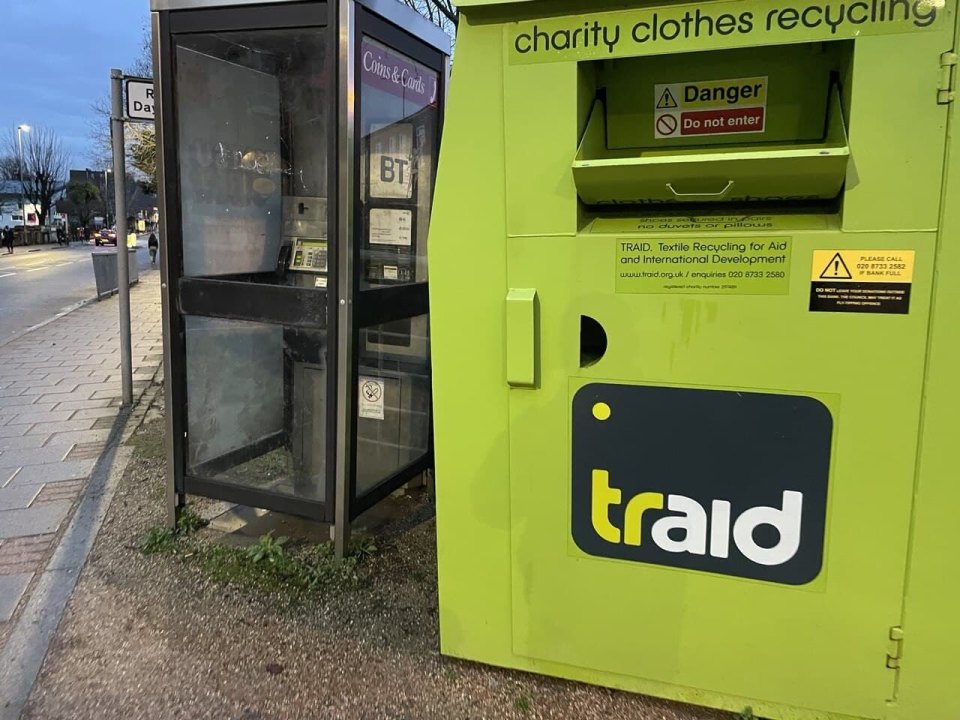
The sofa that "a bloke with a van took away for fifty quid" turns up a week later on a verge, with an envelope in it carrying your address. The fine for that lands on you, not on the man with the van — and it is not a quirk, it is how the Environmental Protection Act is written.
What counts as household waste in England?
Anything that comes from your household. GOV.UK spells it out: your usual rubbish, unwanted or unusable items such as old mattresses, furniture or electrical goods, garden waste, oils and paints, scrap metal such as old car parts, septic tank sludge, and DIY waste such as rubble, timber or bricks.
 ONLYWAY NEWSLIVEHousing · 21.10Household waste: why the fly-tipping fine lands on the sofa owner, not the man with the vanHousing · 21.10Electrics and alarms in rented homes: a 28-day report and a £40,000 penaltyJobs & Business · 21.1010,000 tech placements: the three-year total, the eight firms and the nine addresses for schoolsLife · 21.10Cycling in the UK: what the law requires and what it only advisesLife · 21.10Free school transport: two miles, three miles, and the line low-income families missLife · 21.10Child car seats in the UK: the height that ends the rule, and when the law lets you travel without oneMarkets · 21.10UK firms set for more than £330m in export contracts in Guinea and BeninLife · 21.10A provisional licence in the UK: £34 online, £43 by post, three conditionsMoney · 21.10Charging an EV at home: from 21 October no permission and up to £300 savedHousing · 21.10What a landlord can legally charge you: eight payments and no moreONLYWAY NEWS · appInstall the ONLYWAY NEWS appFresh UK news, classifieds, key dates and exchange rates on your home screen, one tap away. Free.NewsClassifiedsCalendarRates
Most of it goes in the bins your council provides. Your council's website is where you check three things: which waste it will collect, how to order a new bin, and your collection day. Many councils also run separate recycling, garden waste and food waste rounds, and will take large items such as a sofa, a fridge or a washing machine on a special collection, usually for a fee.
Where does waste go if the council will not take it?
There are five lawful routes. Take it yourself to the local recycling centre, the tip. Take it to a permitted private waste site. Hire a private business such as a skip company or a house clearance service. Give an old electrical item to a retailer when you buy a new one with the same function — hand over the old kettle when you buy the new one. Or give away or sell what is still usable, for instance to a charity shop or a street collection bank.
Who are you allowed to hire?
Only someone on the public register of waste carriers. For a skip company or a clearance service you need the upper tier: that covers anyone who transports other people's waste, carries construction and demolition waste, or acts as a broker or dealer. If a charity is collecting the items, check it on the lower tier instead. Scrap metal adds a second check — the collector should also appear on the register of scrap metal dealers.
Carriers registered in Scotland with SEPA or in Wales with NRW are also authorised to operate in England. If you are taking waste to a private site yourself, ask the operator for its environmental permit number or waste exemption registration number and check it against the Environment Agency's registers.
What does getting it wrong cost?
Hand your waste to someone who could not lawfully take it, without doing the checks, and your council can issue a fixed penalty notice. The council sets the amount, but the law caps it: not less than £150 and not more than £600. If the council has specified no amount, the penalty is £200. Pay early, within a period the council sets, and it can treat the penalty as paid at a lower figure of not less than £120. You get 14 days before proceedings can start, and paying inside that window means you cannot be convicted of the offence. Two notices for the same offence are not allowed, even from different authorities.
The penalty for the fly-tipping itself is an order of magnitude larger: between £150 and £5,000, again £200 where the council has set no figure. An authorised officer can require your name and address on the spot, and refusing or giving false details is a separate offence carrying a fine up to level 3 on the standard scale.
Miss the deadline, or hold a previous notice for a similar offence, and the case goes to court, where the figure is higher. You can challenge a notice with the authority that issued it; if that fails, you can decline to pay and defend the case in court, knowing a conviction costs more.
How do you report someone else's fly-tipping?
Small-scale dumping — several bin bags, one or two pieces of furniture, garden waste, a small commercial load, a modest quantity of hazardous waste such as a drum or a sheet of asbestos — goes to the environmental health team at your local council. Large-scale dumping, meaning a lorryload of 20 tonnes or more, hazardous or industrial waste, or organised criminal waste operations, goes to the Environment Agency incident hotline on 0800 80 70 60, a 24-hour service. The same can be reported anonymously to Crimestoppers on 0800 555 111.
If waste is dumped on land you own, clearing and paying for it is your problem. There is a fine attached here too: up to £200 if you do not dispose of that waste properly.
What if a tradesperson left the waste?
Waste produced by a tradesperson you hired for construction or renovation work is classed as business waste. Removing and disposing of it correctly is their responsibility, not yours. A contract clause that leaves disposal to you moves the construction waste into your risk, so it is cheaper to keep removal with the contractor and ask for their waste carrier registration number.
Thanks for £1If this information was useful and came in time, press the heart. Payment goes through PayPal, with nothing to choose and nothing to fill in, and it pays for the newsroom.
- GOV.UK — Dispose of household waste
- GOV.UK — Reporting fly-tipping, large-scale dumping or other waste crimes
- Environmental Protection Act 1990, section 34ZA
- Environmental Protection Act 1990, section 33ZA
- GOV.UK — Pay or challenge a fixed penalty notice for an environmental offence
- Environment Agency — Register of Waste Carriers, Brokers and Dealers
- GOV.UK — Apply for special collection of large waste items

- Housing Drought: minister lets the Agency take more water to avoid rota cuts
- Travel Jubilee line part suspended to Stanmore after fire alert
- Life A London concert cancelled back in March is still on sale for 4 October — and the full Russian-language listings for October
- Life Russian-language events in London: verified dates to December 2026
- Travel London Tube and TfL closures in October 2026: the Piccadilly line stops entirely at Halloween, and no Tube to Heathrow on 17–18 October
- Jobs & Business From 1 October, right to work checks reach couriers, subcontractors and platform workers
- Jobs & Business 10,000 tech placements: the three-year total, the eight firms and the nine addresses for schools