Unsafe cladding Bill: £500,000 fines and a new register of buildings
The government introduced its Remediation of Unsafe Cladding Bill on 14 October. Building owners will have a legal duty to fix unsafe cladding, with tribunal fines of up to £500,000 for ignoring a Remediation Order.
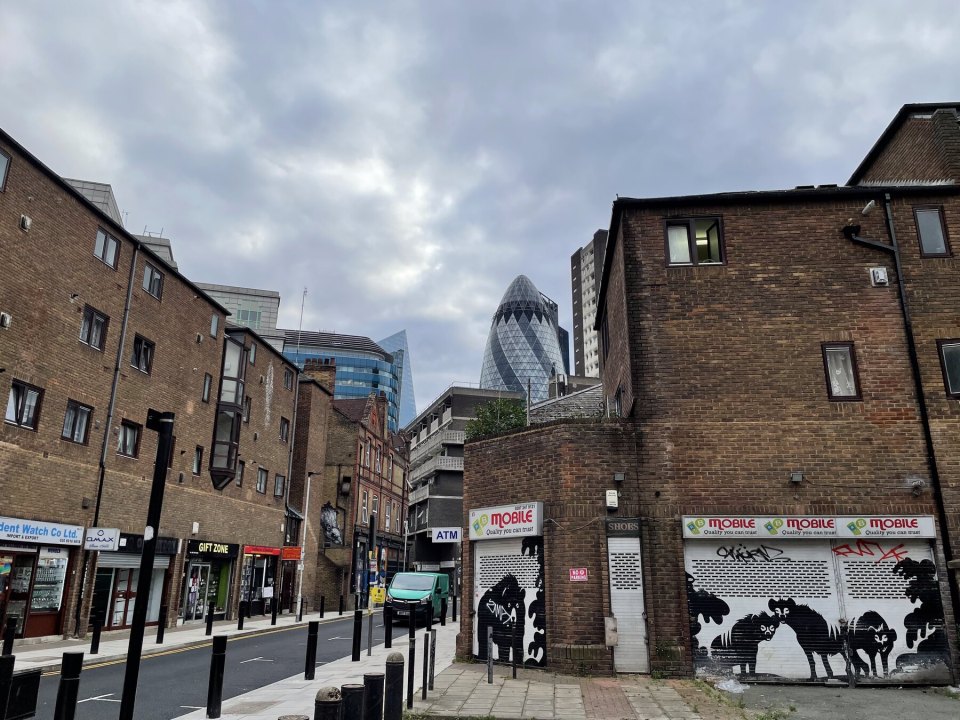
On 14 October 2026 the government introduced the Building Safety (Remediation of Unsafe Cladding etc) Bill to Parliament. It places a legal duty on those responsible for a building's safety to find and fix unsafe cladding, and backs that duty with criminal penalties and First-tier Tribunal fines of up to £500,000.
What does the unsafe cladding Bill change?
The central change is a new legal duty on those responsible for building safety, such as freeholders, to identify, assess and fix problems without delay. Until now this largely depended on negotiation and public pressure. Anyone who obstructs that work could face criminal penalties.
 ADV · A003We build websites for tradespeople and sole traders — £219Customers see your work and prices and message you straight away. Ready in 3 days, £219 instead of £438.Advertise here
Enforcement of Remediation Orders is also strengthened. Where a responsible entity fails to comply, the First-tier Tribunal will be able to impose financial penalties of up to £500,000. The expectation stays the same: by the end of 2029, every building over 11 metres with unsafe cladding should either be remediated or have a clear completion date. What is new is that tougher powers become available before that deadline.
What happens if nobody fixes the building?
The Bill creates a safety net. If those responsible continuously fail to act, a third party such as Homes England or a local authority will be able to step in and carry out the remediation instead. The government expects this to accelerate work for around 12,000 residents, including roughly 3,000 people in buildings covered by the remediation backstop that might never have been fixed otherwise.
There is a separate route for buildings left with no effective owner or responsible entity. Leaseholders will get clearer legal routes to take control of the building's management, so maintenance and safety work can continue.
Who pays for replacing unsafe cladding?
Developers, contractors and others who have already paid to make buildings safe will get a simpler and more effective route to pursue cladding manufacturers for those costs, where the products contributed to a building being unsafe. The government says it is unblocking technical legal barriers that have often stood in the way of such claims.
More than £5 billion has already been committed by government, alongside an extra £1bn for social housing providers' remediation and extended funding for fire alarms to replace expensive waking watches — the round-the-clock patrols that residents have been paying for.
What new duties will building owners have?
A new register of all medium-rise residential buildings in England is being created, so that no building falls through the net. Failure to register could bring civil penalties of up to £7,000, with higher penalties of up to £40,000 or prosecution available for more serious cases.
Fire risk appraisals of external walls (FRAEWs), which decide whether remediation is needed, will have to follow a consistent approach, so buildings are judged on the same basis through independently audited, evidence-based assessments. Where an assessment recommends work, the responsible entity will have to share a plan with residents setting out the steps and proposed timescales for each building.
How much remediation has already been done?
Since the Remediation Acceleration Plan was published, over 470 more buildings are reported to have completed cladding remediation, helping around 35,000 more residents feel safer at home. Building Safety Minister Baroness Blake called the Bill a milestone and said that for residents still waiting, "an end is in sight".
Nine years on from the Grenfell Tower fire, too many buildings still have unsafe cladding. The Bill must pass both Houses, so commencement dates will become clear as it progresses. If you live in a block you believe is affected, it is worth asking your managing agent or freeholder in writing for the FRAEW status and the remediation plan for your building — exactly what this Bill intends to make compulsory.
- Money UK sanctions Cryptomus, Heleket and VexPay: what it means for money transfers
- Life Free English with a native speaker: how Russian speakers can find a language partner
- Housing Homes in London take 84 days to sell — longest in Britain
- Law Courts in England and Wales must now record domestic abuse in the sentence: what changed on 5 October
- Life A London concert cancelled back in March is still on sale for 4 October — and the full Russian-language listings for October
- Life Moving home in the UK: who you must tell about your new address
- Tax HMRC visits: how to check an officer's identity under the rules updated on 7 October