Charging an EV at home: from 21 October no permission and up to £300 saved
From 21 October England has scrapped planning permission for a cross-pavement charging cable — a saving of around £300. Who it affects, how much home charging really saves, and what is still only being consulted on.
Thanks for £1
From 21 October 2026 you no longer need planning permission in England to run an electric-car charging cable under the pavement — from the house to a car parked on the street. The government has removed the requirement and puts the saving for drivers at around £300, which is what getting permission used to cost.
Who does this matter to most?
People with no driveway, whose car sits on the street. Until now such drivers effectively could not charge at home on the cheaper domestic rate: a cross-pavement cable needed permission, and without it people trailed an extension lead across the footway, which is dangerous and often banned.
 ADV · A001ONLYWAY JEWELRY — gold, silver and platinumRings, chains, bracelets, earrings and pendants. Delivery across the UK.Advertise here
Now a cross-pavement channel — a gully under the pavement that hides the cable — can be installed without applying to the council for planning permission. Buses and Local Transport Minister Simon Lightwood put it plainly: the government is saving drivers up to £300 by cutting unnecessary red tape.
How much can you really save on charging?
This is the heart of it. Charging at home costs, on the government's figures, as little as 2p per mile. For those with no off-street parking who have had to use higher-priced public chargers, switching to home electricity is put at a saving of up to £1,750 a year.
Separately, the Electric Car Grant gives up to £3,750 off a new electric vehicle. More than 190,000 drivers have already used it, the government says.
What else changes beyond private homes?
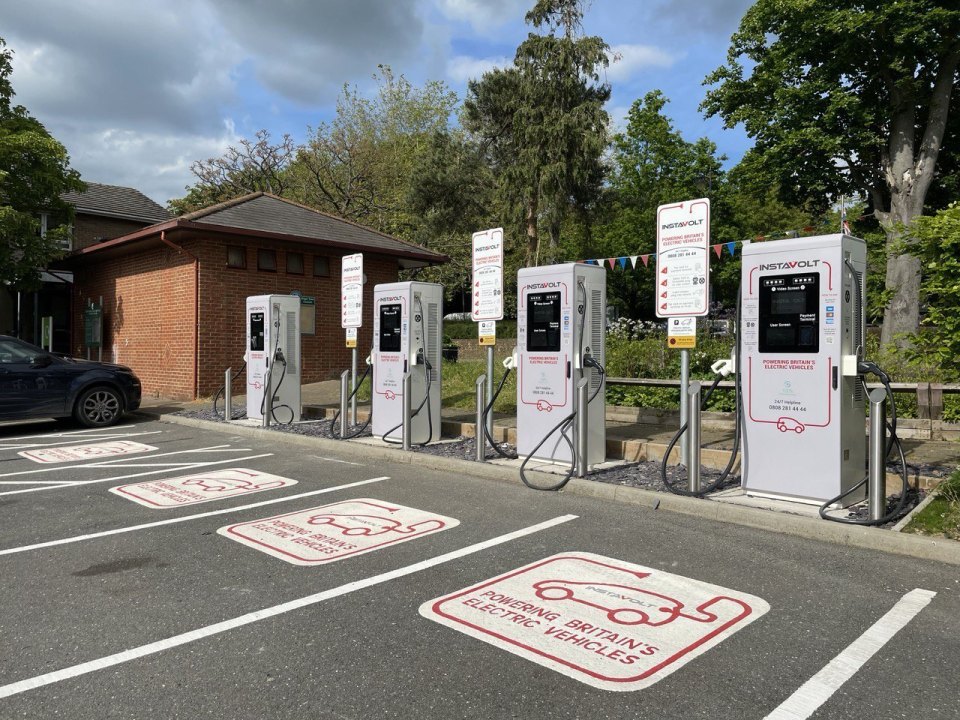
Changes to permitted development rights make it quicker and cheaper to install larger, higher-powered public charging hubs. Operators will not have to go through the same approvals as before.
What is promised but only being consulted on?
Two consultations run alongside the changes, and it matters not to confuse them with what is already in force. The first would require developers to build charge points into new and refurbished covered car parks. The second would expand charging access for tenants and leaseholders: clearer rules for landlords and, possibly, limits on their right to refuse a resident's application.
 ADV · A003We build websites for tradespeople and sole traders — £219Customers see your work and prices and message you straight away. Ready in 3 days, £219 instead of £438.Advertise here
Both consultations are open until 16 December 2026. For now these are proposals, not law.
Why was this needed at all?
The market figures explain the hurry. September 2026 was a record month, with nearly 100,000 electric cars sold, up 36% on a year earlier. Yet, according to EVA England, 60% of petrol and diesel drivers without off-street parking would never consider an EV — precisely because of the problem of charging at home.
What to check if this is you
First, where you live: the removed requirement applies to England. Second, remember that planning permission has gone, but you still need to agree works on the pavement with the council as the highway authority — the channel is cut into its surface.
And third: home charging only pays off on a cheap overnight electricity tariff. Before counting the saving, check your own rate — 2p per mile is not what everyone gets.
Thanks for £1If this information was useful and came in time, press the heart. Payment goes through PayPal, with nothing to choose and nothing to fill in, and it pays for the newsroom.

- Travel Next-generation airport scanners in Britain: what changes and what can be searched
- Money Debt management plans in the UK: pay less, and never pay for advice
- Jobs & Business UK gender pay gap reporting: who must report and by when
- Money GBIS: free home insulation in Great Britain — who qualified
- Travel Urgent UK passport: the Premium and Fast Track services
- Life Pupil Premium: the extra funding English schools get for disadvantaged pupils
- Money How to switch energy supplier in the UK and whether it is worth it