Guides to living in Britain
Page 2 of 7: material from 1 to 8 October 2026. Guides to living in Britain, all checked against official sources.
Showing 24 of 147
 ADV · A003We build websites for tradespeople and sole traders — £219Customers see your work and prices and message you straight away. Ready in 3 days, £219 instead of £438.Advertise here
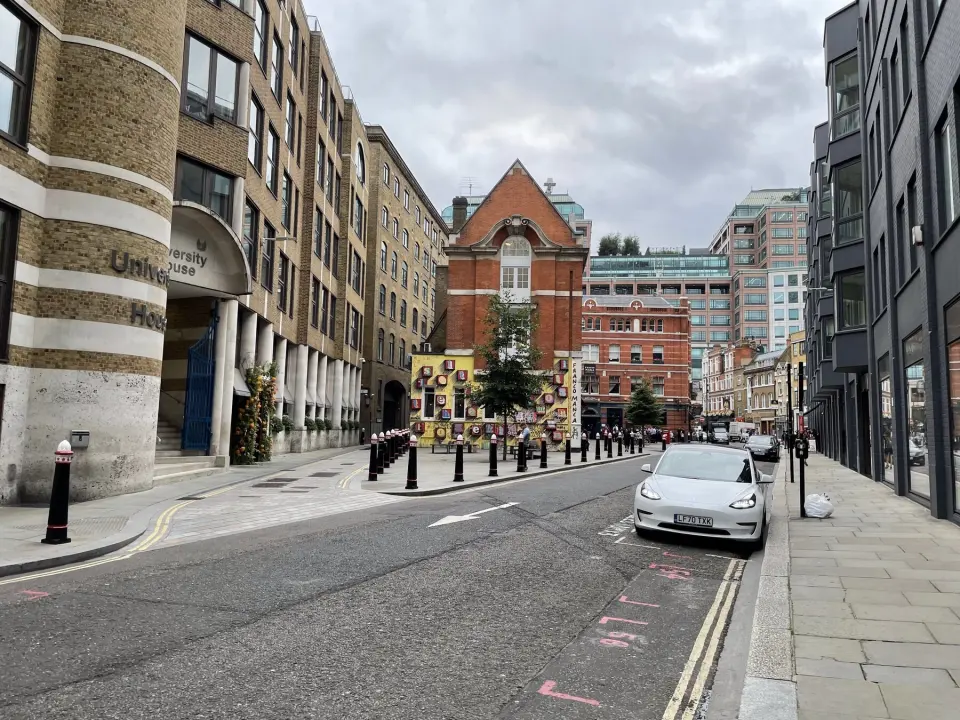
Bought a faulty used car in the UK: how to get your money back
The Consumer Rights Act 2015, in force since 1 October 2015, gives a buyer 30 days to reject a faulty car and take back the full price with no deduction, and for the first six months it is the seller who must prove the car was sound. Here is what to do when a car bought from a dealer goes wrong, why a later rejection costs you a deduction for mileage, and how a private sale differs.
Legal aid in the UK: who can get a free lawyer and how to apply
State-funded legal help in England and Wales is available on a joint income of up to £2,657 a month and assets of up to £8,000 — and for domestic abuse, care proceedings and eviction your finances are not checked at all. Here is what legal aid covers, what it does not, how the free eligibility check works and who to call if English is not your first language.
Child maintenance in the UK in 2026: how much you pay and how the CMS works it out
Child maintenance in the UK is worked out by the Child Maintenance Service using an open formula: 12% to 19% of the paying parent's gross weekly income. DWP figures published on 29 September 2026 show 820,000 arrangements covering 1.1 million children at the end of June 2026, with 23% of paying parents on Collect and Pay paying nothing that quarter.

Pension Credit in 2026: who qualifies, how much it pays and how to claim
Pension Credit tops weekly income up to £238 for a single person and £363.25 for a couple, with extra amounts of up to £118.46 a week on top. DWP estimates published on 30 October 2025 show up to 910,000 entitled families did not claim, leaving up to £2.5 billion unclaimed — around £2,600 a year each. Here are the thresholds, the extras, the savings rule and how to apply.

What to watch this weekend: an evening on BBC One, the Netflix top 10, a festival from 7 October and theatre for £5
The 70th BFI London Film Festival runs from 7 to 18 October with 251 films from 88 countries and 33 world premieres. But the evening of 4 October can be covered for free: a new series starts on BBC One at 18:40. Here is what is on air tonight, what the country is watching on Netflix, which plays close this week, and where theatre costs £5.

Business grants, loans and government support in the UK: where the start-up money is and what it costs
There is no national “start a business” grant in the UK: the official GOV.UK catalogue listed 129 support schemes on 4 October 2026, 45 of them grants — and only 18 open to businesses not yet trading. The one national start-up loan runs from £500 to £25,000 at a fixed 7.5% a year. Here is where the non-repayable money actually sits, who gets it, and which reliefs are worth more than any grant.
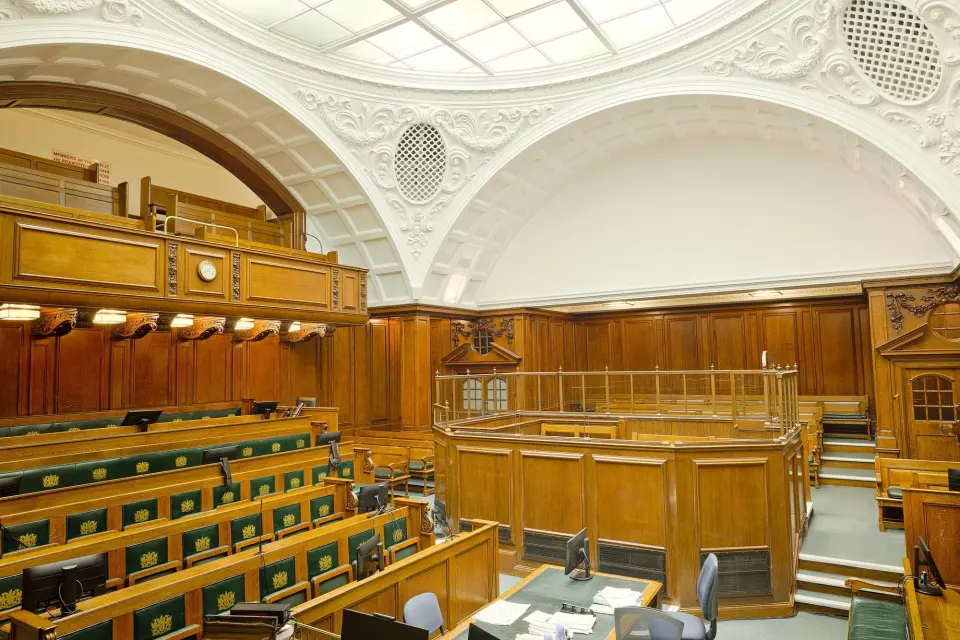
A jury summons has arrived: what to do, how long it lasts and what it pays
Jury summonses in England and Wales are sent at random from the electoral register, and you must respond within 7 days: silence or failing to attend can cost up to £1,000. Service usually lasts up to 10 working days, the court pays no wages but covers loss of earnings of up to £64.95 a day. Here is who gets called — foreign nationals included — how to move the date and what you can claim.
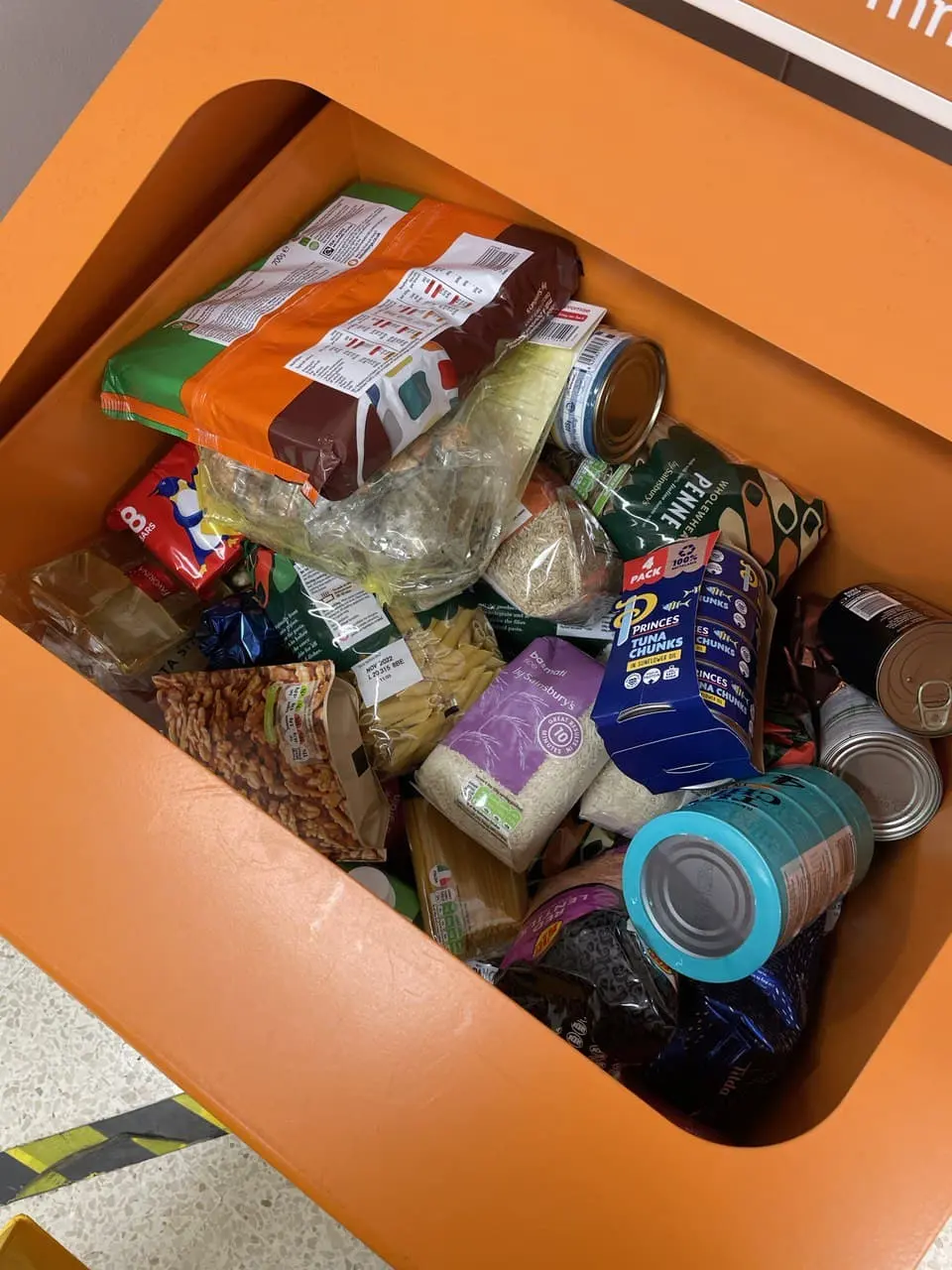
Your gas and electricity debt can be written off in full: who Ofgem is clearing 2022–2024 bills for, and what you must do
While everyone was working out the new price cap, Ofgem quietly launched a scheme that writes off old energy debt — up to £500m for around 195,000 customers, in full and with no matching payment. There is no application form: your supplier finds you, which is exactly why a write-off is so easy to miss. Here are the conditions — debt billed between 1 April 2022 and 31 March 2024, a £100 minimum, means-tested benefits, and one non-obvious requirement that pushes people out of the scheme.
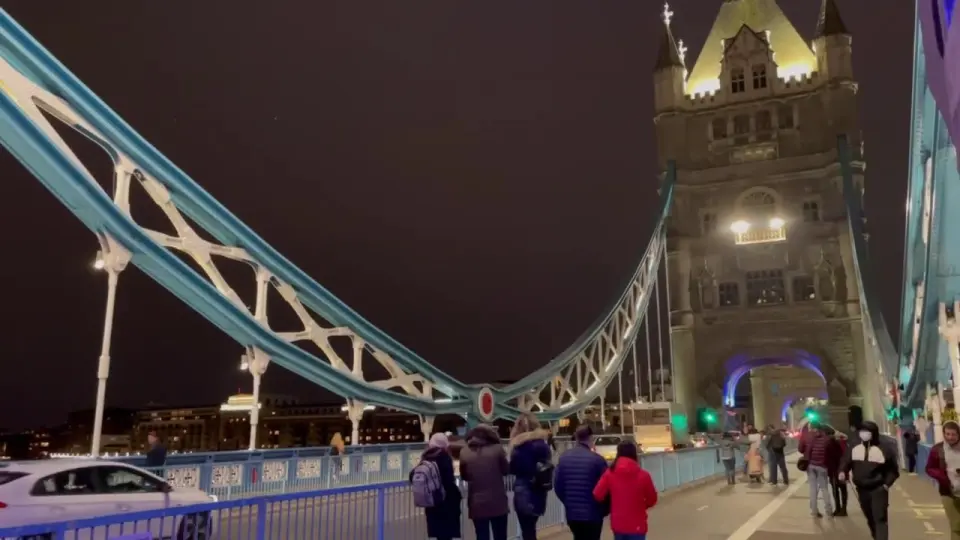
Getting home after midnight in London: what runs at night and what it costs
The Night Tube runs only on Friday and Saturday nights, and not along the whole line — only specific sections. On every other night it is the bus: N-prefixed and 24-hour routes cover the city roughly from 23:00 to 06:00, seven nights a week. Here is which lines run, where they end at night, what a journey with changes costs, and what changes on 1 November.

When do the clocks change in the UK in 2026? 25 October, an hour back
Overnight on Sunday 25 October 2026 the clocks in the UK go back an hour — the night is longer and the evenings get dark at once. RoSPA data shows collisions killing or injuring pedestrians rise 10 per cent in the four weeks that follow. Here is what changes itself, what you change by hand, why the NHS advises vitamin D from October, and how the time difference with calls home shifts.

Your UK water bill: how it is calculated and how to pay less
You cannot switch water supplier, but you can change the amount on the bill. What each company charges in 2026/27, when a meter pays off, who qualifies for a social tariff worth up to 90% off, why water is never disconnected over arrears, and when the company owes you GBP 10 a day.

Where to go in Britain this weekend, 3–4 October: from York to Cardiff, what is free and what ends on Sunday
York opens 25 normally closed historic buildings for free, Bath gives its centre over to an autumn fayre, and 70 artists in Bristol open their own studios. There is no Premier League this weekend because of the international break, but Wales play Denmark in Cardiff. Here is the whole country outside London: what is free, what needs a ticket and where the city centre closes on Sunday.
Workplace pension and auto-enrolment: where 5% of your payslip goes, what your employer must add, and whether opting out is a good idea
Every worker in the UK aged 22 or over earning at least £10,000 a year is automatically enrolled into a workplace pension. The minimum contribution is 8% of a band of earnings: 5% from you (including government tax relief) and at least 3% paid by your employer on top of your salary. Here is what the pension line in your payslip means, how to opt out with a refund, and what happens to your pot when you change jobs or your employer goes bust.

Cheap train tickets in Britain: a third off fares, and the money back when the train is late
A Railcard costs £35 a year and pays for itself in two or three journeys: it takes a third off most fares, and linked to an Oyster card it cuts off-peak London travel by 33%. Here are all nine railcards with prices, the £12 minimum fare rule before 10am, split ticketing (it is legal), Advance tickets, and Delay Repay — compensation from 15 minutes late, claimable within 28 days.

Maternity leave and pay in the UK: 52 weeks off, £194.32 a week and what to do if your employer says no
Up to 52 weeks of leave but only 39 weeks of pay, most of it a flat £194.32 a week before tax. Who qualifies for SMP, what Maternity Allowance is, the one date that decides everything (15 weeks before the birth), what fathers get, and how to claim £500 and free prescriptions.
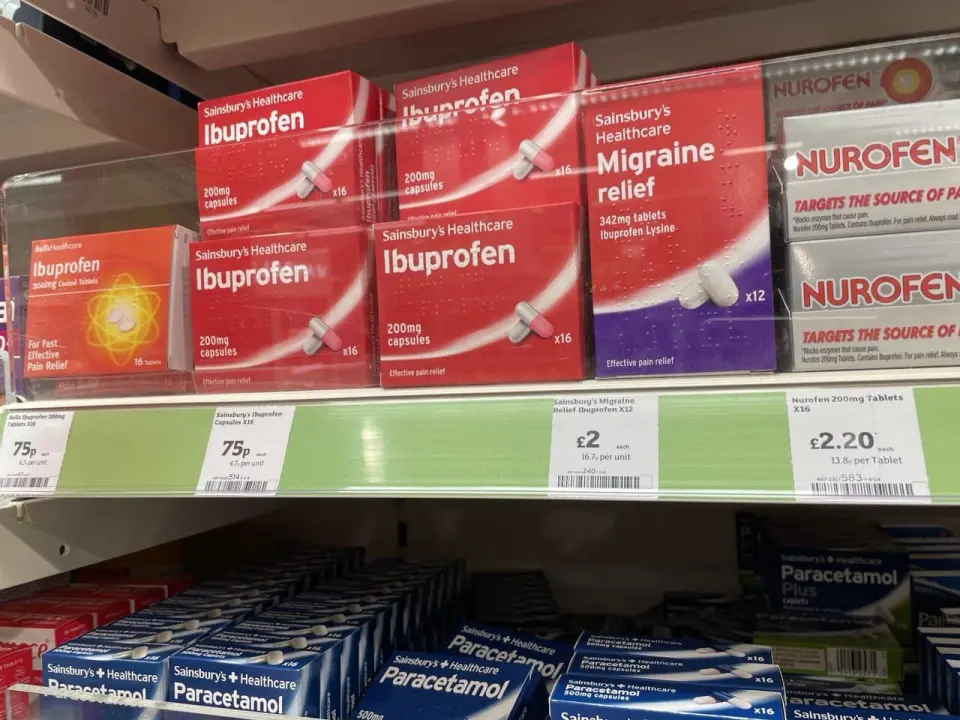
Pharmacy First: seven conditions a pharmacist in England treats without a GP appointment
Earache, sore throat, sinusitis, shingles, impetigo, an infected bite and uncomplicated UTI in women — for these seven a pharmacist in England consults and supplies prescription medicines directly. No referral needed, the consultation is free, the medicine costs £9.90 or nothing if you are exempt.

Renters’ Rights Act: what changed for tenants in England — evictions, rent rises, deposits and pets
Section 21 is abolished, fixed-term tenancies are gone, rent rises once a year and only by Form 4A, advance rent is capped at one month and bidding wars are banned. A point-by-point guide to the new law and what to do now.

Power cut: £100 paid automatically, up to £2,235 in a storm — what you are owed and what to do if the money never arrives
A long power cut in the UK comes with money attached, and in most cases it should be paid without you claiming. The amounts are set by Ofgem and uprated for inflation every year: £100 for a home once the restoration standard is missed, £45 for every further 12 hours, up to £2,235 in a severe storm, and an extra £100 if your power has gone off more than four times in a year. Here is who pays for what, how fast supply must be restored, and what to do if nothing lands in your account.
How much paid holiday you are entitled to in the UK: 28 days, bank holidays and what you are owed when you leave
Paid holiday here is counted in weeks, not days: 5.6 weeks a year. On a five-day week that is 28 days — and unless your contract says otherwise, all eight bank holidays come out of them. Here is what the law gives you: the figures for part-time and zero-hours work, how holiday pay is calculated, what applies in your first year, and why untaken leave must be paid even if you are dismissed for gross misconduct.

Arrested in Britain: legal advice at the station is free, an interpreter is yours on request, and 24 hours is the limit without charge
Legal advice at a police station in England and Wales is free and not means-tested, and the duty solicitor is independent of the police and available around the clock. Once you ask for one, you cannot be questioned until you have had that advice. From GOV.UK: what else you can insist on, what the caution really means, how long you can be held without charge, and how police bail differs from release under investigation.
Stopped by police in London: what the officer must tell you before a search, what you can be asked to remove in the street, and what only out of public view
You do not have to answer questions, and refusing is not on its own a reason to search you. A search needs reasonable grounds; without grounds it needs a senior officer's authorisation. In the street it is coat, jacket, footwear and gloves — everything else comes off out of public view. Point by point from GOV.UK and the Metropolitan Police: what the officer must tell you, what you are entitled to afterwards, and the rules for under-18s.

Right to rent: what landlords must check from 1 October 2026 — and how to get a share code in five minutes
An updated right to rent code of practice applies in England from 1 October. Every adult occupier is checked, even those not named on the agreement; landlord penalties reach £20,000 per person. Here is how to pass the check in five minutes with a share code, what British and Irish citizens show instead, why nobody may check 'only the foreign-looking' tenants — and what you must do if you sublet a room yourself.

London is warming: +1.6°C in half a century, frost days halved — and why the weather now hits the wallet harder
The finale of our weather series. Britain has kept weather records longer than anyone on the planet — the Central England Temperature series is 367 years old — and the archive's verdict is unambiguous: all six of Heathrow station's warmest years came after 2014, July 2026 was the hottest month in its entire history, frost days have halved, and the wettest years cluster after 2000. Here is how the weather has changed across the record — and why the bills grew alongside it: insurance, drying, repairs.
Should you fix your energy tariff in autumn 2026? Fixes undercut the price cap — and January's cap may jump another 20%
From 1 October the Ofgem cap is £1,723 a year for a typical home, and analysts expect another jump in January. The cheapest fixed tariffs are currently 3.5–4% below the cap. A no-hype guide: how a fix works, when it pays off, what to check before switching — exit fees, timings, meter readings — and when staying on the cap makes more sense.
Nothing found. Adjust your query or dates.