Guides to living in Britain
Page 3 of 7: material from 28 September to 1 October 2026. Guides to living in Britain, all checked against official sources.
Showing 24 of 147
 ADV · A001ONLYWAY JEWELRY — gold, silver and platinumRings, chains, bracelets, earrings and pendants. Delivery across the UK.Advertise here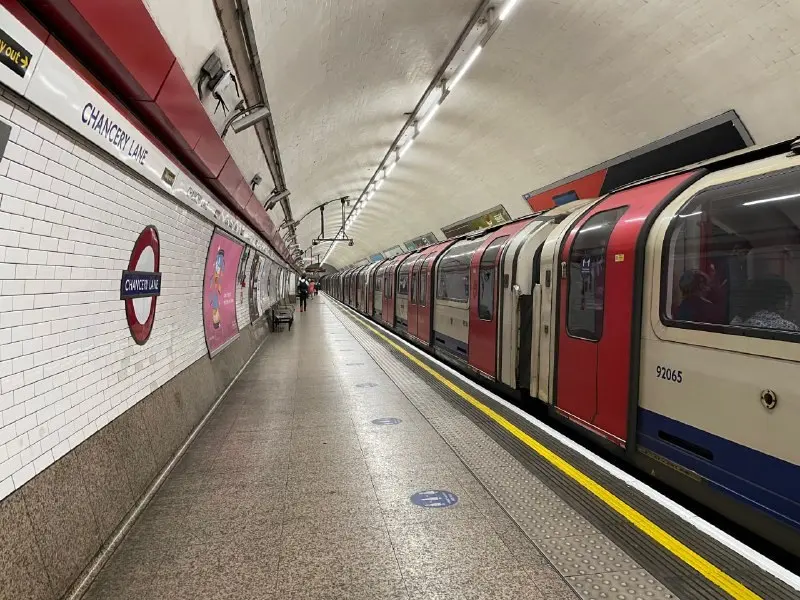
From the airport into the city: Heathrow, Gatwick, Stansted, Luton — train, tube or bus, what it costs and where to buy tickets
Part two of our guide to Britain's airports. The golden rule of London transfers: the express is fast and expensive, the ordinary train or tube is two to three times cheaper, and the bus is cheapest of all but hostage to traffic. The Heathrow Express costs £26 while the Tube from the same station charges an ordinary fare; the Stansted Express starts at £9.90 booked ahead; the Luton DART is £4.90 for a 4-minute ride. All four big airports plus London City: what to take by day, what at night, where to buy tickets — and why your bank card already is one.

Leaking roof, flooded basement: who pays? Insurance, the Flood Re scheme, and what the state provides after major floods
The money instalment of our weather series. Repairs after a leak or a flood cost thousands, yet you rarely pay from your own pocket: the structure is covered by buildings insurance (your landlord's, if you rent), affordable cover in risk areas is held up by the joint state-industry Flood Re scheme, and after major flooding the government activates a support package — £500 per household, £2,500 for businesses and a full council tax holiday for at least three months. Here is the whole chain: who pays, for what, and how much.
The UK airport border: what to tell the officer, who can use the e-gates, and what you can bring in your suitcase
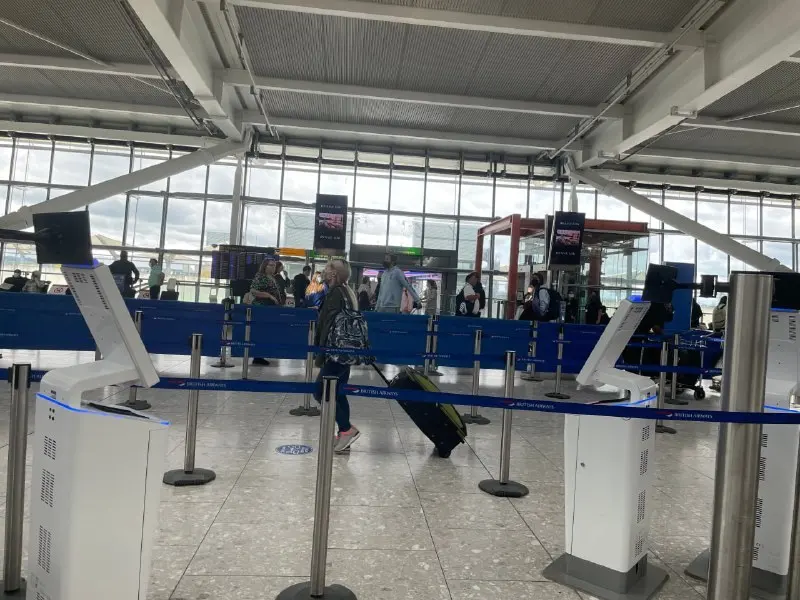
Part one of our guide to Britain's airports — everything that happens between the jet bridge and the Exit sign. Who needs a visa and who just needs a £20 ETA; who qualifies for the automatic e-gates and who must see an officer; what the border officer asks and how to answer; how many cigarettes, litres of wine and gifts you can bring duty-free — and why the £10,000 cash rule counts for the whole family, not per person.
Winter without a down jacket or fur hat: thrift, fashion or climate? What Britons actually wear — and spend on — in the rainy season
It astonishes newcomers every December: the minus never arrives, there is not a down jacket in sight, and half the city winters in a coat over a jumper. We explain it with the Heathrow station's numbers: the average January daytime maximum is +8.4°C — what would the fur be for? Here is what the British weather wardrobe is really made of, why an umbrella here is a consumable rather than an accessory, and where the 'rain money' actually goes.
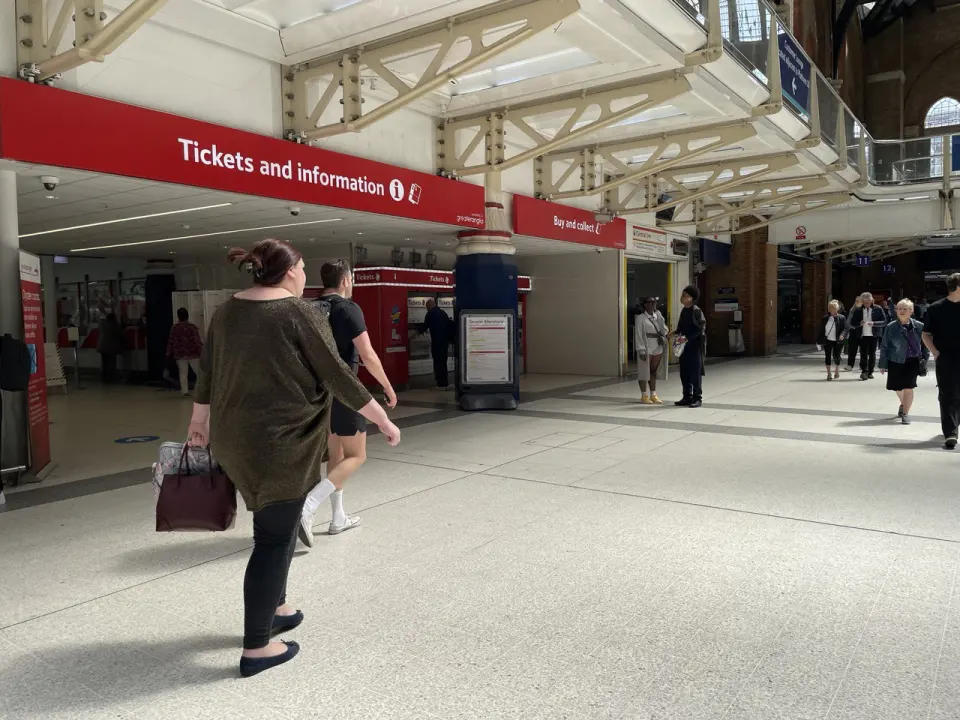
Divorce in England: what it costs, how long it takes, and why 'marry an Englishman and take half' is a myth
A scheme discussed in immigrant chats: marry an Englishman, endure a year, divorce — and leave with half his house. Here is how English family law actually works: divorce has been 'no-fault' since 2022, but no application is accepted before a year of marriage, the process takes at least six months and costs £628, money is divided in separate proceedings with no automatic fifty-fifty, and a visa tied to the marriage dies with it.
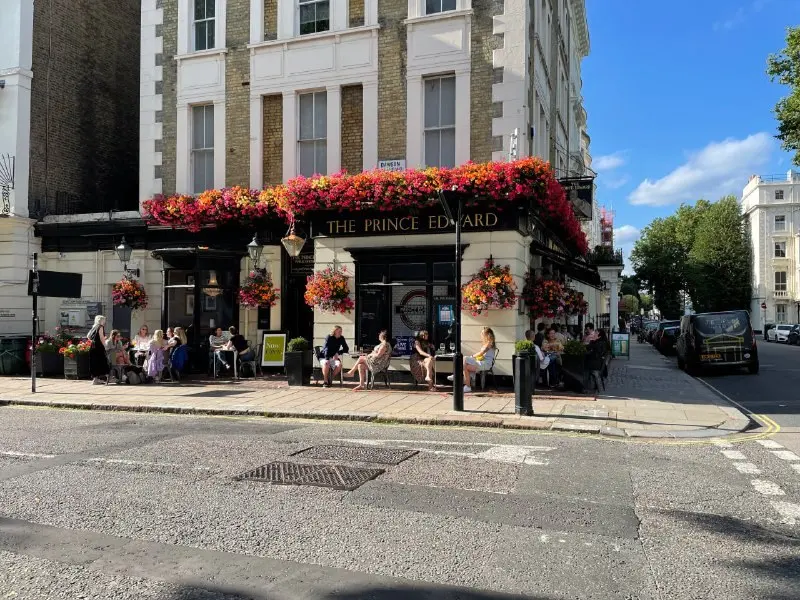
Your First Home: equity loans return to England — 20% from the government with a 2.5% deposit. The new scheme, and every other way to buy for less
On 26 September the government announced Your First Home — the heir to Help to Buy, closed in 2023: first-time buyers will get a government equity loan worth 20% of a new-build's price with a deposit of just 2.5%, and an interest-free initial period. Income and price caps arrive in October's Budget. Here is how the scheme will work, what Help to Buy taught us — and what is available right now: Shared Ownership from a 10% share, First Homes at 30-50% off, the Lifetime ISA with its 25% government top-up, Right to Buy and developer incentives.
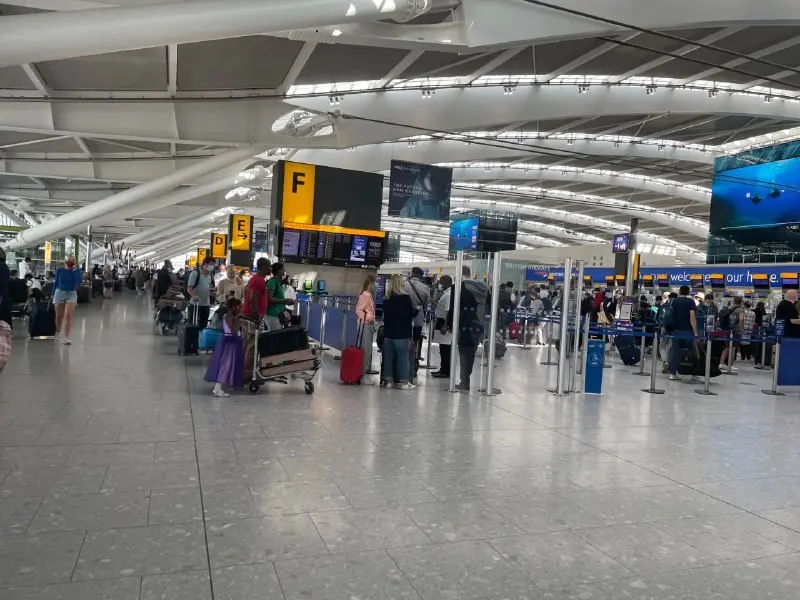
Lost property and seized goods in the UK: where finds are stored, where unclaimed items go, and whether they really sell for pennies
A legend every immigrant has heard: somewhere there is a warehouse where forgotten suitcases and seized goods sell for pennies. We checked the primary sources — it is half true. Transport finds are kept for three months (TfL at Baker Street; Heathrow charges £5 to £25 to return an item), and unclaimed property genuinely is sold afterwards, but at official auctions open to anyone. 'Customs confiscate' offered on social media is always a scam. The whole chain: timescales, addresses, prices and the reseller's taxes.
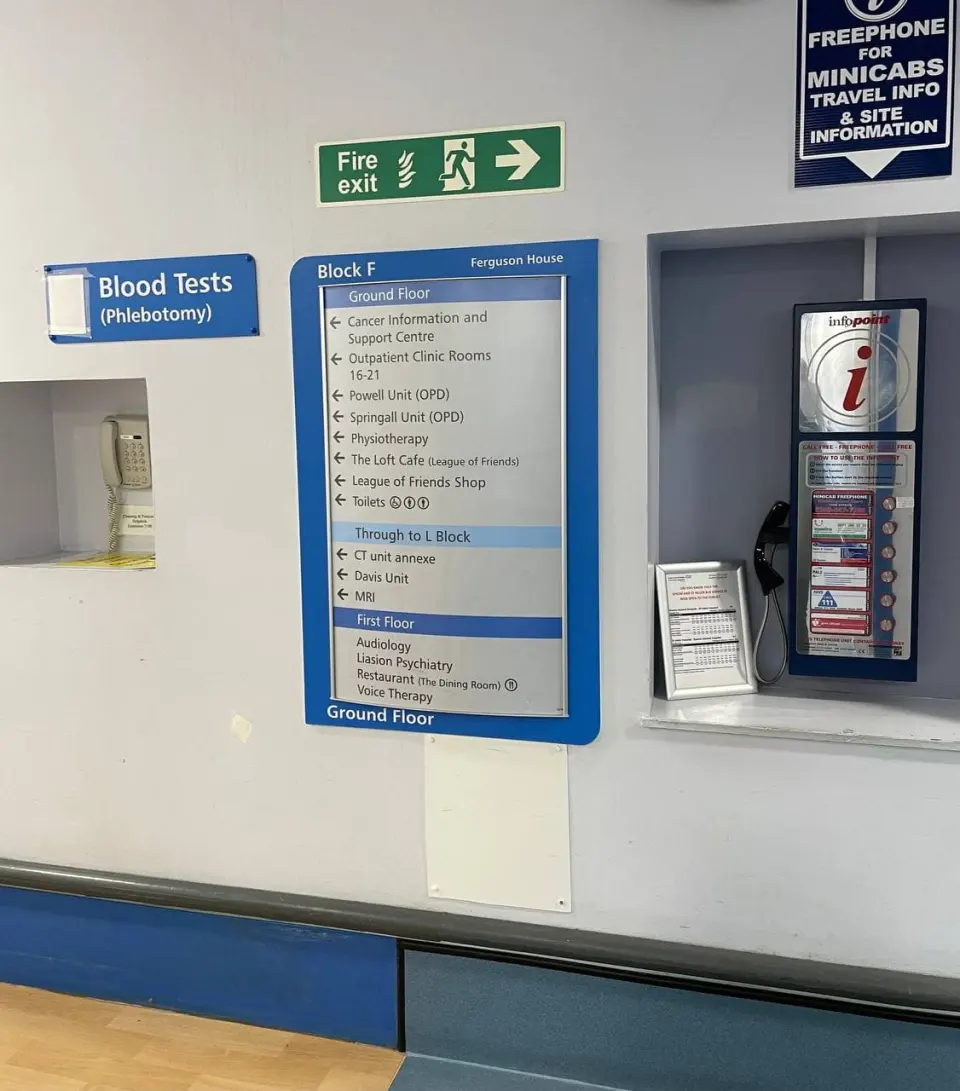
Martha's Rule in England's hospitals: how to summon a second medical team when someone is getting worse and nobody is listening
In 2021, 13-year-old Martha Mills died of sepsis in a London hospital: her parents saw her deteriorating, told the doctors — and were not heard. The coroner concluded she would probably have survived had she reached intensive care in time. Since 2024, hospitals in England operate Martha's Rule: the right of a patient or their family to summon an independent rapid review team at any hour, over the heads of the treating team. Here is the story — and how to use the right if English is not your first language.
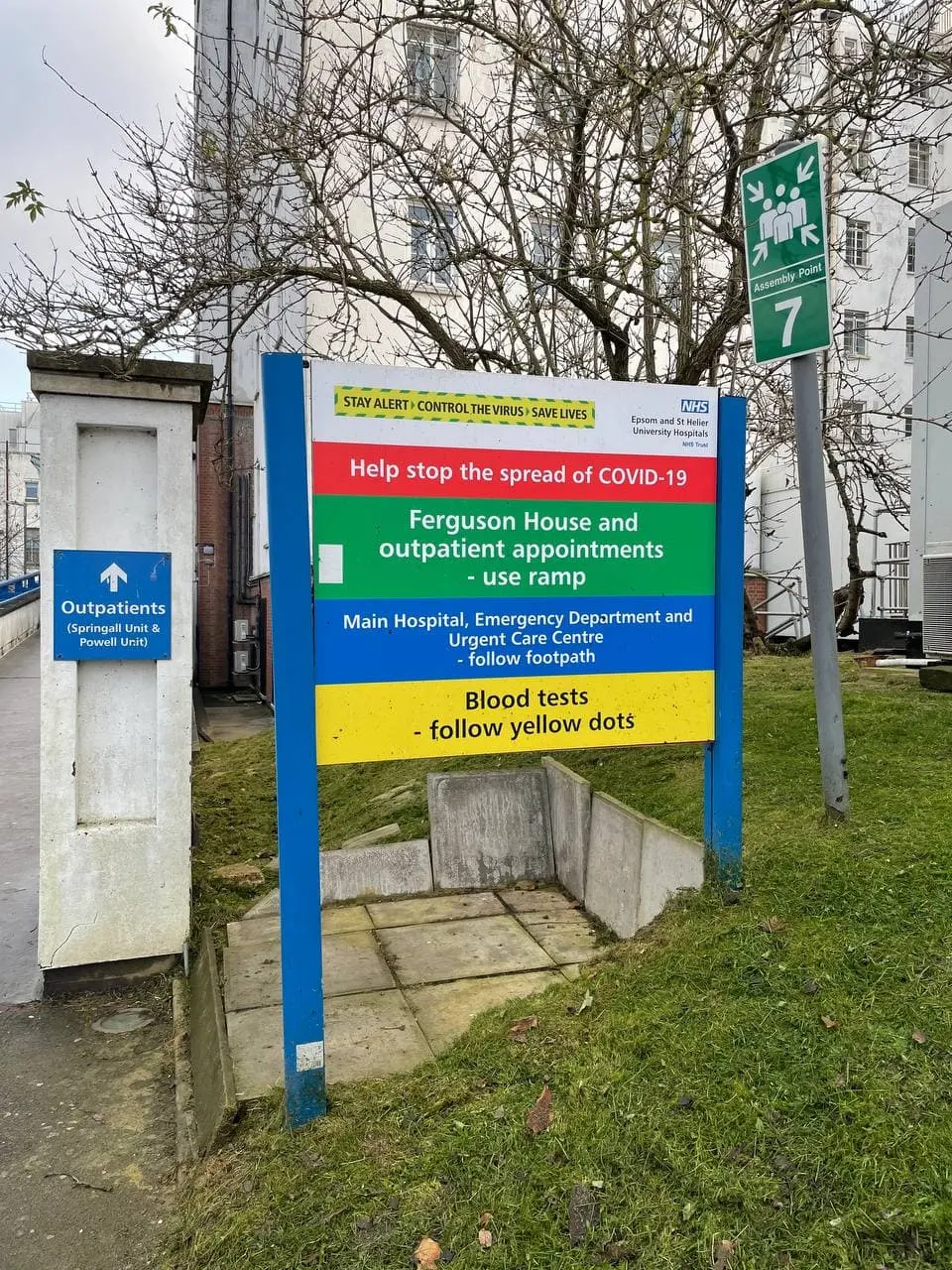
Healthcare in the UK: what the NHS gives everyone for free, what prescriptions and dentists cost, and who pays under the 150% rule
Two myths circulate about British healthcare: 'everything is free here' and 'you can't see a doctor without insurance'. Both are wrong. A GP appointment, the ambulance, A&E and the 111 line are free for everyone — whatever your visa or status — and you can register with a GP without proof of address or right to reside. The pharmacy and the dentist, though, have their own tariffs: a prescription is £9.90 per item, dental work runs £27.90 to £332.10, and visitors who never paid the IHS surcharge get billed for hospital care under the 150% rule. The whole system, with the numbers.
Where to live cheaply in London: boroughs with rents from £1,500 — 2.4 times below Kensington — and what you trade for the price
Average London rent has passed £2,300, and Kensington sits at £3,690. Yet the map has boroughs where the average let is £1,500-1,700 and a house costs £376,000 against London's £550,000 — ONS figures from summer 2026. An honest guide to the affordable belt: what life there really costs, whether the shops are truly 'half price', and what exactly you pay with — time, the view from the window, and more.
A dispute at the currency exchange: short-changed, wrong rate, no receipt — who to call and how to get your money back
A follow-up to our exchange bureau catalogue — the instruction manual for when things go wrong: notes missing from the bundle, the rate on the receipt not matching the board, the receipt that 'ran out', or a counterfeit note among your cash. Scenario by scenario: what can only be fixed at the counter, which number to dial (the consumer helpline, 0808 223 1133), when to involve the police, and how to finish the job with a formal complaint and a small claim.
Currency exchange bureaux in the UK: where the fee hides behind '0% commission', how to check any bureau in a minute — and our verified catalogue
'Best rate in London, 0% commission' is the sign people lose money at most often. Here is how bureaux actually earn, which tricks turn an attractive rate into minus 10%, how to check any outlet against government registers in a minute — and the first level of our catalogue: chains verified against the registers, with banks and the Post Office in a separate list. This is how the 'ONLYWAY.NEWS verified' mark works.
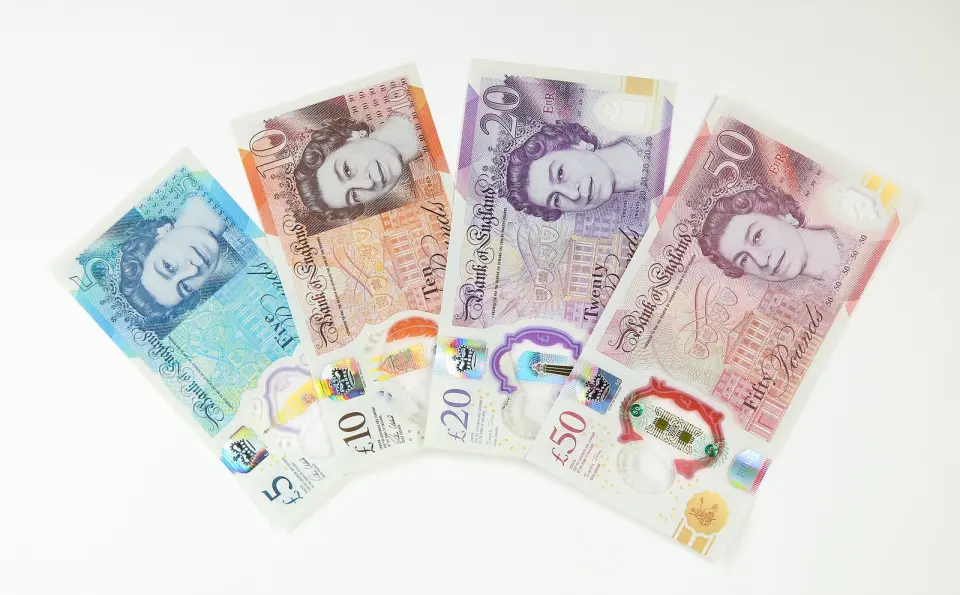
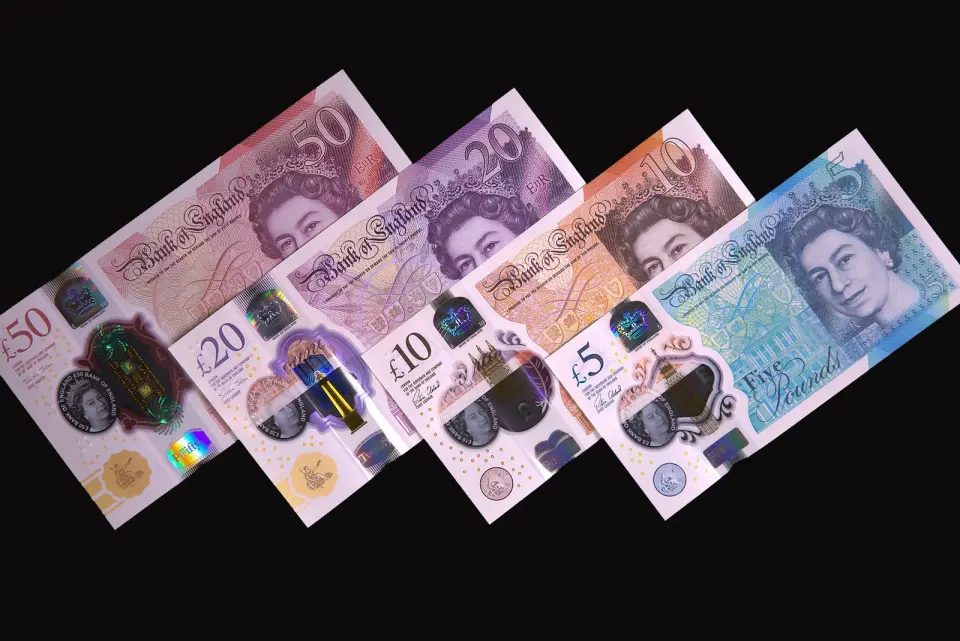
Bank of England banknotes: who is on them, how to check they are genuine, and where to take old paper pounds
There are 4.98 billion notes in circulation worth £91.5 billion, carrying two monarchs at once, a painter, a novelist and the mathematician who broke Enigma — and soon animals will replace them all. Here is the guide to Britain's notes: what is in your wallet now, how to spot a genuine one, why our photos carry a SPECIMEN stamp, and what to do with the old paper twenties you found in a drawer.

London's Royal Parks: what actually happens inside Hyde Park and the other seven — events, dates and what you spend money on
The eight Royal Parks are 5,000 acres of free London: Richmond's deer, St James's pelicans, Hyde Park's concerts and Winter Wonderland, Greenwich's observatory. Entry is free everywhere — but there is plenty to spend on inside, from Serpentine boats to the winter fair's rides. Here is the guide: which park is for what, what happens there through the year, and which of it costs money.
The hotel never returned your deposit: where 'back in three days' is normal, where it is theft — and how to recover your £100-300
A classic story: on top of the room rate they take a deposit at check-in, promise at checkout that it will be 'back on your card in three days' — and the money never arrives. Sometimes it is an ordinary bank hold that never went anywhere. Sometimes it is your money being kept — and there are remedies: a written complaint, a chargeback within 120 days, Section 75 for credit cards, and the small claims court. Here is how to tell one from the other, step by step.
'Russian taxi' in London cheaper than Uber: the saving is real — but only if the dispatcher holds a TfL licence
Russian-language chats are full of 'dispatch services': call, give your flight number — and a Russian-speaking driver meets you at the airport for less than Uber. You genuinely can save this way, with one caveat the size of the law: in London, any minicab is legal only when pre-booked through a TfL-licensed operator. A car without such a booking is, in TfL's own words, 'uninsured, unsafe and illegal'. Here is how to check any dispatcher in a minute, and what a legal ride from Heathrow costs.
Your car got towed in the UK: where to find it, what it costs — and why 'I removed the clamp' and 'I covered the plates' end worse than the fine
The car has vanished from the street: in London you can trace it in a minute via TRACE, but getting it back costs money — since April 2025 removal is £280 plus £55 for every day in storage, on top of the penalty itself. Here is what to do if you were in the wrong, how to get every penny back if you were right, and why the folk 'lifehacks' — removing the clamp or papering over your number plates — turn a parking ticket into a criminal case.
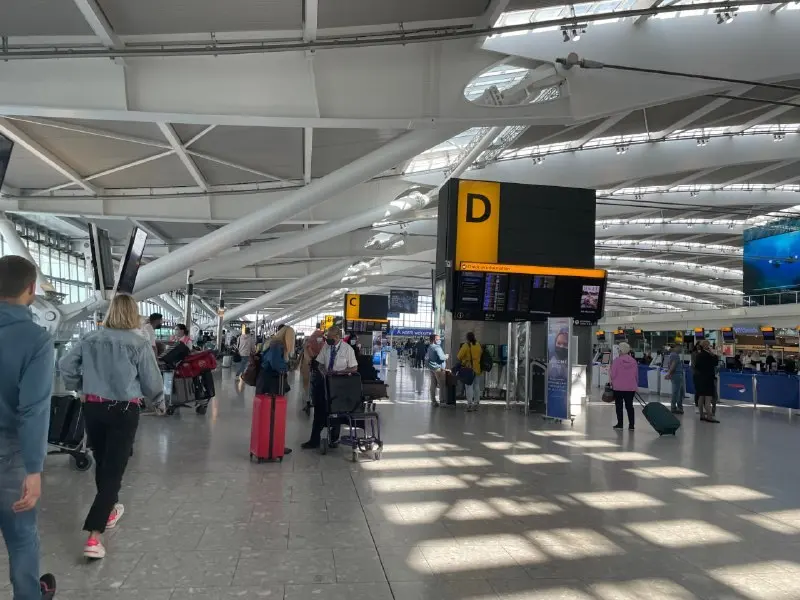
Lost or delayed luggage: what the airline must pay, how to claim and the deadlines you can’t miss
Your case didn’t come off the carousel. What to do at the airport, which purchases the airline should cover, when a bag counts as lost, the maximum under the Montreal Convention, and why 7 and 21 days are the numbers that matter. A guide based on UK CAA rules.
Can’t pay all your debts? Which to pay first in England — and how Breathing Space freezes interest for 60 days
Rent, council tax, energy, credit cards, buy now pay later: when money runs short, the order you pay in decides whether you keep your home and avoid bailiffs. Which debts are priority in England, what happens if you don’t pay council tax, how to deal with energy suppliers and HMRC, and how to get 60 days of Breathing Space for free.
Marriage Allowance: how couples can get up to £1,260 of tax back — who qualifies and how to apply
If one spouse earns under £12,570 a year and the other pays basic-rate tax, HMRC will cut the couple’s tax by £252 a year. Applying online takes minutes, and you can backdate the claim to 6 April 2022. Who qualifies, how to apply for free and when you must cancel.
Lifetime ISA in 2026: how to withdraw without the 25% penalty — and what the new First Time Buyer ISA means
The government adds 25% to savings for a first home — up to £1,000 a year. But withdrawing outside the rules costs 25% of the whole amount, so you lose some of your own money too. This summer the Treasury said the Lifetime ISA will be replaced by a new First Time Buyer ISA. When you can take money out penalty-free, how much an early withdrawal costs, and what existing savers should do.

'Apply to study and the government sends you £25,000 — no need to attend': how Student Finance really works
A 'scheme' is doing the rounds in chats and social media: apply for a course in England, get around £25,000 from the government into your account — and never study. Using the official GOV.UK rules, we unpack where the number comes from, what students actually get paid, why 'take the money and don't study' is criminal fraud, and how the Student Loans Company catches such applicants.
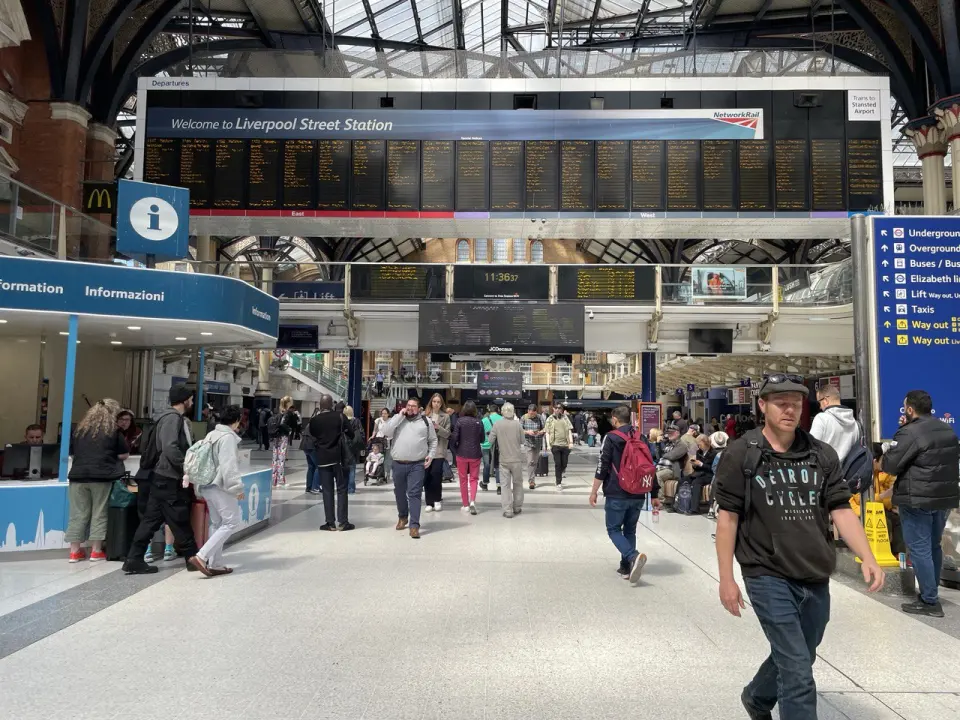
UK visa waiting times in 2026: the official UKVI timelines and how to get a decision in a day
The official UKVI timelines: visitor, student and work visas from outside the UK take 3 weeks, family visas 12 weeks, and most in-country extensions 8 weeks. Pay an extra £500 and a decision is promised within 5 working days; £1,000 buys one by the end of the next working day. Here is when the clock starts, why timelines slip, and when the extra fee is a waste of money.
Corporation Tax in 2026: the 19% and 25% rates, deadlines, penalties and the Marginal Relief trap
In the UK, companies work out their own profit tax — HMRC will never send you a bill. The rate depends on profits: 19% up to £50,000, 25% above £250,000, and a sliding Marginal Relief scale in between. The tax is due before the return, and a late return now costs £200 from day one. Here are the rules, in order.
Nothing found. Adjust your query or dates.