Martha's Rule in England's hospitals: how to summon a second medical team when someone is getting worse and nobody is listening
In 2021, 13-year-old Martha Mills died of sepsis in a London hospital: her parents saw her deteriorating, told the doctors — and were not heard. The coroner concluded she would probably have survived had she reached intensive care in time. Since 2024, hospitals in England operate Martha's Rule: the right of a patient or their family to summon an independent rapid review team at any hour, over the heads of the treating team. Here is the story — and how to use the right if English is not your first language.
Thanks for £1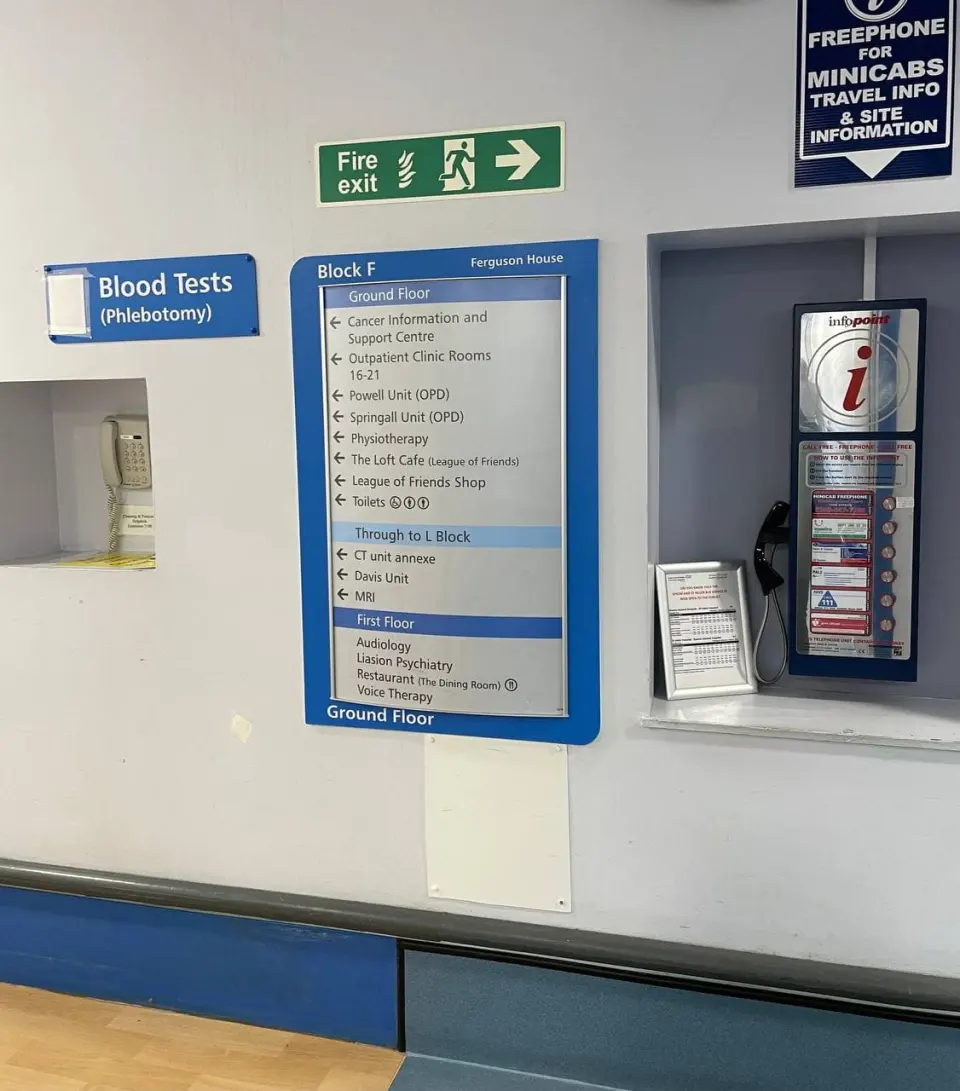
The story began with a bicycle ride on a family holiday. In the summer of 2021, 13-year-old Martha Mills fell from her bike and injured her pancreas — a serious but treatable injury, and she was admitted to the London hospital that specialises in exactly such cases. Then came what every parent fears: sepsis developed, she grew visibly worse, and her mother and father told the doctors of their alarm again and again — while the ward carried on as before and did not move her to intensive care. Martha died. In 2023 a coroner reached a conclusion impossible to shrug off: had she been moved to intensive care earlier, she would probably have lived.
How did a system failure become a system rule?
Martha's mother, the editor Merope Mills, turned private tragedy into a public campaign with a simple thesis: the family who sees the deterioration first must have a button that works above the hospital hierarchy. Clinicians and the government backed the idea, and NHS England launched a programme carrying the girl's name. In May 2024 Martha's Rule went live in the first 143 hospitals; from April 2025 it has been extended to all acute inpatient services in England, with full coverage due by 2026/27. Today every acute trust either already lives by the rule or is required to be putting it in place.
 ADV · A003We build websites for tradespeople and sole traders — £219Customers see your work and prices and message you straight away. Ready in 3 days, £219 instead of £438.Advertise here
What exactly does Martha's Rule give you?
The rule has three parts, and they work together. First: patients must be asked, at least daily, how they are feeling and whether they are getting better or worse — and the answer recorded, because patients and families notice deterioration before the monitors do. Second: any member of hospital staff — porter to nurse — may at any time request a review of a patient by a different team if something worries them. Third, and key for us: the same escalation route is open around the clock to the patient, their family and carers. One call to a dedicated number and a critical care outreach team — independent of the treating ward — comes to the bedside, looks at the patient with fresh eyes and decides whether intensive care, different treatment or a different ward is needed. This is not a complaint and not a conflict — it is a standard clinical mechanism, as legitimate as pressing the call button.
How do you use the rule — step by step?
Each hospital has its own Martha's Rule number, and it must be displayed: look for posters on the ward and in corridors, check the hospital website, or simply ask a nurse: 'What is your Martha's Rule number?' Call when two things coincide: your relative's condition is visibly worsening — confusion, laboured breathing, 'something is wrong', you are frightened — and you have already told the treating team but nothing is happening. On the call, give the patient's name, the ward, and one sentence that matters: 'The patient is deteriorating and I am worried. I would like a rapid review.' If English is not your first language — speak as you can, or ask for an interpreter: the NHS provides one, and imperfect English is never a reason to stay silent while someone you love gets worse. And no 'I don't want to bother the doctors': the rule exists precisely because one family held back from insisting — and the system concluded that insisting would have been right.
Why does this matter especially for immigrants?
Many of us carry, in our cultural luggage, the hospital where you do not argue with the doctor and questions are asked in a whisper. After Martha's story, the British system formally enshrined the opposite: a family's alarm is clinical data, and it must have a guaranteed route. Demanding a second opinion here is not a scene — it is a procedure with a number on the wall. Memorise it in calm waters, the way you note the exits on a plane: needed, we hope, never. And for how the rest of the NHS works — what is free, what is charged, and who pays for hospital care — see our full guide to British healthcare.
Thanks for £1If this information was useful and came in time, press the heart. Payment goes through PayPal, with nothing to choose and nothing to fill in, and it pays for the newsroom.


- Travel Jubilee line part suspended to Stanmore after fire alert
- Life Russian-language events in London: verified dates to December 2026
- Travel London Tube and TfL closures in October 2026: the Piccadilly line stops entirely at Halloween, and no Tube to Heathrow on 17–18 October
- Life A London concert cancelled back in March is still on sale for 4 October — and the full Russian-language listings for October
- Jobs & Business From 1 October, right to work checks reach couriers, subcontractors and platform workers
- Life A hundred students walked into an Edinburgh pub? What the viral Reel really shows
- Life ADHD and autism in England: government changes the rules on assessments and promises help without a diagnosis