From the airport into the city: Heathrow, Gatwick, Stansted, Luton — train, tube or bus, what it costs and where to buy tickets
Part two of our guide to Britain's airports. The golden rule of London transfers: the express is fast and expensive, the ordinary train or tube is two to three times cheaper, and the bus is cheapest of all but hostage to traffic. The Heathrow Express costs £26 while the Tube from the same station charges an ordinary fare; the Stansted Express starts at £9.90 booked ahead; the Luton DART is £4.90 for a 4-minute ride. All four big airports plus London City: what to take by day, what at night, where to buy tickets — and why your bank card already is one.
Thanks for £1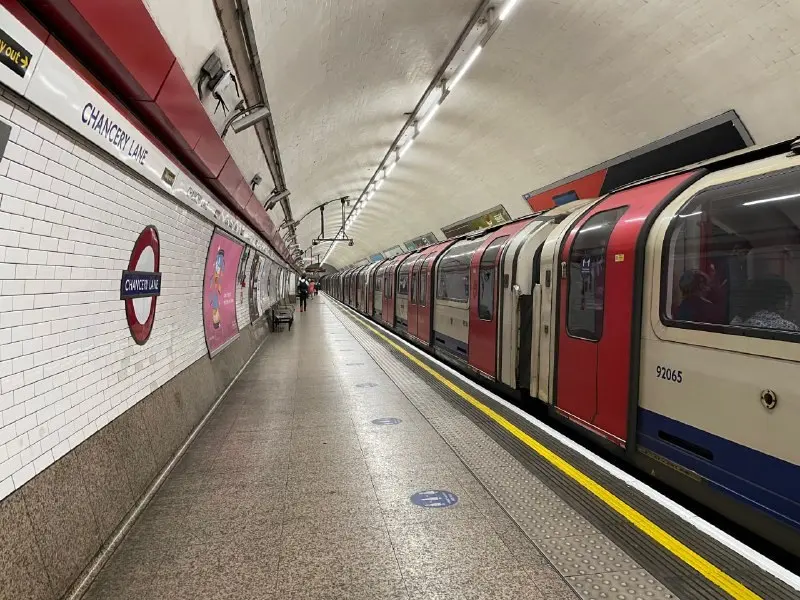
The journey in from the airport is the first expense of any trip, and the price spread is enormous: from the same Heathrow you can reach the centre for £5-6 or for £120. The secret is that almost every London airport offers three roads into town at three different prices: an express for those in a hurry, an ordinary train or the Tube for those counting their money, and a bus for those counting it especially carefully. Airport by airport.
Heathrow: the Tube, the Elizabeth line, or the £26 express?
The cheapest way is the Tube — the Piccadilly line: stations right inside the terminals, about an hour into the centre, pay with a bank card at the gate, and it costs an ordinary London fare — a fraction of any express (the TfL website will price your exact zones). The middle option is the purple Elizabeth line: noticeably faster to central stations like Paddington and Tottenham Court Road, dearer than the Tube but still far below express prices. The premium option is the Heathrow Express to Paddington: 15 minutes non-stop, £26 for a standard single, but book 30 or more days ahead and tickets start at £10 — and children 15 and under travel free with an adult. At night, when the Tube is closed, the N9 night bus runs to the centre, and on Fridays and Saturdays the Piccadilly line runs around the clock. An official black cab from the rank costs £70-120 on the meter plus a £1.60 rank fee — and remember the £6 charge for being dropped off at the terminal by car.
 ADV · A003We build websites for tradespeople and sole traders — £219Customers see your work and prices and message you straight away. Ready in 3 days, £219 instead of £438.Advertise here
Gatwick: the express, or an ordinary train from the same platform?
The station is right in the South Terminal. The Gatwick Express reaches Victoria in 31 minutes, with a 10% discount for booking online. But the same platforms serve ordinary Thameslink and Southern trains — to London Bridge, Blackfriars, St Pancras — noticeably cheaper, barely slower, and your contactless bank card works as the ticket. If ten extra minutes don't hurt, it is the best price-speed balance on this list. At night, National Express coaches come to the rescue: they run to the airports around the clock.
Stansted and Luton: how not to pay the low-cost airline's savings back in transfers?
The paradox of low-cost airports: the flight can cost less than the journey from the plane to your door. From Stansted, the Stansted Express runs to Liverpool Street: 48 minutes, every 15 minutes, from £9.90 booked ahead — and contactless bank-card payment now works there too. National Express and other coaches run to the centre 24/7 and start at a few pounds booked early — journey time, though, depends on traffic. Luton is a two-step scheme: first the Luton DART, an automatic 4-minute shuttle to Luton Airport Parkway station, £4.90, running 24/7 — then a Thameslink or EMR train to St Pancras. Booking ahead online, buy the ticket straight through to London: the combined DART-plus-train ticket works out cheaper than two separate ones.
And London City — and airports beyond London?
London City is the only airport where the ordinary city network takes you in with no express at all: the DLR, paid by bank card, about twenty minutes to the banking district. In the big cities outside the capital the pattern mirrors London's: Manchester and Birmingham have their own railway stations inside the airport, and in Edinburgh a tram runs to the centre. The rule is the same everywhere: rail is predictable, the bus is cheaper, a taxi from the official rank is legal — a 'taxi' offered in the arrivals hall is not.
Where to buy tickets — and why your card already is one?
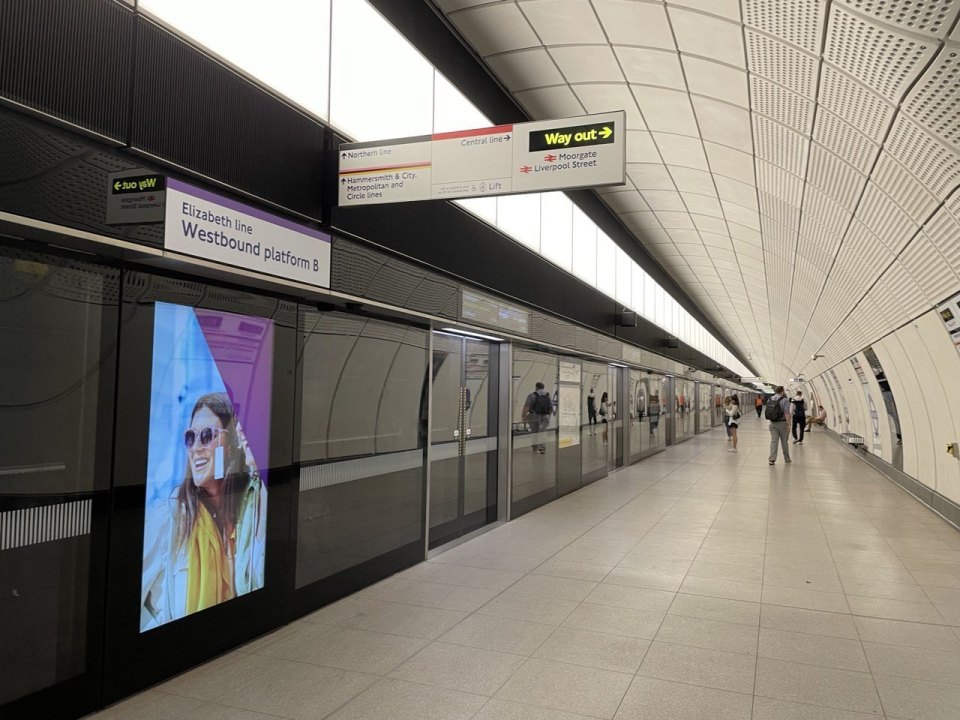
The single most useful fact about London transport: a contactless bank card is the ticket. On the Tube, the Elizabeth line, the DLR and city trains, touch the same card in and out — the system works out the fare itself and caps what you spend in a day. No ticket-machine queues, no paper tickets; the one rule is one card per passenger. Express tickets are cheapest on the operators' official websites — the lowest prices open up 30 days out; station machines sell the same tickets at full price. Buses outside London are a quiet joy of their own: since 1 January a £2 fare cap applies per journey across England. And two of our guides for the road: if your flight is delayed — check your right to compensation, and before calling a 'Russian taxi' from a classified ad — read how TfL licensing works. What to say at the border and what you can carry in your suitcase — in part one of this guide.
Thanks for £1If this information was useful and came in time, press the heart. Payment goes through PayPal, with nothing to choose and nothing to fill in, and it pays for the newsroom.
- Housing Drought: minister lets the Agency take more water to avoid rota cuts
- Travel Jubilee line part suspended to Stanmore after fire alert
- Life A London concert cancelled back in March is still on sale for 4 October — and the full Russian-language listings for October
- Life Russian-language events in London: verified dates to December 2026
- Travel London Tube and TfL closures in October 2026: the Piccadilly line stops entirely at Halloween, and no Tube to Heathrow on 17–18 October
- Jobs & Business From 1 October, right to work checks reach couriers, subcontractors and platform workers
- Money Section 75 and chargeback: how to get your money back in the UK