Passport for travel to Europe: the 10-year and 3-month rule
To enter the Schengen area, a UK passport must have been issued less than 10 years before your arrival and be valid for at least 3 months after you leave. Here is how to check yours in advance.
Thanks for £1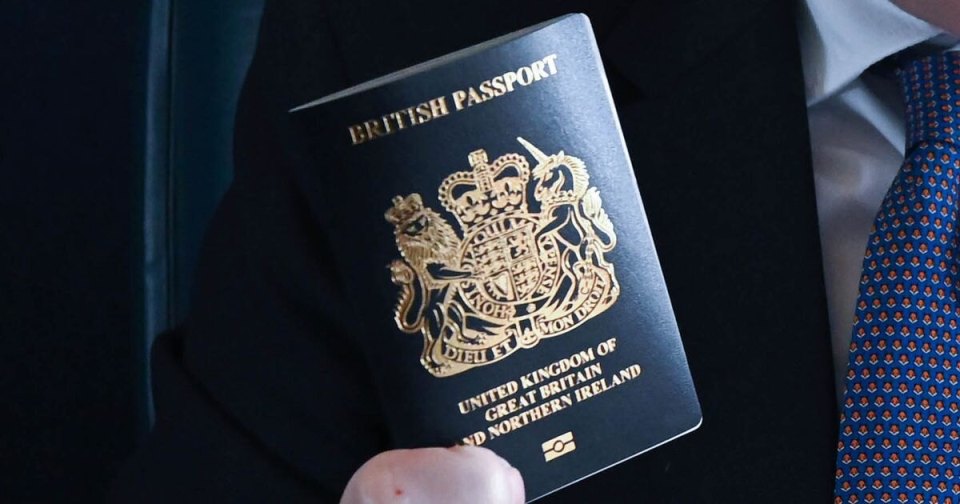
Since the UK left the European Union, a British passport for travel to Europe must meet two separate requirements. It is important to check them in advance: at the Schengen border a passport that technically still "works" can be refused, and you simply will not be let in. The Schengen area is a group of European countries with no border checks between them, but entry from outside is checked.
Rule one: the passport is under 10 years old on your arrival date
Your passport must have been issued less than 10 years before the date you arrive in the Schengen area. The key is the date of issue, not just the expiry date. This matters because, before 1 October 2018, the UK could add unused months from an old passport onto a new one. As a result, the issue date on the cover can be more than ten years ago even if the passport is still in date. Such a passport will not be accepted for Schengen.
 ADV · A003We build websites for tradespeople and sole traders — £219Customers see your work and prices and message you straight away. Ready in 3 days, £219 instead of £438.Advertise here
Rule two: at least 3 months left after you leave
Your passport must be valid for at least 3 months after the day you plan to leave the Schengen area. You count from your departure date, not your arrival: if you leave on, say, 20 June, the passport must not expire before 20 September. The three-month buffer is a requirement of the host countries, not a British one.
How to check your passport
Open the photo page and look at two dates: the date of issue and the date of expiry. Add 10 years to the issue date — it must be later than your arrival day. Then make sure at least 3 months remain after your departure. If either condition fails, renew the passport before you travel. It is best to renew early: processing takes time, and while your new passport is being made the old one is taken in, so avoid tying a firm travel date to a document you have not yet received. You can check timings and apply to renew on gov.uk.
Who does the rule apply to?
The same two conditions usually apply to children's passports, which run for a shorter period, so check a child's passport separately. An airline can check that your passport meets the rules at check-in and refuse to board you if it does not — and the ticket is not refunded. These requirements apply to visiting Schengen countries as a tourist or on a short trip. Individual countries can differ, so before travelling always open the "Entry requirements" page for your specific destination on gov.uk, where the exact conditions and any special cases are set out.
Thanks for £1If this information was useful and came in time, press the heart. Payment goes through PayPal, with nothing to choose and nothing to fill in, and it pays for the newsroom.

- Jobs & Business Post Your Ad Free
- Money Debt management plans in the UK: pay less, and never pay for advice
- Jobs & Business UK gender pay gap reporting: who must report and by when
- Money GBIS: free home insulation in Great Britain — who qualified
- Life Pupil Premium: the extra funding English schools get for disadvantaged pupils
- Money How to switch energy supplier in the UK and whether it is worth it
- Money How to challenge your council tax band without it backfiring