Lost property and seized goods in the UK: where finds are stored, where unclaimed items go, and whether they really sell for pennies
A legend every immigrant has heard: somewhere there is a warehouse where forgotten suitcases and seized goods sell for pennies. We checked the primary sources — it is half true. Transport finds are kept for three months (TfL at Baker Street; Heathrow charges £5 to £25 to return an item), and unclaimed property genuinely is sold afterwards, but at official auctions open to anyone. 'Customs confiscate' offered on social media is always a scam. The whole chain: timescales, addresses, prices and the reseller's taxes.
Thanks for £1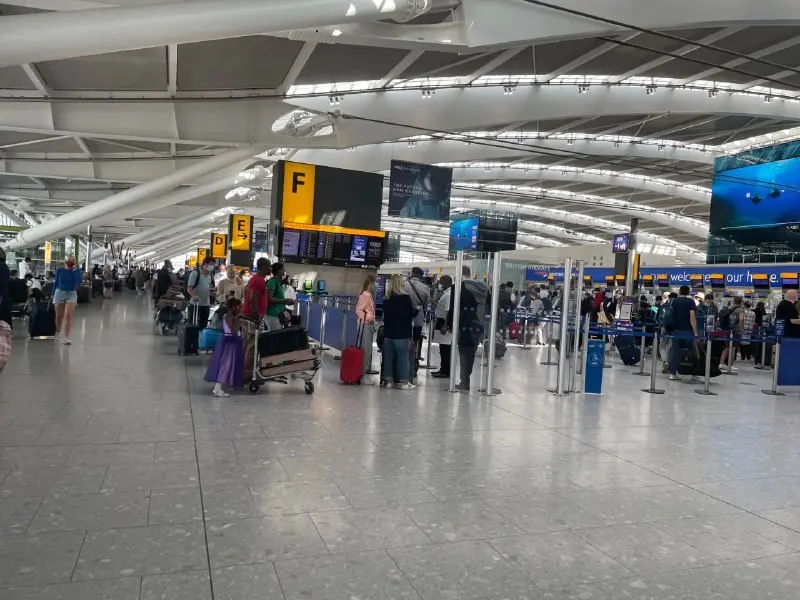
Every year passengers leave hundreds of thousands of items on London's transport and in its airports — umbrellas to violins. That flow has a strict bureaucratic fate, and it is from its final link that the immigrant legend of 'suitcases for pennies' was born. Let us walk the chain from start to finish — by the official rules, not by what a friend of a friend says.
Where does a forgotten bag end up?
Leave something on the Tube, a bus or a black cab and it flows to the TfL lost property office at 200 Baker Street (claims go through the online form; a search takes up to seven working days). Storage runs three months from the date of loss; money is held for up to 12 months. Getting it back costs a fee that covers collection and storage, and a taxi find carries an extra reward that goes to the driver. At Heathrow, lost property is run by the contractor Smarte Carte: items reach the online database within 24-48 hours, are kept the same three months, and recovery costs from £5 for an umbrella or glasses to £25 for a laptop, phone or suitcase. Each railway operator keeps its own lost property office — search via the website of the company whose train you took. The universal rule of the whole system: the earlier you file, the better the odds — and don't wait for a call; the searching is yours to do.
 ADV · A001ONLYWAY JEWELRY — gold, silver and platinumRings, chains, bracelets, earrings and pendants. Delivery across the UK.Advertise here
What happens to the unclaimed after three months?
After three months an unclaimed item legally becomes the carrier's property. Under TfL's rules three things then happen: personal data is wiped from devices and documents, part of the stock goes to charities — the Salvation Army, the British Red Cross, Scope — and part is recycled or sold, with the proceeds funding the lost property office itself. That word 'sold' is the grain of truth in the legend.
So the auctions are real?
Real. Unclaimed property and state-seized assets in Britain are sold at ordinary public auctions open to anyone over 18. The biggest operator is Wilsons Auctions, the largest independent auction company in the UK and Ireland with 19 sites: its website carries a dedicated Transport for London sales section and regular Police & Government auctions where assets seized from criminals under proceeds-of-crime law go under the hammer with no reserve — cars and watches to cryptocurrency. London's own classic of the genre is Greasby's, a family auction house in Tooting trading since 1919: weekly Tuesday sales with commission bids submitted by the end of viewing day. It is from sales like these that London's unclaimed finds have been dispersing for decades — and anyone can take part.
What does it cost — and is 'for pennies' true?
Here the legend starts to embellish. Starting prices really are low, and with luck an item goes for a small fraction of its shop price. But pennies are guaranteed to no one: bidding is competitive, trade buyers have worked these rooms for years, a buyer's premium — and VAT where applicable — lands on top of the hammer price, and everything sells as seen with no returns. The romantic image of the 'sealed mystery suitcase' has faded too: electronics sell data-wiped, valuables are sorted into separate lots, and you are usually buying a specific catalogued item, not a lottery ticket. The honest buyer's algorithm: register on the auction site, study the catalogue, attend the viewing, set yourself a ceiling and refuse to cross it in the heat of bidding.
And 'cheap customs confiscate'?
Remember one simple rule: the state does not sell seized goods hand-to-hand, from a warehouse, through classifieds or in a messenger app. Seized property moves only through the official auctions of appointed auction houses. So any social media ad offering a 'Border Force confiscate sale' or 'suitcases from the Heathrow warehouse' with payment by transfer up front is a scam — one hundred percent, no exceptions. The scheme is a sibling of 'inheritance giveaways' and 'celebrity investments': you pay for a box you will never see. How to keep your money and where to complain if it is already gone — we set out the steps in our guide to money disputes.
Can you build a business on it?
You can, legally: what you buy at auction is yours, and reselling on eBay, Vinted or a market stall is prohibited to no one. The tax side is simple: up to £1,000 of gross trading income per tax year is covered by the trading allowance — nothing to declare; above that, register for Self Assessment (by 5 October of the following tax year) and pay tax as a sole trader. Honest expectations: this is not free money but a reseller's trade — with time spent at viewings, dud stock risk and professional competition. As a side income with clear rules, though, it is entirely real: the whole infrastructure, catalogues to tax allowance, officially exists for it. Check sources, not legends — and may your mystery suitcase hold a violin, not old newspapers.
Thanks for £1If this information was useful and came in time, press the heart. Payment goes through PayPal, with nothing to choose and nothing to fill in, and it pays for the newsroom.
- Travel Jubilee line part suspended to Stanmore after fire alert
- Life Russian-language events in London: verified dates to December 2026
- Travel London Tube and TfL closures in October 2026: the Piccadilly line stops entirely at Halloween, and no Tube to Heathrow on 17–18 October
- Life A London concert cancelled back in March is still on sale for 4 October — and the full Russian-language listings for October
- Jobs & Business From 1 October, right to work checks reach couriers, subcontractors and platform workers
- Life A hundred students walked into an Edinburgh pub? What the viral Reel really shows
- Life ADHD and autism in England: government changes the rules on assessments and promises help without a diagnosis