UK news
Page 2 of 17: material from 21 October 2026. UK news in brief for Russian speakers: laws, tax, prices and rules.
Showing 24 of 393
 ADV · A003We build websites for tradespeople and sole traders — £219Customers see your work and prices and message you straight away. Ready in 3 days, £219 instead of £438.Advertise here
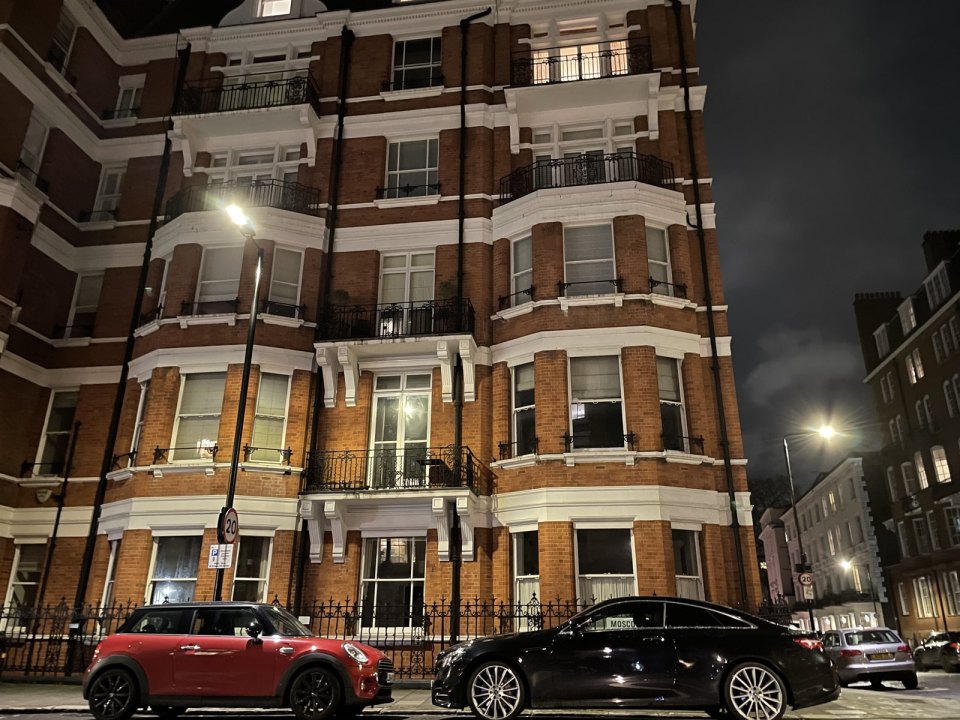
London Living Rent 2026-27: below-market renting in London — the figures, income cap and how it's set
London Living Rent is a below-market rent tied to local incomes. The Mayor of London has published the 2026-27 benchmarks — here's how the rent is set and who it suits.

Met Office issues amber warning for wind: South West England
The Met Office has issued an amber warning for wind — South West England. Check the Met Office site for the map, the exact area and the times it covers.

RTS meters are being switched off: how to tell if you have one, and what happens to your heating
The radio signal that flipped old meters between day and night rates is being withdrawn area by area. Fewer than 154,000 of these meters were left in January 2026
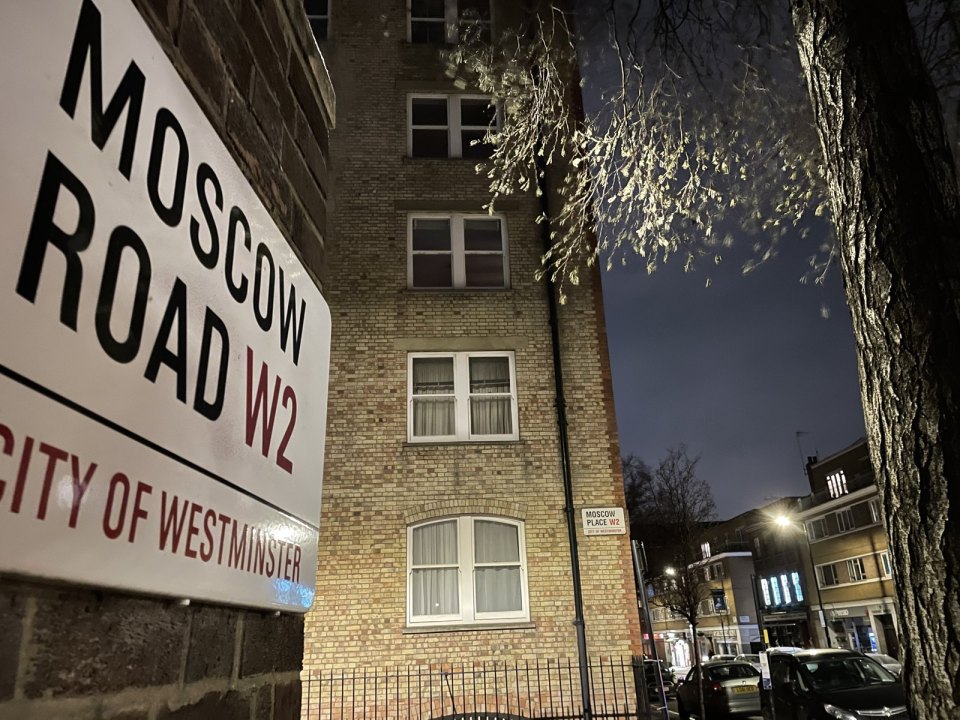
London's Russian corner: why Bayswater has a Moscow Road and a St Petersburgh Place
A short walk from Hyde Park, in Bayswater, Moscow Road sits beside St Petersburgh Place and St Petersburgh Mews. Their names recall a single event from 1814.
Guarantors when renting in England: what they cover and why you can't be charged a fee
A landlord may ask for a guarantor, but the law bans charging the tenant a fee for one and limits the payments you can lawfully be asked for.

A high-rate regular saver: why your deposits earn about half the headline
Banks advertise regular saver accounts at tempting rates — 6, 7, sometimes 8% a year. But at the end of the year people are often surprised: the interest is noticeably less than they expected from that rate on all their deposits. It is not a trick — the interest simply is not calculated on the whole sum at once. Here is the plain explanation.
Shared ownership: buying a share of a home — how it works and the catches
Shared ownership is a way to buy a home when you cannot afford a full mortgage: you buy a share of the property (usually 25% to 75%, sometimes from 10%) and pay rent on the rest to a housing association or developer. You can buy more shares later. Here is who qualifies, what the costs are and what to know in advance.

Quote or estimate: why a tradesperson's figure can rise — or must not
You hire someone for home work and they give you a figure. But one word decides whether it can go up later. A quote is a firm, binding price: agree it and that is what you pay. An estimate is only a rough guess that can change. Here is the difference, what the law says, and how to avoid a bill twice what you were promised.
Zero-deposit renting: you pay less now, lose the money and still owe
No-deposit schemes (zero deposit, deposit replacement) look tempting: instead of a refundable deposit of five weeks' rent, you pay a small NON-refundable fee. But you lose that money for good and remain just as liable for damage as with a normal deposit. Here is how it differs from a real deposit and who it actually suits.
The Global Talent visa: no employer, no sponsor — through endorsement
The key difference between the Global Talent visa and the Skilled Worker visa: it does NOT need an employer sponsor or a job offer. You need an endorsement from an approved body in your field — science and research, arts and culture, or digital technology — or a prestigious prize from the eligible list. Here is who qualifies, how it works and what it gives.
An unmarried partner inherits nothing: the no-will rules in England
The most dangerous myth about inheritance in England: that long-term common-law partners inherit from each other. They do not. With no will, the intestacy rules apply, and an unmarried partner automatically inherits NOTHING — however many years you lived together and whether or not you have children. Here is who inherits, in what order, and what a partner can do.

NS&I: Guaranteed Growth Bonds or Income Bonds — the difference and which to pick
NS&I is the UK's government-backed savings bank, and money held there is 100% secure through HM Treasury, not just up to £85,000. Two of its popular products, Guaranteed Growth Bonds and Guaranteed Income Bonds, have almost identical names but work differently: one builds up interest inside the bond, the other pays it out to you every month. Here is who each suits.

Scammed into a bank transfer: when the bank must refund you, and how much — up to £85,000
Since 7 October 2024 the UK has a strict rule: if you were tricked into transferring money to a fraudster, the bank must give it back — up to £85,000 per claim, within five business days. It is called APP reimbursement. Here is who the rule protects, the deadline to claim, what it covers and when the bank can refuse.
The Priority Services Register: who qualifies for free extra help from energy and water companies
A free list you can join because of your age, a health condition, a pregnancy — or simply because English is hard. It buys priority in an emergency, a password against doorstep scammers and bills in large print. You have to join in two places at once.

Moving mid-year: how to get a school place when the main round closed months ago
It is called an in-year application, and it goes to the council rather than the school. The familiar deadlines — 15 January for primary, 31 October for secondary — have nothing to do with a mid-year move.
The bank's valuation is not a survey: the three survey levels when buying in the UK
Many buyers in the UK think that because the bank sent a valuer, the house has been checked. It has not: a mortgage valuation is done for the lender — to confirm the home is worth what is lent — not for you and not about its condition. Condition is checked by a survey, and under the RICS standard there are three levels: 1, 2 and 3. Here is how they differ and which to choose.
Your landlord wants to come in: when they may, and why they must give 24 hours' notice
A rented flat is your home, and a landlord cannot enter it without permission. By law they may come in to inspect condition and repairs only at a reasonable time of day and only on 24 hours' written notice (Landlord and Tenant Act 1985). Turning up unannounced, changing locks or using surprise visits to force a tenant out is harassment and an offence under the Protection from Eviction Act 1977. Here is what is allowed, what is not, and what to do.
Handing back a car on finance in the UK: your right under section 99 and the half rule
If car finance payments have become too much, the law lets you hand the car back and end the agreement early — voluntary termination. Under section 99 of the Consumer Credit Act 1974 you can end a hire purchase or PCP agreement any time before the last payment. Under section 100 you pay no more than it takes to bring what you have paid up to half the total price. Here is who qualifies, how the half is worked out and what it does not cover.

Package holiday not as described: what the organiser must do
Report it on the spot, set a deadline, claim a price reduction. What the organiser must do under the 2018 Regulations and how many hotel nights it pays for if you are stranded.
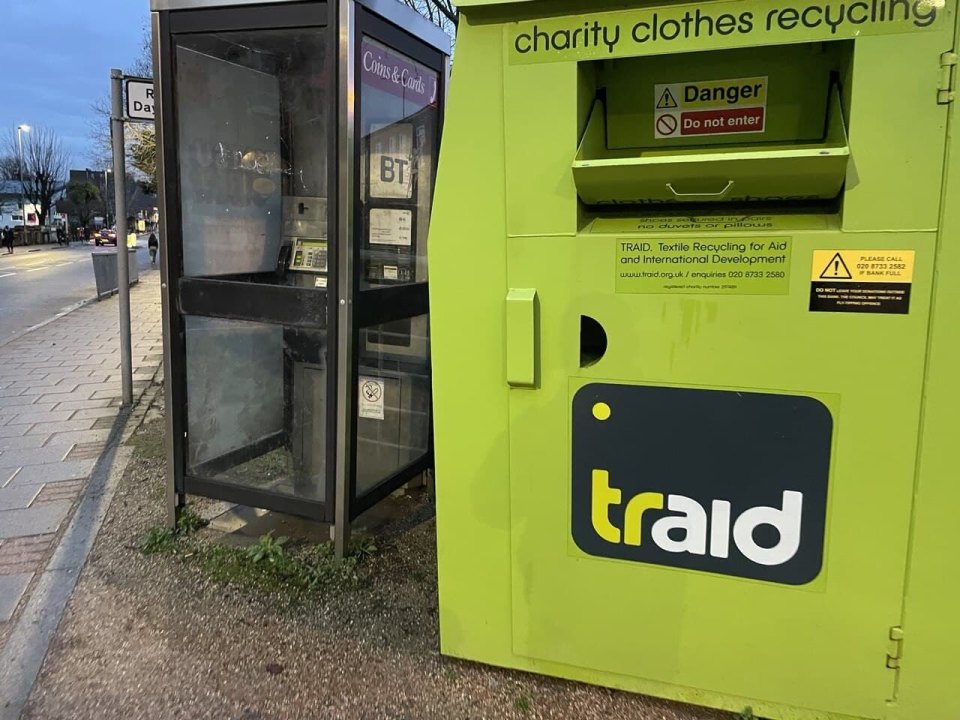
Household waste: why the fly-tipping fine lands on the sofa owner, not the man with the van
Your household waste stays yours until someone on the public register of waste carriers takes it. Skip the check and the council can issue a fixed penalty of £150 to £600 — and up to £5,000 for the fly-tipping itself.

Electrics and alarms in rented homes: a 28-day report and a £40,000 penalty
A landlord in England must have the electrics inspected at least every five years, hand the report to the tenant within 28 days and fix anything the report flags within another 28 days. The maximum penalty for breaking the electrical rules is £40,000; for smoke and carbon monoxide alarms it is £5,000. Here is exactly what you are owed, and when.

10,000 tech placements: the three-year total, the eight firms and the nine addresses for schools
DCMS announced 10,000 digital and tech work experience placements over three years on 21 October. Partners are ARM, Cisco, AtkinsRealis, Cognizant, IBM, Kainos, Microsoft and Qinetiq. Schools get nine regional contacts. Pay terms for the placements are not disclosed.
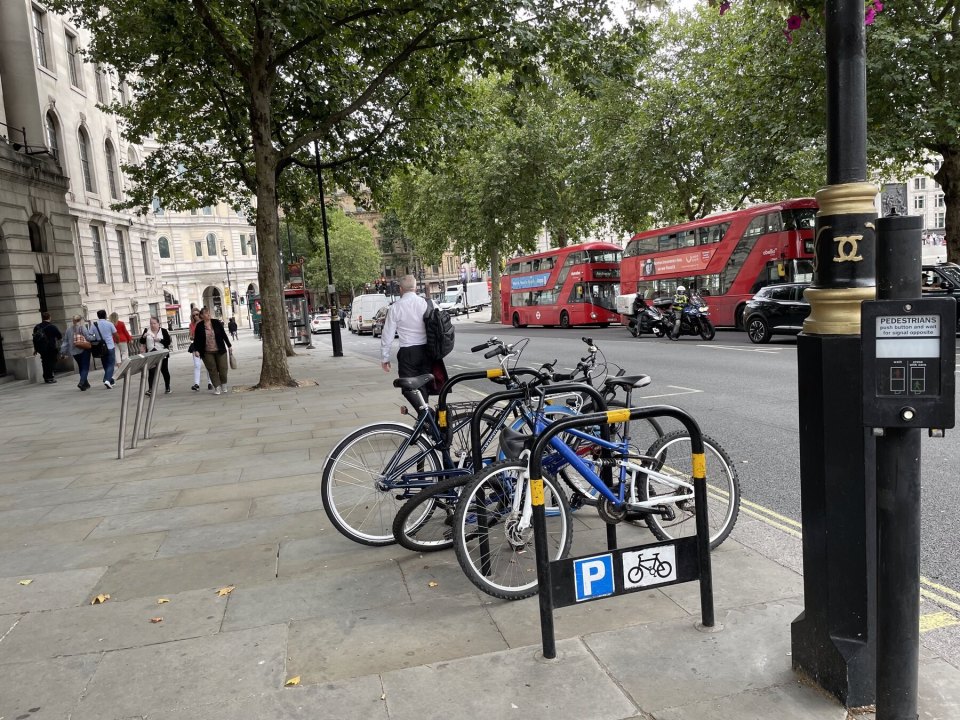
Cycling in the UK: what the law requires and what it only advises
Lights at night are a legal requirement; a helmet is only advice. Cycling on the pavement is banned, and at a zebra crossing you must dismount. Electric bikes have their own limits: 250 watts, 15.5mph and a minimum age of 14.

Free school transport: two miles, three miles, and the line low-income families miss
A council must provide free travel if the nearest suitable school is over two miles away (under 8) or over three (8 and over). For families on Universal Credit earning up to £7,400 the distances are measured differently — in their favour.
Nothing found. Adjust your query or dates.