Charity clothing collections: how to donate safely
The 1939 licence, the collector's badge and a check in the Charity Commission register — how not to hand your clothes to a reseller.
Thanks for £1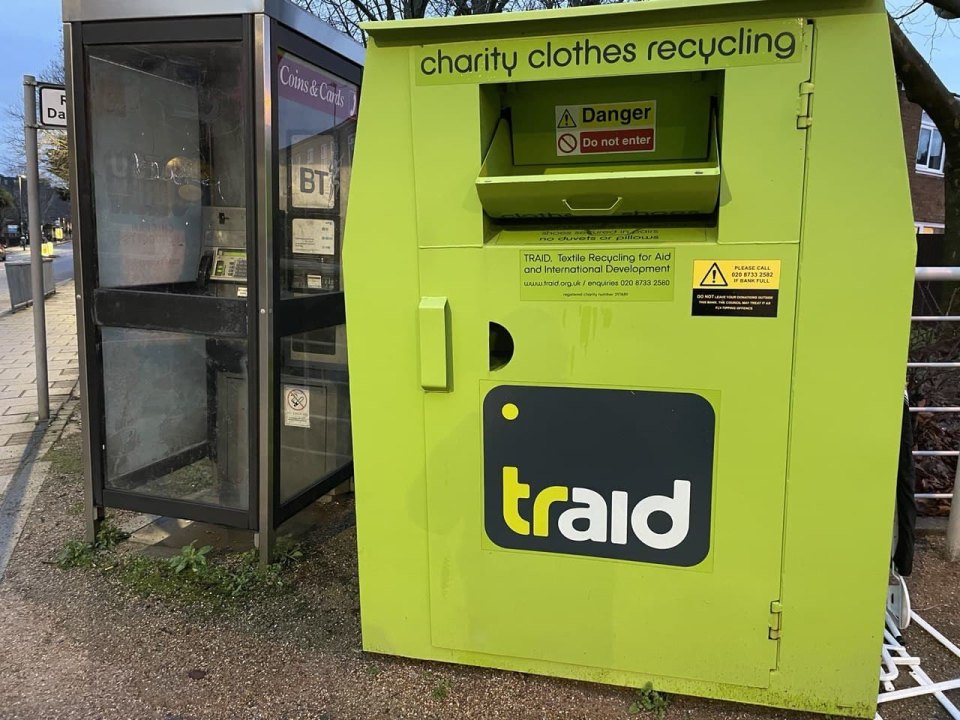
The green and yellow clothing banks on UK streets, and the "we collect clothes for people in need" bags pushed through your letterbox, are a familiar part of British life. But some of these collections are unlicensed, or leave charities with almost nothing. Here is how to donate so your clothes actually reach a good cause.
Is a licence needed to collect clothes?
Yes. Collecting money or goods house to house for charitable purposes needs a licence from the local council under the House to House Collections Act 1939, or a national exemption order. This also covers visits to businesses such as shops and pubs. A commercial firm that collects clothes "in aid of" a charity must still operate within this regime.
 ADV · A001ONLYWAY JEWELRY — gold, silver and platinumRings, chains, bracelets, earrings and pendants. Delivery across the UK.Advertise here
How do you tell a genuine collection from a scam?
A legitimate collector has a Certificate of Authority, which must be produced on demand to any police constable or occupier, and wears a badge prominently. No one under 16 may act as a collector. A legal bag shows the charity's name and registration number and — if a commercial company is collecting — how much actually goes to the charity. The Fundraising Regulator warns of tell-tale signs of a fake: no charity number, vague wording, spelling mistakes, and only a mobile number with no address.
How do you check an organisation in a minute?
Find the registration number on the bag or bank and type it into the Charity Commission's register of charities on GOV.UK. It shows whether the charity exists, what it does, and whether it files accounts. If there is no number, or it is not found, your clothes will most likely go to a textile reseller rather than to a cause.
Where can you donate with confidence?
The safest route is to take clothes straight to a charity shop on the high street: Oxfam, British Heart Foundation, Cancer Research UK and others. There you can also sign a Gift Aid form if you pay UK tax, so the shop adds 25% to what your items sell for. Official textile banks placed by registered charities or under a council contract are reliable too — check the name and number on the bank itself.
How does Gift Aid work, and who do you report a fake to?
Gift Aid lets the charity add 25% to what your items sell for, using tax you have already paid — you sign a declaration once and must pay enough UK Income Tax or Capital Gains Tax. The shop then writes to tell you how much your things sold for. If you come across a bag or bank with no charity number, or suspect a collection is fake, report it to your local council's licensing team, to the Fundraising Regulator, and — where it is fraud — to Action Fraud. This helps clear illegal collectors off the streets.
Donating clothes is not just clearing a wardrobe; it is real money for an organisation. A one-minute check of the number in the register separates genuine help from a resale scheme.
Thanks for £1If this information was useful and came in time, press the heart. Payment goes through PayPal, with nothing to choose and nothing to fill in, and it pays for the newsroom.


- Life Russian-speaking doctors and clinics in London: eight addresses checked against the registers
- Jobs & Business Post Your Ad Free
- Life Russian-language events in London: verified dates to December 2026
- Travel Peak and off-peak fares in London 2026: when travel is cheaper
- Money Energy bills: 40% still struggle to pay — what households can do
- Money The Autumn Budget lands on 28 October: what is already confirmed
- Housing Can you cut down a tree at your home in England? TPO rules and fines