Why UK museums are free
Permanent collections have been free since 2001 — what it means for you.
Thanks for £1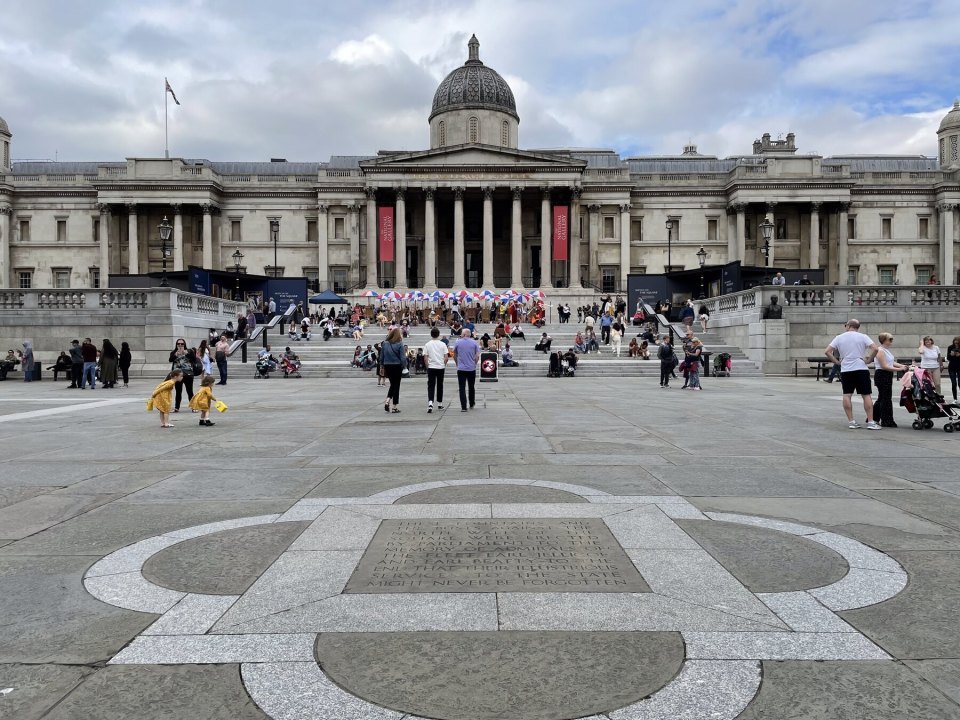
In most capital cities you pay to enter the major museums, yet in Britain the leading national museums and galleries let you in free. This is deliberate government policy, not chance. Here is what is free, why it was done, and what you may still pay for.
Since when has entry been free?
Free admission to the permanent collections of all national museums funded by the culture department (DCMS) has applied since 1 December 2001. It is a long-standing policy, not a one-off offer.
Which museums are free?
These are the government-funded national museums and galleries, including the National Gallery on Trafalgar Square, the British Museum, the Tate galleries, the Natural History Museum and the Victoria and Albert Museum. Many are among the country's most-visited attractions.
 ADV · A003We build websites for tradespeople and sole traders — £219Customers see your work and prices and message you straight away. Ready in 3 days, £219 instead of £438.Advertise here
What is free, and what do you pay for?
Entry to the permanent collection — what the museum always shows — is free. Temporary (special) exhibitions usually charge: these are major ticketed shows. When planning, separate 'permanent collection, free' from 'special exhibition, ticketed'.
Why were museums made free?
The aim is access to the national cultural heritage for everyone, regardless of income. After charges were dropped, visits to museums that used to charge rose sharply, and the free national museums became some of the country's most popular places.
How can museums afford it?
Permanent collections are free to visitors but not to the museum: they are funded by government money plus income from cafes, shops, ticketed exhibitions and donations. That is why you often see a voluntary donation box at the entrance — it helps, but you need not pay.
Do you need to book?
Usually you can just turn up. But for some museums and popular exhibitions it is easier to reserve a free timed entry in advance, especially at weekends and in the holidays. Check the specific museum's website before you go for booking and which exhibitions are ticketed.
How should you plan a visit?
Check the museum's website first: it shows opening hours, a map of the galleries and current exhibitions marked for which are ticketed. Many museums offer an audio guide, free or for a small charge, and run free scheduled tours. Weekday mornings are quietest; weekends and holidays bring queues at the popular ones. Large bags and suitcases are often refused or must be left at a cloakroom — check the rules first.
What this means for you?
For a family, a student or a visitor, this is a real chance to see world art and history at no cost. Bring only your travel money and, if you wish, a little for the cafe or a special exhibition — entry to the permanent collection costs you nothing. It is one of the cheapest ways to spend a day with children or alone, especially in bad weather.
Thanks for £1If this information was useful and came in time, press the heart. Payment goes through PayPal, with nothing to choose and nothing to fill in, and it pays for the newsroom.

- Tax Self Assessment: 31 Jan deadline
- Money Do marketplace warehouses give goods away free? The truth about unclaimed parcels
- Life Royal week: Prince George starts at Eton, Prince William at King Harald's funeral
- Immigration UK Standard Visitor Visa in 2026: Rules, Fees and Duration
- Immigration UK visitor visa step by step 2026: timing, cost, biometrics and how long it takes
- Life Use by vs best before dates
- Money What life in London really costs in 2026: a breakdown by item