SORN explained: taking a car off the road and getting your tax back
A SORN cancels your vehicle tax and refunds any full months left. But you cannot drive the car at all, including on the street outside your home, until you tax it again.
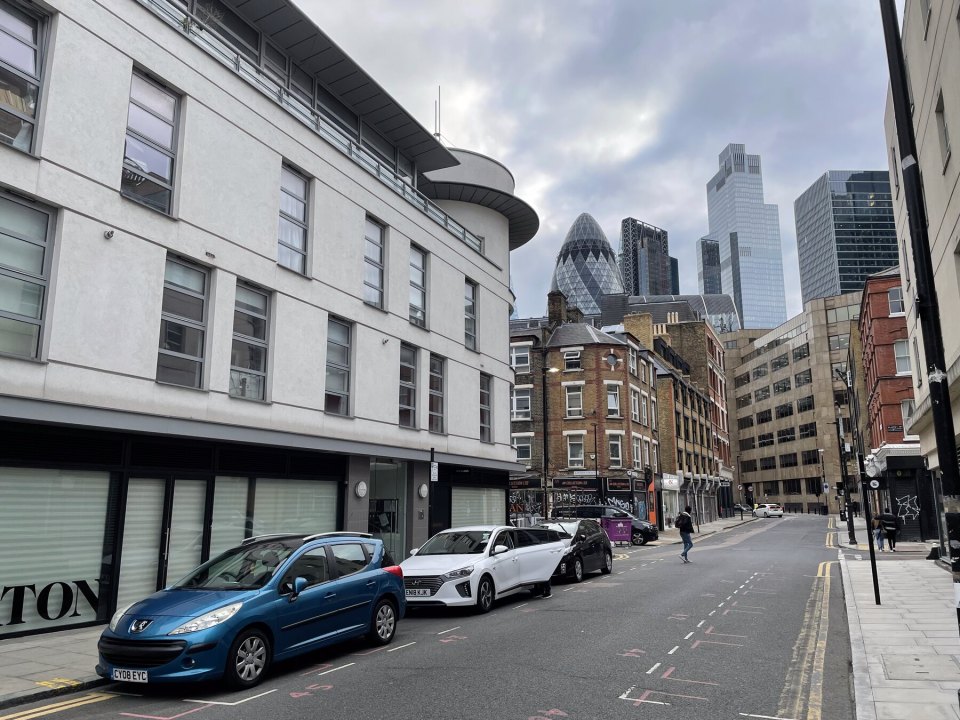
A SORN tells DVLA that your vehicle is off the road — kept in a garage, for example. Once it is registered, your vehicle tax is cancelled and you get a refund for any full months of remaining tax. You cannot use the vehicle on the road again until you tax it.
What is a SORN and when do you need one?
SORN stands for Statutory Off Road Notification. It is how you officially tell DVLA that a vehicle has been taken off the road — typically because it is sitting in a garage or on private land and you do not want to keep paying tax on it.
 ONLYWAY NEWSLIVELife · 14.10Brain cancer: government speeds up the route from lab to patientLife · 14.10SORN explained: taking a car off the road and getting your tax backMoney · 14.10Boiler Upgrade Scheme: £7,500 for a heat pump and who is refusedLife · 14.10Older person's bus pass: in England it starts at pension age, not 60Markets · 14.10Who can get a growth grant?Money · 14.10Disabled Facilities Grant: up to £30,000 from your councilMoney · 14.10Who gets carer money back?Housing · 14.10Unsafe cladding Bill: £500,000 fines and a new register of buildingsJobs & Business · 14.10Access to Work: a grant for equipment, support workers and travel, with no means testJobs & Business · 14.10Self-employed on paper only?ONLYWAY NEWS · appInstall the ONLYWAY NEWS appFresh UK news, classifieds, key dates and exchange rates on your home screen, one tap away. Free.NewsClassifiedsCalendarRates
The key restriction: you cannot use the vehicle on the road until you tax it again. The road includes the street outside your house, not just the motorway.
You do not need to make a SORN for a vehicle you have already sold. In that case you tell DVLA you have sold the vehicle instead, which is a different process.
When does a SORN start?
Your SORN starts immediately if either your vehicle tax has expired, or you are not applying in the month your vehicle tax is due to expire.
If you do apply in the month your tax is due to expire, the SORN starts on the first day of the next month. It is worth timing your application around that so you do not pay for a month you did not need.
How do you apply for a SORN?
You can apply online if the vehicle is registered in your name. You will need either the 11-digit number in your vehicle log book (V5C) or the 16-digit reference number on your vehicle tax reminder — which can be a V11 letter, an email or a text message.
Start when you are ready to take the vehicle off the road: if your tax has already expired, the SORN takes effect at once.
There are other routes. By phone, the DVLA vehicle service is on 0300 123 4321, a 24-hour service. By post, send a completed V890 form to DVLA, Swansea SA99 1AR. By post you can apply for this month, or for next month or the month after — in which case include a letter saying why you cannot send the form nearer the time.
What if your log book is wrong or missing?
If your address is wrong on the V5C, change your address online first, then register the vehicle as off the road. You can also update by post: write the new address in section 3 of a new style log book (the one with multi-coloured numbered blocks on the cover) or section 6 of the older style, and send it to DVLA with a completed V890.
If the vehicle is not registered in your name, fill in the appropriate part of the log book and send it with a completed V890. If you have no log book, send an application for a log book (V62) with the V890 — a new log book costs £25. You can get a duplicate V5C if the original is lost, stolen, damaged or destroyed.
How does the vehicle tax refund work?
Telling DVLA is the only way to cancel vehicle tax — there is no other route. DVLA cancels the tax, and if you pay by Direct Debit the Direct Debit is cancelled automatically.
You automatically get a refund cheque for any full months left on your tax. The refund is calculated from the date DVLA gets your information, and the cheque is sent to the name and address on the log book — another reason to fix your address first.
You will not get a refund for credit card fees, the 5% surcharge on some Direct Debit payments, or the 10% surcharge on a single six-month payment. Where you are owed the first tax payment made when the vehicle was registered, the refund is based on whichever is lower: that first payment, or the rate for the second payment onwards.
If the cheque has not arrived after eight weeks, contact DVLA. If it is in the wrong name, return it to DVLA and tell them the correct name.
- Money UK sanctions Cryptomus, Heleket and VexPay: what it means for money transfers
- Life Free English with a native speaker: how Russian speakers can find a language partner
- Housing Homes in London take 84 days to sell — longest in Britain
- Law Courts in England and Wales must now record domestic abuse in the sentence: what changed on 5 October
- Life A London concert cancelled back in March is still on sale for 4 October — and the full Russian-language listings for October
- Life Moving home in the UK: who you must tell about your new address
- Tax HMRC visits: how to check an officer's identity under the rules updated on 7 October