Moving traffic fines by councils
Councils outside London now fine box junctions, banned turns and no-entry by camera.
Thanks for £1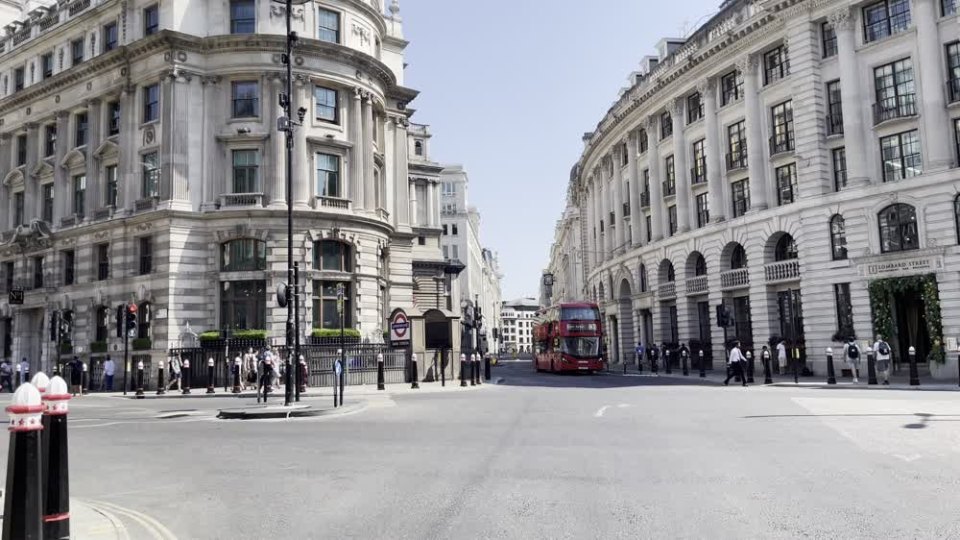
Councils in England outside London can now penalise moving traffic offences themselves, using cameras, not just the police. These were previously police matters. Here is what is caught, who got the power and how to challenge a charge.
Which offences do councils now catch?
Moving traffic contraventions include entering and stopping in a yellow box junction, prohibited turns and U-turns, ignoring a no-entry sign, driving the wrong way on a one-way street, passing the wrong side of a sign, failing to give way to oncoming traffic, entering or waiting in a pedestrian zone, breaking a restriction outside a school, and driving in a bus lane or mandatory cycle lane.
Who got the power and under which law?
The power is given to designated councils outside London under Part 6 of the Traffic Management Act 2004 (sections 72 to 93). These contraventions were previously enforced only by the police. To get the power, a council must consult the chief officer of police and run a public consultation of at least 6 weeks, and the enforcement area can only match an existing civil parking enforcement area.
How is a penalty issued — by camera?
A penalty charge notice (PCN) is issued only on evidence from an approved camera. Before a PCN goes out, a trained council officer must review the image; an unviewed image is inadmissible as evidence.
Is there a first-time warning?
Yes. At each new camera, for 6 months after enforcement starts, a first contravention gets a warning notice, not a fine. It states that any further contravention at that camera will result in a PCN. The 6-month clock runs separately for each camera location.
How do you know a spot is camera-enforced?
The restriction must be shown by road signs and markings — without proper signing a PCN can be challenged. The camera must be an "approved device" authorised by the government, and every image is reviewed by a trained officer before a PCN is issued. Councils announce where enforcement will begin, so take extra care at familiar junctions and outside schools when a new scheme starts.
How much is the fine and is there a discount?
The PCN is set at the "higher" level fixed in regulations; the exact sum is on the council's notice, so go by the document you receive, not by rumour. Pay within 21 days of service and it is reduced by 50%. Non-payment leads to a charge certificate that adds another 50%, after which the debt can be recovered through enforcement.
How do you appeal?
You make representations to the council within 28 days of service. A postal PCN must be sent within 28 days of the contravention and is deemed served 2 days after posting. There are no "informal" representations for a postal PCN, so put it in writing. If the council rejects your case, it goes to an independent adjudicator (tribunal), whose decision binds the council.
Thanks for £1If this information was useful and came in time, press the heart. Payment goes through PayPal, with nothing to choose and nothing to fill in, and it pays for the newsroom.

- Life Nemnogo Nervno’s Kateryna Gopenko plays London on 20 November
- Tax Self Assessment: 31 Jan deadline
- Money Do marketplace warehouses give goods away free? The truth about unclaimed parcels
- Life Russian-speaking doctors and clinics in London: eight addresses checked against the registers
- Life Royal week: Prince George starts at Eton, Prince William at King Harald's funeral
- Immigration UK Standard Visitor Visa in 2026: Rules, Fees and Duration
- Immigration UK visitor visa step by step 2026: timing, cost, biometrics and how long it takes